Marcel Huijser Photography   Home

This is where I show the most recent images and talk about how they were made. The images typically relate to landscapes and wildlife, but I also blog about photos of highways and mitigation measures for wildlife or road ecology in general. Please contact me if you would like to use any of the images.

All content © Marcel Huijser                             

Brazilian wildlife: Crab on beach, South Atlantic Ocean, Lagoa do Peixe, Rio Grande do Sul

February 13, 2015  •  Leave a Comment

Brazilian wildlife: Crab on beach, South Atlantic Ocean, Lagoa do Peixe, Rio Grande do Sul, Brazil.

Click here for more images of Parque Nacional da Lagoa do Peixe.

Some large format prints (limited edition) are now for sale at Freshwater Studio & Gallery in Missoula, Montana.

Like Marcel Huijser Photography on Facebook

All content © 2015 Marcel Huijser

Crab on beach, South Atlantic Ocean, Lagoa do Peixe, Rio Grande do Sul, BrazilCrab on beach, South Atlantic Ocean, Lagoa do Peixe, Rio Grande do Sul, BrazilCrab on beach, South Atlantic Ocean, Lagoa do Peixe, Rio Grande do Sul, Brazil


Road ecology blog: Larissa Oliveira Gonçalves examines a roadkilled barn owl, Brazil

February 13, 2015  •  Leave a Comment

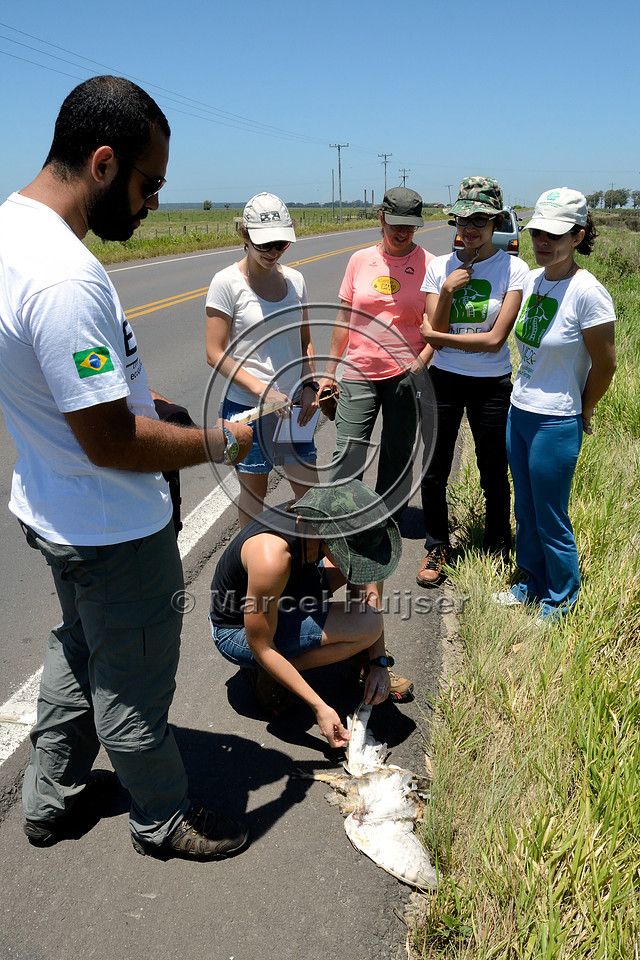
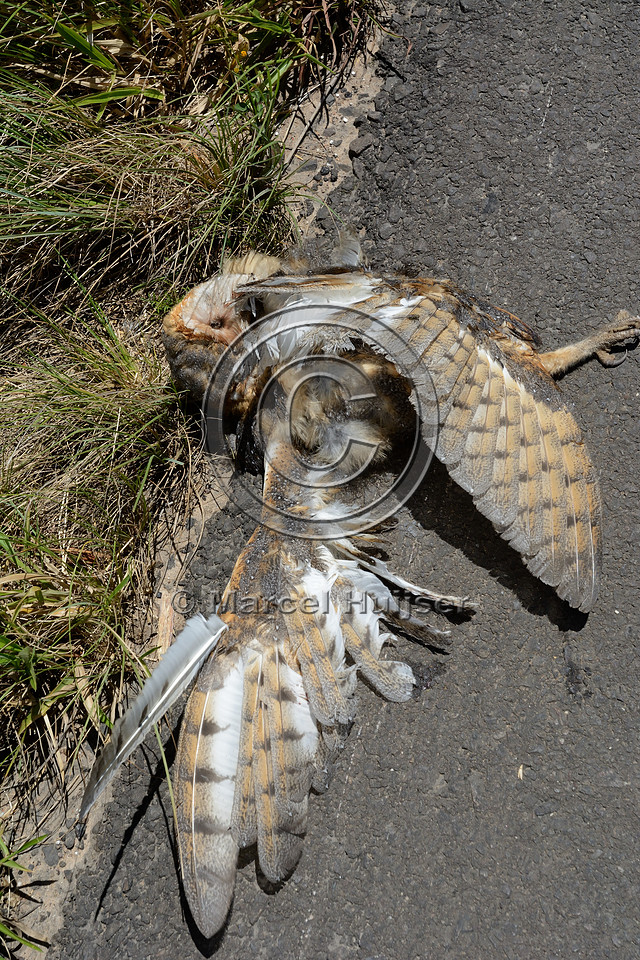
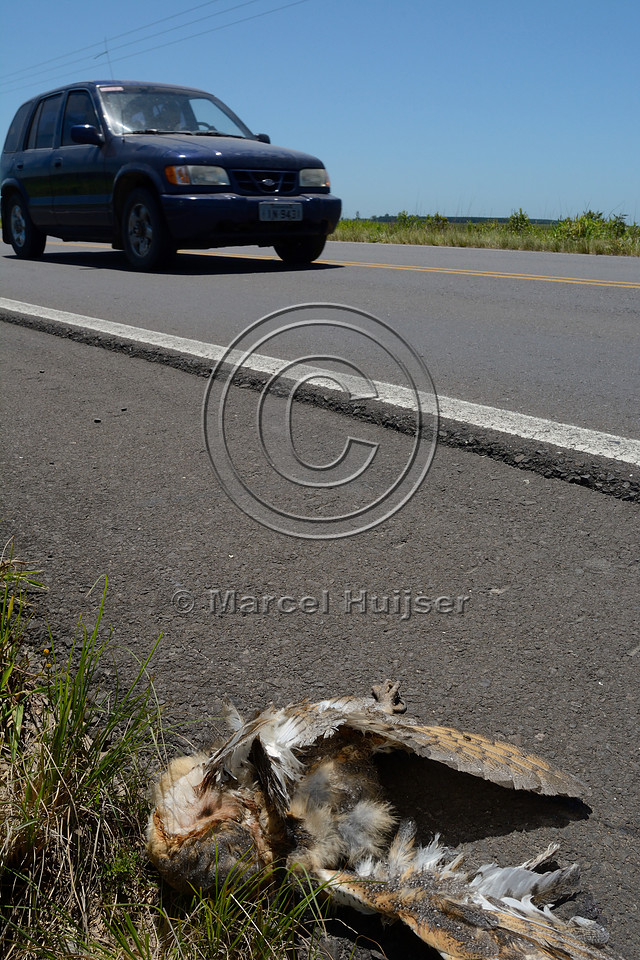
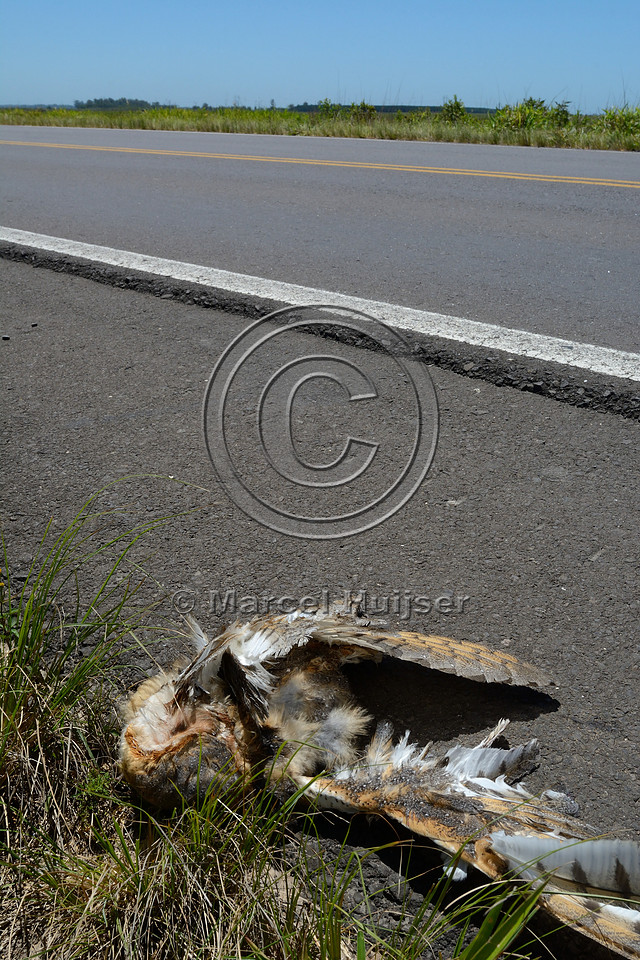
Road ecology blog: Larissa Oliveira Gonçalves examines a roadkilled barn owl (Tyto alba), BR 101, about 19 km south of Capivari do Sul, Rio Grande do Sul, Brazil.

Larissa and her colleagues from Núcleo de Ecologia de Rodovias e Ferrovias (NERF) at the Universidade Federal do Rio Grande do Sul took us out along this highway that has an abundance of road-killed animals, including amphibians, reptiles, birds and mammals.

Click here for other images of animals that were killed by cars.

Click here for other images of animals alive on or near roads.

Some large format prints (limited edition) are now for sale at Freshwater Studio & Gallery in Missoula, Montana.

Like Marcel Huijser Photography on Facebook

All content © 2015 Marcel Huijser

Larissa Oliveira Gonçalves examines a roadkilled barn owl (Tyto alba), BR 101, about 19 km south of Capivari do Sul, Rio Grande do Sul, BrazilLarissa Oliveira Gonçalves examines a roadkilled barn owl (Tyto alba), BR 101, about 19 km south of Capivari do Sul, Rio Grande do Sul, BrazilLarissa Oliveira Gonçalves examines a roadkilled barn owl (Tyto alba), BR 101, about 19 km south of Capivari do Sul, Rio Grande do Sul, Brazil Roadkilled barn owl (Tyto alba), BR 101, about 19 km south of Capivari do Sul, Rio Grande do Sul, BrazilRoadkilled barn owl (Tyto alba), BR 101, about 19 km south of Capivari do Sul, Rio Grande do Sul, BrazilRoadkilled barn owl (Tyto alba), BR 101, about 19 km south of Capivari do Sul, Rio Grande do Sul, Brazil Roadkilled barn owl (Tyto alba), BR 101, about 19 km south of Capivari do Sul, Rio Grande do Sul, BrazilRoadkilled barn owl (Tyto alba), BR 101, about 19 km south of Capivari do Sul, Rio Grande do Sul, BrazilRoadkilled barn owl (Tyto alba), BR 101, about 19 km south of Capivari do Sul, Rio Grande do Sul, Brazil Roadkilled barn owl (Tyto alba), BR 101, about 19 km south of Capivari do Sul, Rio Grande do Sul, BrazilRoadkilled barn owl (Tyto alba), BR 101, about 19 km south of Capivari do Sul, Rio Grande do Sul, BrazilRoadkilled barn owl (Tyto alba), BR 101, about 19 km south of Capivari do Sul, Rio Grande do Sul, Brazil


Road ecology blog: Black-pencilled marmosets look for traffic and cross at grade

February 12, 2015  •  Leave a Comment

Road ecology blog: Black-pencilled marmosets (Callithrix penicillata) looking for traffic before crossing at grade, right under the canopy crossing, ESALQ campus, Piracicaba, São Paulo, Brazil

The canopy crossing was installed in 2014 in response to one or more marmosets being killed by vehicles at this location. While the canopy bridge is quite simple (canvas strap) it is being used by some of the marmosets. However, some animals in the group choose to cross at grade rather than over the canopy crossing. Before they cross the street they stop, sit up, and look both ways (see images below). They take their time doing this. This suggests that the marmosets are aware of the dangers associated with crossing the road and try to choose a moment when no vehicles are passing by.

Having observed the animals for a number of months I am pretty sure at least one of the individuals crosses both at grade and across the canopy crossing. So, when a group of marmosets approaches the road at this location, some of the animals use the canopy crossing while others choose to cross at grade. In addition, during different crossing attempts, individual animals sometimes use the canopy crossing but at other times the same individual chooses to cross at grade.

Click here for more images of Black-pencilled marmoset.

Click here for more images of canopy crossings for arboreal mammals.

Click here for more images of wildlife alive on or near roads.

Some large format prints (limited edition) are now for sale at Freshwater Studio & Gallery in Missoula, Montana.

Like Marcel Huijser Photography on Facebook

All content © 2015 Marcel Huijser
 

Images below: Black-pencilled marmoset (Callithrix penicillata) stops on the curb and looks both ways before running across the road, right under the canopy crossing, ESALQ campus, Piracicaba, São Paulo, Brazil

Black-pencilled marmoset (Callithrix penicillata) looking for traffic before crossing at grade right under the canopy crossing, ESALQ campus, Piracicaba, São Paulo, BrazilBlack-pencilled marmoset (Callithrix penicillata) looking for traffic before crossing at grade right under the canopy crossing, ESALQ campus, Piracicaba, São Paulo, BrazilBlack-pencilled marmoset (Callithrix penicillata) looking for traffic before crossing at grade right under the canopy crossing, ESALQ campus, Piracicaba, São Paulo, Brazil Black-pencilled marmoset (Callithrix penicillata) looking for traffic before crossing at grade right under the canopy crossing, ESALQ campus, Piracicaba, São Paulo, BrazilBlack-pencilled marmoset (Callithrix penicillata) looking for traffic before crossing at grade right under the canopy crossing, ESALQ campus, Piracicaba, São Paulo, BrazilBlack-pencilled marmoset (Callithrix penicillata) looking for traffic before crossing at grade right under the canopy crossing, ESALQ campus, Piracicaba, São Paulo, Brazil Black-pencilled marmoset (Callithrix penicillata) looking for traffic before crossing at grade right under the canopy crossing, ESALQ campus, Piracicaba, São Paulo, BrazilBlack-pencilled marmoset (Callithrix penicillata) looking for traffic before crossing at grade right under the canopy crossing, ESALQ campus, Piracicaba, São Paulo, BrazilBlack-pencilled marmoset (Callithrix penicillata) looking for traffic before crossing at grade right under the canopy crossing, ESALQ campus, Piracicaba, São Paulo, Brazil Black-pencilled marmoset (Callithrix penicillata) looking for traffic before crossing at grade right under the canopy crossing, ESALQ campus, Piracicaba, São Paulo, BrazilBlack-pencilled marmoset (Callithrix penicillata) looking for traffic before crossing at grade right under the canopy crossing, ESALQ campus, Piracicaba, São Paulo, BrazilBlack-pencilled marmoset (Callithrix penicillata) looking for traffic before crossing at grade right under the canopy crossing, ESALQ campus, Piracicaba, São Paulo, Brazil

Image below: Black-pencilled marmoset (Callithrix penicillata) runs across the road, right under the canopy crossing, ESALQ campus, Piracicaba, São Paulo, Brazil

Black-pencilled marmoset (Callithrix penicillata) running across street under canopy crossing, ESALQ campus, Piracicaba, São Paulo, BrazilBlack-pencilled marmoset (Callithrix penicillata) running across street under canopy crossing, ESALQ campus, Piracicaba, São Paulo, BrazilBlack-pencilled marmoset (Callithrix penicillata) running across street under canopy crossing, ESALQ campus, Piracicaba, São Paulo, Brazil

Image below: Black-pencilled marmoset with young on back (Callithrix penicillata) runs across the road, right under the canopy crossing, ESALQ campus, Piracicaba, São Paulo, Brazil

Black-pencilled marmoset (Callithrix penicillata) with baby running across street right under canopy crossing, ESALQ campus, Piracicaba, São Paulo, BrazilBlack-pencilled marmoset (Callithrix penicillata) with baby running across street right under canopy crossing, ESALQ campus, Piracicaba, São Paulo, BrazilBlack-pencilled marmoset (Callithrix penicillata) with baby running across street right under canopy crossing, ESALQ campus, Piracicaba, São Paulo, Brazil


Road ecology blog: Black-pencilled marmosets use canopy crossing

February 12, 2015  •  Leave a Comment

Road ecology blog: Black-pencilled marmosets (Callithrix penicillata) use canopy crossing, ESALQ campus, Piracicaba, São Paulo, Brazil.

The canopy crossing was installed in 2014 in response to one or more marmosets being killed by vehicles at this location. While the canopy bridge is quite simple (canvas strap) it is being used by some of the marmosets.

Click here for more images of Black-pencilled marmoset.

Click here for more images of canopy crossings for arboreal mammals.

Click here for more images of wildlife alive on or near roads.

Some large format prints (limited edition) are now for sale at Freshwater Studio & Gallery in Missoula, Montana.

Like Marcel Huijser Photography on Facebook

All content © 2015 Marcel Huijser
Black-pencilled marmoset (Callithrix penicillata) looking for traffic before crossing at grade right under the canopy crossing, ESALQ campus, Piracicaba, São Paulo, BrazilBlack-pencilled marmoset (Callithrix penicillata) looking for traffic before crossing at grade right under the canopy crossing, ESALQ campus, Piracicaba, São Paulo, BrazilBlack-pencilled marmoset (Callithrix penicillata) looking for traffic before crossing at grade right under the canopy crossing, ESALQ campus, Piracicaba, São Paulo, Brazil Black-pencilled marmoset (Callithrix penicillata) looking for traffic before crossing at grade right under the canopy crossing, ESALQ campus, Piracicaba, São Paulo, BrazilBlack-pencilled marmoset (Callithrix penicillata) looking for traffic before crossing at grade right under the canopy crossing, ESALQ campus, Piracicaba, São Paulo, BrazilBlack-pencilled marmoset (Callithrix penicillata) looking for traffic before crossing at grade right under the canopy crossing, ESALQ campus, Piracicaba, São Paulo, Brazil

Black-pencilled marmoset (Callithrix penicillata) looking for traffic before crossing at grade right under the canopy crossing, ESALQ campus, Piracicaba, São Paulo, BrazilBlack-pencilled marmoset (Callithrix penicillata) looking for traffic before crossing at grade right under the canopy crossing, ESALQ campus, Piracicaba, São Paulo, BrazilBlack-pencilled marmoset (Callithrix penicillata) looking for traffic before crossing at grade right under the canopy crossing, ESALQ campus, Piracicaba, São Paulo, Brazil


Brazilian birds: Pampa finch, Rio Grande do Sul, Brazil

February 12, 2015  •  Leave a Comment

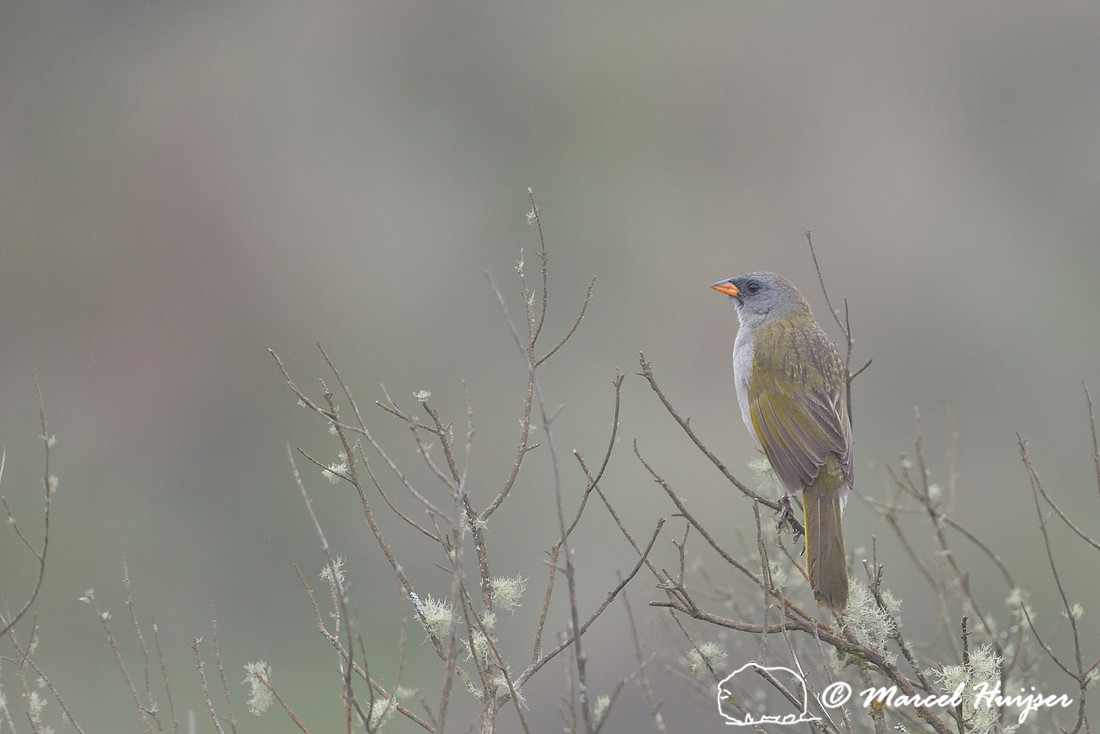
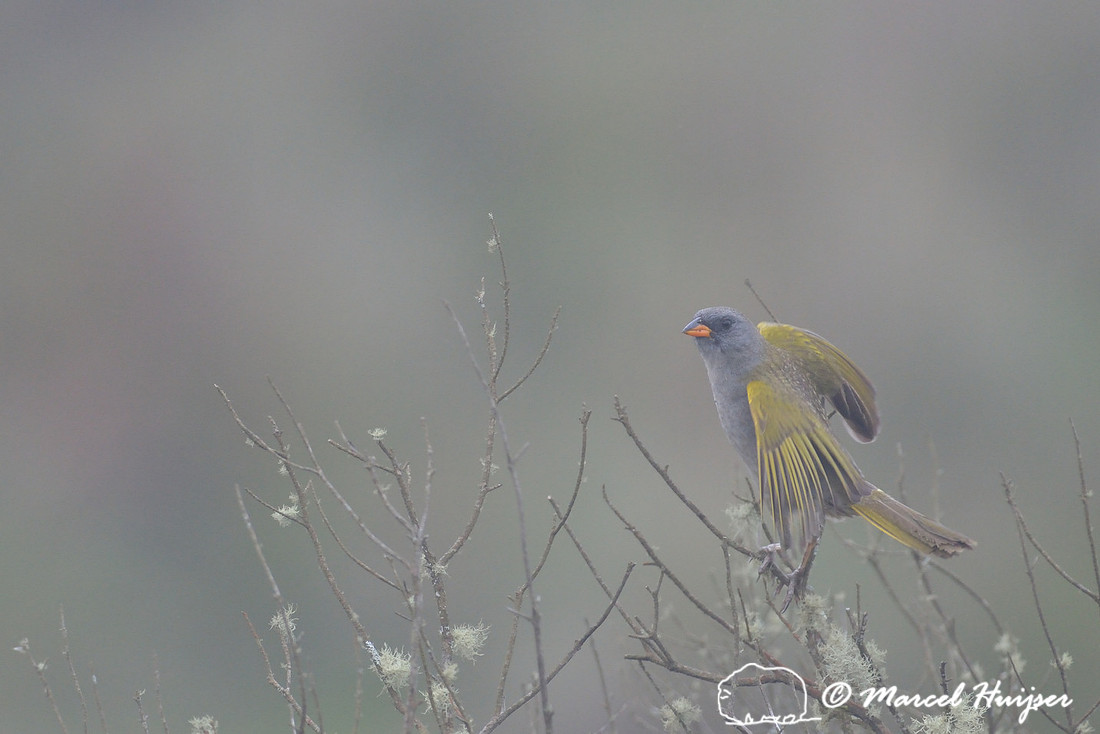
Brazilian birds: Pampa finch (Embernagra platensis), Parque Nacional Aparados da Serra, Rio Grande do Sul, Brazil.

Click here for more images of Parque Nacional de Aparados da Serra.

Some large format prints (limited edition) are now for sale at Freshwater Studio & Gallery in Missoula, Montana.

Like Marcel Huijser Photography on Facebook

All content © 2015 Marcel Huijser
Pampa finch (Embernagra platensis), Parque Nacional Aparados da Serra, Rio Grande do Sul, BrazilPampa finch (Embernagra platensis), Parque Nacional Aparados da Serra, Rio Grande do Sul, BrazilPampa finch (Embernagra platensis), Parque Nacional Aparados da Serra, Rio Grande do Sul, Brazil Pampa finch (Embernagra platensis), Parque Nacional Aparados da Serra, Rio Grande do Sul, BrazilPampa finch (Embernagra platensis), Parque Nacional Aparados da Serra, Rio Grande do Sul, BrazilPampa finch (Embernagra platensis), Parque Nacional Aparados da Serra, Rio Grande do Sul, Brazil


Road ecology blog: Molina’s hog-nosed skunk roadkill, Rio Grande do Sul, Brazil

February 12, 2015  •  Leave a Comment

Road ecology blog: Molina’s hog-nosed skunk (Conepatus chinga) roadkill, BR-101, 5.4 km south of Capivari do Sil, Rio Grande do Sul, Brazil.

Click here for other images of animals that were killed by cars.

Click here for other images of animals alive on or near roads.

Some large format prints (limited edition) are now for sale at Freshwater Studio & Gallery in Missoula, Montana.

Like Marcel Huijser Photography on Facebook

All content © 2015 Marcel Huijser
 

Molina’s hog-nosed skunk (Conepatus chinga) roadkill, BR-101, 5.4 km south of Capivari do Sil, Rio Grande do Sul, BrazilMolina’s hog-nosed skunk (Conepatus chinga) roadkill, BR-101, 5.4 km south of Capivari do Sil, Rio Grande do Sul, BrazilMolina’s hog-nosed skunk (Conepatus chinga) roadkill, BR-101, 5.4 km south of Capivari do Sil, Rio Grande do Sul, Brazil Molina’s hog-nosed skunk (Conepatus chinga) roadkill, BR-101, 5.4 km south of Capivari do Sil, Rio Grande do Sul, BrazilMolina’s hog-nosed skunk (Conepatus chinga) roadkill, BR-101, 5.4 km south of Capivari do Sil, Rio Grande do Sul, BrazilMolina’s hog-nosed skunk (Conepatus chinga) roadkill, BR-101, 5.4 km south of Capivari do Sil, Rio Grande do Sul, Brazil Molina’s hog-nosed skunk (Conepatus chinga) roadkill, BR-101, 5.4 km south of Capivari do Sil, Rio Grande do Sul, BrazilMolina’s hog-nosed skunk (Conepatus chinga) roadkill, BR-101, 5.4 km south of Capivari do Sil, Rio Grande do Sul, BrazilMolina’s hog-nosed skunk (Conepatus chinga) roadkill, BR-101, 5.4 km south of Capivari do Sil, Rio Grande do Sul, Brazil Molina’s hog-nosed skunk (Conepatus chinga) roadkill, BR-101, 5.4 km south of Capivari do Sil, Rio Grande do Sul, BrazilMolina’s hog-nosed skunk (Conepatus chinga) roadkill, BR-101, 5.4 km south of Capivari do Sil, Rio Grande do Sul, BrazilMolina’s hog-nosed skunk (Conepatus chinga) roadkill, BR-101, 5.4 km south of Capivari do Sil, Rio Grande do Sul, Brazil Molina’s hog-nosed skunk (Conepatus chinga) roadkill, BR-101, 5.4 km south of Capivari do Sil, Rio Grande do Sul, BrazilMolina’s hog-nosed skunk (Conepatus chinga) roadkill, BR-101, 5.4 km south of Capivari do Sil, Rio Grande do Sul, BrazilMolina’s hog-nosed skunk (Conepatus chinga) roadkill, BR-101, 5.4 km south of Capivari do Sil, Rio Grande do Sul, Brazil Molina’s hog-nosed skunk (Conepatus chinga) roadkill, BR-101, 5.4 km south of Capivari do Sil, Rio Grande do Sul, BrazilMolina’s hog-nosed skunk (Conepatus chinga) roadkill, BR-101, 5.4 km south of Capivari do Sil, Rio Grande do Sul, BrazilMolina’s hog-nosed skunk (Conepatus chinga) roadkill, BR-101, 5.4 km south of Capivari do Sil, Rio Grande do Sul, Brazil Molina’s hog-nosed skunk (Conepatus chinga) roadkill, BR-101, 5.4 km south of Capivari do Sil, Rio Grande do Sul, BrazilMolina’s hog-nosed skunk (Conepatus chinga) roadkill, BR-101, 5.4 km south of Capivari do Sil, Rio Grande do Sul, BrazilMolina’s hog-nosed skunk (Conepatus chinga) roadkill, BR-101, 5.4 km south of Capivari do Sil, Rio Grande do Sul, Brazil


Brazilian birds: Chilean flamingo, Lagoa do Peixe, Rio Grande do Sul, Brazil

February 11, 2015  •  Leave a Comment

Brazilian birds: Chilean flamingo (Phoenicopterus chilensis), Lagoa do Peixe, Rio Grande do Sul, Brazil. Near threatened (IUCN, 2015).

Click here for more images of Parque Nacional da Lagoa do Peixe.

Some large format prints (limited edition) are now for sale at Freshwater Studio & Gallery in Missoula, Montana.

Like Marcel Huijser Photography on Facebook

All content © 2015 Marcel Huijser

Chilean flamingo (Phoenicopterus chilensis), Lagoa do Peixe, Rio Grande do Sul, BrazilChilean flamingo (Phoenicopterus chilensis), Lagoa do Peixe, Rio Grande do Sul, BrazilChilean flamingo (Phoenicopterus chilensis), Lagoa do Peixe, Rio Grande do Sul, Brazil. Near threatened (IUCN, 2015)


Road ecology blog: Giant wood-rail roadkill, RS-040, Rio Grande do Sul, Brazil

February 11, 2015  •  Leave a Comment

Road ecology blog: Giant wood-rail (Aramides ypecaha) roadkill, RS-040, near Capivari do Sul, Rio Grande do Sul, Brazil.

Click here for other images of animals that were killed by cars.

Click here for other images of animals alive on or near roads.

Some large format prints (limited edition) are now for sale at Freshwater Studio & Gallery in Missoula, Montana.

Like Marcel Huijser Photography on Facebook

All content © 2015 Marcel Huijser

Giant wood-rail (Aramides ypecaha) roadkill, RS-040, near Capivari do Sul, Rio Grande do Sul, BrazilGiant wood-rail (Aramides ypecaha) roadkill, RS-040, near Capivari do Sul, Rio Grande do Sul, BrazilGiant wood-rail (Aramides ypecaha) roadkill, RS-040, near Capivari do Sul, Rio Grande do Sul, Brazil Giant wood-rail (Aramides ypecaha) roadkill, RS-040, near Capivari do Sul, Rio Grande do Sul, BrazilGiant wood-rail (Aramides ypecaha) roadkill, RS-040, near Capivari do Sul, Rio Grande do Sul, BrazilGiant wood-rail (Aramides ypecaha) roadkill, RS-040, near Capivari do Sul, Rio Grande do Sul, Brazil


Birding near Mostardas, Rio Grande do Sul, Brazil

February 10, 2015  •  Leave a Comment

Birding near Mostardas, in and around Lagoa do Peixe National Park, Rio Grande do Sul, Brazil.

Image below: right to left: Diogenes Borges Machado, Fernanda Zimmermann Teixeira, Bethanie Walder, Paula Pinheiro, Larissa Oliveira Gonçalves, and Gabriela Shuck.

Birding near Mostardas, Rio Grande do Sul, Brazil  (right to left Diogenes Borges Machado, Fernanda Zimmermann Teixeira, Bethanie Walder, Paula Pinheiro, Larissa Oliveira Gonçalves, and Gabriela ShuckBirding near Mostardas, Rio Grande do Sul, Brazil (right to left Diogenes Borges Machado, Fernanda Zimmermann Teixeira, Bethanie Walder, Paula Pinheiro, Larissa Oliveira Gonçalves, and Gabriela ShuckBirding near Mostardas, Rio Grande do Sul, Brazil (right to left Diogenes Borges Machado, Fernanda Zimmermann Teixeira, Bethanie Walder, Paula Pinheiro, Larissa Oliveira Gonçalves, and Gabriela Shuck

Image below: Maguari stork (Ciconia maguari), Lagoa do Peixe, near Mostardas, Rio Grande do Sul, Brazil.

Maguari stork (Ciconia maguari), Lagoa do Peixe, near Mostardas, Rio Grande do Sul, BrazilMaguari stork (Ciconia maguari), Lagoa do Peixe, near Mostardas, Rio Grande do Sul, BrazilMaguari stork (Ciconia maguari), Lagoa do Peixe, near Mostardas, Rio Grande do Sul, Brazil

Image below: Southern screamer (Chauna torquata), Lagoa do Peixe, near Mostardas, Rio Grande do Sul, Brazil.

Southern screamer (Chauna torquata), Lagoa do Peixe, near Mostardas, Rio Grande do Sul, BrazilSouthern screamer (Chauna torquata), Lagoa do Peixe, near Mostardas, Rio Grande do Sul, BrazilSouthern screamer (Chauna torquata), Lagoa do Peixe, near Mostardas, Rio Grande do Sul, Brazil

Images below: American oystercatcher (Haematopus palliatus), coast at Lagoa do Peixe, Rio Grande do Sul, Brazil.

American oystercatcher (Haematopus palliatus), coast at Lagoa do Peixe, Rio Grande do Sul, BrazilAmerican oystercatcher (Haematopus palliatus), coast at Lagoa do Peixe, Rio Grande do Sul, BrazilAmerican oystercatcher (Haematopus palliatus), coast at Lagoa do Peixe, Rio Grande do Sul, Brazil American oystercatcher (Haematopus palliatus), coast at Lagoa do Peixe, Rio Grande do Sul, BrazilAmerican oystercatcher (Haematopus palliatus), coast at Lagoa do Peixe, Rio Grande do Sul, BrazilAmerican oystercatcher (Haematopus palliatus), coast at Lagoa do Peixe, Rio Grande do Sul, Brazil

Image below: Limpkin (Aramus guarauna), near Mostardas, Rio Grande do Sul, Brazil

Limpkin (Aramus guarauna), near Mostardas, Rio Grande do Sul, BrazilLimpkin (Aramus guarauna), near Mostardas, Rio Grande do Sul, BrazilLimpkin (Aramus guarauna), near Mostardas, Rio Grande do Sul, Brazil

Images below: Long-winged harrier (Circus buffoni), Lagoa do Peixe, near Mostardas, Rio Grande do Sul, Brazil

Long-winged harrier (Circus buffoni), Lagoa do Peixe, near Mostardas, Rio Grande do Sul, BrazilLong-winged harrier (Circus buffoni), Lagoa do Peixe, near Mostardas, Rio Grande do Sul, BrazilLong-winged harrier (Circus buffoni), Lagoa do Peixe, near Mostardas, Rio Grande do Sul, Brazil Long-winged harrier (Circus buffoni), Lagoa do Peixe, near Mostardas, Rio Grande do Sul, BrazilLong-winged harrier (Circus buffoni), Lagoa do Peixe, near Mostardas, Rio Grande do Sul, BrazilLong-winged harrier (Circus buffoni), Lagoa do Peixe, near Mostardas, Rio Grande do Sul, Brazil

Image below: Southern lapwing (Vanellus chilensis), Lagoa de Peixe, Rio Grande do Sul, Brazil.

Southern lapwing (Vanellus chilensis), Lagoa de Peixe, Rio Grande do Sul, BrazilSouthern lapwing (Vanellus chilensis), Lagoa de Peixe, Rio Grande do Sul, BrazilSouthern lapwing (Vanellus chilensis), Lagoa de Peixe, Rio Grande do Sul, Brazil

Image below: Snail kite (Rostrhamus sociabilis), near Mostardas, Rio Grande do Sul, Brazil.

Snail kite (Rostrhamus sociabilis), near Mostardas, Rio Grande do Sul, BrazilSnail kite (Rostrhamus sociabilis), near Mostardas, Rio Grande do Sul, BrazilSnail kite (Rostrhamus sociabilis), near Mostardas, Rio Grande do Sul, Brazil

Image below: Burrowing owl (Athene cunicularia) in sand dunes, Lagoa do Peixe, Rio Grande do Sul, Brazil.

Burrowing owl (Athene cunicularia) in sand dunes, Lagoa do Peixe, Rio Grande do Sul, BrazilBurrowing owl (Athene cunicularia) in sand dunes, Lagoa do Peixe, Rio Grande do Sul, BrazilBurrowing owl (Athene cunicularia) in sand dunes, Lagoa do Peixe, Rio Grande do Sul, Brazil

Click here for more images of Parque Nacional da Lagoa do Peixe.

Some large format prints (limited edition) are now for sale at Freshwater Studio & Gallery in Missoula, Montana.

Like Marcel Huijser Photography on Facebook

All content © 2015 Marcel Huijser


Road ecology blog: researchers at work, canopy crossing, Rio Grande do Sul, Brazil

February 10, 2015  •  Leave a Comment

With Larissa Oliveira Gonçalves, Fernanda Zimmermann Teixeira and Bethanie Walder.

Image below: All business

Larissa Oliveira Gonçalves, Fernanda Zimmermann Teixeira and Bethanie Walder at a canopy crossing, near Porto Alegre, Rio Grande do Sul, BrazilLarissa Oliveira Gonçalves, Fernanda Zimmermann Teixeira and Bethanie Walder at a canopy crossing, near Porto Alegre, Rio Grande do Sul, BrazilLarissa Oliveira Gonçalves, Fernanda Zimmermann Teixeira and Bethanie Walder at a canopy crossing, near Porto Alegre, Rio Grande do Sul, Brazil. Through the Urban Monkeys Program, six canopy crossings were installed in a neighborhood adjacent to the Lami José Lutzenberger Biological Reserve. The aim of the program is to reduce electric hazards associated with power lines and to reduce road-kills of brown howler monkeys (Alouatta guariba clamitans). The power company insulated the power lines in several places, specifically around the canopy crossings. The implementation and monitoring effort of the canopy crossings involved the local community. The following species have been observed using the structures: brown howler monkey (Alouatta guariba clamitans), white-eared opossum (Didelphis albiventris), and orange-spined hairy dwarf porcupine (Sphiggurus villosus).

Image below: Monkey business

Larissa Oliveira Gonçalves, Fernanda Zimmermann Teixeira and Bethanie Walder doing their monkey thing at a canopy crossing, near Porto Alegre, Rio Grande do Sul, BrazilLarissa Oliveira Gonçalves, Fernanda Zimmermann Teixeira and Bethanie Walder doing their monkey thing at a canopy crossing, near Porto Alegre, Rio Grande do Sul, BrazilLarissa Oliveira Gonçalves, Fernanda Zimmermann Teixeira and Bethanie Walder doing their monkey thing at a canopy crossing, near Porto Alegre, Rio Grande do Sul, Brazil. Through the Urban Monkeys Program, six canopy crossings were installed in a neighborhood adjacent to the Lami José Lutzenberger Biological Reserve. The aim of the program is to reduce electric hazards associated with power lines and to reduce road-kills of brown howler monkeys (Alouatta guariba clamitans). The power company insulated the power lines in several places, specifically around the canopy crossings. The implementation and monitoring effort of the canopy crossings involved the local community. The following species have been observed using the structures: brown howler monkey (Alouatta guariba clamitans), white-eared opossum (Didelphis albiventris), and orange-spined hairy dwarf porcupine (Sphiggurus villosus).


Road ecology blog: Canopy crossings for brown howler monkeys, Rio Grande do Sul, Brazil

February 09, 2015  •  Leave a Comment
Road ecology blog: Canopy crossings for brown howler monkeys, Rio Grande do Sul, Brazil.
 
Through the Urban Monkeys Program, power lines were insulated and six canopy crossings were installed in a neighborhood adjacent to the Lami José Lutzenberger Biological Reserve. The aim of the program is to reduce electric hazards and road-kills for brown howler monkeys (Alouatta guariba clamitans). The power company insulated the power lines in several places, especially around the canopy crossings. The implementation and monitoring effort of the canopy crossings involved the local community. The following species have been observed using the structures: brown howler monkey (Alouatta guariba clamitans), white-eared opossum (Didelphis albiventris), and orange-spined hairy dwarf porcupine (Sphiggurus villosus).
 
The research was conducted by Fernanda Zimmermann Teixeira and her colleagues at Universidade Federal do Rio Grande do Sul. For more information see Fernanda Zimmermann Teixeira et al. 2013. Canopy bridges as road overpasses for wildlife in urban fragmented landscapes. Biota Neotrop., 3(1): 117-123.
 
Image below: Fernanda Zimmermann Teixeira discusses canopy crossings with Bethanie Walder, near Porto Alegre, Rio Grande do Sul, Brazil.
 
Fernanda Zimmermann Teixeira discusses canopy crossings with Bethanie Walder, near Porto Alegre, Rio Grande do Sul, BrazilFernanda Zimmermann Teixeira discusses canopy crossings with Bethanie Walder, near Porto Alegre, Rio Grande do Sul, BrazilFernanda Zimmermann Teixeira discusses canopy crossings with Bethanie Walder, near Porto Alegre, Rio Grande do Sul, Brazil. Through the Urban Monkeys Program, six canopy crossings were installed in a neighborhood adjacent to the Lami José Lutzenberger Biological Reserve. The aim of the program is to reduce electric hazards associated with power lines and to reduce road-kills of brown howler monkeys (Alouatta guariba clamitans). The power company insulated the power lines in several places, specifically around the canopy crossings. The implementation and monitoring effort of the canopy crossings involved the local community. The following species have been observed using the structures: brown howler monkey (Alouatta guariba clamitans), white-eared opossum (Didelphis albiventris), and orange-spined hairy dwarf porcupine (Sphiggurus villosus). Canopy crossing for brown howler monkeys (Alouatta guariba clamitans), near Porto Alegre, Rio Grande do Sul, BrazilCanopy crossing for brown howler monkeys (Alouatta guariba clamitans), near Porto Alegre, Rio Grande do Sul, BrazilCanopy crossing for brown howler monkeys (Alouatta guariba clamitans), near Porto Alegre, Rio Grande do Sul, Brazil. Through the Urban Monkeys Program, six canopy crossings were installed in a neighborhood adjacent to the Lami José Lutzenberger Biological Reserve. The aim of the program is to reduce electric hazards associated with power lines and to reduce road-kills of brown howler monkeys (Alouatta guariba clamitans). The power company insulated the power lines in several places, specifically around the canopy crossings. The implementation and monitoring effort of the canopy crossings involved the local community. The following species have been observed using the structures: brown howler monkey (Alouatta guariba clamitans), white-eared opossum (Didelphis albiventris), and orange-spined hairy dwarf porcupine (Sphiggurus villosus). Canopy crossing for brown howler monkeys (Alouatta guariba clamitans), near Porto Alegre, Rio Grande do Sul, BrazilCanopy crossing for brown howler monkeys (Alouatta guariba clamitans), near Porto Alegre, Rio Grande do Sul, BrazilCanopy crossing for brown howler monkeys (Alouatta guariba clamitans), near Porto Alegre, Rio Grande do Sul, Brazil. Through the Urban Monkeys Program, six canopy crossings were installed in a neighborhood adjacent to the Lami José Lutzenberger Biological Reserve. The aim of the program is to reduce electric hazards associated with power lines and to reduce road-kills of brown howler monkeys (Alouatta guariba clamitans). The power company insulated the power lines in several places, specifically around the canopy crossings. The implementation and monitoring effort of the canopy crossings involved the local community. The following species have been observed using the structures: brown howler monkey (Alouatta guariba clamitans), white-eared opossum (Didelphis albiventris), and orange-spined hairy dwarf porcupine (Sphiggurus villosus). Canopy crossing for brown howler monkeys (Alouatta guariba clamitans), near Porto Alegre, Rio Grande do Sul, BrazilCanopy crossing for brown howler monkeys (Alouatta guariba clamitans), near Porto Alegre, Rio Grande do Sul, BrazilCanopy crossing for brown howler monkeys (Alouatta guariba clamitans), near Porto Alegre, Rio Grande do Sul, Brazil. Through the Urban Monkeys Program, six canopy crossings were installed in a neighborhood adjacent to the Lami José Lutzenberger Biological Reserve. The aim of the program is to reduce electric hazards associated with power lines and to reduce road-kills of brown howler monkeys (Alouatta guariba clamitans). The power company insulated the power lines in several places, specifically around the canopy crossings. The implementation and monitoring effort of the canopy crossings involved the local community. The following species have been observed using the structures: brown howler monkey (Alouatta guariba clamitans), white-eared opossum (Didelphis albiventris), and orange-spined hairy dwarf porcupine (Sphiggurus villosus).


Canopy crossing for brown howler monkeys (Alouatta guariba clamitans), near Porto Alegre, Rio Grande do Sul, BrazilCanopy crossing for brown howler monkeys (Alouatta guariba clamitans), near Porto Alegre, Rio Grande do Sul, BrazilCanopy crossing for brown howler monkeys (Alouatta guariba clamitans), near Porto Alegre, Rio Grande do Sul, Brazil. Through the Urban Monkeys Program, six canopy crossings were installed in a neighborhood adjacent to the Lami José Lutzenberger Biological Reserve. The aim of the program is to reduce electric hazards associated with power lines and to reduce road-kills of brown howler monkeys (Alouatta guariba clamitans). The power company insulated the power lines in several places, specifically around the canopy crossings. The implementation and monitoring effort of the canopy crossings involved the local community. The following species have been observed using the structures: brown howler monkey (Alouatta guariba clamitans), white-eared opossum (Didelphis albiventris), and orange-spined hairy dwarf porcupine (Sphiggurus villosus).
 
 
Image below: Insulated power lines at a canopy crossing for brown howler monkeys (Alouatta guariba clamitans), near Porto Alegre, Rio Grande do Sul, Brazil
Insulated power lines at a canopy crossing for brown howler monkeys (Alouatta guariba clamitans), near Porto Alegre, Rio Grande do Sul, BrazilInsulated power lines at a canopy crossing for brown howler monkeys (Alouatta guariba clamitans), near Porto Alegre, Rio Grande do Sul, BrazilInsulated power lines at a canopy crossing for brown howler monkeys (Alouatta guariba clamitans), near Porto Alegre, Rio Grande do Sul, Brazil. Through the Urban Monkeys Program, six canopy crossings were installed in a neighborhood adjacent to the Lami José Lutzenberger Biological Reserve. The aim of the program is to reduce electric hazards associated with power lines and to reduce road-kills of brown howler monkeys (Alouatta guariba clamitans). The power company insulated the power lines in several places, specifically around the canopy crossings. The implementation and monitoring effort of the canopy crossings involved the local community. The following species have been observed using the structures: brown howler monkey (Alouatta guariba clamitans), white-eared opossum (Didelphis albiventris), and orange-spined hairy dwarf porcupine (Sphiggurus villosus). Canopy crossing for brown howler monkeys (Alouatta guariba clamitans), near Porto Alegre, Rio Grande do Sul, BrazilCanopy crossing for brown howler monkeys (Alouatta guariba clamitans), near Porto Alegre, Rio Grande do Sul, BrazilCanopy crossing for brown howler monkeys (Alouatta guariba clamitans), near Porto Alegre, Rio Grande do Sul, Brazil. Through the Urban Monkeys Program, six canopy crossings were installed in a neighborhood adjacent to the Lami José Lutzenberger Biological Reserve. The aim of the program is to reduce electric hazards associated with power lines and to reduce road-kills of brown howler monkeys (Alouatta guariba clamitans). The power company insulated the power lines in several places, specifically around the canopy crossings. The implementation and monitoring effort of the canopy crossings involved the local community. The following species have been observed using the structures: brown howler monkey (Alouatta guariba clamitans), white-eared opossum (Didelphis albiventris), and orange-spined hairy dwarf porcupine (Sphiggurus villosus). Canopy crossing for brown howler monkeys (Alouatta guariba clamitans), near Porto Alegre, Rio Grande do Sul, BrazilCanopy crossing for brown howler monkeys (Alouatta guariba clamitans), near Porto Alegre, Rio Grande do Sul, BrazilCanopy crossing for brown howler monkeys (Alouatta guariba clamitans), near Porto Alegre, Rio Grande do Sul, Brazil. Through the Urban Monkeys Program, six canopy crossings were installed in a neighborhood adjacent to the Lami José Lutzenberger Biological Reserve. The aim of the program is to reduce electric hazards associated with power lines and to reduce road-kills of brown howler monkeys (Alouatta guariba clamitans). The power company insulated the power lines in several places, specifically around the canopy crossings. The implementation and monitoring effort of the canopy crossings involved the local community. The following species have been observed using the structures: brown howler monkey (Alouatta guariba clamitans), white-eared opossum (Didelphis albiventris), and orange-spined hairy dwarf porcupine (Sphiggurus villosus). Canopy crossing for brown howler monkeys (Alouatta guariba clamitans), near Porto Alegre, Rio Grande do Sul, BrazilCanopy crossing for brown howler monkeys (Alouatta guariba clamitans), near Porto Alegre, Rio Grande do Sul, BrazilCanopy crossing for brown howler monkeys (Alouatta guariba clamitans), near Porto Alegre, Rio Grande do Sul, Brazil. Through the Urban Monkeys Program, six canopy crossings were installed in a neighborhood adjacent to the Lami José Lutzenberger Biological Reserve. The aim of the program is to reduce electric hazards associated with power lines and to reduce road-kills of brown howler monkeys (Alouatta guariba clamitans). The power company insulated the power lines in several places, specifically around the canopy crossings. The implementation and monitoring effort of the canopy crossings involved the local community. The following species have been observed using the structures: brown howler monkey (Alouatta guariba clamitans), white-eared opossum (Didelphis albiventris), and orange-spined hairy dwarf porcupine (Sphiggurus villosus). Canopy crossing for brown howler monkeys (Alouatta guariba clamitans), near Porto Alegre, Rio Grande do Sul, BrazilCanopy crossing for brown howler monkeys (Alouatta guariba clamitans), near Porto Alegre, Rio Grande do Sul, BrazilCanopy crossing for brown howler monkeys (Alouatta guariba clamitans), near Porto Alegre, Rio Grande do Sul, Brazil. Through the Urban Monkeys Program, six canopy crossings were installed in a neighborhood adjacent to the Lami José Lutzenberger Biological Reserve. The aim of the program is to reduce electric hazards associated with power lines and to reduce road-kills of brown howler monkeys (Alouatta guariba clamitans). The power company insulated the power lines in several places, specifically around the canopy crossings. The implementation and monitoring effort of the canopy crossings involved the local community. The following species have been observed using the structures: brown howler monkey (Alouatta guariba clamitans), white-eared opossum (Didelphis albiventris), and orange-spined hairy dwarf porcupine (Sphiggurus villosus). Canopy crossing for brown howler monkeys (Alouatta guariba clamitans), near Porto Alegre, Rio Grande do Sul, BrazilCanopy crossing for brown howler monkeys (Alouatta guariba clamitans), near Porto Alegre, Rio Grande do Sul, BrazilCanopy crossing for brown howler monkeys (Alouatta guariba clamitans), near Porto Alegre, Rio Grande do Sul, Brazil. Through the Urban Monkeys Program, six canopy crossings were installed in a neighborhood adjacent to the Lami José Lutzenberger Biological Reserve. The aim of the program is to reduce electric hazards associated with power lines and to reduce road-kills of brown howler monkeys (Alouatta guariba clamitans). The power company insulated the power lines in several places, specifically around the canopy crossings. The implementation and monitoring effort of the canopy crossings involved the local community. The following species have been observed using the structures: brown howler monkey (Alouatta guariba clamitans), white-eared opossum (Didelphis albiventris), and orange-spined hairy dwarf porcupine (Sphiggurus villosus).
 

Click here for more images of canopy crossings.

Some large format prints (limited edition) are now for sale at Freshwater Studio & Gallery in Missoula, Montana.

Like Marcel Huijser Photography on Facebook

All content © 2015 Marcel Huijser


Brazilian birds: Cocoi heron, South Atlantic Ocean at Lagoa do Peixe, Rio Grande do Sul

February 09, 2015  •  Leave a Comment

Brazilian birds: Cocoi heron (Ardea cocoi), South Atlantic Ocean coast at Lagoa do Peixe, Rio Grande do Sul, Brazil. Interesting to see this heron foraging on the coast with waves crashing... I normally think of them foraging in calmer fresh water or brackish water...

Click here for more images of Parque Nacional da Lagoa do Peixe.

Some large format prints (limited edition) are now for sale at Freshwater Studio & Gallery in Missoula, Montana.

Like Marcel Huijser Photography on Facebook

All content © 2015 Marcel Huijser
 

Cocoi heron (Ardea cocoi), South Atlantic Ocean coast at  Lagoa do Peixe, Rio Grande do Sul, BrazilCocoi heron (Ardea cocoi), South Atlantic Ocean coast at Lagoa do Peixe, Rio Grande do Sul, BrazilCocoi heron (Ardea cocoi), South Atlantic Ocean coast at Lagoa do Peixe, Rio Grande do Sul, Brazil Cocoi heron (Ardea cocoi), South Atlantic Ocean coast at  Lagoa do Peixe, Rio Grande do Sul, BrazilCocoi heron (Ardea cocoi), South Atlantic Ocean coast at Lagoa do Peixe, Rio Grande do Sul, BrazilCocoi heron (Ardea cocoi), South Atlantic Ocean coast at Lagoa do Peixe, Rio Grande do Sul, Brazil Cocoi heron (Ardea cocoi), South Atlantic Ocean coast at  Lagoa do Peixe, Rio Grande do Sul, BrazilCocoi heron (Ardea cocoi), South Atlantic Ocean coast at Lagoa do Peixe, Rio Grande do Sul, BrazilCocoi heron (Ardea cocoi), South Atlantic Ocean coast at Lagoa do Peixe, Rio Grande do Sul, Brazil


Brazilian pine in fog, Aparados da Serra, Rio Grande do Sul, Brazil

February 08, 2015  •  Leave a Comment

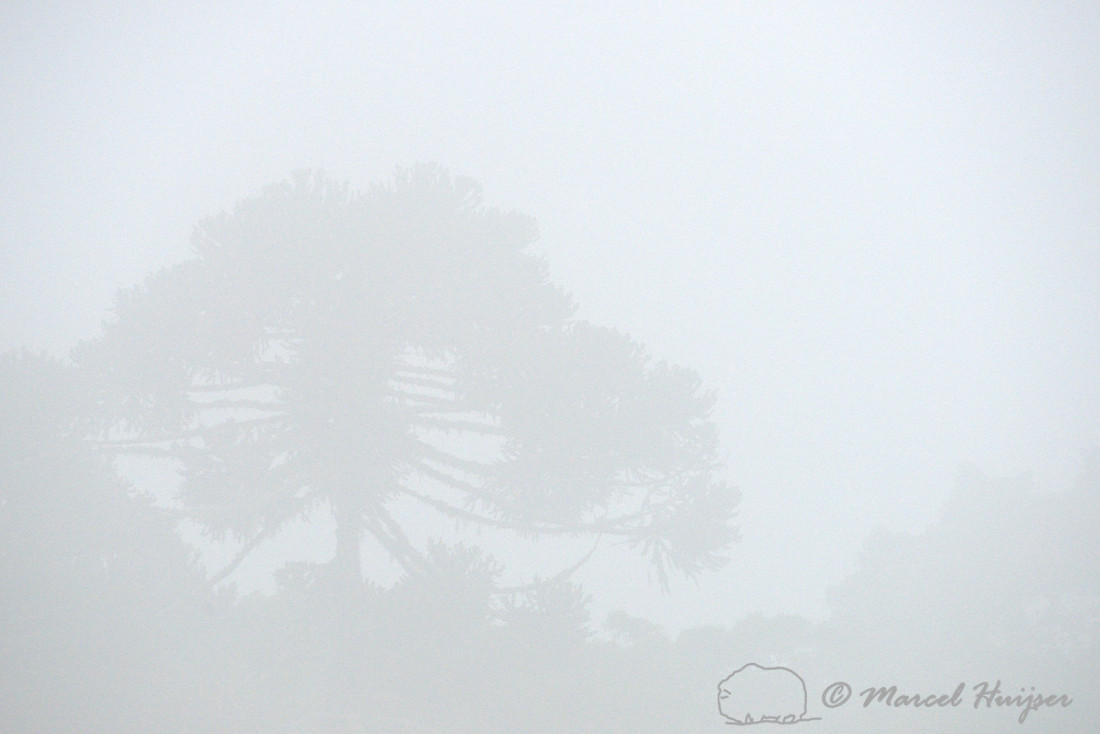
Brazilian pine (Araucaria angustifolia) in fog, Parque Nacional de Aparados da Serra, Rio Grande do Sul, Brazil

Click here for more images of Parque Nacional de Aparados da Serra.

Click here for images of pampas foxes.

Some large format prints (limited edition) are now for sale at Freshwater Studio & Gallery in Missoula, Montana.

Like Marcel Huijser Photography on Facebook

All content © 2015 Marcel Huijser

Brazilian pine (Araucaria angustifolia) in fog, Parque Nacional de Aparados da Serra, Rio Grande do Sul, BrazilBrazilian pine (Araucaria angustifolia) in fog, Parque Nacional de Aparados da Serra, Rio Grande do Sul, BrazilBrazilian pine (Araucaria angustifolia) in fog, Parque Nacional de Aparados da Serra, Rio Grande do Sul, Brazil

Brazilian pine (Araucaria angustifolia) in fog, Parque Nacional de Aparados da Serra, Rio Grande do Sul, BrazilBrazilian pine (Araucaria angustifolia) in fog, Parque Nacional de Aparados da Serra, Rio Grande do Sul, BrazilBrazilian pine (Araucaria angustifolia) in fog, Parque Nacional de Aparados da Serra, Rio Grande do Sul, Brazil


Brazilian birds: Many-colored rush tyrant, near Mostardas, Rio Grande do Sul, Brazil

February 07, 2015  •  Leave a Comment

Brazilian birds: Many-colored rush tyrant (Tachuris rubrigastra), near Mostardas, Rio Grande do Sul, Brazil.

Our friend Diogenes Borges Machado told me he knew a good place to see the many-colored rush tyrant.... he was not kidding! When we walked up to the rushes along the Lagao dos Patos we almost immediately heard and saw the bird! Absolutely spectacular colors!

Click here for more images of Parque Nacional da Lagoa do Peixe.

Some large format prints (limited edition) are now for sale at Freshwater Studio & Gallery in Missoula, Montana.

Like Marcel Huijser Photography on Facebook

All content © 2015 Marcel Huijser

Many-colored rush tyrant (Tachuris rubrigastra), near Mostardas, Rio Grande do Sul, BrazilMany-colored rush tyrant (Tachuris rubrigastra), near Mostardas, Rio Grande do Sul, BrazilMany-colored rush tyrant (Tachuris rubrigastra), near Mostardas, Rio Grande do Sul, Brazil


Tonight: First Friday Exhibit at Freshwater Studio

February 06, 2015  •  Leave a Comment

Exhibit at Freshwater Studio  

Friday 6 February 5-8 pm

Some of my images are on display at Freshwater Studio, Montana Building, 101 E Broadway in Missoula.

Join me this First Friday 6 February at Freshwater Studio 5-8 pm. Bethanie and I are back from Brazil! Stop by and say "hi", and see some cool Brazilian wildlife images on a monitor during First Friday.

Freshwater Studio is run by Bob Montgomery and the gallery hosts some really cool work by several painters and photographers. Bob is also a specialty printer and custom framer.

The gallery is located on Broadway just a few steps east from Higgins (same entrance as Bhavana).

I hope to see you there!

Freshwater Studio & Gallery, Missoula, Montana, USAFreshwater Studio & Gallery, Missoula, Montana, USAFreshwater Studio & Gallery, Missoula, Montana, USA. This gallery now hosts a selection of Marcel Huijser's images

Archive
January February (6) March April May June July August September October November December
January February March April (9) May (1) June July August September October November December
January February March April May June July August September October November December
January February March (3) April (1) May June July August September October November December
January February March April May June July August September October November December