
Marcel Huijser Photography Home
This is where I show the most recent images and talk about how they were made. The images typically relate to landscapes and wildlife, but I also blog about photos of highways and mitigation measures for wildlife or road ecology in general. Please contact me if you would like to use any of the images.
All content © Marcel Huijser
Road ecology blog: Rodoanel Norte, São Paulo, Brazil
Road ecology blog: Rodoanel Norte, São Paulo, Brazil
A few weeks ago I visited several construction sites along the Rodoanel Mário Covas, which, when completed in 2018, will create a 174 km (108 mi) long beltway around Greater São Paulo, Brazil. It has partially been completed while other parts are still under construction. The radius alone is approximately 23 km (14 mi) from the geographical center of the city, illustrating the enormity of São Paulo. It is the largest city in the Americas (North and South America), the largest city in the southern hemisphere, and the ninth largest city in the world based on its population (over 11 million people in the actual city and 20 million people in the São Paulo metropolitan area).
Image below: Construction site of the northern outer beltway (Rodoanel Norte) through former favela (slum), São Paulo, Brazil. The black walls stabilize the slopes for a tunnel currently under construction.
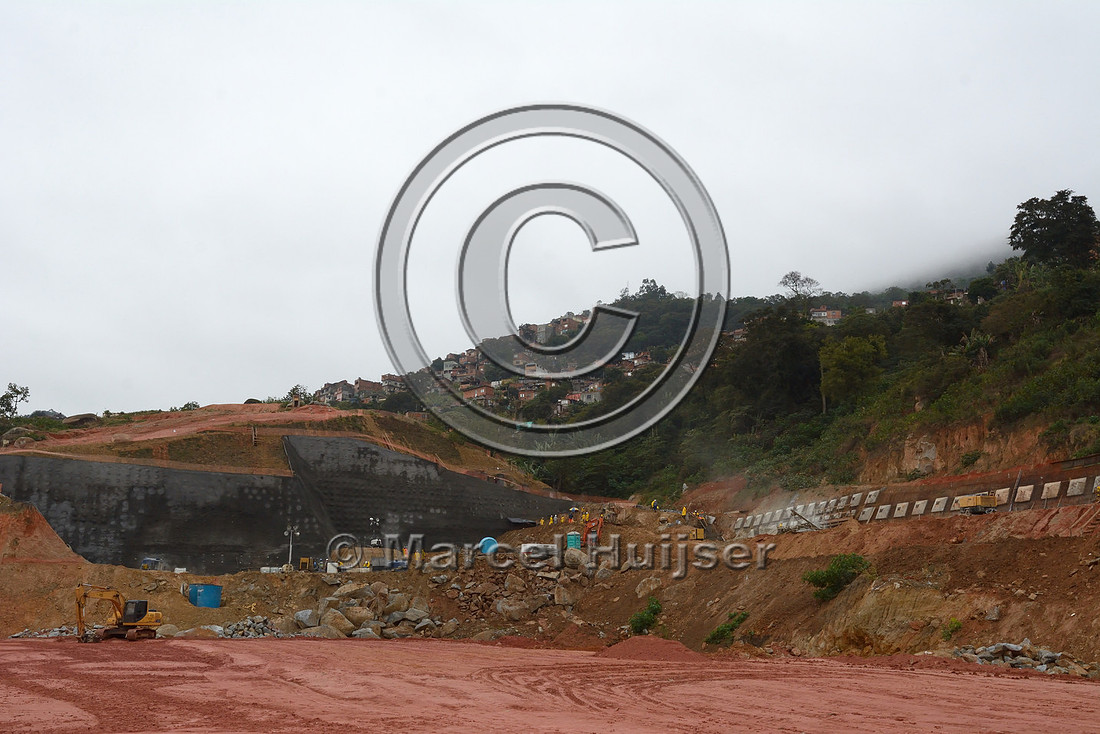

Image below: Construction site of the northern outer beltway (Rodoanel Norte) through former favela (slum), São Paulo, Brazil.
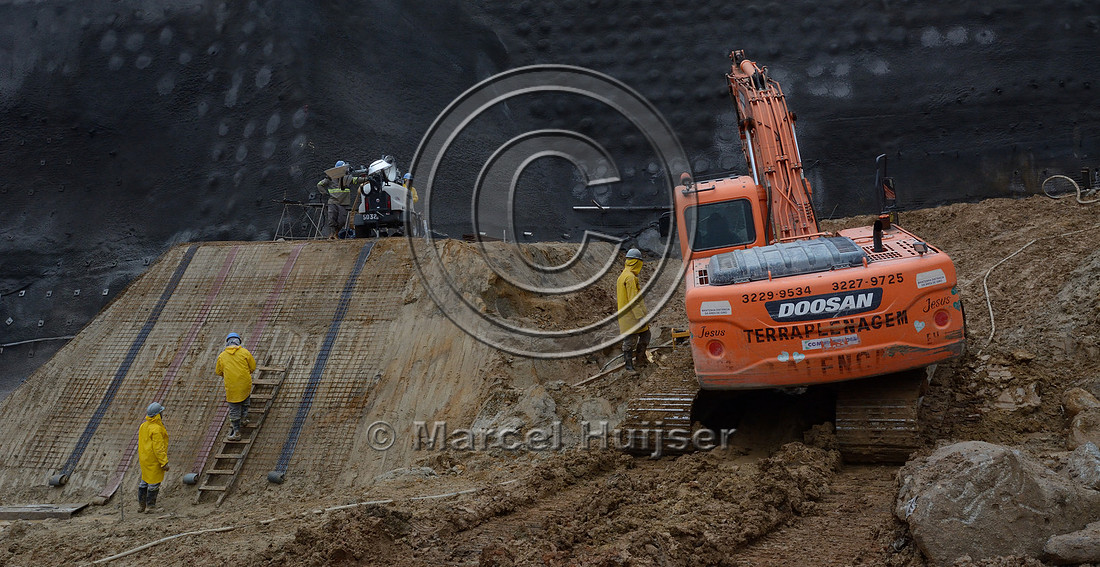
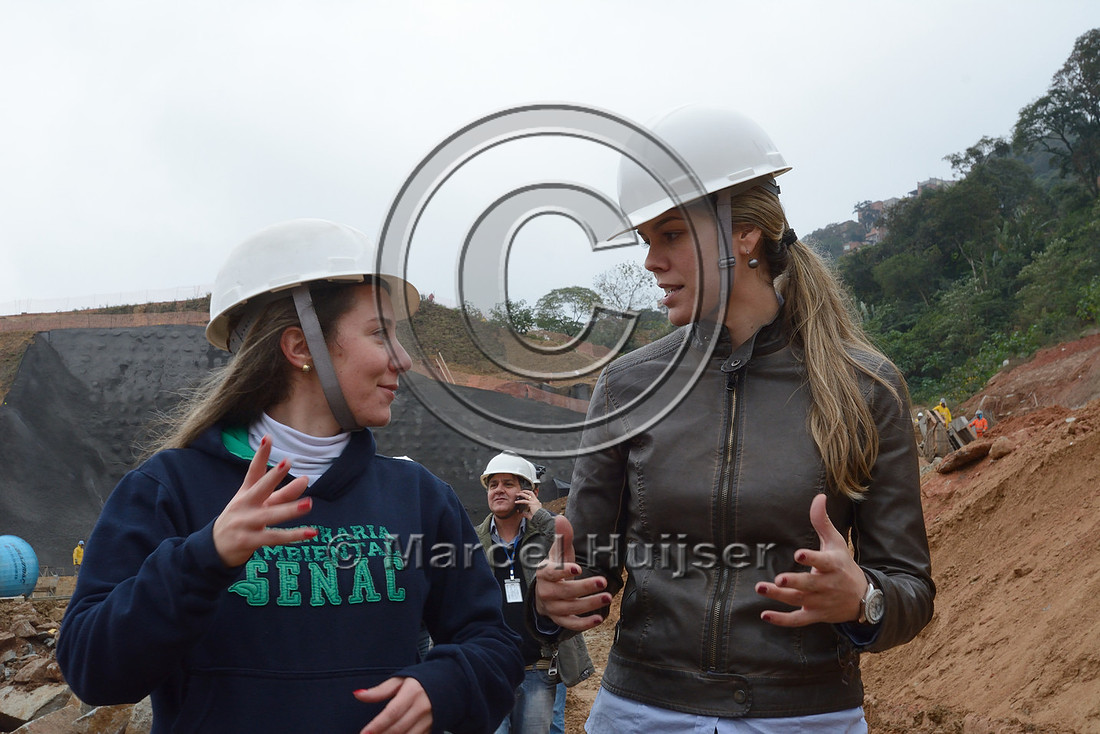
Image below: Jamille Consulin and Fernanda Abra at construction site of the northern outer beltway (Rodoanel Norte) through former favela (slum), São Paulo, Brazil.
The western section of the Rodoanel Mário Covas beltway (32 km, 2x4 lanes) was opened in 2002. The southern section (61 km) was completed in 2010. The eastern section (41 km) and the northern section (Rodoanel Norte, 42 km) are currently under construction. Rodoanel Norte is the section I visited. The outer belt way is projected to be completed by 2018. It is operated by toll road companies. Already more than 300,000 cars use the beltway every day. The cost for the Rodoanel Norte alone is estimated at US$ 3.8 billion. It includes more than 10 viaducts and 7 long tunnels (most of them 1-2 km long), some of them over or under residential areas, some of them under or over Atlantic forest.
Image below: Path cut through Atlantic forest for the northern outer beltway (Rodoanel Norte) of São Paulo, Brazil.
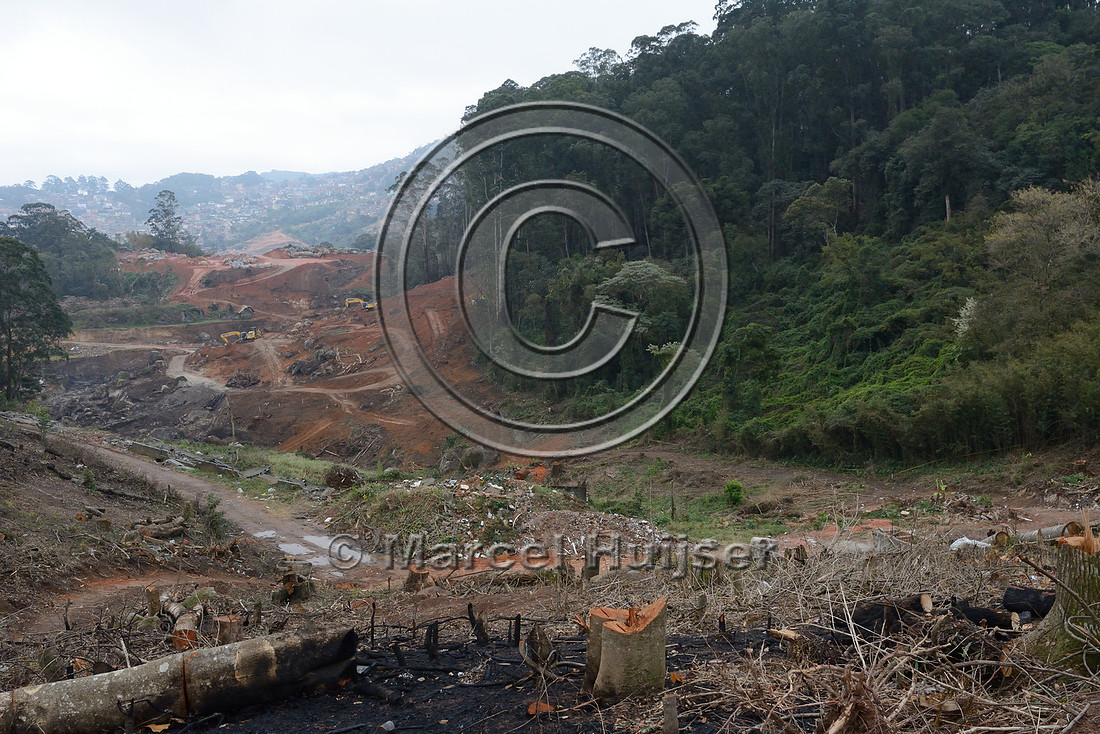
It is clear that Rodoanel Norte is a project of enormous proportions. But there are other things to consider too. The northern section is being built through residential areas and the threatened Atlantic forest adjacent to Cantareira State Park. The residential areas include illegally-constructed favelas (slums), often built on instable slopes that can be subject to landslides. This results in a complex situation, especially because the favelas have a complex social and economic structure, including criminal elements. Whole neighborhoods with many people that shouldn’t be there on paper do exist in reality. Currently, 2,500 families are presented a choice: accept about R$10,000 and leave, or accept alternative housing, typically in high-rise apartment buildings
Image below: Construction site of the northern outer beltway (Rodoanel Norte) through former favela (slum), São Paulo, Brazil.
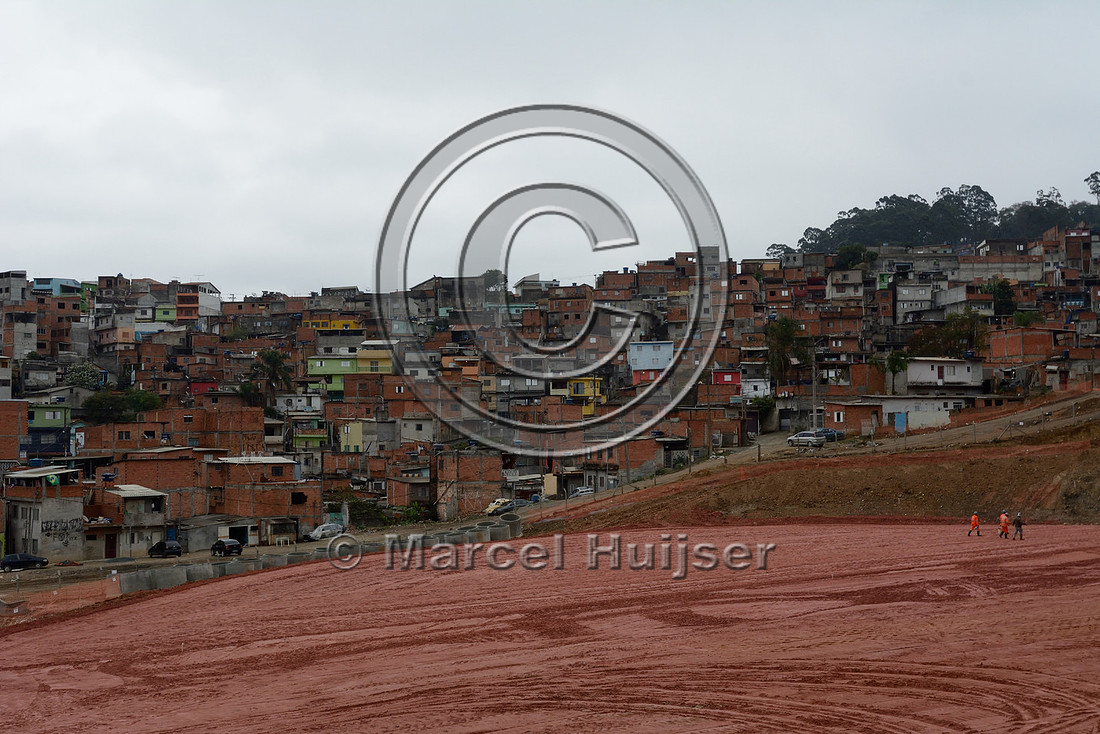
Image below: Favela with illegal houses (slum), Greater São Paulo, Brazil.
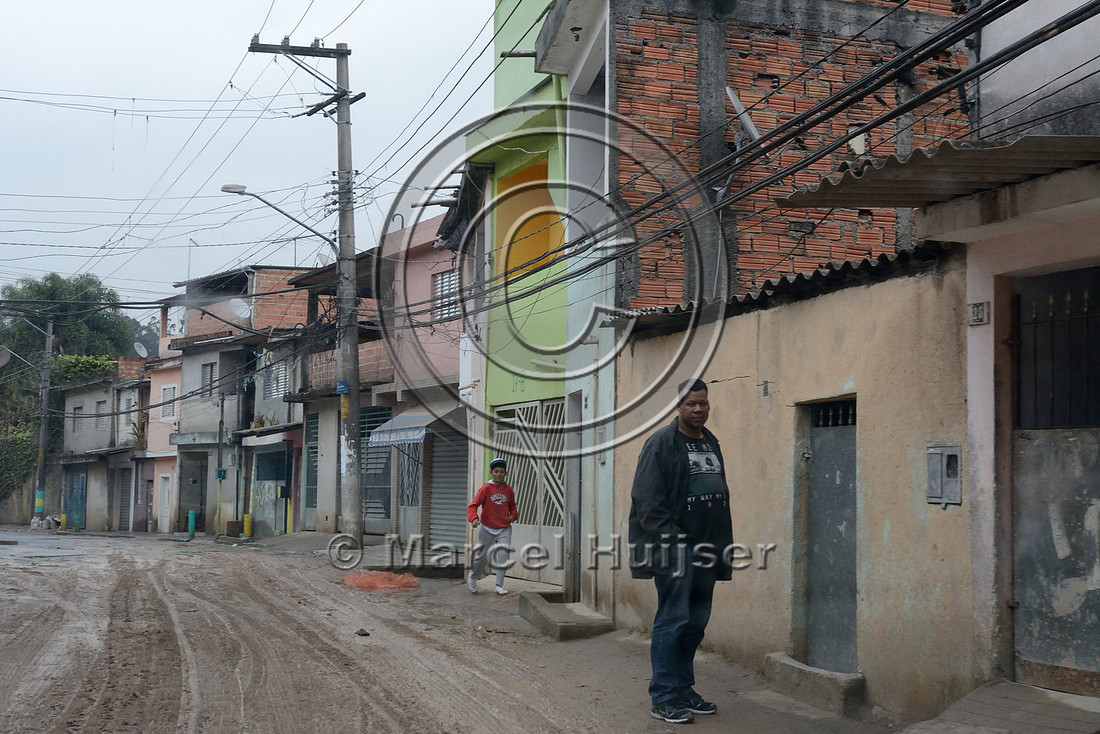
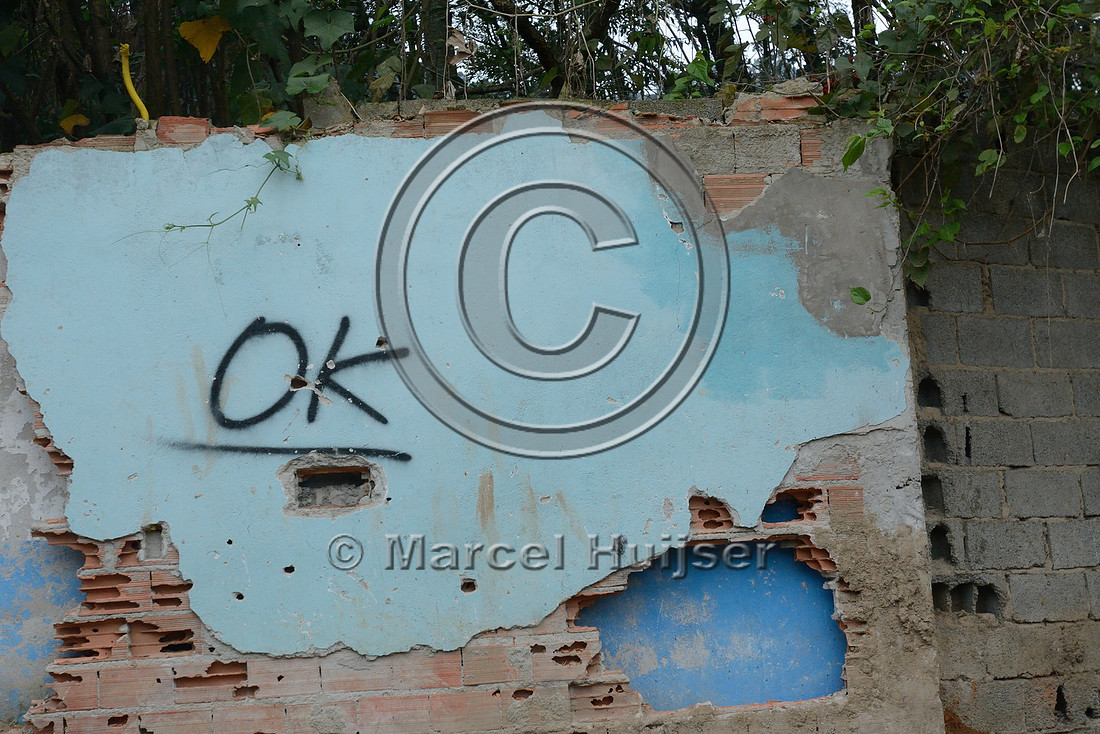
Image below: OK sign indicates the property in the favela (slum) has been purchased and can be demolished to make way for the new motorway, Greater São Paulo, Brazil
I also learned about some interesting biodiversity aspects of the construction of the Rodoanel Norte. The new highway clears another 120 hectares through a portion of the last 12% of intact Atlantic forest; the rest has already disappeared because of human impacts. The biodiversity of the Atlantic forest is enormous. About 20,000 species of plants are known to occur in the ecosystem and in some cases there are over 450 tree species present in just one hectare. About 40 percent of the forest’s vascular plants and up 60 percent of the vertebrates are endemic species (found nowhere else in the world) and many of these species are now threatened or endangered. Many other species of the Atlantic forest have become extinct already.
This threatened ecosystem warrants extreme measures to reduce further impacts, including highway construction impacts. The tunnels are mostly under ridges with Atlantic forest on top, resulting in very wide wildlife overpasses or “landscape bridges”. In addition a number of smaller and larger underpasses connect relatively small fragments of the Atlantic forest south of the highway to the larger protected areas north of the highway. But this is not what I found most surprising. I met with members of some of the teams who go out in front of the construction to remove/relocate animals and rare plants, including epiphytes (e.g. orchids and bromeliad species that grow on tree branches), from the path of the highway.
Image below; Robson Teixeira Rollo, José Ridente, Marcel Huijser, Camylla Pereira da Silva, Pedro Fernando do Rego, Servilio Mendes, Cristiano, Fernanda Abra, Reinaldo, and Lucas Borges Barbosa at path of new motorway through the Atlantic forest.
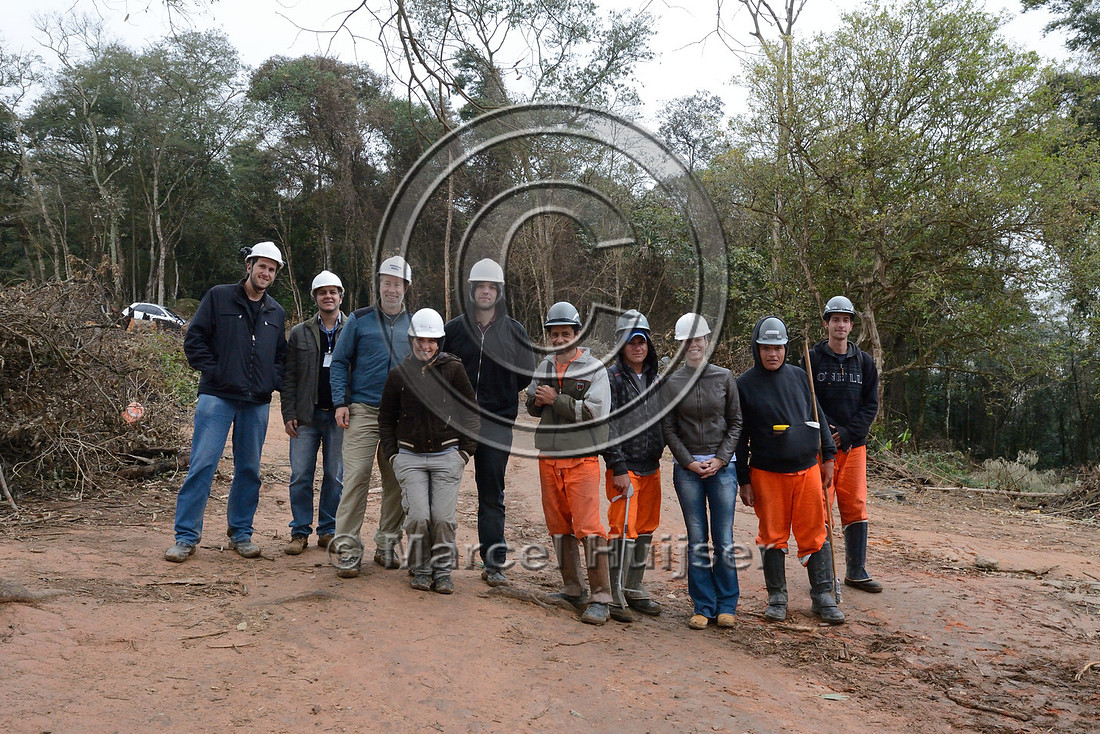
Image below: Servilio Mendes catches and removes animals and plants from the path of the new motorway Rodoanel Norte, Greater São Paulo, Brazil. Servilio and his colleague Lucas (see further down) encounter many animals up close during their work and they are excellent wildlife photographers. Check out some of their images on this facebook page!
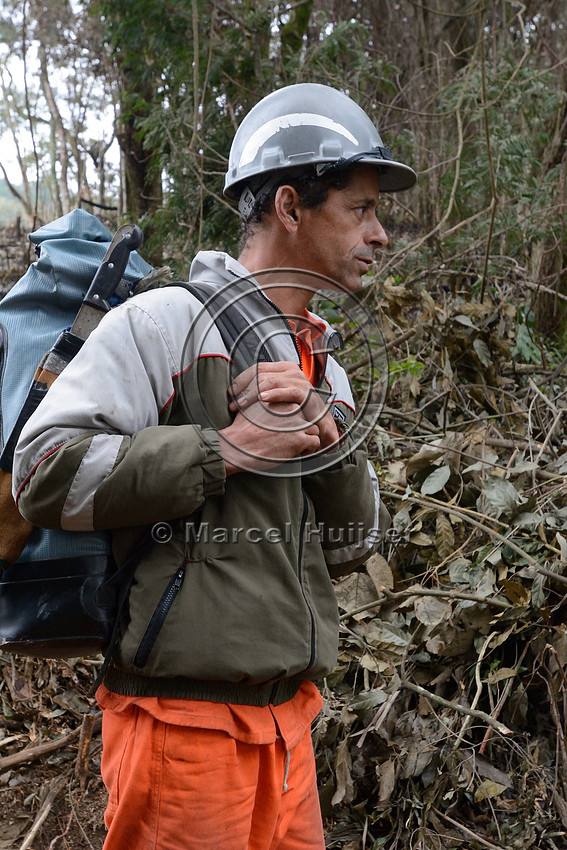
Image below: Lucas Borges Barbosa catches and removes animals and plants from the path of the new motorway Rodoanel Norte, Greater São Paulo, Brazil
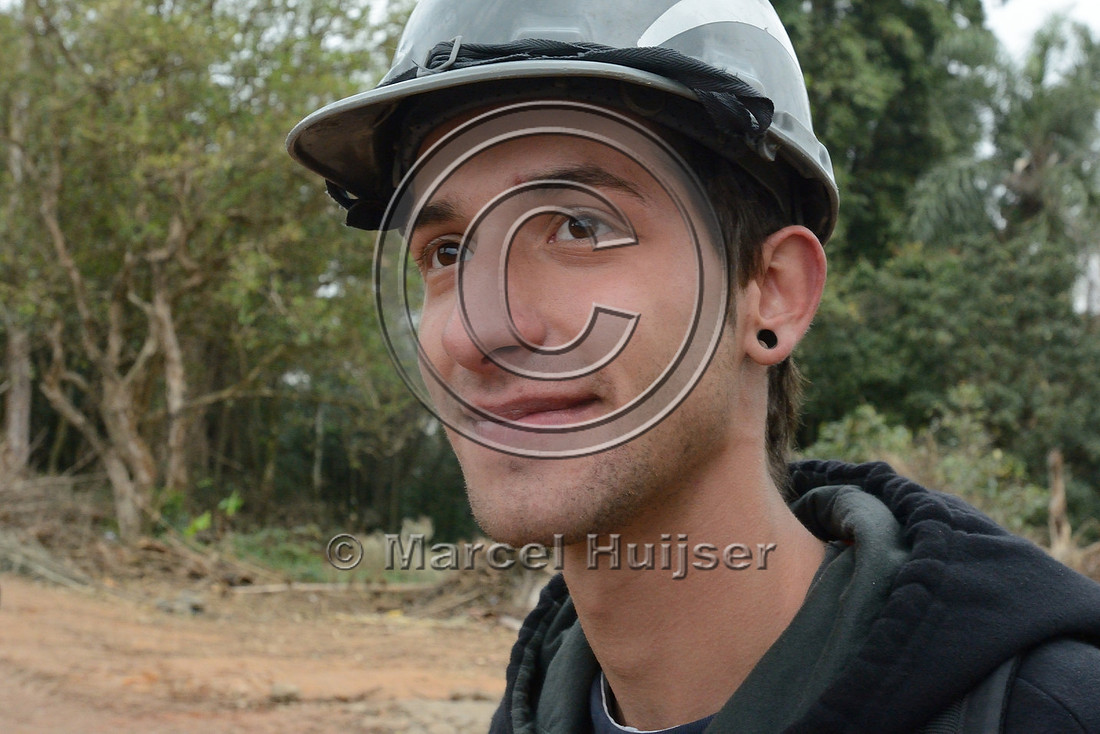
The plants are stored temporarily in a nursery, and then replanted as part of Atlantic forest restoration efforts when the weather conditions are most suitable for survival. Fast moving animals usually escape on their own as humans and machinery encroach. But the teams catch many reptiles and amphibians. These slow moving species, which make up more than 80% of the animals caught by the teams, are unlikely to successfully relocate or escape the construction on their own. They are released in the surroundings (e.g. a few hundred meters away) or in forest restoration areas. Wounded animals are treated in an animal hospital that is an integral part of the temporary buildings related to the construction. When complications arise the animals are relocated to more specialized animal clinics while dead animals are frozen and sent to universities for research and training purposes. These are extensive and relatively unique efforts but appropriate considering the substantial impacts to a highly threatened ecosystem.
Image below: Fernanda Abra, José Ridente and Jamille Consulin at a plant nursery associated with the ongoing construction of the northern outer beltway (Rodoanel Norte) of São Paulo, Brazil
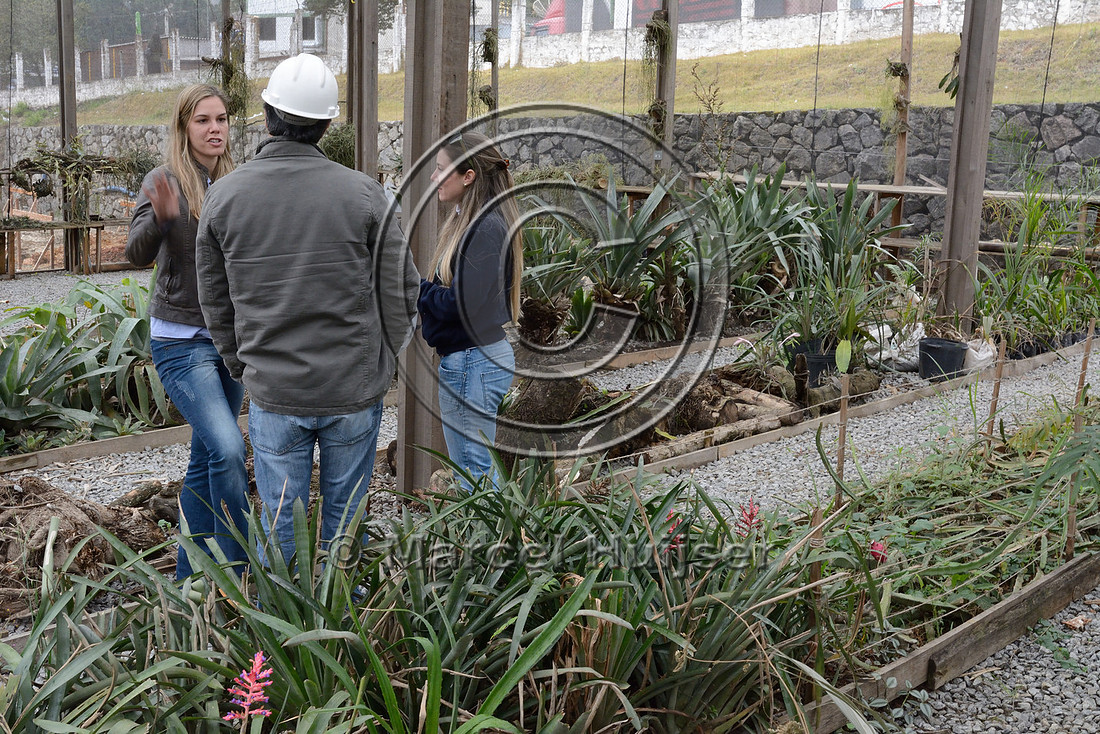
Image below: Plants, including epiphytes (e.g. ferns, orchids and bromeliad species), in a nursery at a site with construction offices and other buildings associated with the ongoing construction of the northern outer beltway (Rodoanel Norte) of São Paulo, Brazil.
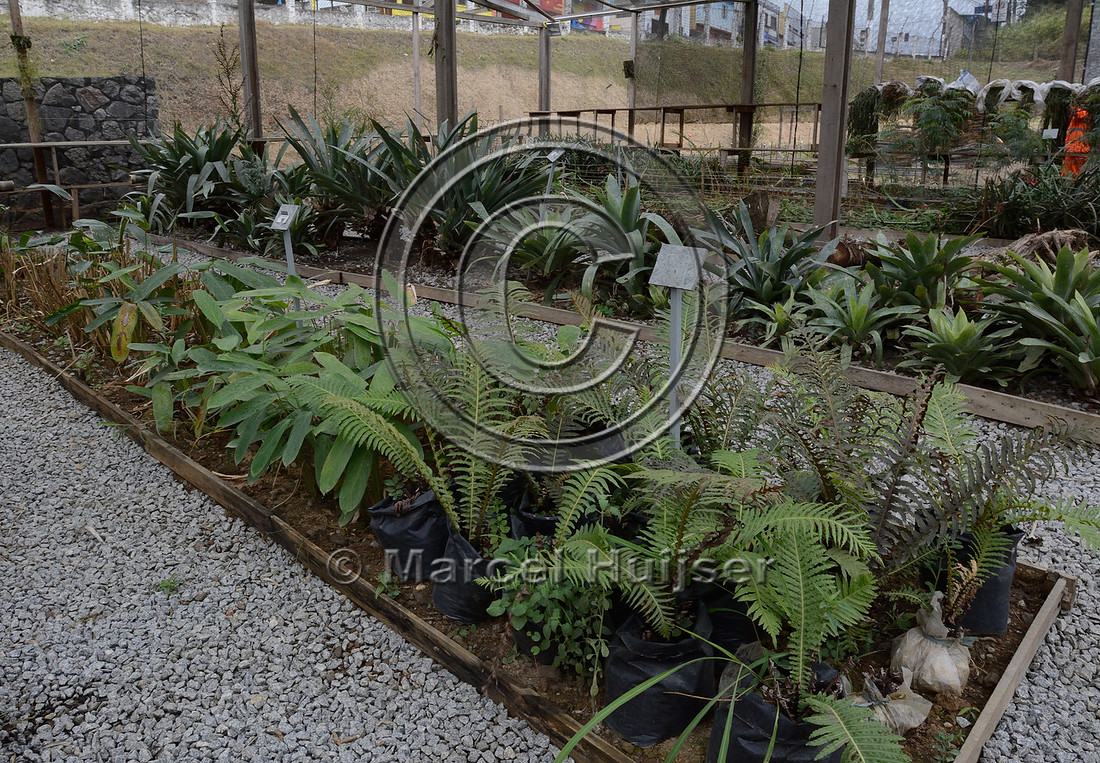
Image below: Camylla Pereira da Silva, a veterinarian, shows a frozen cameleon at a wildlife clinic associated with the ongoing construction of the northern outer beltway of São Paulo, Brazil
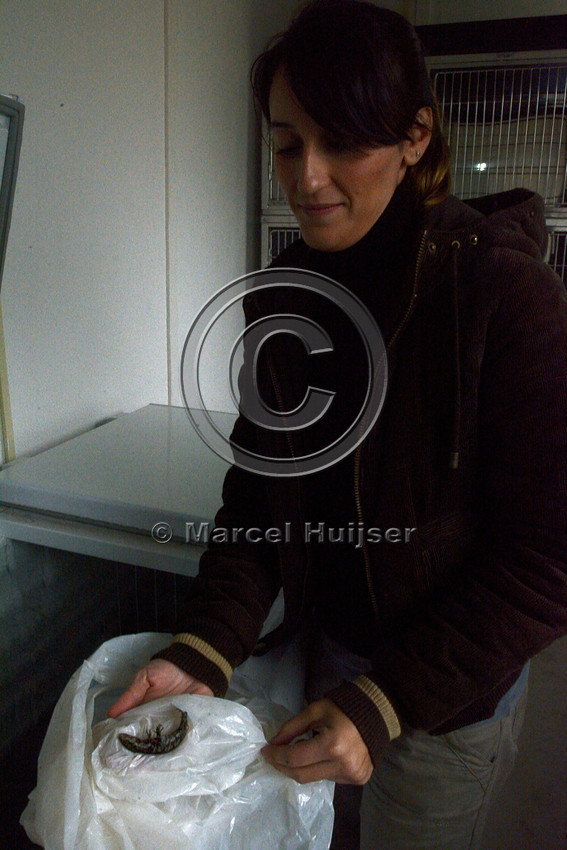
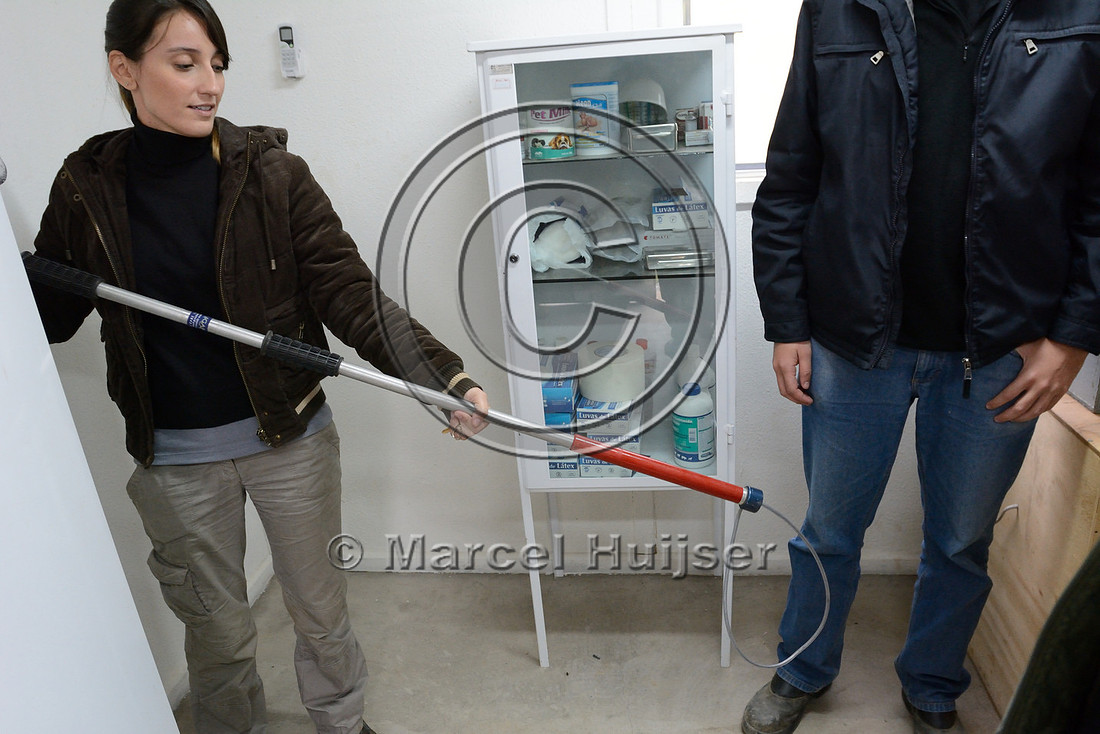
Image below: Camylla Pereira da Silva, a veterinarian, at a wildlife clinic associated with the ongoing construction of the northern outer beltway of São Paulo, Brazil
Click here to view other images of the Rodoanel Norte, São Paulo, Brazil
Some large format prints (limited edition) are now for sale at Freshwater Studio & Gallery in Missoula, Montana.
Like Marcel Huijser Photography on Facebook
All content © 2014 Marcel Huijser
Missoula has the Dirty Dash, São Paulo has Adventure Camp
Missoula has the Dirty Dash, São Paulo has Adventure Camp
We woke early on Sunday and got into nonstandard hiking clothes – a hot pink/orange race t-shirt, shorts, running shoes and socks – no long sleeves, no long pants. Teams (Marcel and I named our team “The Gringos”) are penalized for not wearing the race shirt, and/or for not having the right gear, stickers on helmets, etc. Thankfully Gambá had emergency blankets, a compass, PFDs, and bike helmets for us to borrow. Unfortunately, we didn’t bring a small day pack, so we jury-rigged some systems to carry all our gear for the day.
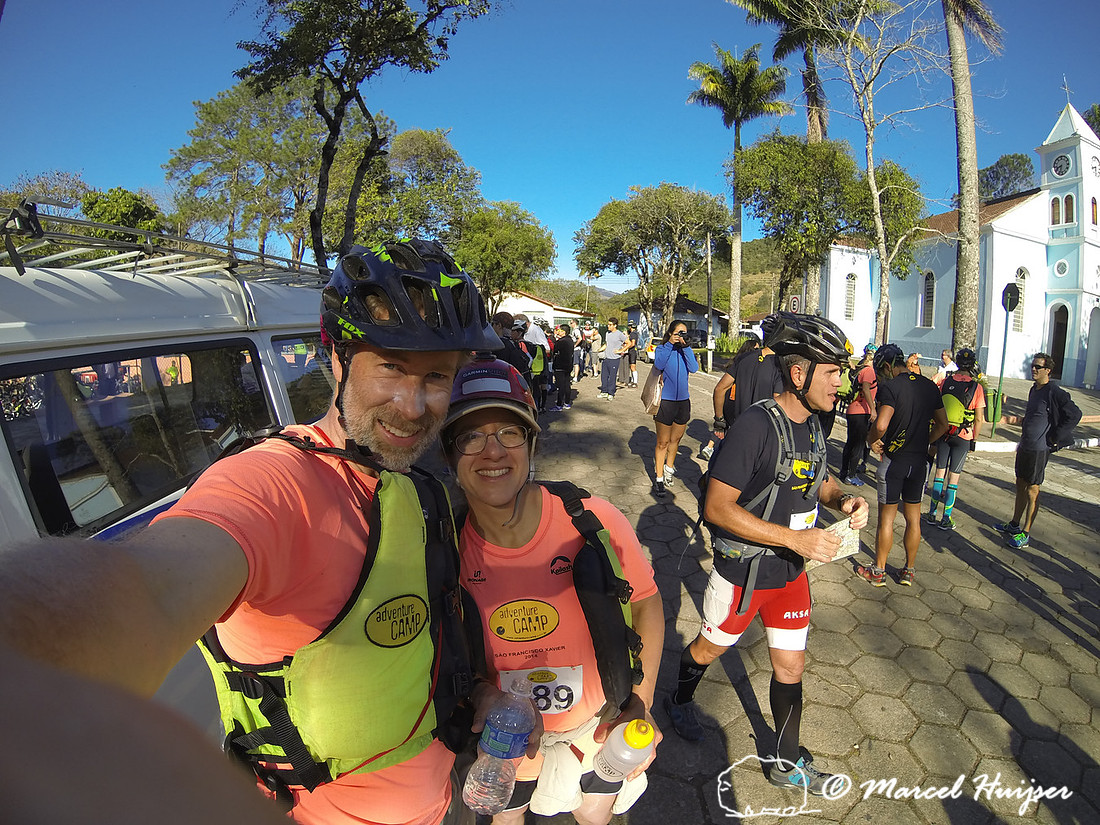
Image below: Marcel Huijser and Bethanie Walder at the start of the Adventure Camp Race, São Francisco Xavier, São Paulo, Brazil
We drove into town with Gambá and picked up our bikes. The brakes were functional! Not much else was, however. We each had perhaps three gears – it did not bode well for the mountain bike part of the race. But as they say in Brasil: “é o que tem pra hoje” (make do with what you have today).
The square was a mass of hot pink/orange t-shirts (for the 25K) and black t-shirts (for the 50). We signed in, parked our bikes, and joined the crowd. Our race started with a 1K run to the kayaking put-in. We had to compete with about 100 other kayaks for space to paddle – and thanks to the ongoing drought, the water was so low that we often had to drag our boat. Fortunately Marcel was a steering genius and we were able to pull away and create a little space for ourselves.
But it was on the trekking where Marcel really impressed the other racers with his skills (and where he picked up his tick). We started out just following the people in front of us, and ignoring our map. We weren’t in a rush, so what did we care… But there was a point where it became clear the people in front of us weren’t sure where they were going any more. Marcel saved the day, figured it out and everyone followed him into the thick brush. Marcel reminded me to watch out for snakes. Then one of the people next to me yelled, “boa, boa, boa.” I stopped and looked, but didn’t see anything. Where was the snake? When the person realized I was not a native Portuguese speaker he switched to English, “good, good, good.” He was just happy that we had finally found the trail. I was happy that he wasn’t warning me about a snake. Marcel and I cracked up, and let the competitive racers pass us on the narrow, thickly vegetated trail. (Really, though, if I can’t even understand the word “good,” which I use every day when greeting people, I’m clearly not making much progress on my goal of becoming conversant in Portuguese.)
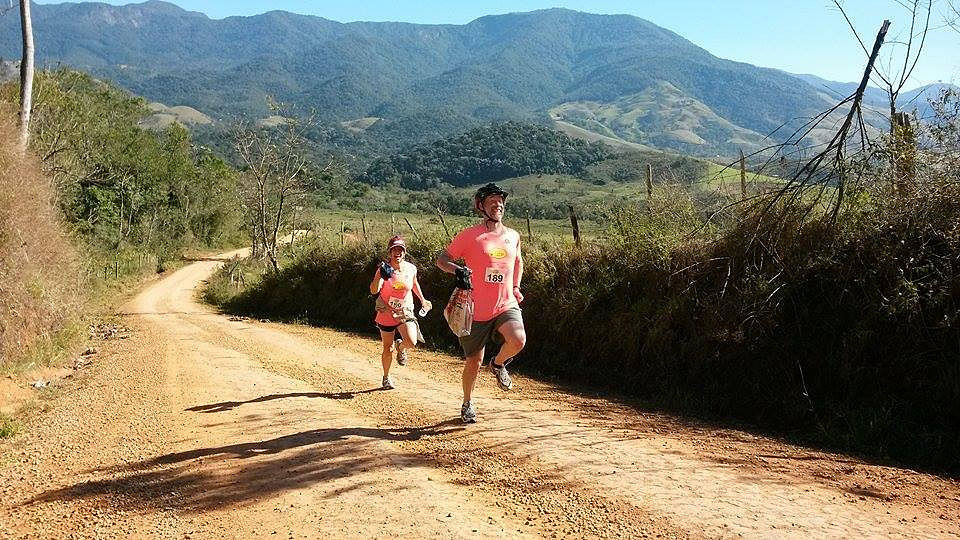
Image below: Marcel Huijser and Bethanie Walder participating in the Adventure Camp Race , photo made by another participant. Note for Tynille: we are practicing high knees!
We finished the trekking in good time, with Marcel once again out-orienteering numerous participants to find the last check station. We realized there were two ways to succeed at adventure racing – either by being smart or by being fast.
We opted for smart, at least until the biking portion started. Then we were out of options. The dirt roads were steep and our bikes were shit. We didn’t have a backpack, so we had a small stuff sack with water tied onto the handlebars. I had extra water bottles stuffed in my shirt. We looked at each other and wondered whether we should even try to ride these bikes, but figured we might as well. We made it about 4km pedaling and walking before my chain broke. Fortunately I was able to cruise and/or scoot downhill much of the way back.
Below: Short video of Marcel Huijser and Bethanie Walder participating in the Adventure Camp Race, São Francisco Xavier, São Paulo, Brazil
We signed in as finished (but incomplete) so they wouldn’t send a search and rescue team out for us, met up with Fernanda, returned our bikes and the broken chain to the rental shop, and had a great lunch overlooking the plaza and listening to people cheer on the racers as they crossed the finish line. Then we set off for the 4 hour drive back to Piracicaba. Marcel didn’t find the tick until Monday!
P.S. You know you’re in the tropics when people wear fully zipped up thick down and/or wool jackets and hats when it’s 60 degrees out…
Brazilian wildlife: Catching just a glimpse of the endangered muriqui
Text by Bethanie Walder
Brazilian wildlife: Catching just a glimpse of the endangered muriqui
It’s official… Marcel got his first tick bite. The little critter is now chilling out in our freezer. We’re not particularly concerned, however, since he picked up this tick in the Atlantic rainforest outside of São Francisco Xavier, a small mountain town about halfway between São Paulo and Rio. With no or few capybara, there should be reduced risk of spotted fever there.
Image below: Atlantic forest, near São Francisco Xavier, São Paulo, Brazil
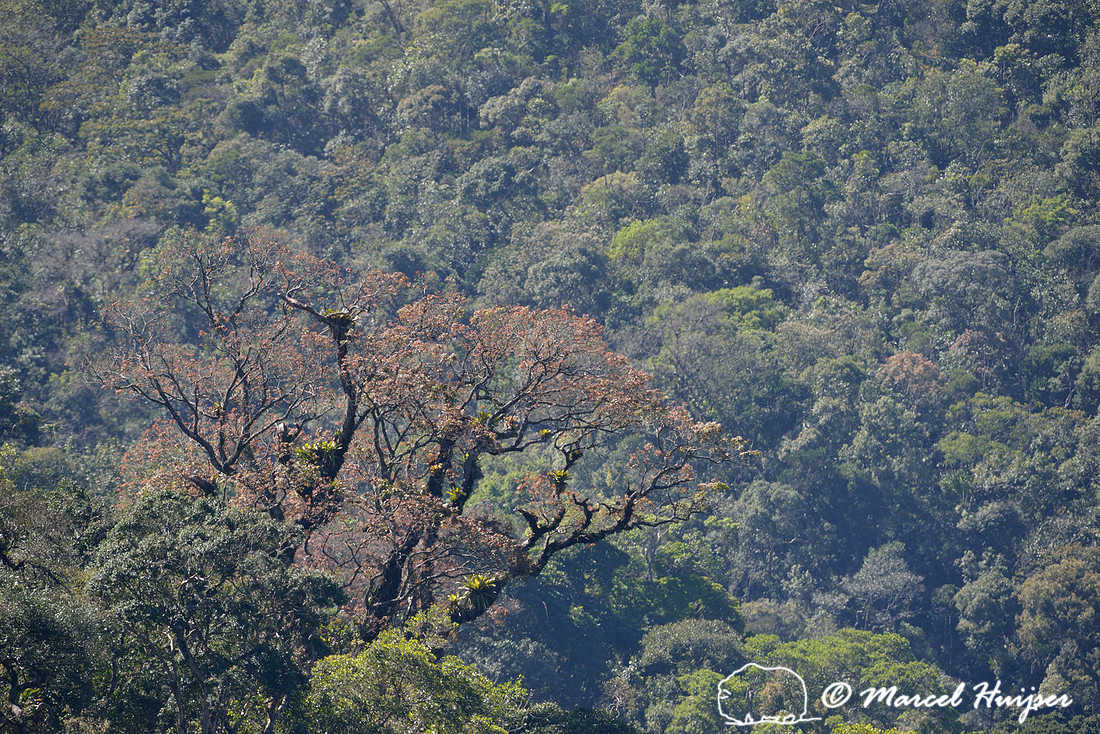
São Francisco Xavier is a touristy, mountain town. Horses seem almost as prevalent as cars for transportation (and it’s understandable given the insane steepness of the roads outside the town – our little car spun out several times). We spent the weekend hiking, biking, and kayaking. Saturday morning we woke early, and dressed in our standard hiking gear (pants, boots, t-shirts covered by long-sleeved sun shirts; I even keep my pants tucked into my socks) and set off to meet our guide, Hamilton. He guides tourists onto private forest land to look for woolly spider monkeys (called muriqui in Portuguese, or Brachyteles arachnoids in “sciencese”).
Image below: Our guide Hamilton (he is also a really good trail runner) looking for wooly spider monkeys (Brachyteles arachnoides), near São Francisco Xavier, São Paulo, Brazil
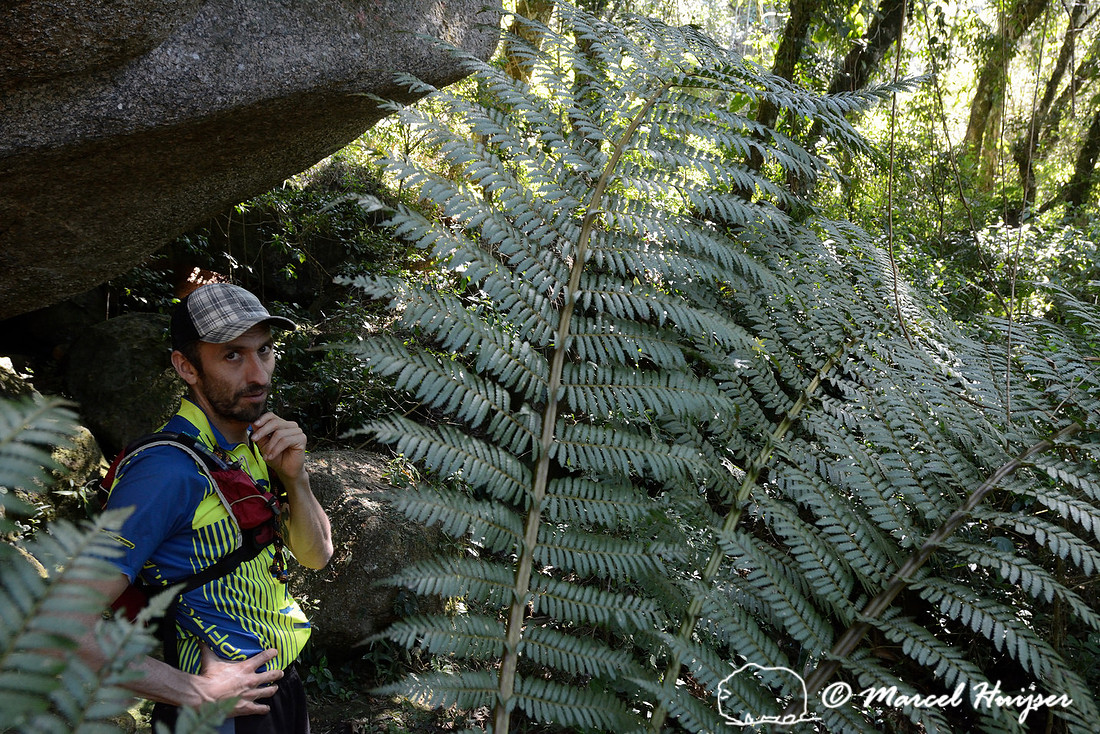
Wikipedia describes these animals as the largest of the “new world monkeys,” and as seriously endangered. The area around São Francisco Xavier is one of only three areas where southern muriqui still exist. It’s a similar story for the northern muriqui, which is even more endangered than the southern subspecies. In addition to habitat loss and isolation, poaching is a real problem, as muriqui tail is apparently a delicacy. Poachers come into the forest to illegally collect epiphytes, hearts of palm, and tree ferns, but sometimes they also leave with poached monkeys.
Image below: Atlantic forest with epiphytes, near São Francisco Xavier, São Paulo, Brazil
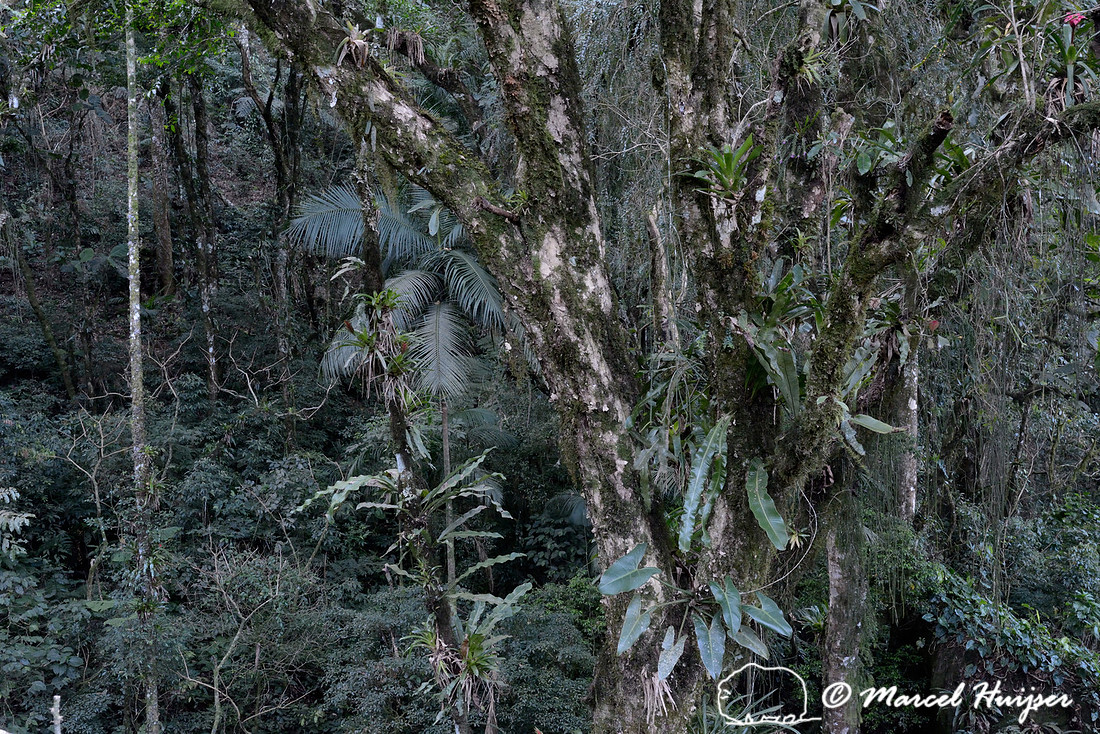
Hamilton doesn’t own the land, but he and others are working to make it into a protected area for the muriqui, which would be incredibly helpful at maintaining this particular isolated population, though it won’t stop the poaching. The landowner wants to sell and the transportation department needs to buy some compensatory lands for impacts from a transportation project elsewhere in the state – Hamilton’s keeping his fingers crossed, and so are we. We also crossed our fingers that we’d see some muriqui on our hike, but we didn’t.
The monkeys sleep during the heat of the day, so we left and tested the limits of our 1 liter engine car among the crazy steep roads to reach a fabulous restaurant in the middle of nowhere. The setting was idyllic, the food divine. We could have stayed the rest of the day.
Image below: Fernanda Abra and Bethanie Walder at a trout farm and restaurant, near São Francisco Xavier, São Paulo, Brazil
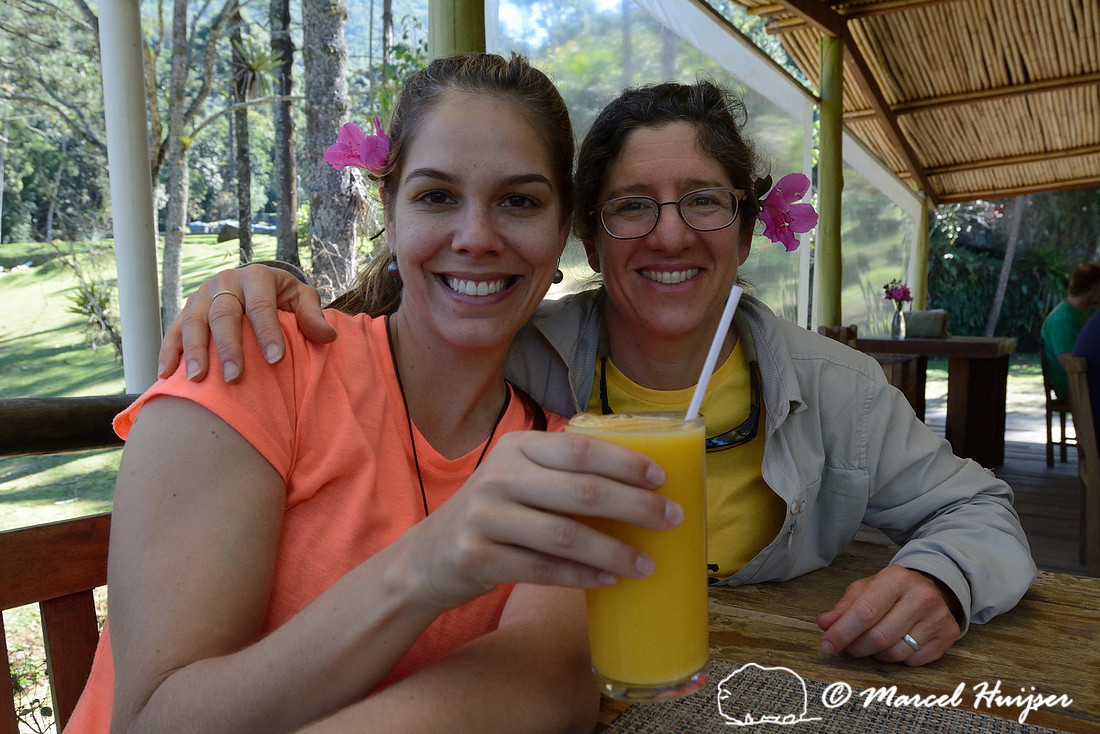
Instead, we drove back to town to register for Sunday’s “Adventure Camp” race. Fernanda’s boyfriend, Gambá, coordinates adventure and mountain running races for Adventure Camp, a small company (3 fulltime staff) based out of São Paulo. We got to choose from the 25K or 50K option – being novices, we chose the former. The race included a combo of trekking/running, kayaking and biking, along with some orienteering to find the actual course. Adventure camp provided the inflatable kayaks, and we rented bikes from a local shop. The bikes were barely functional, but the owner promised us that the brakes would be working, as well as some of the gears, by the time we picked them up for the race the following morning.
Image below: “Gamba” Luiz Antônio prepares for the Adventure Race instructions the evening before the race, São Francisco Xavier, São Paulo, Brazil
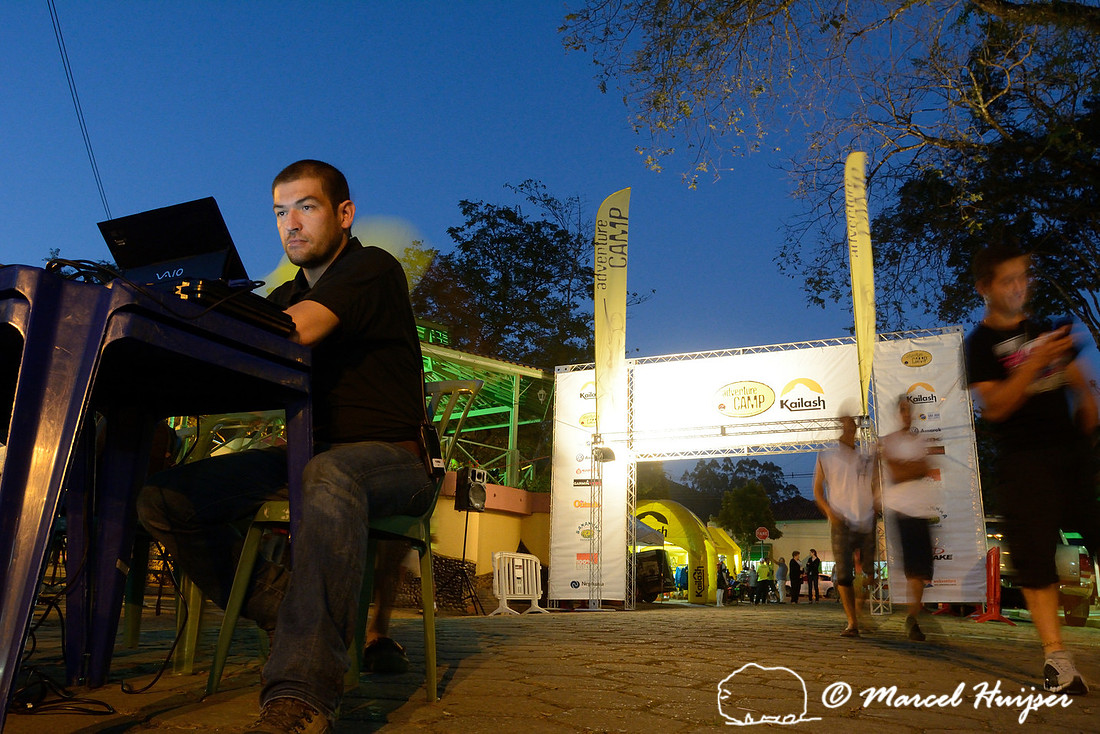
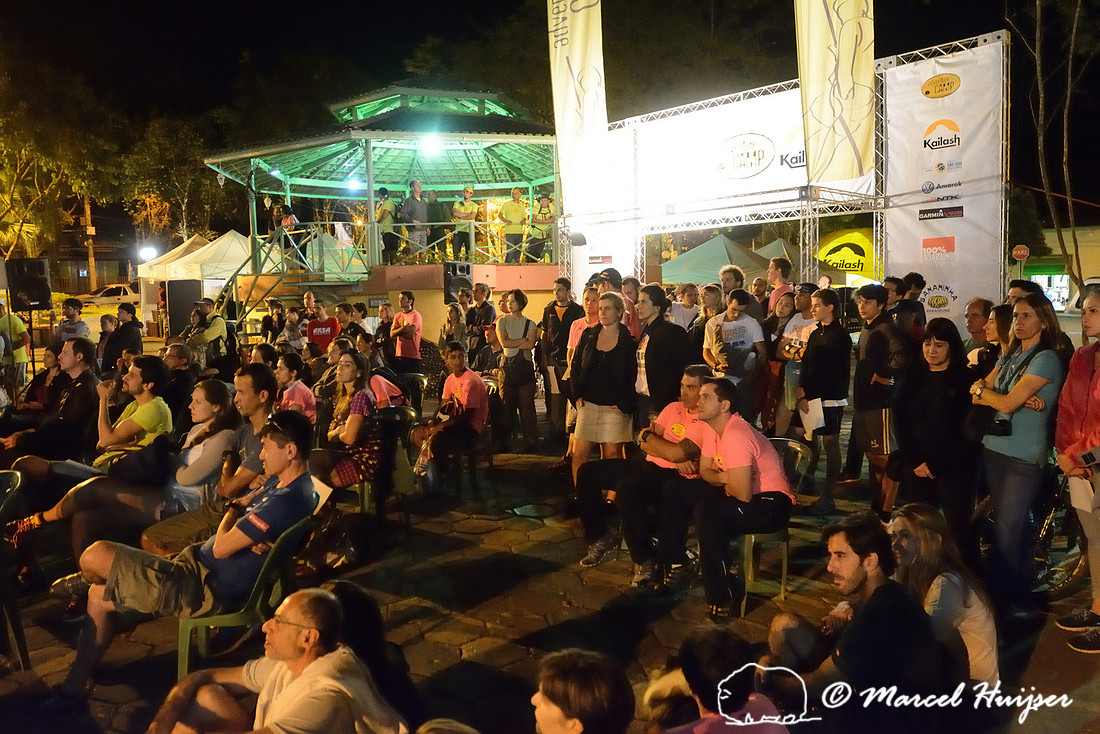
Image below: Participants in the Adventure Race listen to the instructions the evening before the race, São Francisco Xavier, São Paulo, Brazil
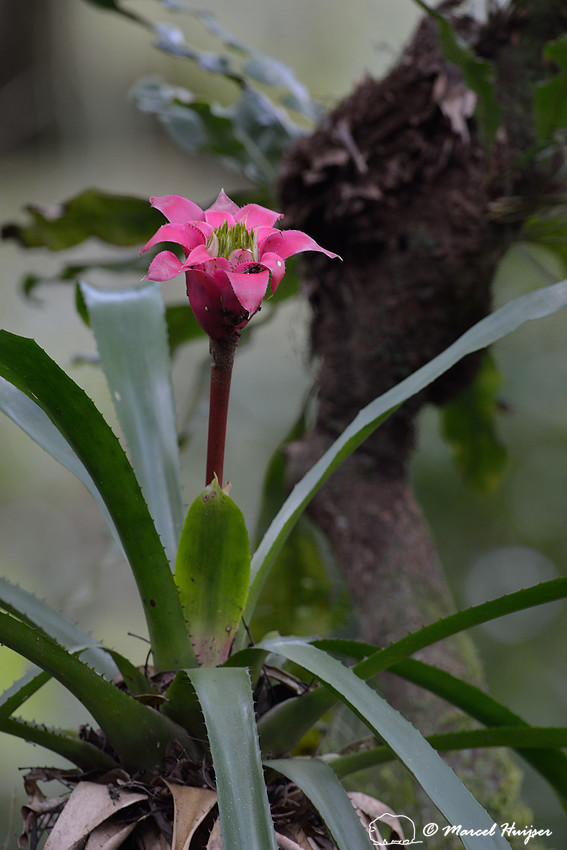
Gambá wouldn’t be revealing the actual race courses until 6:30 that evening, so we had just enough time to head back up to look for the muriqui. Hamilton wasn’t available, but said we could return on our own. We were hopeful, especially since Gambá had seen 30 muriqui the weekend before while conducting final scouting for the race. We returned to “muriqui rock” and sat quietly, waiting. Marcel started photographing a beautiful bromeliad flower perched 20 feet above the forest floor when we heard branches breaking. It was nearly dark, and they were far away, but we spotted two muriqui, a mother and youngster in the distant treetops. Marcel’s camera was focused on the bromeliad, but he tried to get a picture anyway. Unfortunately he only ended up with a golden blob in the middle of some green branches. Fortunately Gambá is hosting a 2-day mountain race here in two weeks (which Hamilton may win, he’s apparently an incredibly strong mountain runner), so we’re hoping to come back and try again.
Image below: Waiting on a very large boulder in the Atlantic forest for wooly spider monkeys to show up, near São Francisco Xavier, São Paulo, Brazil
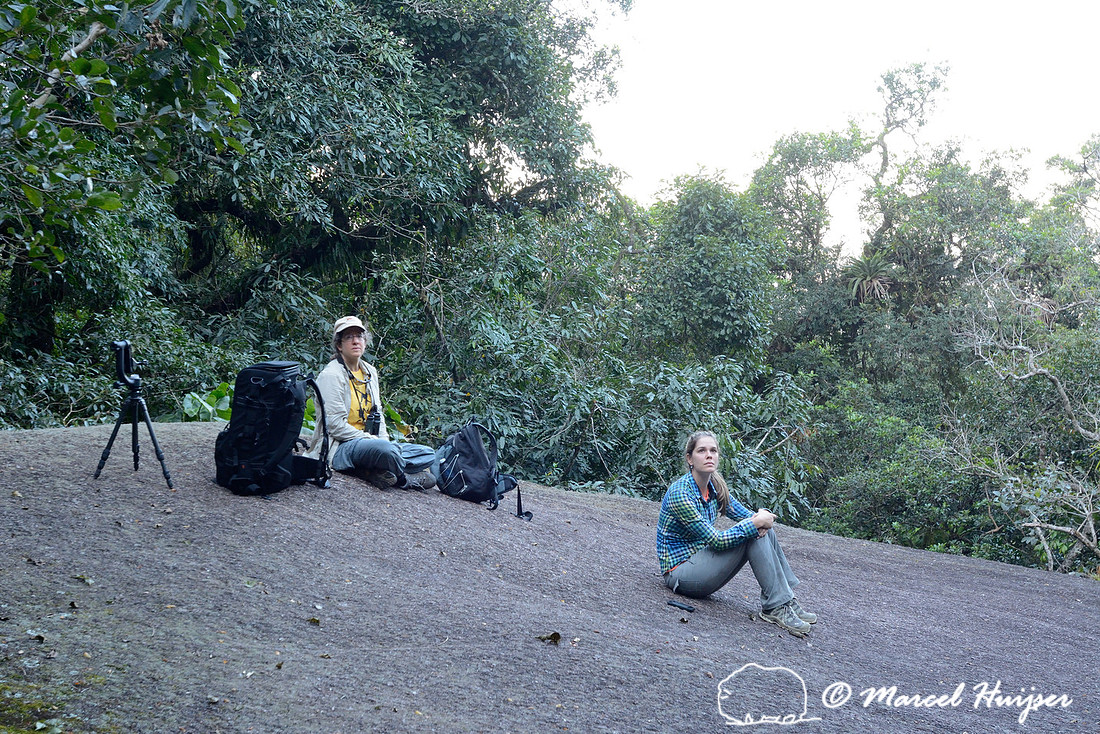
Image below: Bromeliad in Atlantic forest, near São Francisco Xavier, São Paulo, Brazil
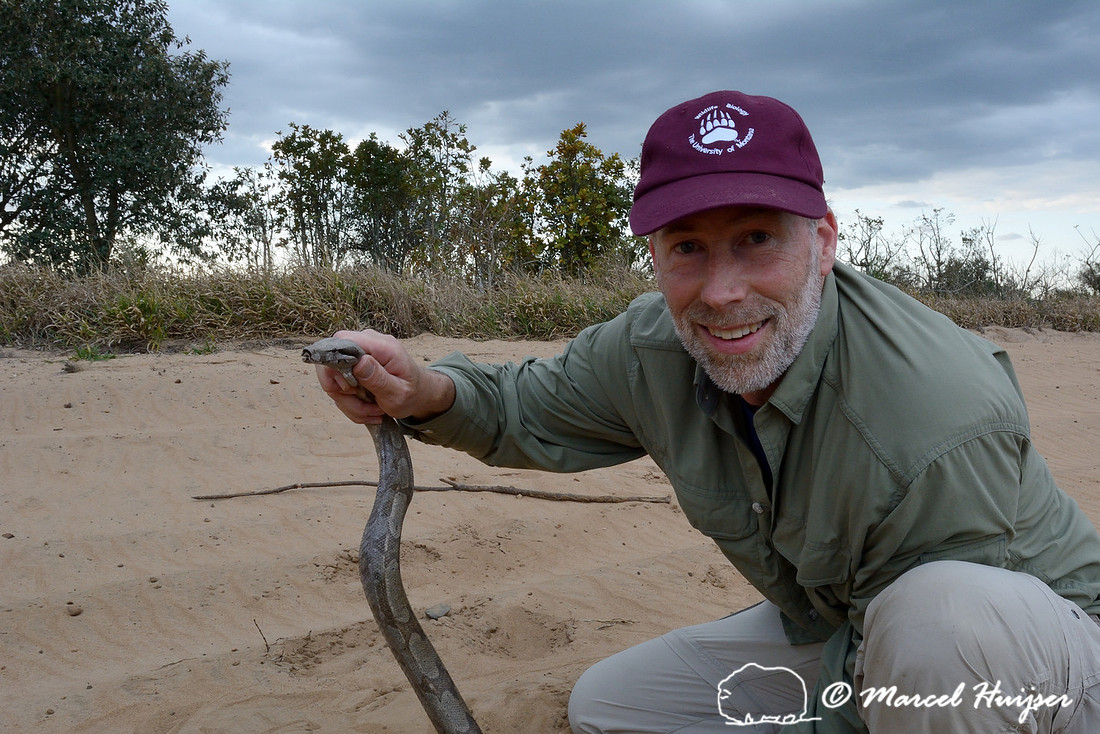
Brazilian wildlife: Fernanda Abra and Marcel Huijser remove a boa constrictor from road
Brazilian wildlife: Fernanda Abra and Marcel Huijser remove a boa constrictor (Boa constrictor) from a dirt road, east of Brotas, São Paulo, Brazil.
Click here to see more images of Boa constrictors in Brazil
Some large format prints (limited edition) are now for sale at Freshwater Studio & Gallery in Missoula, Montana.
Like Marcel Huijser Photography on Facebook
All content © 2014 Marcel Huijser

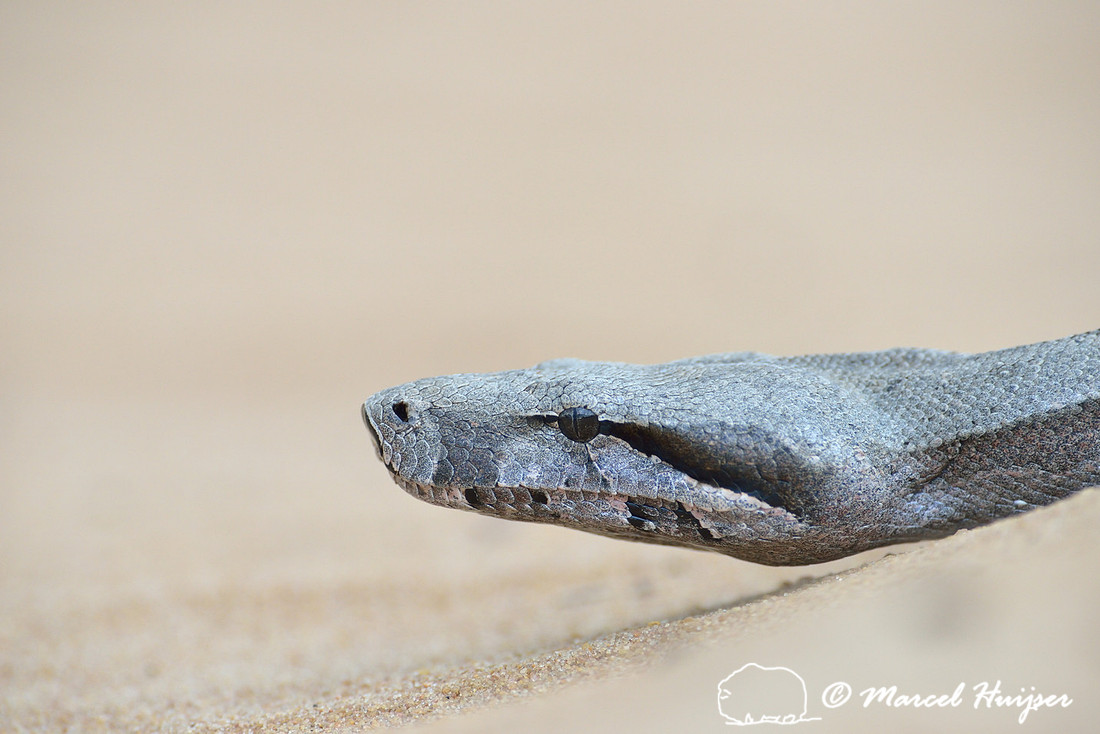
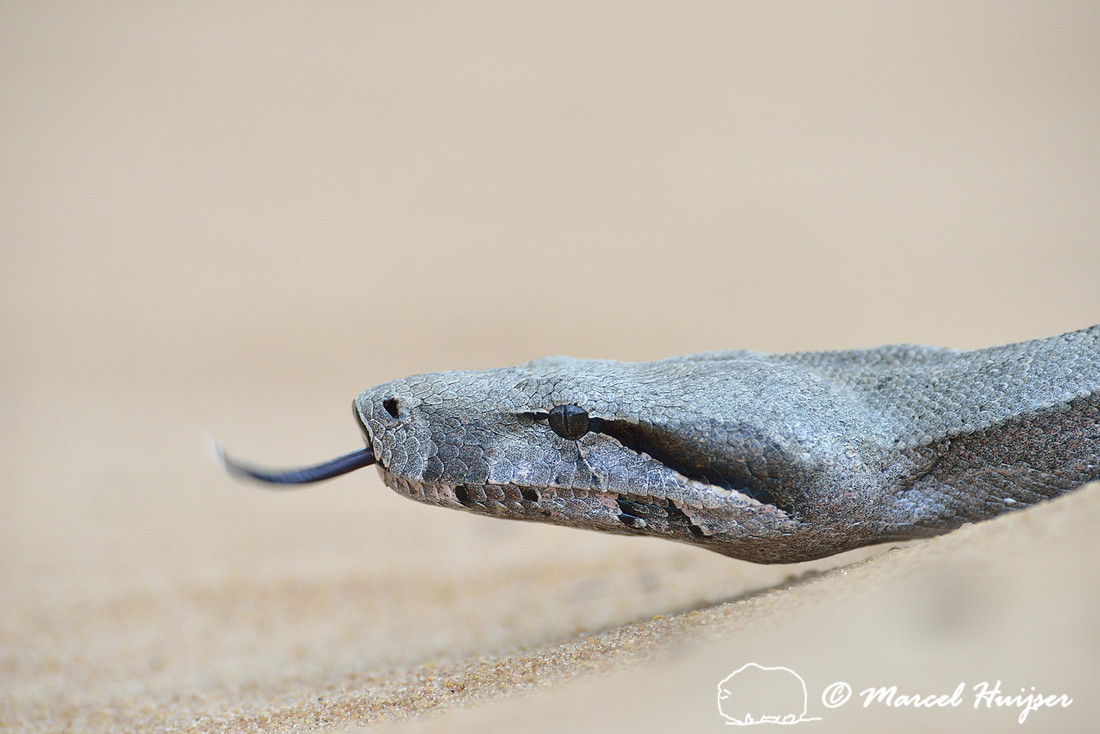
Brazilian wildlife: Boa constrictor (Boa constrictor), east of Brotas, São Paulo, Brazil
Brazilian wildlife: Boa constrictor (Boa constrictor), east of Brotas, São Paulo, Brazil.
Click here to see more images of Boa constrictors in Brazil
Some large format prints (limited edition) are now for sale at Freshwater Studio & Gallery in Missoula, Montana.
Like Marcel Huijser Photography on Facebook
All content © 2014 Marcel Huijser
Road ecology blog: Driving in São Paulo and how to communicate with other drivers, Brazil
Road ecology blog: Driving in São Paulo and how to communicate with other drivers
Some large format prints (limited edition) are now for sale at Freshwater Studio & Gallery in Missoula, Montana.
Like Marcel Huijser Photography on Facebook
All content © 2014 Marcel Huijser
Image below: Fernanda Abra demonstrates how to communicate most effectively with other drivers in São Paulo, Brazil. Note the navigation application ("Waze") on the cell phone in her left hand. Waze is a social navigation app giving directions based on real time automated feedback from other drivers. Based on the travel speed of other drivers Waze suggests alternative routes. I think it even suggests what to yell to other drivers! :)

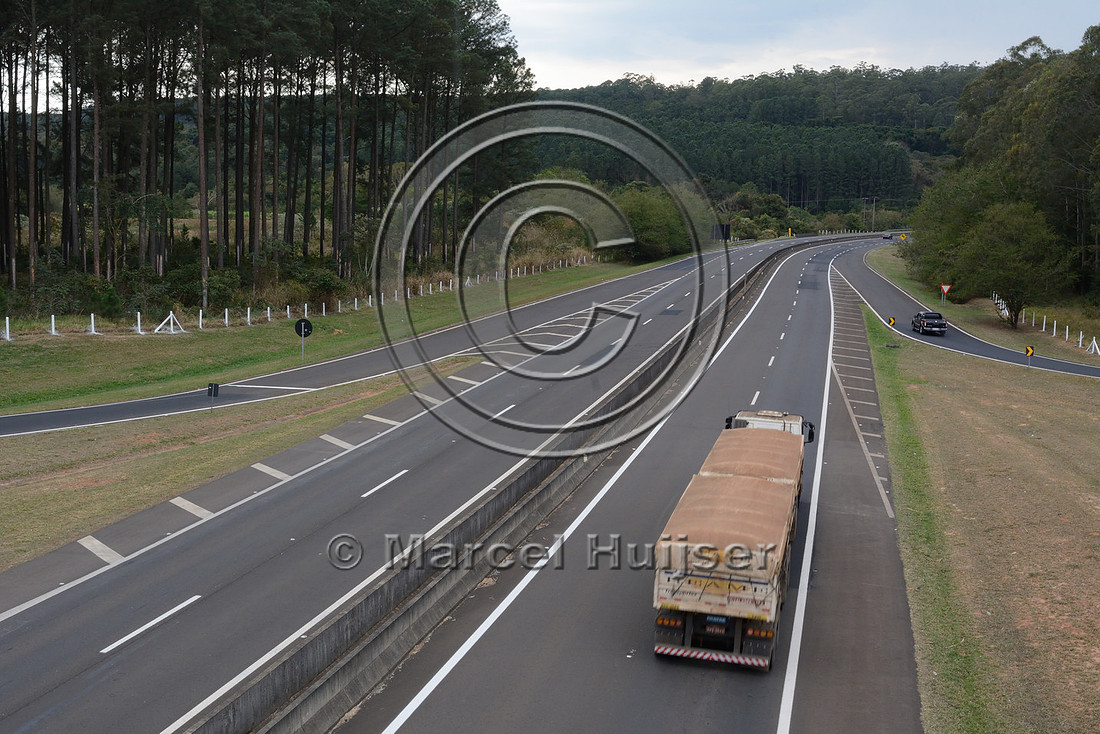
Image belows: Traffic in São Paulo and the unfinished 17.7 km long monorail (which was supposed to be completed for the football World Cup), Brazil


Road ecology blog: Painted warning sign for lizards, Instituto Florestal, São Paulo, Brazil
Road ecology blog: Painted warning sign for lizards, Instituto Florestal, São Paulo, Brazil.
Click here for other images of other wildlife or livestock warning signs.
Click here for other images of animals that were killed by cars.
Click here for other images of animals alive on or near roads.
Some large format prints (limited edition) are now for sale at Freshwater Studio & Gallery in Missoula, Montana.
Like Marcel Huijser Photography on Facebook
All content © 2014 Marcel Huijser

Road ecology blog: Marcel Huijser at Rodoanel Norte construction site, São Paulo, Brazil
Road ecology blog: Marcel Huijser at a construction site of the Rodoanel Norte - the northern section of the outer belt way of Greater São Paulo, Brazil. The houses in the background are a favela (slums).
Some large format prints (limited edition) are now for sale at Freshwater Studio & Gallery in Missoula, Montana.
Like Marcel Huijser Photography on Facebook
All content © 2014 Marcel Huijser

Road ecology blog: Wildlife warning sign and road-killed capybara, Brazil
Road ecology blog: Wildlife warning sign and road-killed capybara (Hydrochoerus hydrochaeris), Piracicaba, São Paulo, Brazil.
It is only about 4 km between Katia's house and office. Yet in the few weeks I have been here she has already counted 4 roadkilled capybara on this stretch. Wildlife warning signs featuring capybara have been installed along this route, but as in many other places wildlife-vehicle collisions continue to be abundant.
Click here for other images of other wildlife or livestock warning signs.
Click here for other images of animals that were killed by cars.
Click here for other images of animals alive on or near roads.
Some large format prints (limited edition) are now for sale at Freshwater Studio & Gallery in Missoula, Montana.
Like Marcel Huijser Photography on Facebook
All content © 2014 Marcel Huijser


Image below: Note the slight webbing between the toes; an adaptation for living in and around water.

Road ecology blog: Concrete median barriers along the SP 225, São Paulo state, Brazil
Concrete median barriers along the SP 225, near Itirapina, São Paulo state, Brazil. Median barriers reduce the probability of head-on collisions. However, if no safe crossing opportunities are provided to wildlife they can increase the barrier effect of the road and the traffic substantially, perhaps even resulting in an absolute barrier separating wildlife populations.
Click here for more images of median barriers.
Some large format prints (limited edition) are now for sale at Freshwater Studio & Gallery in Missoula, Montana.
Like Marcel Huijser Photography on Facebook
All content © 2014 Marcel Huijser
Cerrado weekend: In search of the maned wolf
Text by Bethanie Walder
Have we mentioned that our friend, Fernanda, is crazy? Good crazy...
When we were here three years ago, we were out on a hike in the Atlantic rainforest and a snake crossed our path. She couldn’t just look at the snake, she had to catch it and show it to us. A few days ago a beautiful boa constrictor crossed our path while we were exploring on a dirt road. We stopped the car. When Marcel was finally done taking pictures it was Fer’s turn. Check it out:
Boas weren’t the only thing we saw last weekend. We spent much of our time in and around the Itirapina Ecological Research station (Estação Experimental e a Estação Ecológica de Itirapina). We encountered several diurnal burrowing owls -- they were nonplussed by Marcel’s camera -- allowing him to get crazy close and never showing any concern:
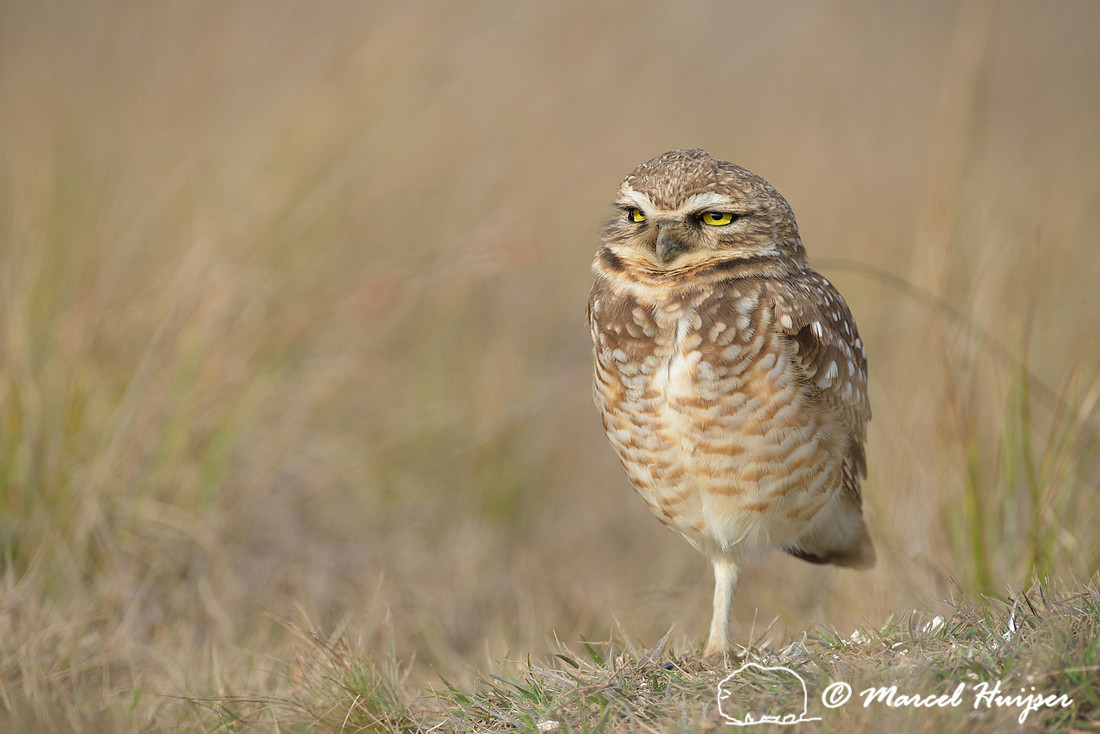
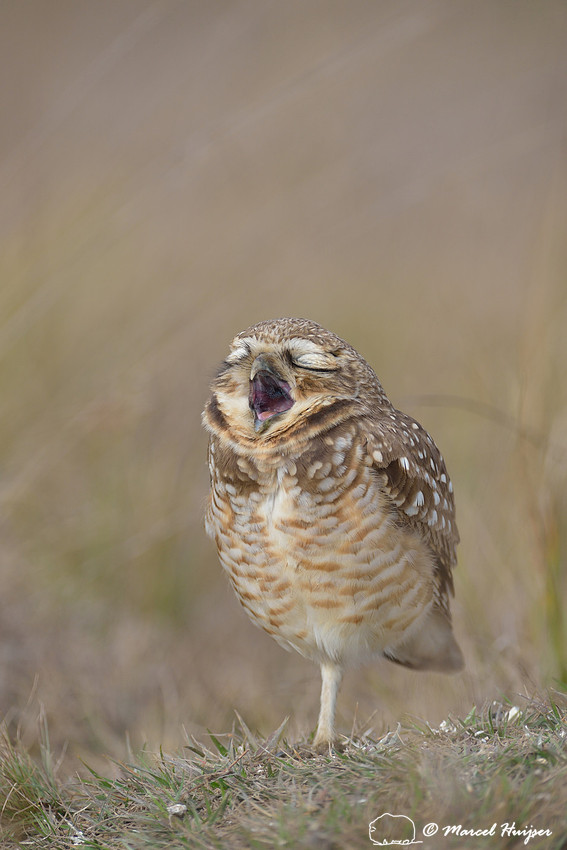
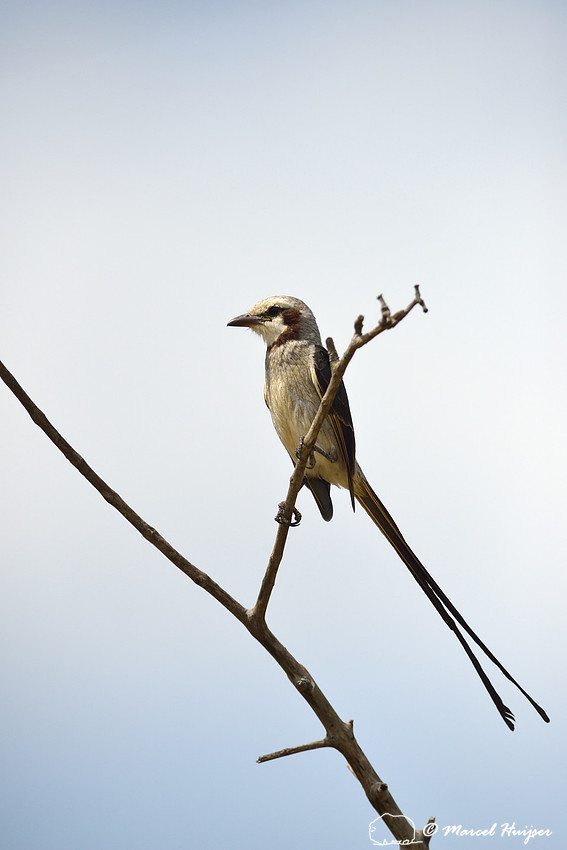
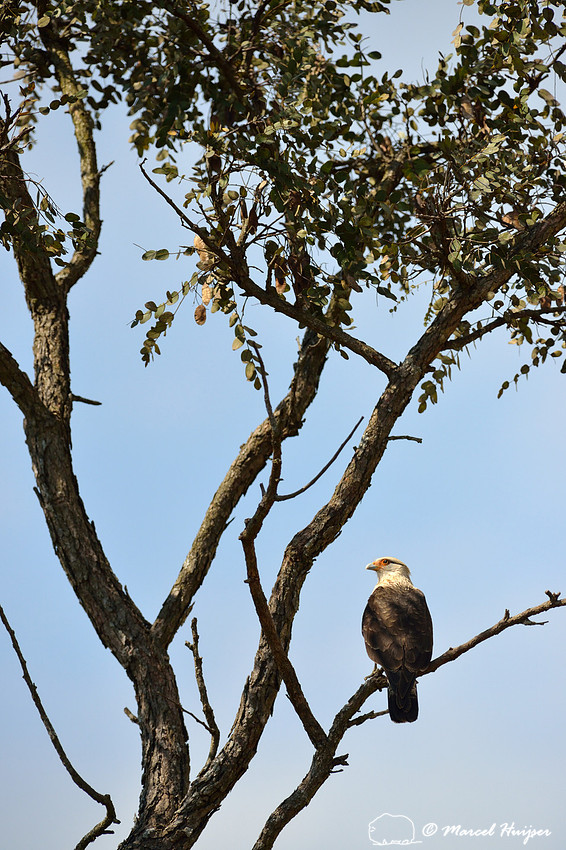
We saw yellow-headed and southern caracaras, buff-bellied puff birds, swallow-tailed hummingbirds, yellow-rumped marsh birds, nighthawks, streamer-tailed tyrants and more. As you can see below, several of these critters were kind enough to pose for Marcel.
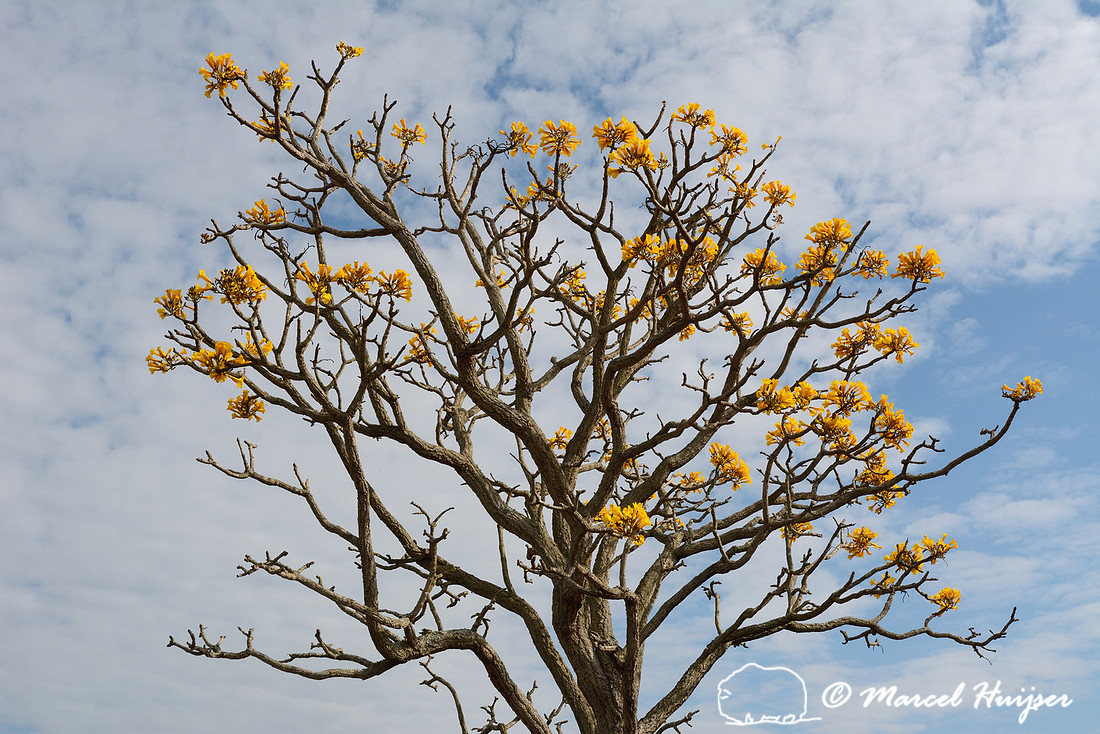
Itirapina Ecological Station is in a relatively isolated patch of Brazilian “cerrado” or savannah. Much of the cerrado, poor soils aside, has been converted to agriculture. Sugar cane, oranges, coffee, and bananas covered most of the landscape we saw outside the reserve. Thus cerrado dependent species, including plants like the Ipé amarela do cerrado (Yellow Ipé tree of the cerrado), and animals like the maned wolf (Chrysocyon brachyurus), are becoming more and more rare.
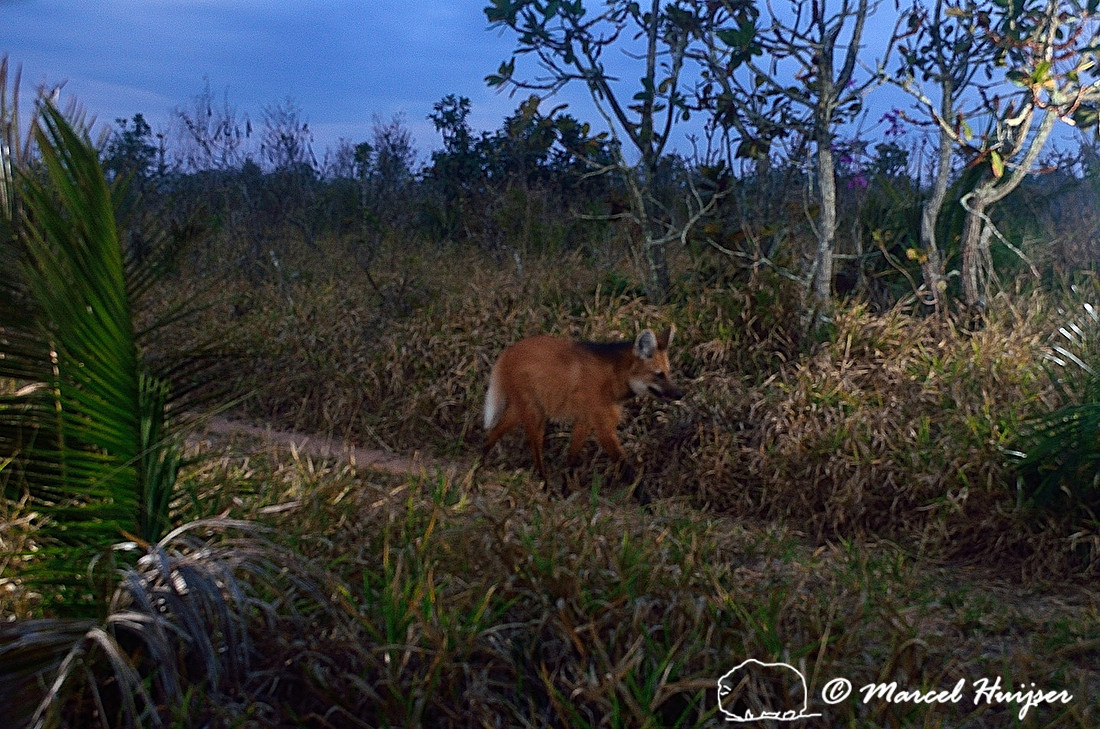
Called Lobo-guará in Portuguese, the maned wolf is a stunning animal. Tall, skinny, with surprisingly long legs, big ears, and a beautiful face, it resembles a fox on stilts. But it is neither fox or wolf - it's its own genus. Marcel has been fantasizing about seeing a maned wolf in the wild since our first trip to Brazil in 2011. Marcel’s so bent on seeing, or somehow photographing this animal, that he spent nearly the entire last weekend before we left for Brazil constructing a hard plastic box to keep his camera in so he could, if allowed, set up a motion-triggered system in Itirapina, which is just an hour from our town.
Marcel wasted no time trying to make that happen. We arrived in Brazil on August 6. On August 13th we received permission to stay at the ecological station bunkhouse and to visit the protected area. By about 10:00 pm on August 15 Marcel’s camera was set up. He was unsuccessful that first night, so we moved the camera on the 16th. On the morning of the 17th we went for a walk along the river corridor at dawn. We saw fresh wolf tracks. We smelled wolf. We found recent scat. But we did not see any wolves. We returned to the car and drove on to where the camera was set up. SUCCESS! Marcel's remote camera set up had captured three beautiful shots of a maned wolf.
We also found very fresh scat which, upon investigation, included the remains of an orange (most likely from a nearby orchard); the fruit of the Solanum lycocarpum plant (sometimes called wolf-apple), which is a tomato-like plant that is one of the wolf’s primary food sources; and, quite surprisingly, a claw and shell fragments from a small armadillo (apparently armadillo are not a common food source for maned wolves).
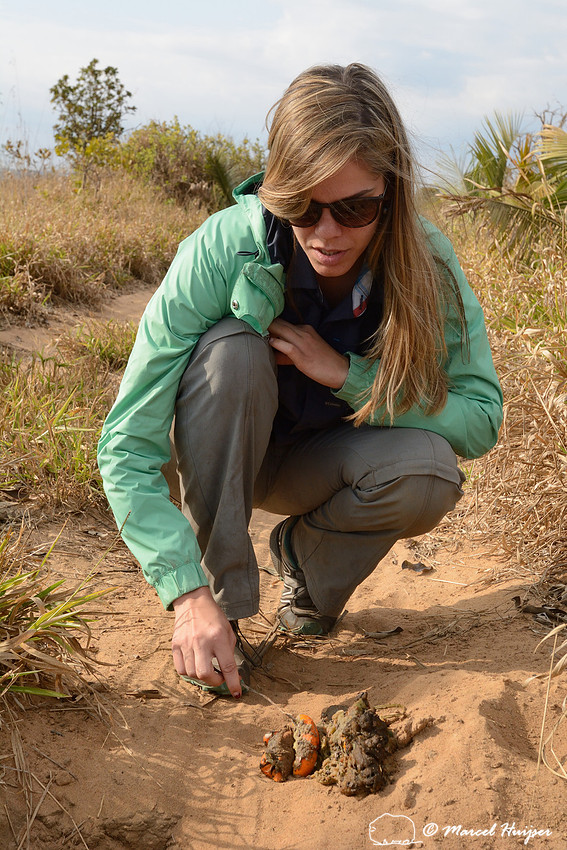
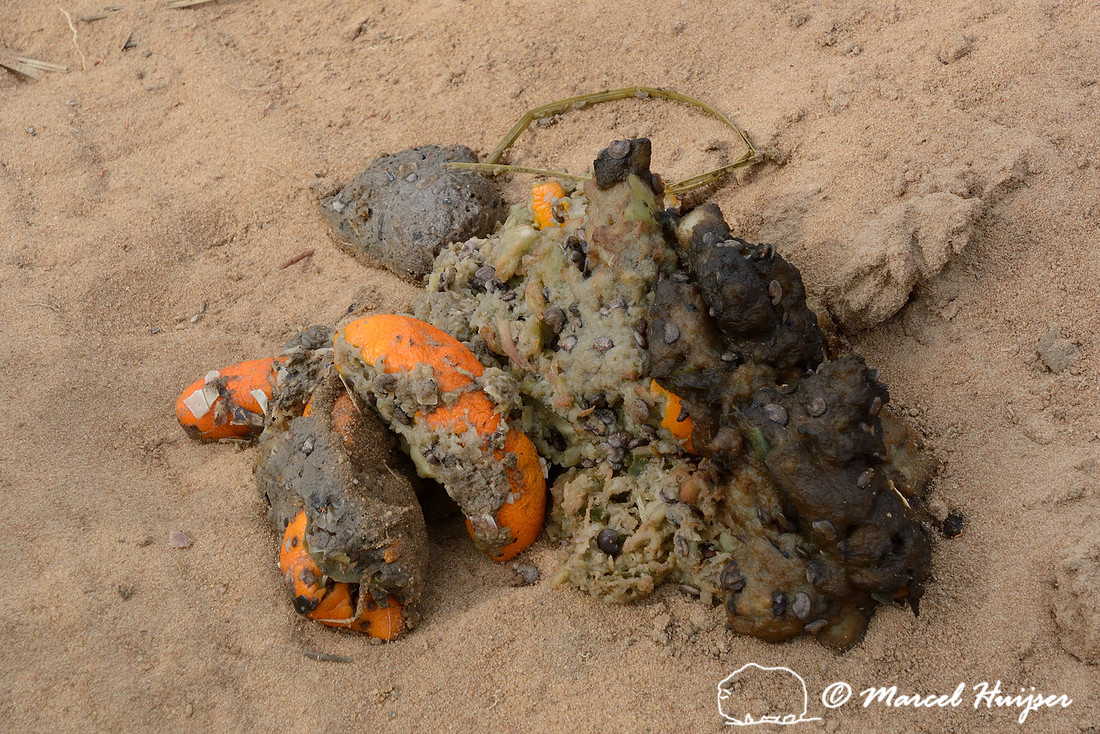
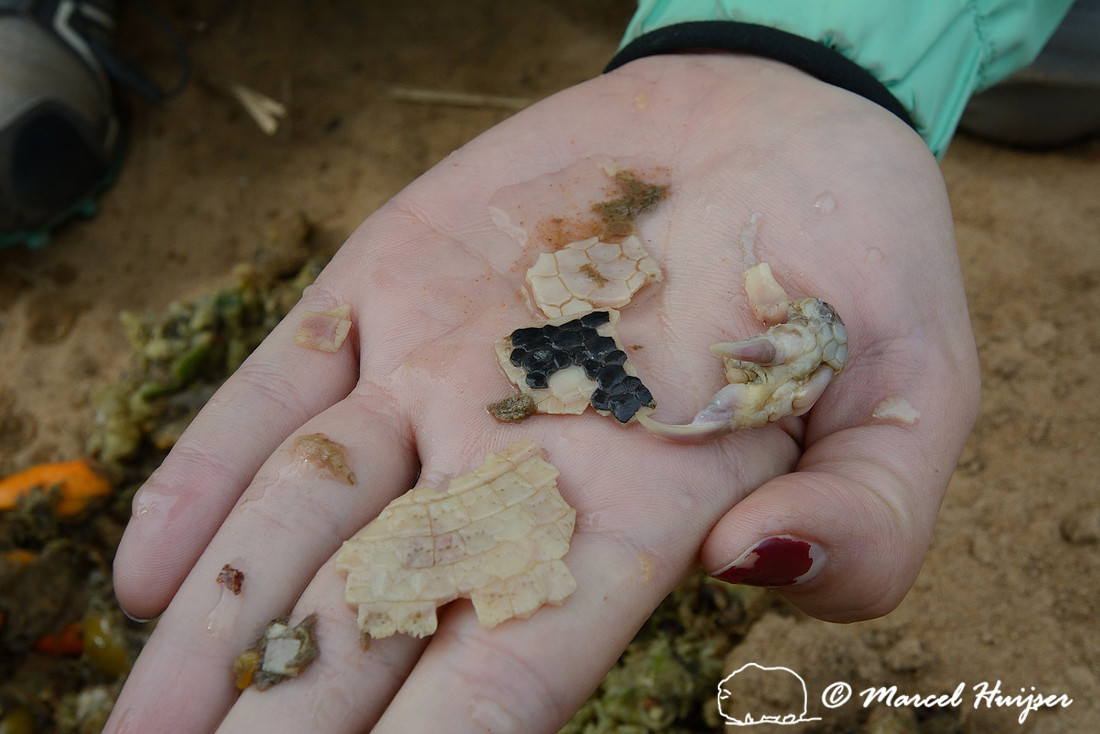
Marcel changed the memory card and reset the camera for one more night. Back at the ecological station he checked the images on his computer, only to find they were slightly out of focus. He was so disappointed that he said he would not share the photos with the reserve manager or post them on his blog. Fortunately, he changed his mind:
We went back into the reserve so Marcel could try to resolve the focus issue and then we drove off to Fernanda’s hometown, Bauru, to visit with her mom, eat homemade feijoada, and meet with a potential post-doc student for Marcel. And on Monday, after Marcel and Fernanda met with some toll-road biologists, Marcel went and bought a machete to replace the pocket-knife we lost while setting up the camera trap. We stopped back in Itirapina to pick up the camera on the way home. Though there were fresh tracks within a few hundred yards of the camera, they disappeared into the cerrado a bit too soon, and we knew there would be no more photos.
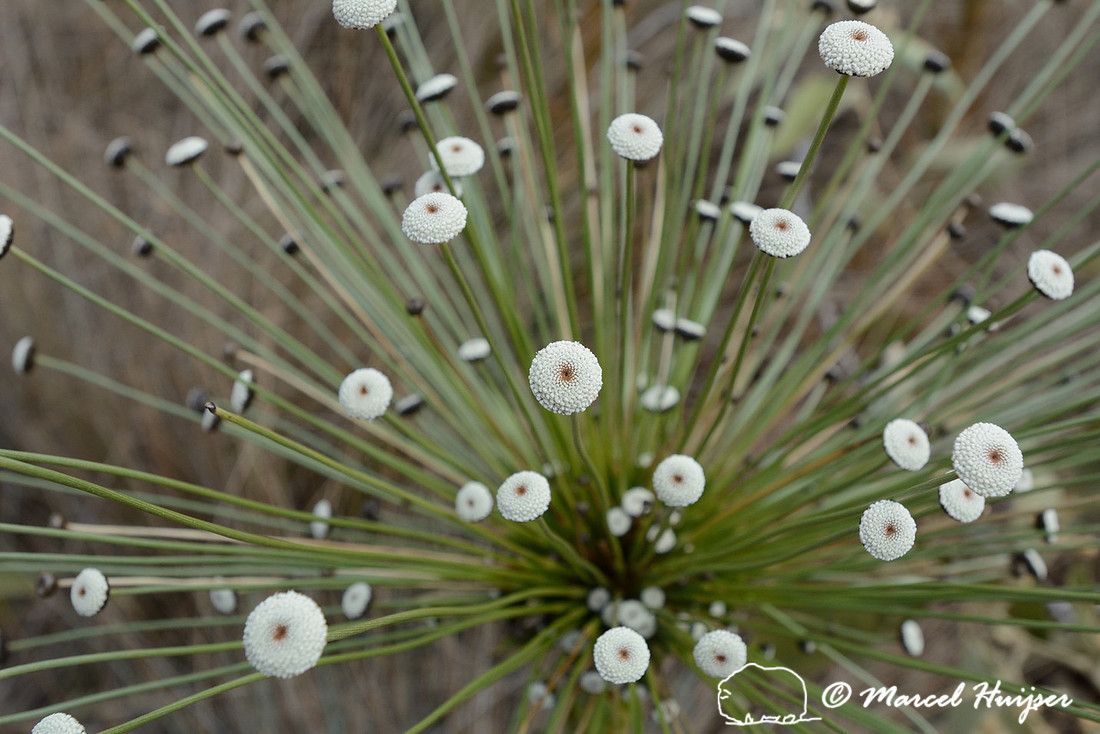
We’ll try again soon. In the meantime, here’s one more photo, of the other-worldly “sempre viva” or “always alive” flower that we saw in the reserve as well. Stay tuned for some additional stories from Marcel about his field trip in Saõ Paulo to a new road construction site – a site which happens to go through several favelas and a lot of intact forest, as well.
The cerrado: Moonrise over the cerrado, São Paulo State, Brazil
The cerrado: Moonrise over the cerrado, Estação Experimental e a Estação Ecológica de Itirapina, São Paulo State, Brazil.
Click here for more images from the cerrado.
Some large format prints (limited edition) are now for sale at Freshwater Studio & Gallery in Missoula, Montana.
Like Marcel Huijser Photography on Facebook
All content © 2014 Marcel Huijser


Life in Brazil: Time is not money (warning: ridiculous pictures below)
Text by Bethanie Walder
In Brazil, time is not money…
After two days of filling out paperwork, running in circles, re-filling out paperwork, running in circles again, revisiting the federal police office four times, the bank twice, and the Brazilian IRS once, we appear to finally have all the required numbers, documents, and registrations to live in Brazil as foreigners. We won’t get permanent ID cards for about 45 days, and it will still take a week before our new bank account will be activated, (which means that Marcel can then get paid) but theoretically anyway, it will be activated!
Image below: Marcel does not respond well to bureaucracy in Brazil :)

This is the first time Katia has had to navigate the registration system for visiting professors (fortunately she reacts more calmly than Marcel!). We feel terrible she’s spent so much time with us doing this. She feels terrible because she didn’t know the entire process before hand, and she ends up thanking us for helping her learn to navigate the system. When she picked us up for the second day of the registration merry-go-round she reminded us that this is just how it is in Brazil. Hopefully we’re mostly done with bureaucracy for a while.
In the process, we learned the following:
- It’s not safe to sit in a parked car on a street in Piracicaba. We were told to arrive at the police dept. at 6:00 am to get in line (outside) so we could be assured we would be seen that day. But it’s still dark at 6:00 am, so Katia’s husband made her promise that we wouldn’t wait in the car outside the police department for our very early morning arrival. We ended up driving around a bit (since there were only 3 people waiting in line at 6:00), until it was light enough to join the line.
- While chatting as we waited more than 3 hours to be seen by the police, we learned that Brazil has the deadliest form of tick-borne spotted fever in the world. If undiagnosed, it can kill you within 48 hours after the symptoms appear. I did some reading when we got home and apparently it’s the same spotted fever as we have in North America, but it’s much more virulent and lethal. Katia says it kills nearly 80% of those infected due to misdiagnosis (though if you are correctly diagnosed it can be relatively easily treated, it’s just that time is of the essence). Capybara are the main host, and the area we live in has lots of capybara, so we have to take any tick bites very, very seriously. In addition, the initial symptoms are similar to those of dengue fever, which is another reason it is often misdiagnosed, and then fatally mistreated. Egads.
- While spending nearly 2 hours at the bank and in between signing forms and filling out paperwork, Katia told us that the governor of Sao Paulo is seriously considering selling off 1/3 of the land (~1,000 hectares) of the ESALQ Piracicaba campus of USP, including the experimental forest and agricultural lands that Katia’s husband Sylvio is currently overseeing. The governor wants to sell them to industry to secure more votes for the October election. ESALQ is the largest USP campus and the lands in question also provide habitat for puma, maned wolf and other wildlife. It will have a profound impact on the long-term research going on there, and an associated gene bank. Sylvio and his colleagues have been working frantically to change the governor’s mind, but to no avail so far. We are so disturbed to hear this news, but there’s nothing we can do to help. Hopefully they are able to stop it.
- On the lighter side, we also learned that foreigners continue to radically overestimate Marcel’s age. After standing in line outside for two hours, we were all let into the police department, at which point one of the agents singled out Marcel and asked him a question. Katia wasn’t there at the moment, and we didn’t understand what he was asking. Fortunately a woman near us spoke a bit of English (she was there to help her Canadian exchange student daughter register, and we had been chatting with them for a while). She told us that the agent wanted to know how old Marcel was. We answered (46, for any of you wondering). The agent said something else to the woman and then walked away; she told us that he was wondering if Marcel needed special attention because maybe he was over 60! The woman, the exchange student, and multiple other people around us (myself included, of course) all cracked up. But Marcel doesn’t think it’s quite so funny. He’s very annoyed even now, as I write this – he says I’m rubbing salt in the wound – especially because it’s the second time recently that he’s been mistaken for being over 60 when we’ve been in a foreign country. Poor Marcel! As you can see, it's not wise to overestimate his age.
Fernanda reminded me the other day that time is not money in Brazil. The nice thing about that is that you can, at least, try to enjoy all the waiting and bureaucracy, and maybe learn a few things, too.
Image below: We advise you strongly not to inquire if Marcel is over 60, unpredictable reactions can follow :)
Click here for more images from our life in Brazil.
Some large format prints (limited edition) are now for sale at Freshwater Studio & Gallery in Missoula, Montana.
Like Marcel Huijser Photography on Facebook
All content © 2014 Marcel Huijser
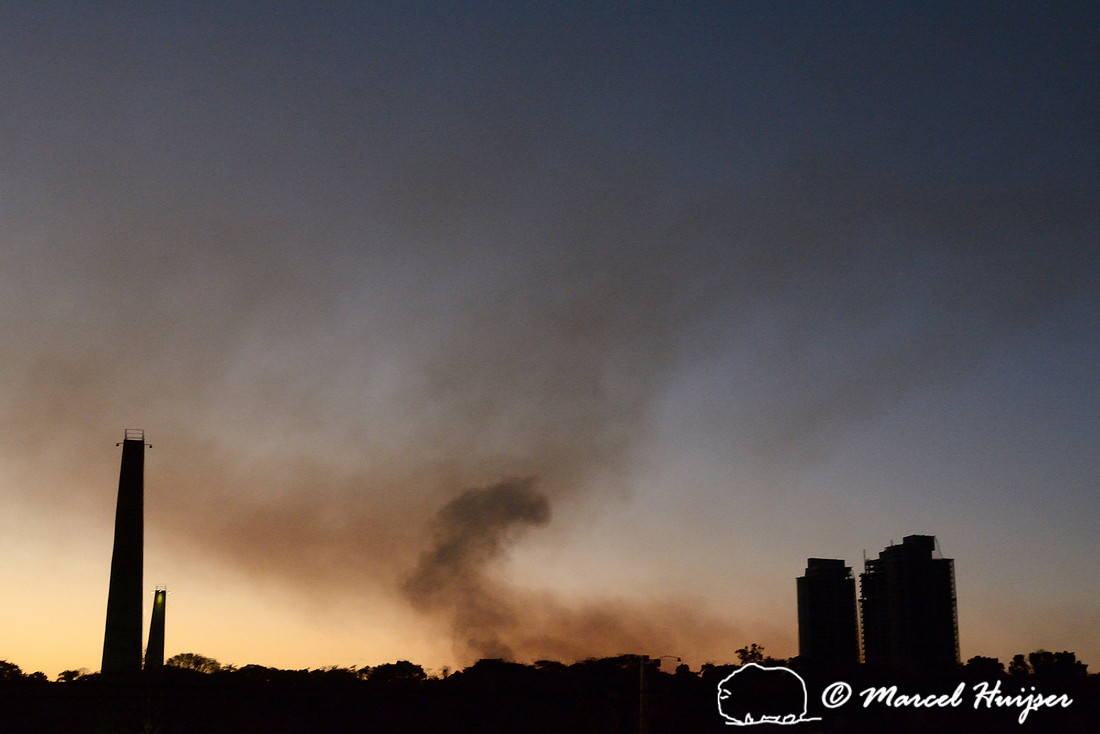
Life in Brazil: Evening skyline of Piracicaba with smoke from burning sugar cane fields
Life in Brazil: Evening skyline of Piracicaba with smoke from burning sugar cane fields, São Paulo State, Brazil. The fields are burned to reduce the effort associated with harvesting. I have heard of multiple reports of wildlife being killed in the process.
Click here for more images from our life in Brazil.
Some large format prints (limited edition) are now for sale at Freshwater Studio & Gallery in Missoula, Montana.
Like Marcel Huijser Photography on Facebook
All content © 2014 Marcel Huijser
Life in Brazil: Célio's fish restaurant
Text by Bethanie Walder
Life in Brazil: Célio's fish restaurant
Fernanda points out mango, guava and other trees in the park as we walk to the lake for our morning workout. Post workout and we’re very sweaty, but none of us has brought a wallet, so no opportunity to take advantage of the fresh cold coconut water stand across the way. Before heading back to the apartment, we wander along the pedestrian boulevard adjacent to the river, jump ropes draped over our necks, checking out the small market with local arts and crafts, as well as the dozen or so peixe churascarrias (fish BBQs).

Clearly the smell of the BBQ has gotten to us because it takes a while before any of us notice the huge capybara sunning itself on a rock in the middle of the river. We were too busy looking at the great egrets, neotropic cormorants, Amazon kingfishers, cocoi herons, and other water birds to notice the rodent of unusual size (ROUS) in their midst. We’re definitely not in Kansas anymore!

Cabybara are the largest rodent in the world, somewhat resembling giant guinea pigs. They’re also one of the reasons Marcel is here – capybara roadkill is a big problem in this area. Large adults typically weigh well over 100 pounds, so wildlife-vehicle collisions involving capybara can cause significant damage. We’ll definitely be learning more about them over the next few months.
But the BBQ continues to call. We stop long enough at one restaurant to admire the fish that Fernanda ask the owner, Célio if Marcel can take some photos. We promise to come back later for lunch. But first we head across the pedestrian bridge and walk on a dirt road along the other side of the river where Fernanda points out a huge tree with beautiful hibiscus-like flowers. The leaves of the tree are shaped a bit like cow’s feet, hence the common name “pé de vaca” or “foot of the cow.” Apparently the leaves can be made into a tea that helps control blood sugar in diabetics. As we continue walking we see a very large hummingbird with a forked tail (most likely a swallow-tailed hummingbird), as well as a more common-sized (to North Americans anyway) hummingbird. The forest around the dirt road also hosts parakeets, cormorants, egrets, gray-necked wood rail (we think) and more.

After a quick stop back at the apartment to take showers and grab our wallets, it’s finally time for lunch. We head back to Rua do Porto to Célio’s restaurant. It tastes as good as it smells. We sip fresh pineapple juice, munch on salad, buy insanely over-sweetened coconut candies from a woman selling them table to table, and dine on delicious Amazonian fish (not endangered or threatened in any way, we are assured), all while overlooking the river. Then it’s back to the apartment for some work before heading to Katia’s house for dinner.


We’re learning about doing things “Brazilian-style.” We bought a toaster that can’t plug into any plugs in the apartment because Brazil recently added a new grounding plug. How to fix it – Brazilian style – grab the “leatherman” tool and break off the grounding plug. Now we’re driving – Brazilian style – to Katia’s in Fernanda’s two-seat pick up truck (I’m sitting on Marcel’s lap, but we manage to get the seatbelt around both of us). Then Fernanda’s trusty navigational app “waze” takes us on a wild goose chase because apparently Katia’s street is relatively new and it isn’t in the system yet). Nearly an hour later, and thanks to an eventual escort from Katia, we finally arrive at her house for a terrific dinner, including eating enormous pine nuts from an araucaria tree. The nuts are pressure cooked in their husks and then you eat them hot, by squeezing them out of the husk with your teeth – they’re delicious.
Another professor and her Dutch husband join us for dinner. The table is a cacophony of Dutch, Portuguese, English and a lot of laughter. It’s yet another late night, when we finally arrive home at 1:00 in the morning. Is this how it always is in Brazil, or will we, hopefully, settle into a slightly earlier nighttime routine once we start working on campus every day?
Click here for more images from our life in Brazil.
Some large format prints (limited edition) are now for sale at Freshwater Studio & Gallery in Missoula, Montana.
Like Marcel Huijser Photography on Facebook
All content © 2014 Marcel Huijser