Marcel Huijser Photography   Home

This is where I show the most recent images and talk about how they were made. The images typically relate to landscapes and wildlife, but I also blog about photos of highways and mitigation measures for wildlife or road ecology in general. Please contact me if you would like to use any of the images.

All content © Marcel Huijser                             
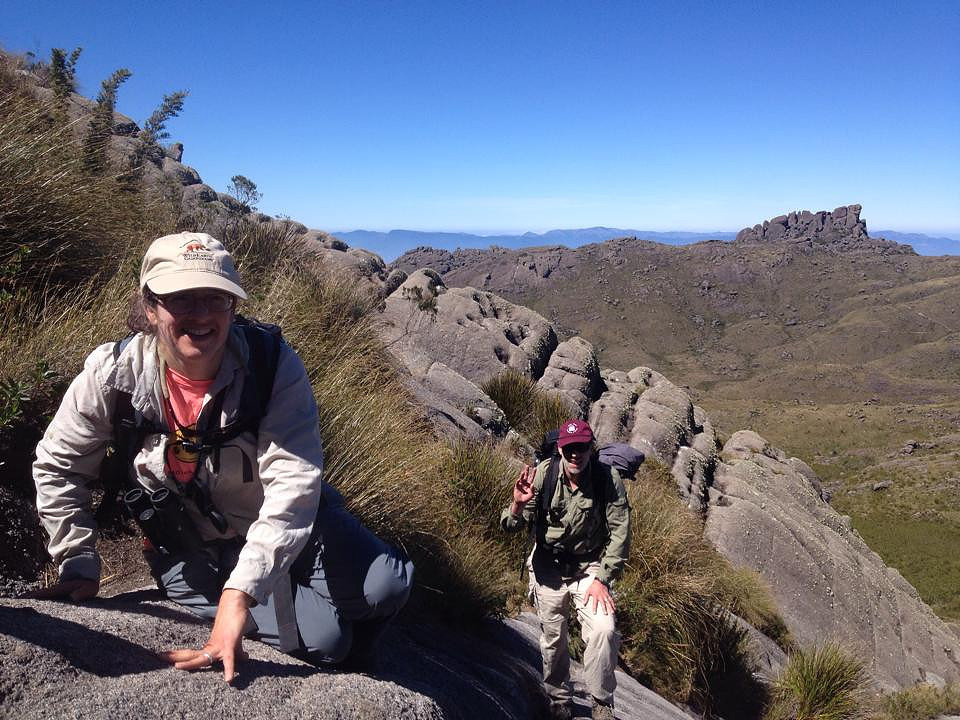
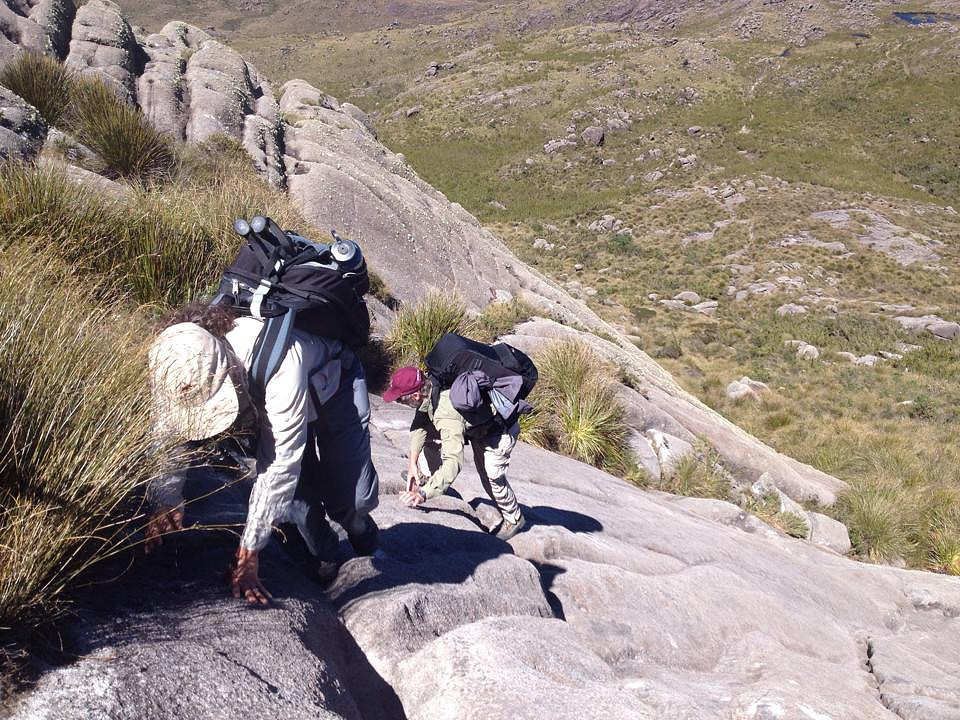
Bethanie Walder and Marcel Huijser climb up Pico das Agulhas Negras (Black Needles Peak)

September 17, 2014  •  Leave a Comment

Bethanie Walder and Marcel Huijser climb up the steep smooth rocks of Pico das Agulhas Negras (Black Needles Peak), Itatiaia National Park, Rio de Janeiro State, Brazil. This is the fifth highest peak in Brazil. Images by Luiz Antonio Gambá.

Bethanie Walder and Marcel Huijser climb up the rocks of Rock formations of Pico das Agulhas Negras (Black Needles Peak), Itatiaia National Park, Rio de Janeiro State, Brazil (2)Bethanie Walder and Marcel Huijser climb up the rocks of Rock formations of Pico das Agulhas Negras (Black Needles Peak), Itatiaia National Park, Rio de Janeiro State, Brazil (2)Bethanie Walder and Marcel Huijser climb up the rocks of Rock formations of Pico das Agulhas Negras (Black Needles Peak), Itatiaia National Park, Rio de Janeiro State, Brazil

Bethanie Walder and Marcel Huijser climb up the rocks of Rock formations of Pico das Agulhas Negras (Black Needles Peak), Itatiaia National Park, Rio de Janeiro State, BrazilBethanie Walder and Marcel Huijser climb up the rocks of Rock formations of Pico das Agulhas Negras (Black Needles Peak), Itatiaia National Park, Rio de Janeiro State, BrazilBethanie Walder and Marcel Huijser climb up the rocks of Rock formations of Pico das Agulhas Negras (Black Needles Peak), Itatiaia National Park, Rio de Janeiro State, Brazil


Brazilian landscapes: Atlantic forest with clouds at sunrise

September 17, 2014  •  Leave a Comment

Brazilian landscapes: Atlantic forest with clouds at sunrise, near Parque Nacional da Serra da Bocaina, São Paulo, Brazil.

Click here to view more images of Atlantic forest.

Click here to view more images of Parque Nacional da Serra da Bocaina.

Some large format prints (limited edition) are now for sale at Freshwater Studio & Gallery in Missoula, Montana.

Like Marcel Huijser Photography on Facebook

All content © 2014 Marcel Huijser

Atlantic forest with clouds at sunrise, near Parque Nacional da Serra da Bocaina, São Paulo, BrazilAtlantic forest with clouds at sunrise, near Parque Nacional da Serra da Bocaina, São Paulo, BrazilAtlantic forest with clouds at sunrise, near Parque Nacional da Serra da Bocaina, São Paulo, Brazil. At the end of the afternoon as the sun is setting clouds roll over the forested slopes. The area between Sao Paulo and Rio de Janeiro is classified as cloud forest. Atlantic forest with clouds at sunrise, near Parque Nacional da Serra da Bocaina, São Paulo, BrazilAtlantic forest with clouds at sunrise, near Parque Nacional da Serra da Bocaina, São Paulo, BrazilAtlantic forest with clouds at sunrise, near Parque Nacional da Serra da Bocaina, São Paulo, Brazil. At the end of the afternoon as the sun is setting clouds roll over the forested slopes. The area between Sao Paulo and Rio de Janeiro is classified as cloud forest. Atlantic forest with clouds at sunrise, near Parque Nacional da Serra da Bocaina, São Paulo, BrazilAtlantic forest with clouds at sunrise, near Parque Nacional da Serra da Bocaina, São Paulo, BrazilAtlantic forest with clouds at sunrise, near Parque Nacional da Serra da Bocaina, São Paulo, Brazil. At the end of the afternoon as the sun is setting clouds roll over the forested slopes. The area between Sao Paulo and Rio de Janeiro is classified as cloud forest.


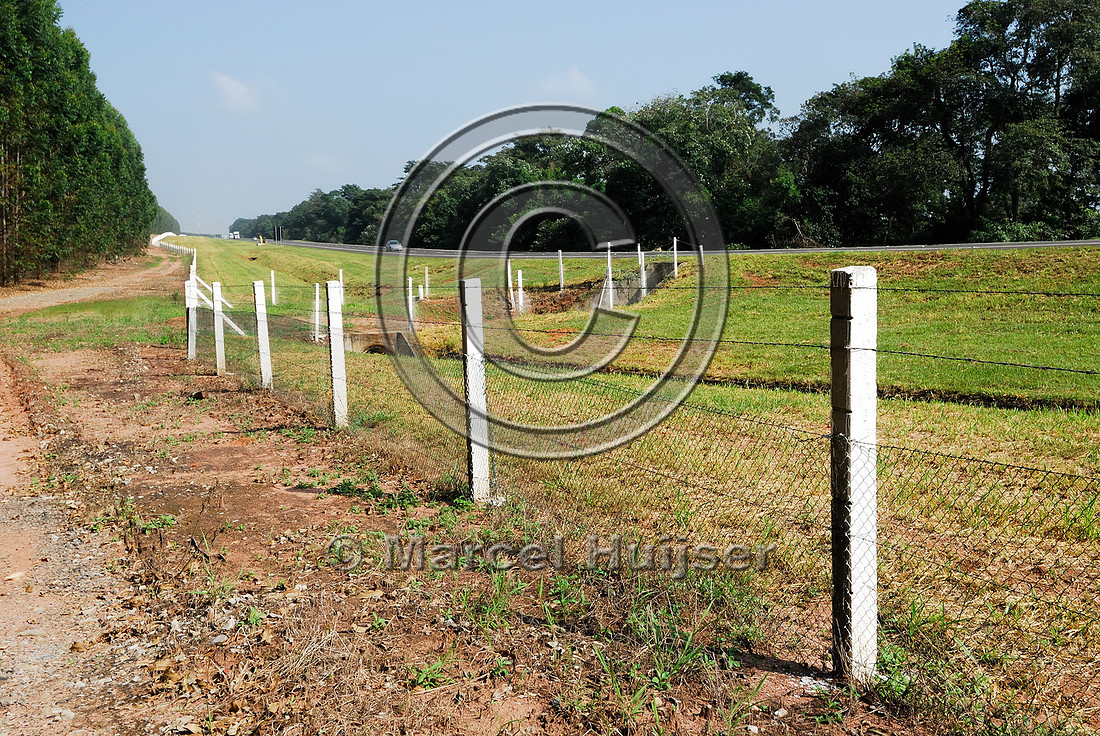
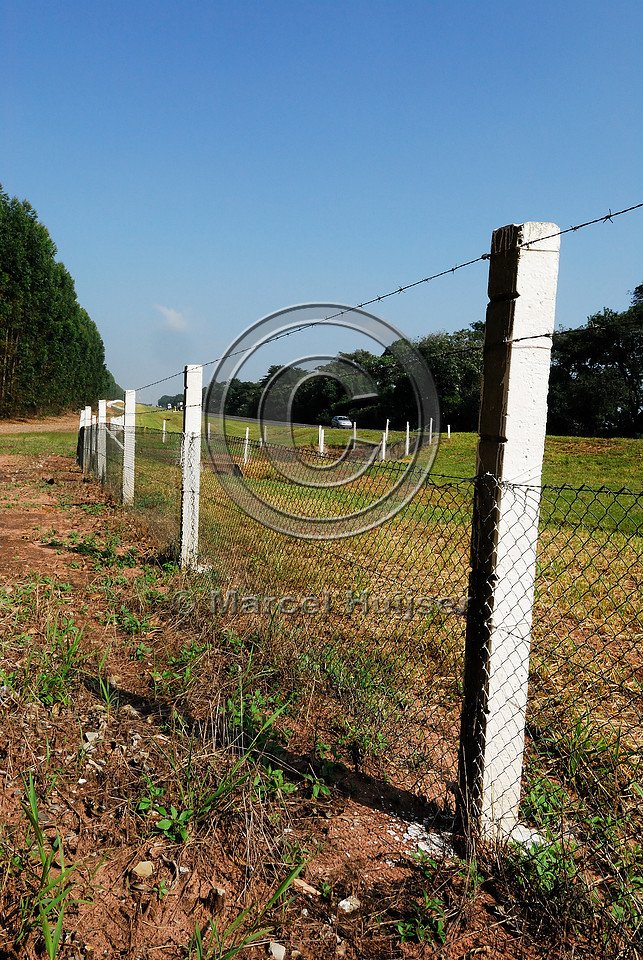
Road ecology blog: Fence and multifunctional underpass, near Brotas, Brazil

September 17, 2014  •  Leave a Comment

Road ecology blog: Fence and multifunctional underpass along SP-225 tollroad, near Brotas, Brazil

Click here for more images of wildlife fencing.

Like Marcel Huijser Photography on Facebook

All content © 2014 Marcel Huijser


Fence and multifunctional underpass, SP-225, near Brotas, BrazilFence and multifunctional underpass, SP-225, near Brotas, BrazilFence and multifunctional underpass, SP-225, near Brotas, Brazil Fence and multifunctional underpass, SP-225, near Brotas, BrazilFence and multifunctional underpass, SP-225, near Brotas, BrazilFence and multifunctional underpass, SP-225, near Brotas, Brazil


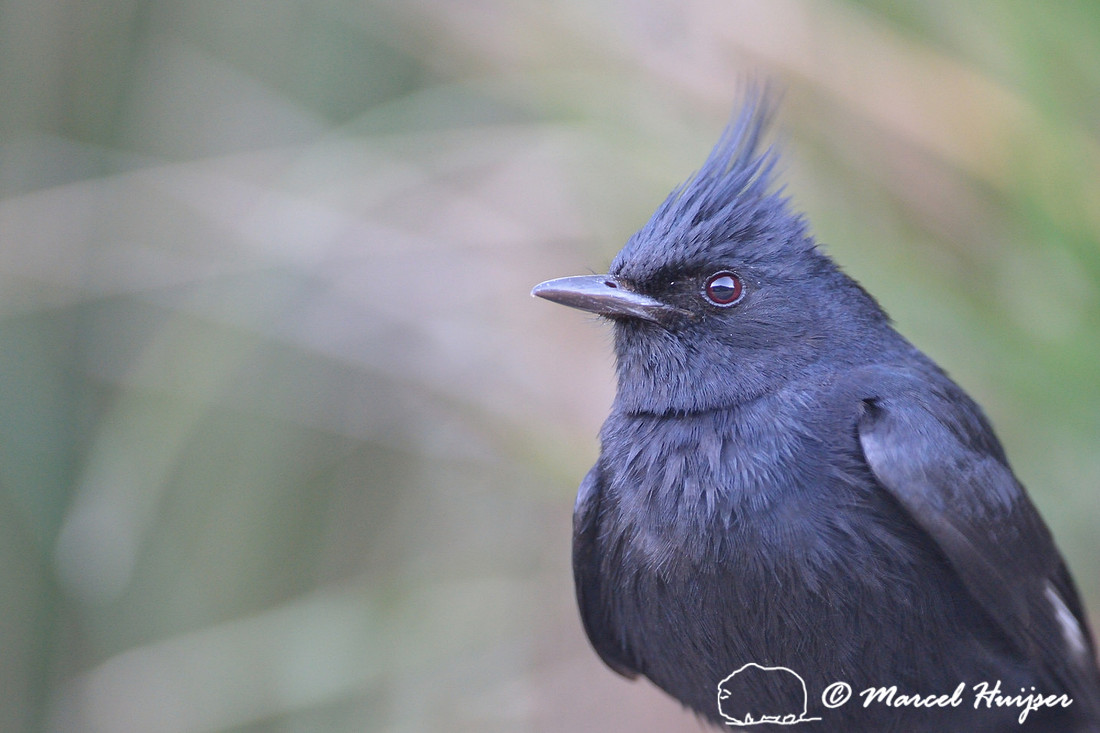
Brazilian wildlife: Crested black-tyrant, Itatiaia National Park, Brazil

September 16, 2014  •  Leave a Comment

Brazilian wildlife: Crested black-tyrant (Knipolegus lophotes), Itatiaia National Park, Rio de Janeiro State, Brazil.

Click here for images of crested black-tyrants.

Some large format prints (limited edition) are now for sale at Freshwater Studio & Gallery in Missoula, Montana.

Like Marcel Huijser Photography on Facebook

All content © 2014 Marcel Huijser

Crested black-tyrant (Knipolegus lophotes), Itatiaia National Park, Rio de Janeiro State, BrazilCrested black-tyrant (Knipolegus lophotes), Itatiaia National Park, Rio de Janeiro State, BrazilCrested black-tyrant (Knipolegus lophotes), Itatiaia National Park, Rio de Janeiro State, Brazil


Brazilian landscapes: Sunrise with Atlantic forest

September 16, 2014  •  Leave a Comment

Brazilian landscapes: Sunrise with Atlantic forest, near Parque Nacional da Serra da Bocaina, São Paulo, Brazil.

Click here to view more images of Atlantic forest.

Click here to view more images of Parque Nacional da Serra da Bocaina.

Some large format prints (limited edition) are now for sale at Freshwater Studio & Gallery in Missoula, Montana.

Like Marcel Huijser Photography on Facebook

All content © 2014 Marcel Huijser

Sunrise with Atlantic forest, near Parque Nacional da Serra da Bocaina, São Paulo, BrazilSunrise with Atlantic forest, near Parque Nacional da Serra da Bocaina, São Paulo, BrazilSunrise with Atlantic forest, near Parque Nacional da Serra da Bocaina, São Paulo, Brazil


Brazilian wildlife: Great pampa-finch, Itatiaia National Park, Rio de Janeiro State, Brazil

September 15, 2014  •  Leave a Comment

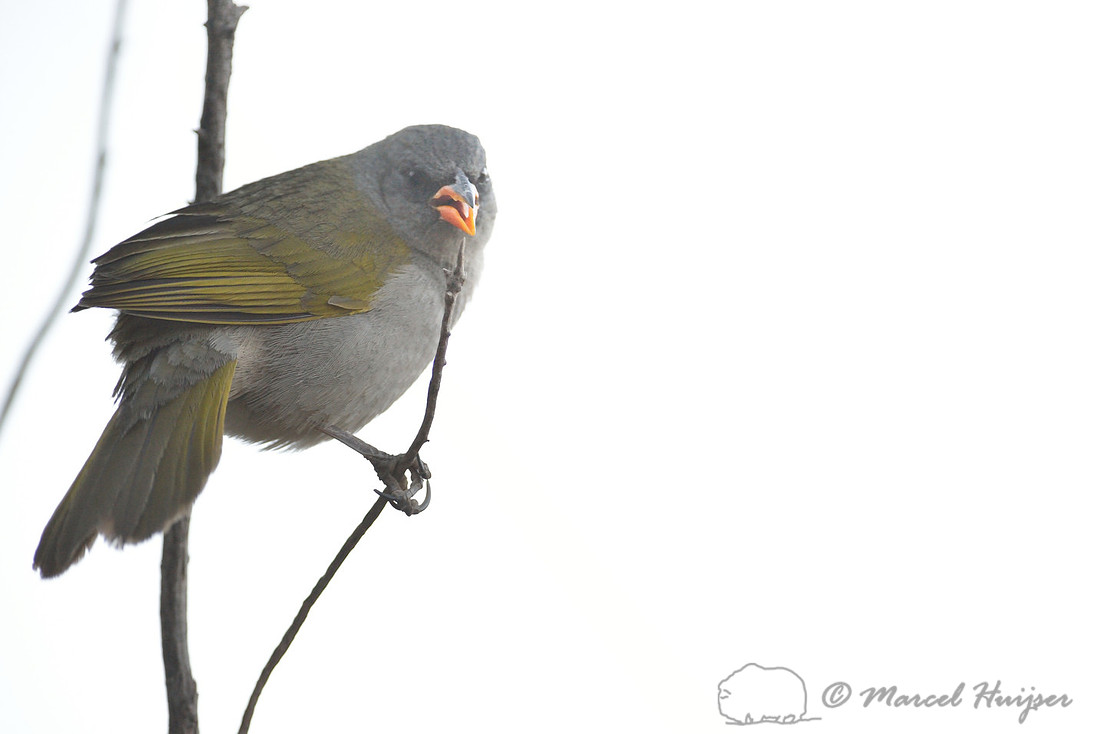
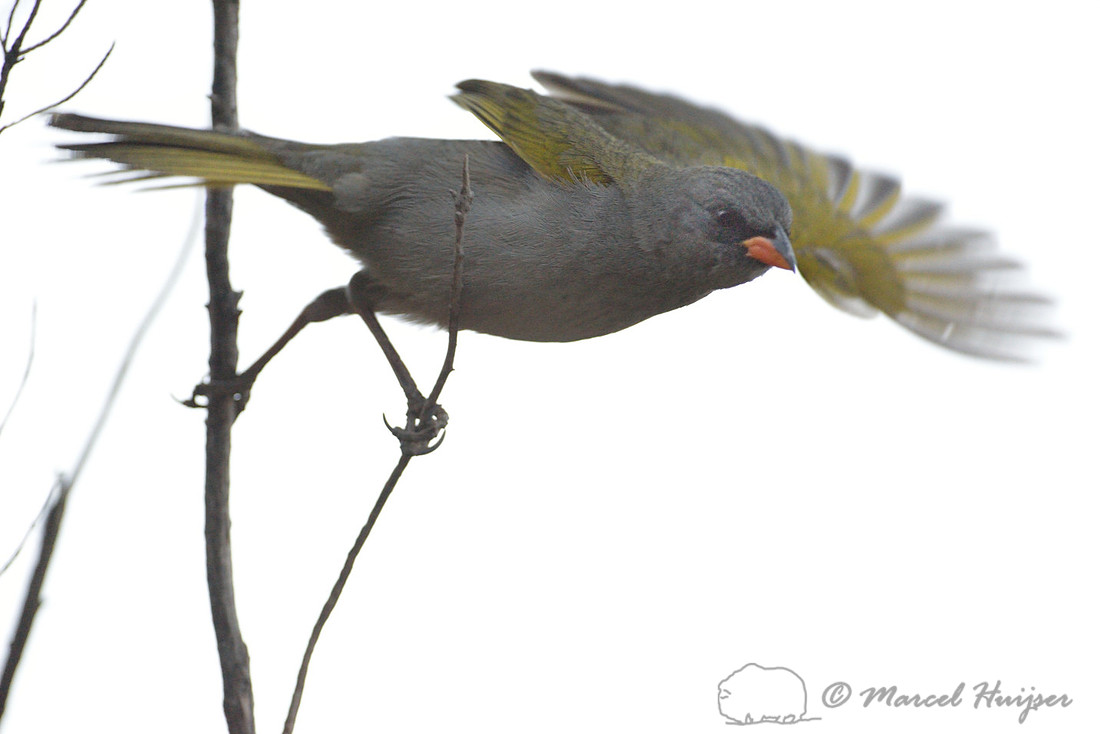
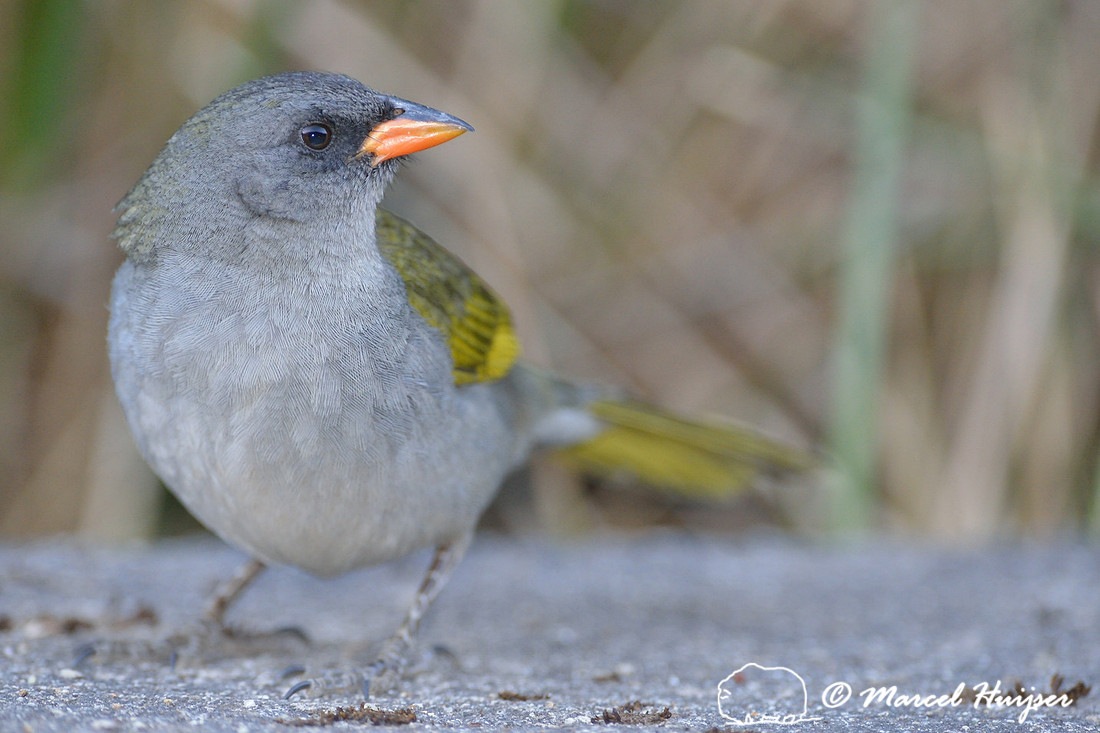
Brazilian wildlife: Great pampa-finch (Embernagra platensis) Itatiaia National Park, Rio de Janeiro State, Brazil.

Click here for other images of great pampa-finches.

Some large format prints (limited edition) are now for sale at Freshwater Studio & Gallery in Missoula, Montana.

Like Marcel Huijser Photography on Facebook

All content © 2014 Marcel Huijser


Great pampa-finch (Embernagra platensis) Itatiaia National Park, Rio de Janeiro State, BrazilGreat pampa-finch (Embernagra platensis) Itatiaia National Park, Rio de Janeiro State, BrazilGreat pampa-finch (Embernagra platensis) Itatiaia National Park, Rio de Janeiro State, Brazil Great pampa-finch (Embernagra platensis) Itatiaia National Park, Rio de Janeiro State, BrazilGreat pampa-finch (Embernagra platensis) Itatiaia National Park, Rio de Janeiro State, BrazilGreat pampa-finch (Embernagra platensis) Itatiaia National Park, Rio de Janeiro State, Brazil Great pampa-finch (Embernagra platensis) Itatiaia National Park, Rio de Janeiro State, BrazilGreat pampa-finch (Embernagra platensis) Itatiaia National Park, Rio de Janeiro State, BrazilGreat pampa-finch (Embernagra platensis) Itatiaia National Park, Rio de Janeiro State, Brazil


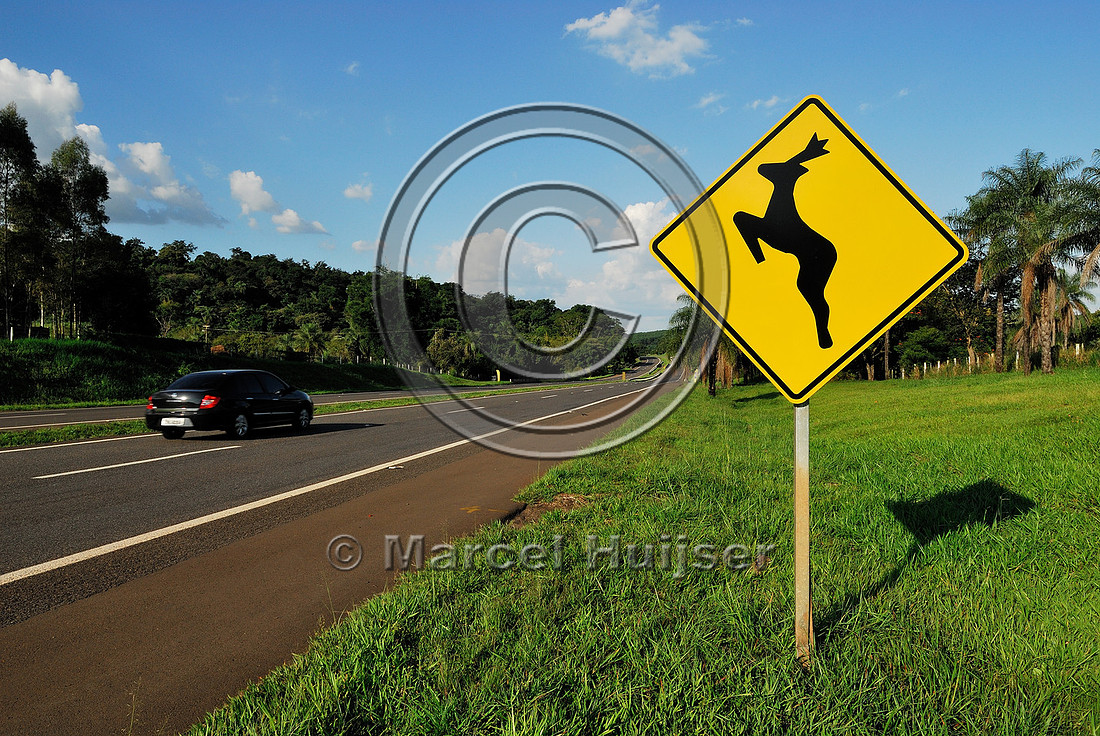
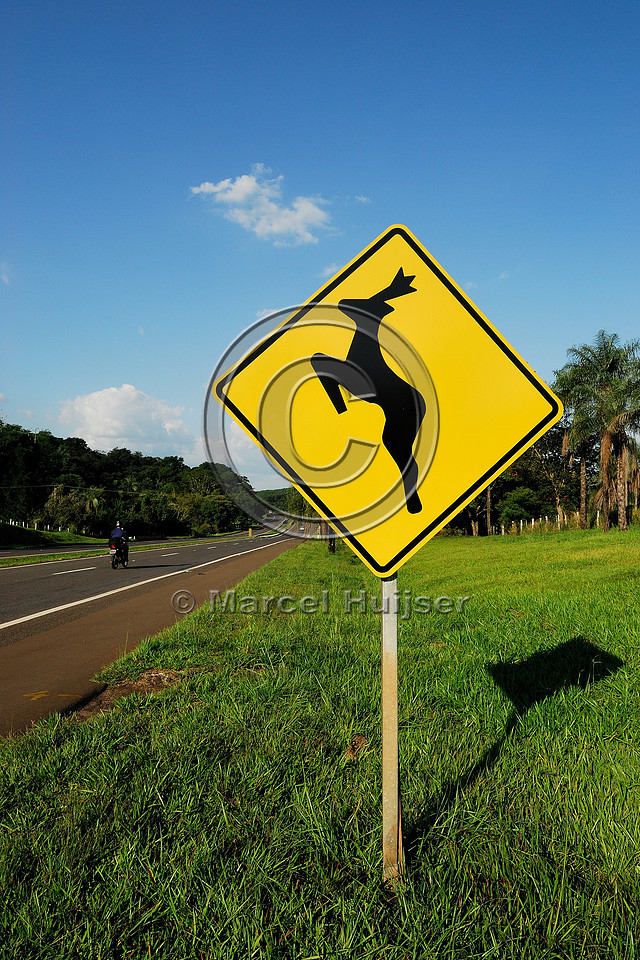
Road ecology blog: Deer warning sign along SP-225 motorway, Brotas, Brazil

September 11, 2014  •  Leave a Comment

Road ecology blog: Deer warning sign along SP-225 motorway, Brotas, Brazil.

Click here for other images of other wildlife or livestock warning signs.

Click here for other images of animals that were killed by cars.

Click here for other images of animals alive on or near roads.

Some large format prints (limited edition) are now for sale at Freshwater Studio & Gallery in Missoula, Montana.

Like Marcel Huijser Photography on Facebook

All content © 2014 Marcel Huijser


Deer warning sign along SP-225 motorway, Brotas, BrazilDeer warning sign along SP-225 motorway, Brotas, BrazilDeer warning sign along SP-225 motorway, Brotas, Brazil Deer warning sign along SP-225 motorway, Brotas, BrazilDeer warning sign along SP-225 motorway, Brotas, BrazilDeer warning sign along SP-225 motorway, Brotas, Brazil


Road ecology blog: Partial slope stabilization with sod along gravel road, Brazil

September 10, 2014  •  Leave a Comment

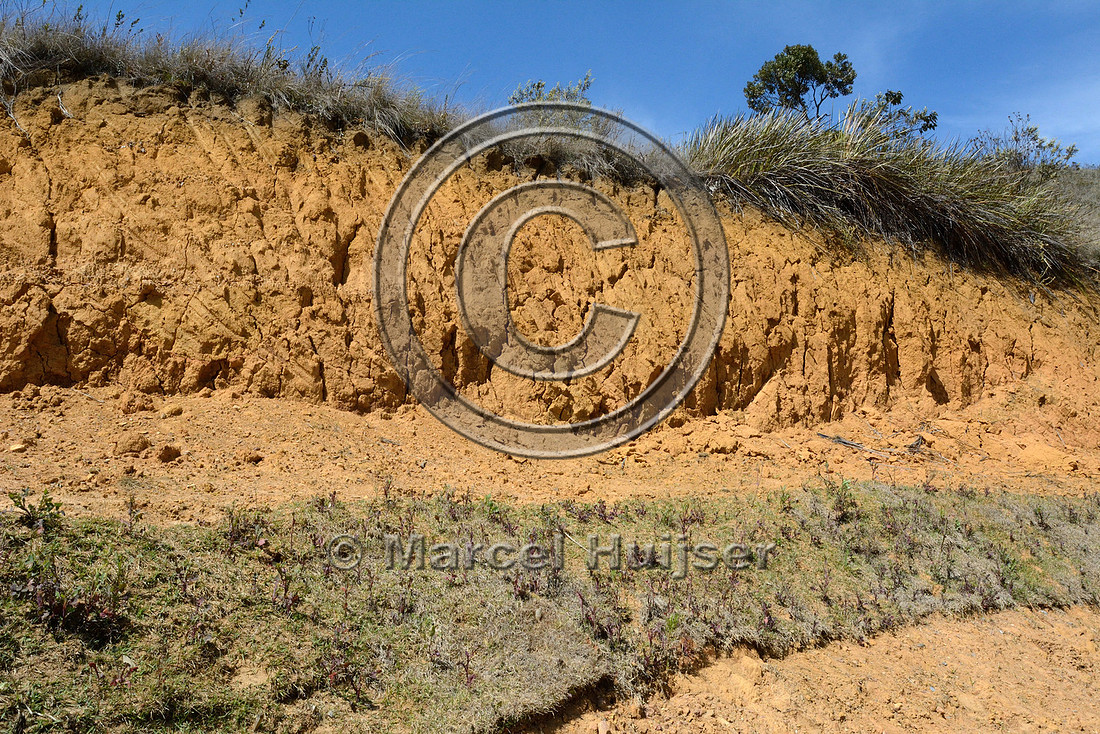
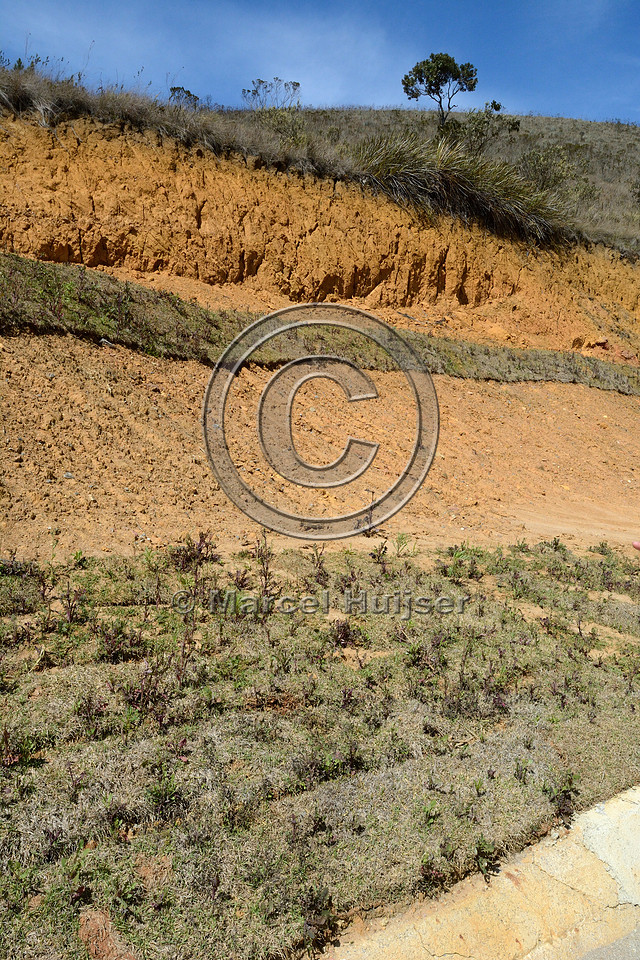
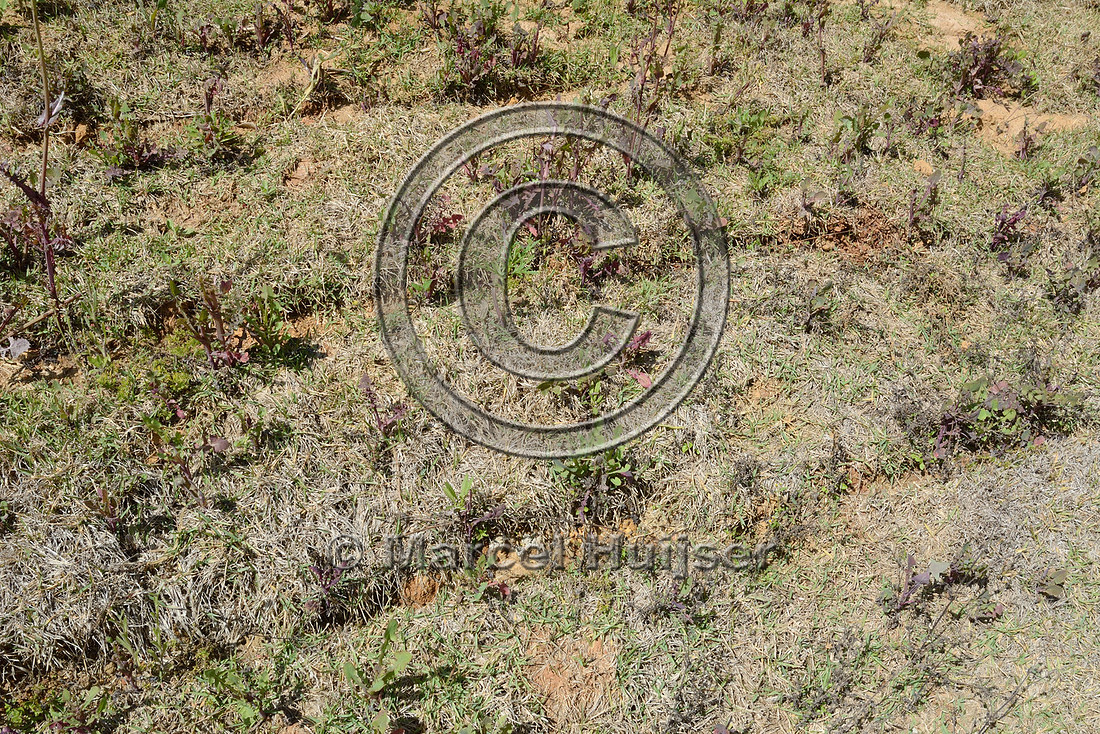
Road ecology blog: Partial slope stabilization with sod along gravel road, near Parque Nacional da Serra da Bocaina, São Paulo, Brazil.

Click here for more images of erosion and erosion control measures.

Like Marcel Huijser Photography on Facebook

All content © 2014 Marcel Huijser

Partial slope stabilization with sod along gravel road, near Parque Nacional da Serra da Bocaina, São Paulo, BrazilPartial slope stabilization with sod along gravel road, near Parque Nacional da Serra da Bocaina, São Paulo, BrazilPartial slope stabilization with sod along gravel road, near Parque Nacional da Serra da Bocaina, São Paulo, Brazil

Partial slope stabilization with sod along gravel road, near Parque Nacional da Serra da Bocaina, São Paulo, BrazilPartial slope stabilization with sod along gravel road, near Parque Nacional da Serra da Bocaina, São Paulo, BrazilPartial slope stabilization with sod along gravel road, near Parque Nacional da Serra da Bocaina, São Paulo, Brazil

Partial slope stabilization with sod along gravel road, near Parque Nacional da Serra da Bocaina, São Paulo, BrazilPartial slope stabilization with sod along gravel road, near Parque Nacional da Serra da Bocaina, São Paulo, BrazilPartial slope stabilization with sod along gravel road, near Parque Nacional da Serra da Bocaina, São Paulo, Brazil


Road ecology blog: Concrete gutter to capture water seeping from cut slope, Brazil

September 09, 2014  •  Leave a Comment

Road ecology blog: Concrete drainage gutter (left) to capture water seeping from the cut slope, and entrance to drainage culvert under a the gravel road, near Parque Nacional da Serra da Bocaina, São Paulo, Brazil.

Click here for more images of erosion and erosion control measures.

Like Marcel Huijser Photography on Facebook

All content © 2014 Marcel Huijser

Concrete drainage gutter (left) to capture water seeping from the cut slope, and entrance to drainage culvert, Parque Nacional da Serra da Bocaina, São Paulo, BrazilConcrete drainage gutter (left) to capture water seeping from the cut slope, and entrance to drainage culvert, Parque Nacional da Serra da Bocaina, São Paulo, BrazilConcrete drainage gutter (left) to capture water seeping from the cut slope, and entrance to drainage culvert, Parque Nacional da Serra da Bocaina, São Paulo, Brazil Concrete drainage gutter (left) to capture water seeping from the cut slope, and entrance to drainage culvert, Parque Nacional da Serra da Bocaina, São Paulo, BrazilConcrete drainage gutter (left) to capture water seeping from the cut slope, and entrance to drainage culvert, Parque Nacional da Serra da Bocaina, São Paulo, BrazilConcrete drainage gutter (left) to capture water seeping from the cut slope, and entrance to drainage culvert, Parque Nacional da Serra da Bocaina, São Paulo, Brazil


Road ecology blog: Plastic erosion control netting can be a death trap for wildlife, Brazil

September 08, 2014  •  Leave a Comment

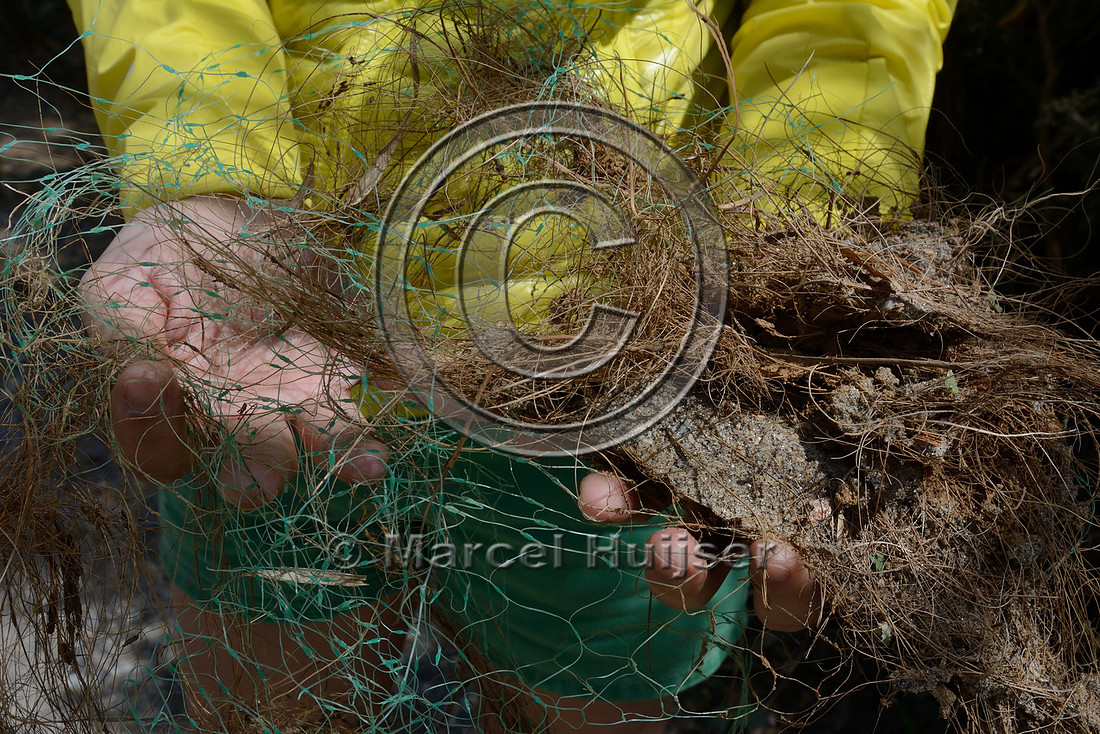
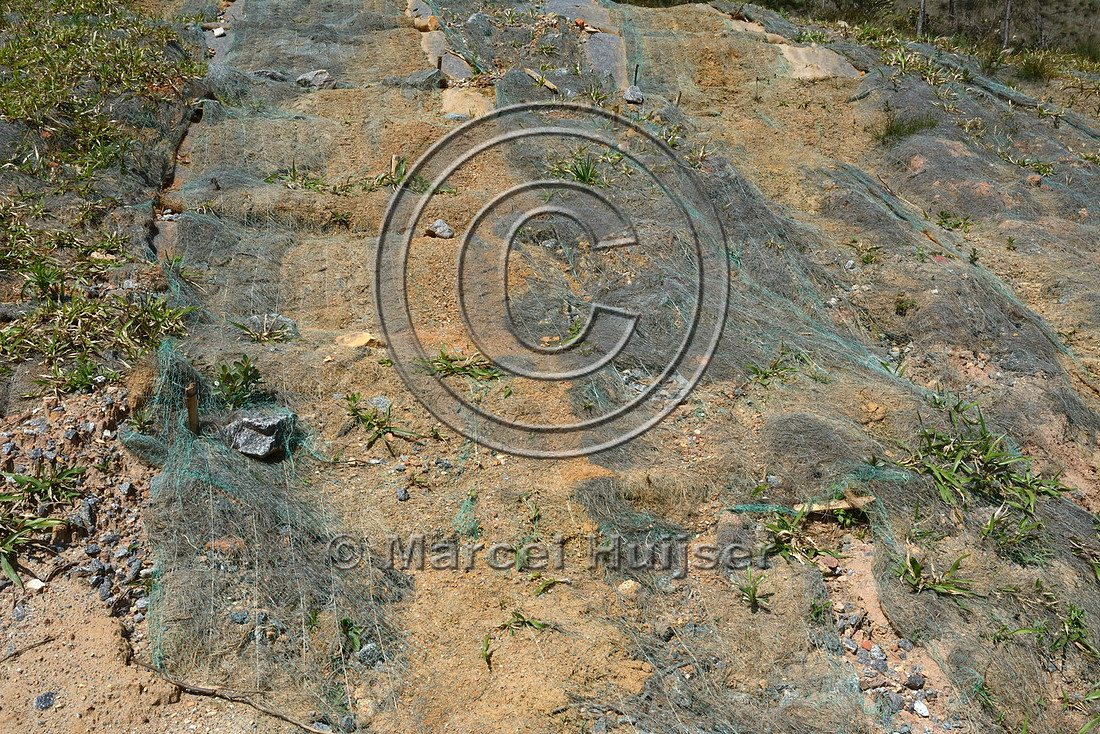
Road ecology blog: Plastic erosion control netting can be a death trap for snakes and other wildlife, Parque Nacional da Serra da Bocaina, São Paulo, Brazil.

This type of netting helps stabilize the soil on steep slopes. However, it also acts as a death trap for animals, especially snakes. It is far better to use anti erosion netting made out of natural fibers that decompose within a year or so. Plastic netting can continue to be a death trap for decades.

Click here for more images of erosion and erosion control measures.

Like Marcel Huijser Photography on Facebook

All content © 2014 Marcel Huijser


Plastic erosion control netting can be a death trap for snakes and other wildlife, Parque Nacional da Serra da Bocaina, São Paulo, BrazilPlastic erosion control netting can be a death trap for snakes and other wildlife, Parque Nacional da Serra da Bocaina, São Paulo, BrazilPlastic erosion control netting can be a death trap for snakes and other wildlife, Parque Nacional da Serra da Bocaina, São Paulo, Brazil. This type of netting helps stabilize the soil on steep slopes. However, it also acts as a death trap for animals, especially snakes. It is far better to use anti erosion netting made out of natural fibers that decompose within a year or so. Plastic netting can continue to be a death trap for decades.

Plastic erosion control netting can be a death trap for snakes and other wildlife, Parque Nacional da Serra da Bocaina, São Paulo, BrazilPlastic erosion control netting can be a death trap for snakes and other wildlife, Parque Nacional da Serra da Bocaina, São Paulo, BrazilPlastic erosion control netting can be a death trap for snakes and other wildlife, Parque Nacional da Serra da Bocaina, São Paulo, Brazil. This type of netting helps stabilize the soil on steep slopes. However, it also acts as a death trap for animals, especially snakes. It is far better to use anti erosion netting made out of natural fibers that decompose within a year or so. Plastic netting can continue to be a death trap for decades. Plastic erosion control netting can be a death trap for snakes and other wildlife, Parque Nacional da Serra da Bocaina, São Paulo, BrazilPlastic erosion control netting can be a death trap for snakes and other wildlife, Parque Nacional da Serra da Bocaina, São Paulo, BrazilPlastic erosion control netting can be a death trap for snakes and other wildlife, Parque Nacional da Serra da Bocaina, São Paulo, Brazil. This type of netting helps stabilize the soil on steep slopes. However, it also acts as a death trap for animals, especially snakes. It is far better to use anti erosion netting made out of natural fibers that decompose within a year or so. Plastic netting can continue to be a death trap for decades.


Road ecology blog: Sign advertising the installation of a capybara fence, Brazil

September 07, 2014  •  Leave a Comment

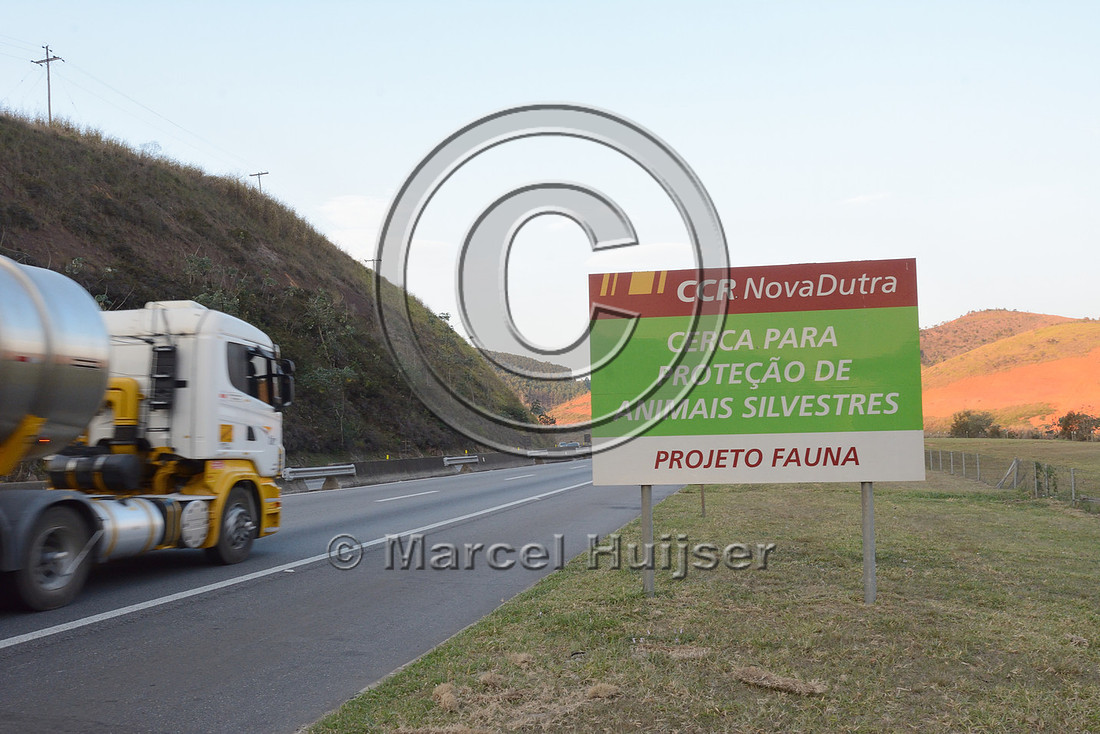
Road ecology blog: Sign advertising the installation of a wildlife fence, fence for the protection from wildlife, (cerca para proteção de animais silvestres projeto fauna), Rodovia Presidente Dutra, (BR-116 – SP-60), near Lavrinhas, São Paulo, Brazil

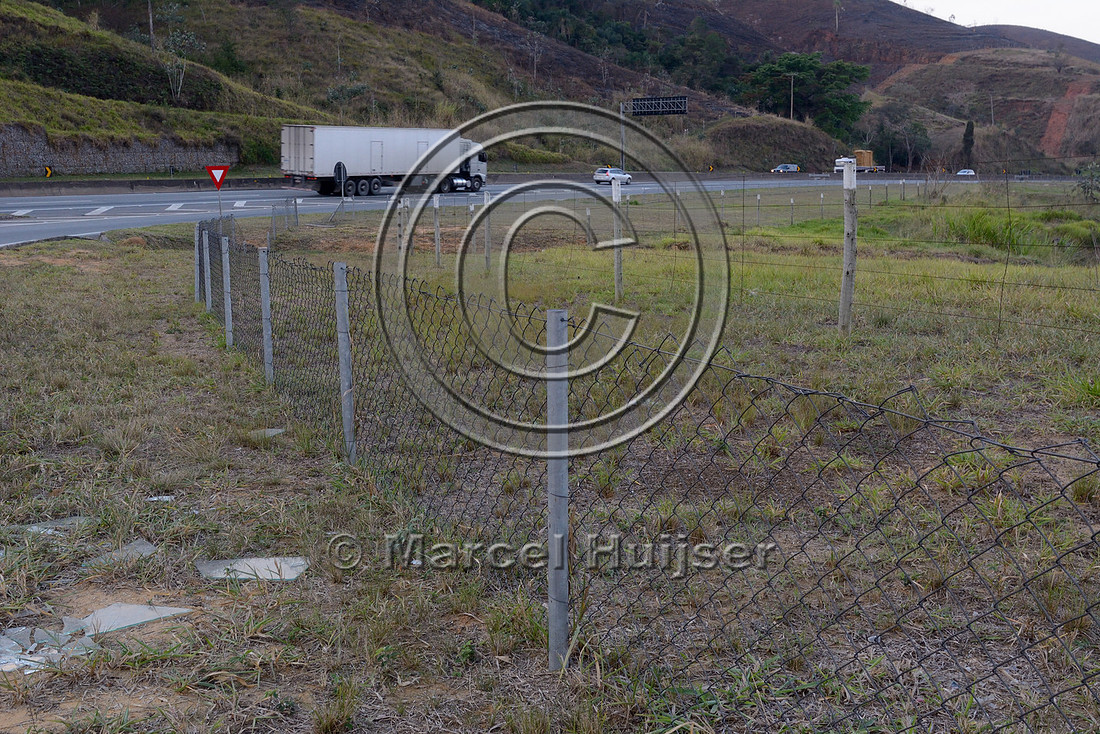
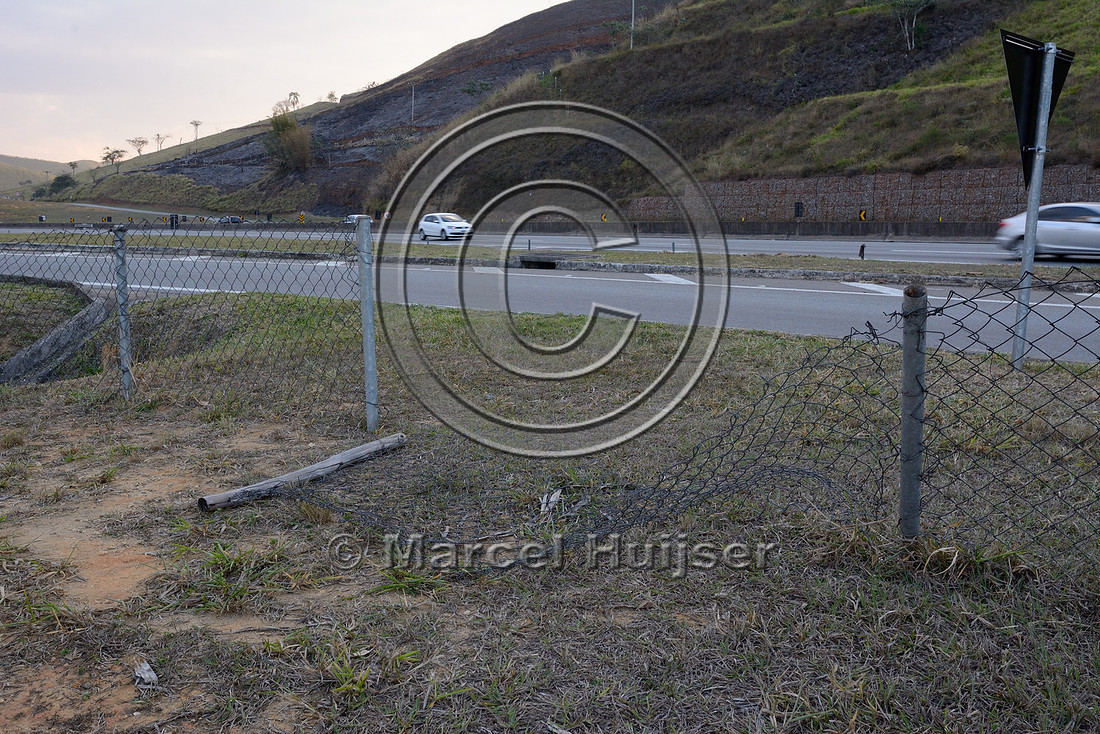
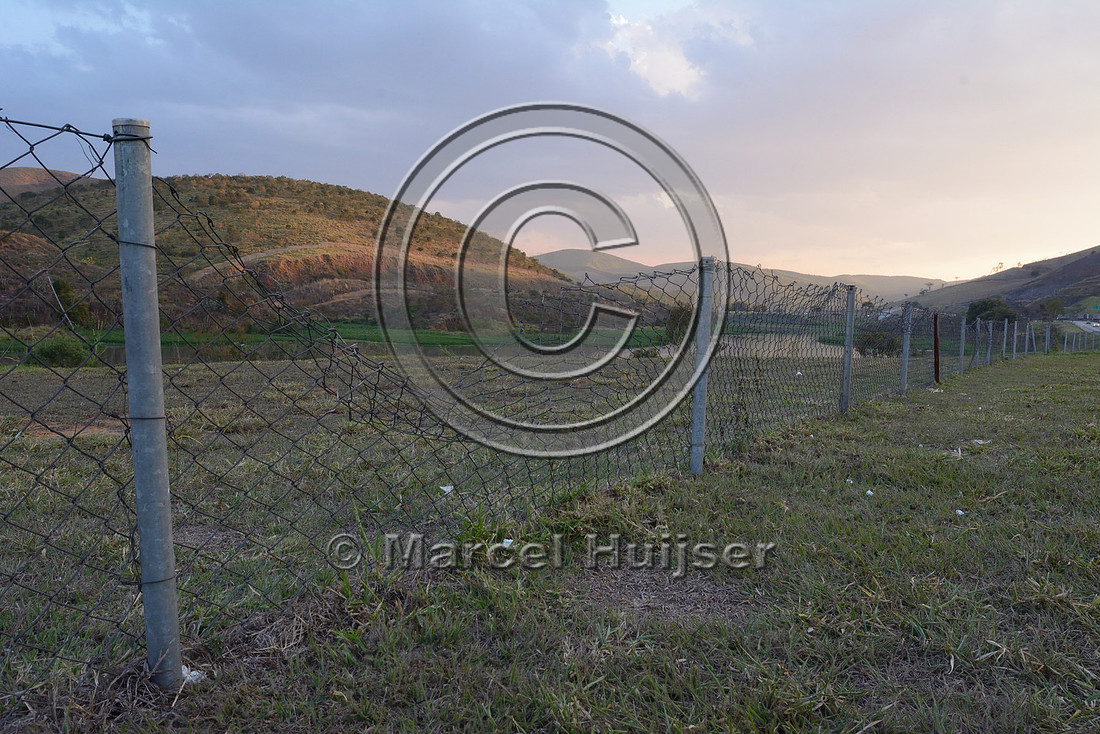
For several kilometers the highway is adjacent to the floodplains of the Rio Paraíba do Sul. A fence, about 80 cm tall, has been installed here to keep capybara (Hydrochoerus hydrochaeris) off the highway. The sign advertizes the installation of the fence by the tollroad company "CCR NovaDutra". However, the fence is only installed on one side of the road (along the river), and there are gaps in the fence. It is almost always advisable to install wildlife fences on both sides of a road rather than on just one side, and fencing should typically be accompanied by safe crossing opportunities for wildlife. In addition, fence maintenance is essential for the mitigation measures to be effective in reducing wildlife-vehicle collisions.

Click here for more images of wildlife fencing.

Like Marcel Huijser Photography on Facebook

All content © 2014 Marcel Huijser
 

Sign advertising the installation of a wildlife fence, fence for the protection from wildlife,   (cerca para proteção de animais silvestres projeto fauna), Rodovia Presidente Dutra, (BR-116 – SP-60),Sign advertising the installation of a wildlife fence, fence for the protection from wildlife, (cerca para proteção de animais silvestres projeto fauna), Rodovia Presidente Dutra, (BR-116 – SP-60),Sign advertising the installation of a wildlife fence, fence for the protection from wildlife, (cerca para proteção de animais silvestres projeto fauna), Rodovia Presidente Dutra, (BR-116 – SP-60), near Lavrinhas, São Paulo, Brazil. For several kilometers the is adjacent to the floodplains of the Rio Paraíba do Sul. A fence, about 80 cm tall, has been installed here to keep capybara (Hydrochoerus hydrochaeris) off the highway. The sign advertizes the installation of the fence by the tollroad company "CCR NovaDutra". However, the fence is only installed on one side of the road (along the river), and there are gaps in the fence. It is almost always advisable to install wildlife fences on both sides of a road rather than on just one side, and fencing should typically be accompanied by safe crossing opportunities for wildlife. In addition, fence maintanence is essential for the mitigation measures to be effective in reducing wildlife-vehicle collisions. Wildlife fence to keep capybara (Hydrochoerus hydrochaeris) off the highway, Rodovia Presidente Dutra, (BR-116 – SP-60), near Lavrinhas, São Paulo, BrazilWildlife fence to keep capybara (Hydrochoerus hydrochaeris) off the highway, Rodovia Presidente Dutra, (BR-116 – SP-60), near Lavrinhas, São Paulo, BrazilWildlife fence to keep capybara (Hydrochoerus hydrochaeris) off the highway, Rodovia Presidente Dutra, (BR-116 – SP-60), near Lavrinhas, São Paulo, Brazil. For several kilometers the is adjacent to the floodplains of the Rio Paraíba do Sul. A fence, about 80 cm tall, has been installed here to keep capybara (Hydrochoerus hydrochaeris) off the highway. The sign advertizes the installation of the fence by the tollroad company "CCR NovaDutra". However, the fence is only installed on one side of the road (along the river), and there are gaps in the fence. It is almost always advisable to install wildlife fences on both sides of a road rather than on just one side, and fencing should typically be accompanied by safe crossing opportunities for wildlife. In addition, fence maintanence is essential for the mitigation measures to be effective in reducing wildlife-vehicle collisions. Wildlife fence to keep capybara (Hydrochoerus hydrochaeris) off the highway, with a large gap in the fence, Rodovia Presidente Dutra, (BR-116 – SP-60), near Lavrinhas, São Paulo, BrazilWildlife fence to keep capybara (Hydrochoerus hydrochaeris) off the highway, with a large gap in the fence, Rodovia Presidente Dutra, (BR-116 – SP-60), near Lavrinhas, São Paulo, BrazilWildlife fence to keep capybara (Hydrochoerus hydrochaeris) off the highway, with a large gap in the fence, Rodovia Presidente Dutra, (BR-116 – SP-60), near Lavrinhas, São Paulo, Brazil. For several kilometers the is adjacent to the floodplains of the Rio Paraíba do Sul. A fence, about 80 cm tall, has been installed here to keep capybara (Hydrochoerus hydrochaeris) off the highway. The sign advertizes the installation of the fence by the tollroad company "CCR NovaDutra". However, the fence is only installed on one side of the road (along the river), and there are gaps in the fence. It is almost always advisable to install wildlife fences on both sides of a road rather than on just one side, and fencing should typically be accompanied by safe crossing opportunities for wildlife. In addition, fence maintanence is essential for the mitigation measures to be effective in reducing wildlife-vehicle collisions.

Wildlife fence to keep capybara (Hydrochoerus hydrochaeris) off the highway, with a large gap in the fence, Rodovia Presidente Dutra, (BR-116 – SP-60), near Lavrinhas, São Paulo, BrazilWildlife fence to keep capybara (Hydrochoerus hydrochaeris) off the highway, with a large gap in the fence, Rodovia Presidente Dutra, (BR-116 – SP-60), near Lavrinhas, São Paulo, BrazilWildlife fence to keep capybara (Hydrochoerus hydrochaeris) off the highway, with a large gap in the fence, Rodovia Presidente Dutra, (BR-116 – SP-60), near Lavrinhas, São Paulo, Brazil. For several kilometers the is adjacent to the floodplains of the Rio Paraíba do Sul. A fence, about 80 cm tall, has been installed here to keep capybara (Hydrochoerus hydrochaeris) off the highway. The sign advertizes the installation of the fence by the tollroad company "CCR NovaDutra". However, the fence is only installed on one side of the road (along the river), and there are gaps in the fence. It is almost always advisable to install wildlife fences on both sides of a road rather than on just one side, and fencing should typically be accompanied by safe crossing opportunities for wildlife. In addition, fence maintanence is essential for the mitigation measures to be effective in reducing wildlife-vehicle collisions.


Life in Brazil: Passion fruit mouse and pão de queijo

September 05, 2014  •  Leave a Comment

Text by Bethanie Walder

Passion fruit mousse is Marcel’s new favorite dessert. It’s pretty dangerous to have a favorite dessert that only takes about 10 minutes to make. (And yes, for those who know I don’t usually eat sugar, passion fruit mousse is basically irresistible for me, too.)

Last weekend we traded cooking lessons with Fernanda – I showed her how to make hummus and she showed Marcel and I how to make passion fruit (maracujá) mousse. For those of you who are interested, and who have access to passion fruit – making the mousse is simple and pretty similar to making a no-cook filling for key lime pie. You mix equal parts sweetened condensed milk and passion fruit juice (it took about 6 fruits to get enough juice), then fold in whipped cream. The basic ratio of ingredients is basically one third milk, one third juice, one third whipped cream. Let set in the fridge for about an hour, drizzle passion fruit juice/seeds on top, and eat. We didn’t have a good kitchen implement for whipping our whipping cream, so we didn’t bother, since the mousse tastes just as good even if it doesn’t set up thickly.

Making passion fruit mousseMaking passion fruit mousseMaking passion fruit mousse Making passion fruit mousseMaking passion fruit mousseMaking passion fruit mousse Making passion fruit mousseMaking passion fruit mousseMaking passion fruit mousse


Fernanda also introduced us to an equally dangerous and easy to make food this weekend – frozen pão de queijo. It’s not that we didn’t already know and love pão de queijo, we became addicted to it the last time we were in Brazil. This little baked treat is one of the famed foods of Brazil, and we had absolutely no idea that you could buy them frozen to cook at home. (Okay, so frozen pão de queijo is a bit like frozen french fries or frozen pizza, it’s certainly not the best, but it’ll do.) The first week we were here I bought all the ingredients to try making pão de queijo from scratch, but I’ve been procrastinating. It’s made from a type of tapioca flour mixed with cheese and then baked. The outside is lightly crispy, like fresh-baked sandwich bread, and the inside is cheesy gelatinous deliciousness. It has to be eaten hot (okay, it doesn’t have to be, but it sure tastes a lot better hot). We’ve been eating it pretty sparingly since we got here, but now, with a bag of these addictive cheese buns in our freezer, things could get ugly quickly (in terms of our attempts to continue to fit into our clothes, that is).

pão de queijopão de queijopão de queijo


Next Brazilian dish to try making ourselves… feijoada?? Or maybe risotto with hearts of palm and requeijo (creamy creamy cheese)?? Whatever it is, hopefully it will come out as good as the maracujá mousse.


Life in Brazil: Bombeiros and cloud forest

September 03, 2014  •  Leave a Comment

Text by Bethanie Walder

Marcel couldn’t have known, when he put on his bright yellow shirt on Saturday, that he might be mistaken for a wildland firefighter later in the day. But as he scrambled around in blackened grass, photographing some bombeiros (firefighters) stomping out a small wildfire, it was easy to mistake him for one of the crew.

We spent the weekend in and around Parque Nacional da Serra da Bocaina. Near the coastal border of São Paulo and Rio de Janeiro states, Bocaina covers about 104,000 hectares and is largely made up of primary Atlantic Forest. It has some of the highest mountains in São Paulo State, and the mountains drop right down to the ocean. It definitely felt like we were headed into the clouds as we drove up a very steep, extremely curvy mountain road, in a thick fog, near midnight Friday night. The cloud forest has tapir, puma, sloths, several species of monkeys and numerous other mammals, though we didn’t see any wildlife while we were there (but we did find some tracks that might have been from a puma).


Images below Atlantic forest (here it is also a cloud forest), near Parque Nacional da Serra da Bocaina, São Paulo, Brazil. At the end of the afternoon - as the sun sets - the clouds roll in over the forested slopes.

Atlantic forest in clouds, near Parque Nacional da Serra da Bocaina, São Paulo, BrazilAtlantic forest in clouds, near Parque Nacional da Serra da Bocaina, São Paulo, BrazilAtlantic forest in clouds, near Parque Nacional da Serra da Bocaina, São Paulo, Brazil. At the end of the afternoon as the sun is setting clouds roll over the forested slopes. The area between Sao Paulo and Rio de Janeiro is classified as cloud forest.

*** SELECT BLACK AND WHITE PAPER FOR PRINTING; COLOR PAPER WILL RESULT IN BROWN HAZE OVER IMAGE ***
Atlantic forest in clouds, near Parque Nacional da Serra da Bocaina, São Paulo, BrazilAtlantic forest in clouds, near Parque Nacional da Serra da Bocaina, São Paulo, BrazilAtlantic forest in clouds, near Parque Nacional da Serra da Bocaina, São Paulo, Brazil. At the end of the afternoon as the sun is setting clouds roll over the forested slopes. The area between Sao Paulo and Rio de Janeiro is classified as cloud forest.


We stayed in a beautiful house (we are fortunate to know Gambá, since he has many friends who have well-placed vacation houses) near the top of a mountain, just a few kilometers from one of the park entrances. As we drove to the park on Saturday we had passed two bombeiros (fire fighters), walking along the road in their bright yellow shirts. Gambá gave them a ride to the park in the bed of the VW Amarok pickup truck (VW sponsors the outdoor adventure company Gambá works for, Adventure Camp, by providing them with this truck – Marcel is infatuated – if they sold diesel Amaroks in the US, I think he’d buy one).


Images below: Firefighters hitching a ride to a fire with the Volkswagen Amarok from Adventure Camp, Parque Nacional da Serra da Bocaina, São Paulo, Brazil

Fire fighter hitching a ride to a fire with the Volkswagen Amarok from Adventure Camp, Parque Nacional da Serra da Bocaina, São Paulo, BrazilFire fighter hitching a ride to a fire with the Volkswagen Amarok from Adventure Camp, Parque Nacional da Serra da Bocaina, São Paulo, BrazilFire fighter hitching a ride to a fire with the Volkswagen Amarok from Adventure Camp, Parque Nacional da Serra da Bocaina, São Paulo, Brazil. When we saw two firefighters running up the dirt road we figured there was a fire somewhere. “Gamba” Luiz Antônio offered them a ride in the back of the Volkswagen Amarok of Adventure Camp. It turned out to be over 11 km away; the ride in the truck made a big difference. When we got there the fire was mostly out. The fire had burned some grassland but stpoped when it hit Atlantic forest. The firefighters kicked out the remaining flames and smoldering logs and removed the bigger logs to areas that had already been burned. Fire fighter hitching a ride to a fire with the Volkswagen Amarok from Adventure Camp, Parque Nacional da Serra da Bocaina, São Paulo, BrazilFire fighter hitching a ride to a fire with the Volkswagen Amarok from Adventure Camp, Parque Nacional da Serra da Bocaina, São Paulo, BrazilFire fighter hitching a ride to a fire in the back of the Volkswagen Amarok from Adventure Camp, Parque Nacional da Serra da Bocaina, São Paulo, Brazil. When we saw two firefighters running up the dirt road we figured there was a fire somewhere. “Gamba” Luiz Antônio offered them a ride in the back of the Volkswagen Amarok of Adventure Camp. It turned out to be over 11 km away; the ride in the truck made a big difference. When we got there the fire was mostly out. The fire had burned some grassland but stpoped when it hit Atlantic forest. The firefighters kicked out the remaining flames and smoldering logs and removed the bigger logs to areas that had already been burned.

On our way back to the house, we encountered two more bombeiros. As we were driving away, they got a call on the radio about a fire and they started jogging. So Gambá turned around and offered them a ride. They happily jumped in. Then we drove, nearly 12K on terribly eroded and rutted dirt roads, to the fire. I thought the bombeiros would bounce out of the truck – even inside we were belted in and holding on. Regardless, Marcel and I were confused. Were they just going to walk the 12K to the fire? That would take hours. Where were their tools?

Thanks to Gambá, the two bombeiros we picked up arrived first, and were able to quickly arrest any further advance of the tiny grass fire we encountered. The fire had already mostly stopped as it reached larger, wetter, vegetation. Thankfully it was tiny, because the only fire-fighting tools they were carrying were machetes. No water, no pulaskis, no shovels. They literally stamped out the fire with their boots and then hacked a smoldering, twisted, tree trunk out of the ground to move it away from other flammable vegetation, placing it atop the blackened grasses that had already burned. Perhaps 10 minutes after we arrived, two more bombeiros showed up on a motorcycle. They also had no real tools with them. They showed us cellphone videos of the much larger fire they had put out the week before. They also told us that, during this drought, people have been setting fires in the mountains, but I wasn’t able to discern if it was pure mischief or if these arsonists were gaining in some way. As we were driving away, nearly 45 minutes or more after we initially got there, a truck with tools and a few more bombeiros was arriving. But even at that point, the water truck still hadn’t come.


Images below: Firefighter kicking out the last bits of a grass fire, Parque Nacional da Serra da Bocaina, São Paulo, Brazil

Fire fighter kicking out the last bits of a grass fire, Parque Nacional da Serra da Bocaina, São Paulo, BrazilFire fighter kicking out the last bits of a grass fire, Parque Nacional da Serra da Bocaina, São Paulo, BrazilFire fighter kicking out the last bits of a grass fire, Parque Nacional da Serra da Bocaina, São Paulo, Brazil. When we saw two firefighters running up the dirt road we figured there was a fire somewhere. “Gamba” Luiz Antônio offered them a ride in the back of the Volkswagen Amarok of Adventure Camp. It turned out to be over 11 km away; the ride in the truck made a big difference. When we got there the fire was mostly out. The fire had burned some grassland but stpoped when it hit Atlantic forest. The firefighters kicked out the remaining flames and smoldering logs and removed the bigger logs to areas that had already been burned.

Fire fighter kicking out the last bits of a grass fire, Parque Nacional da Serra da Bocaina, São Paulo, BrazilFire fighter kicking out the last bits of a grass fire, Parque Nacional da Serra da Bocaina, São Paulo, BrazilFire fighter kicking out the last bits of a grass fire, Parque Nacional da Serra da Bocaina, São Paulo, Brazil. When we saw two firefighters running up the dirt road we figured there was a fire somewhere. “Gamba” Luiz Antônio offered them a ride in the back of the Volkswagen Amarok of Adventure Camp. It turned out to be over 11 km away; the ride in the truck made a big difference. When we got there the fire was mostly out. The fire had burned some grassland but stpoped when it hit Atlantic forest. The firefighters kicked out the remaining flames and smoldering logs and removed the bigger logs to areas that had already been burned.

Image below: Firefighters after putting out a grassland fire, Parque Nacional da Serra da Bocaina, São Paulo, Brazil

Fire fighters after putting out a grassland fire, Parque Nacional da Serra da Bocaina, São Paulo, BrazilFire fighters after putting out a grassland fire, Parque Nacional da Serra da Bocaina, São Paulo, BrazilFire fighters after putting out a grassland fire, Parque Nacional da Serra da Bocaina, São Paulo, Brazil. When we saw two firefighters running up the dirt road we figured there was a fire somewhere. “Gamba” Luiz Antônio offered them a ride in the back of the Volkswagen Amarok of Adventure Camp. It turned out to be over 11 km away; the ride in the truck made a big difference. When we got there the fire was mostly out. The fire had burned some grassland but stpoped when it hit Atlantic forest. The firefighters kicked out the remaining flames and smoldering logs and removed the bigger logs to areas that had already been burned.

If Gambá hadn’t driven these two bombeiros to the fire, they would have walked for a good hour or more before being picked up by a truck that was hauling the remaining fire crew and some tools. This scenario is just so foreign, especially when considering the “fire-industrial complex” in western forests of the United States. But then again, that’s the beauty of visiting foreign countries – you get to see and experience such differences. And in this instance, the limited resources had no real impact on whether or not the bombeiros were able to put out the fire. Regardless, it made for a very interesting afternoon.


Images below: Firefighters after putting out a grassland fire, Parque Nacional da Serra da Bocaina, São Paulo, Brazil

Fire fighters after putting out a grassland fire, Parque Nacional da Serra da Bocaina, São Paulo, BrazilFire fighters after putting out a grassland fire, Parque Nacional da Serra da Bocaina, São Paulo, BrazilFire fighters after putting out a grassland fire, Parque Nacional da Serra da Bocaina, São Paulo, Brazil. When we saw two firefighters running up the dirt road we figured there was a fire somewhere. “Gamba” Luiz Antônio offered them a ride in the back of the Volkswagen Amarok of Adventure Camp. It turned out to be over 11 km away; the ride in the truck made a big difference. When we got there the fire was mostly out. The fire had burned some grassland but stpoped when it hit Atlantic forest. The firefighters kicked out the remaining flames and smoldering logs and removed the bigger logs to areas that had already been burned. The fire fighters pose with the Volkswagen Amarok after putting out the fire, Parque Nacional da Serra da Bocaina, São Paulo, BrazilThe fire fighters pose with the Volkswagen Amarok after putting out the fire, Parque Nacional da Serra da Bocaina, São Paulo, BrazilThe fire fighters pose with the Volkswagen Amarok after putting out the fire, Parque Nacional da Serra da Bocaina, São Paulo, Brazil. When we saw two firefighters running up the dirt road we figured there was a fire somewhere. “Gamba” Luiz Antônio offered them a ride in the back of the Volkswagen Amarok of Adventure Camp. It turned out to be over 11 km away; the ride in the truck made a big difference. When we got there the fire was mostly out. The fire had burned some grassland but stpoped when it hit Atlantic forest. The firefighters kicked out the remaining flames and smoldering logs and removed the bigger logs to areas that had already been burned.

Image below: Roadside meeting with fire fighters, Parque Nacional da Serra da Bocaina, São Paulo, Brazil

Roadside meeting with fire fighters, Parque Nacional da Serra da Bocaina, São Paulo, BrazilRoadside meeting with fire fighters, Parque Nacional da Serra da Bocaina, São Paulo, BrazilRoadside meeting with fire fighters, Parque Nacional da Serra da Bocaina, São Paulo, Brazil. When we saw two firefighters running up the dirt road we figured there was a fire somewhere. “Gamba” Luiz Antônio offered them a ride in the back of the Volkswagen Amarok of Adventure Camp. It turned out to be over 11 km away; the ride in the truck made a big difference. When we got there the fire was mostly out. The fire had burned some grassland but stpoped when it hit Atlantic forest. The firefighters kicked out the remaining flames and smoldering logs and removed the bigger logs to areas that had already been burned.


Click here to view other images the firefighters

Click here to view more images of Atlantic forest

Some large format prints (limited edition) are now for sale at Freshwater Studio & Gallery in Missoula, Montana.

Like Marcel Huijser Photography on Facebook

All content © 2014 Marcel Huijser


The strike at the University of São Paulo, Brazil

September 02, 2014  •  Leave a Comment

The strike at the University of São Paulo, Brazil.

A good portion of the university personnel has been on strike for more than 3 months now because of disagreements with regard to wages, absence of inflation corrections, and cuts in access to health care and educational opportunities. I heard that some university buildings on the main campus in São Paulo are now occupied and that there have been clashes involving rubber bullets having been fired at the protesters. I have not seen any aggression or violence here at the Piracicaba campus though; not from the protesters and not from the police. The strikers are kind and eager to explain their cause. However, some classes have been cancelled, and the administration process for certain classes may be hindered. With the strike lasting for more than 3 months now it seems that something needs to change and a skilled mediator seems very much needed.

Image below: The encampment of the strikers at the University of São Paulo in front of the main building, Piraciccaba campus (ESALQ), Brazil.

The encampment of the strikers at the University of São Paulo, Piraciccaba campus (ESALQ), BrazilThe encampment of the strikers at the University of São Paulo, Piraciccaba campus (ESALQ), BrazilThe encampment of the strikers at the University of São Paulo, Piraciccaba campus (ESALQ), Brazil. A good portion of the university personnel has been on strike for more than 3 months because of disagreements of wages, absence of infaltion corrections, and cuts in access to health care and educational opportunities.

Image below: Protest signs associated with the strike on the main building, University of São Paulo, Piraciccaba campus (ESALQ), Brazil

Protest signs associated with the strike on the main building, University of São Paulo, Piraciccaba campus (ESALQ), BrazilProtest signs associated with the strike on the main building, University of São Paulo, Piraciccaba campus (ESALQ), BrazilProtest signs associated with the strike on the main building, University of São Paulo, Piraciccaba campus (ESALQ), Brazil. A good portion of the university personnel has been on strike for more than 3 months because of disagreements of wages, absence of infaltion corrections, and cuts in access to health care and educational opportunities.

Image below: The encampment of the strikers at the University of São Paulo in front of the main building, Piracicaba campus (ESALQ), Brazil.

The encampment of the strikers at the University of São Paulo, Piraciccaba campus (ESALQ), BrazilThe encampment of the strikers at the University of São Paulo, Piraciccaba campus (ESALQ), BrazilThe encampment of the strikers at the University of São Paulo, Piraciccaba campus (ESALQ), Brazil. A good portion of the university personnel has been on strike for more than 3 months because of disagreements of wages, absence of infaltion corrections, and cuts in access to health care and educational opportunities.

Image below: Marcelo Cseh with his motorcycle at the encampment of the strikers at the University of São Paulo, Piracicaba campus (ESALQ), Brazil

Marcelo Cseh with his motorcycle, Piracicaba, BrazilMarcelo Cseh with his motorcycle, Piracicaba, BrazilMarcelo Cseh with his motorcycle at the encampment of the strikers at the University of São Paulo, Piraciccaba campus (ESALQ), Brazil. A good portion of the university personnel has been on strike for more than 3 months because of disagreements of wages, absence of infaltion corrections, and cuts in access to health care and educational opportunities.

Image below: Strikers at the encampment at the University of São Paulo, Piracicaba campus (ESALQ), Brazil

Strikers at the encampment at the University of São Paulo, Piraciccaba campus (ESALQ), BrazilStrikers at the encampment at the University of São Paulo, Piraciccaba campus (ESALQ), BrazilStrikers at the encampment at the University of São Paulo, Piraciccaba campus (ESALQ), Brazil. A good portion of the university personnel has been on strike for more than 3 months because of disagreements of wages, absence of infaltion corrections, and cuts in access to health care and educational opportunities.

Image below: Strikers at the encampment at the University of São Paulo, Piracicaba campus (ESALQ), Brazil

Strikers at the encampment at the University of São Paulo, Piraciccaba campus (ESALQ), BrazilStrikers at the encampment at the University of São Paulo, Piraciccaba campus (ESALQ), BrazilStrikers at the encampment at the University of São Paulo, Piraciccaba campus (ESALQ), Brazil. A good portion of the university personnel has been on strike for more than 3 months because of disagreements of wages, absence of infaltion corrections, and cuts in access to health care and educational opportunities.

Image below: Strikers preparing pastelles at the encampment of the strikers at the University of São Paulo, Piracicaba campus (ESALQ), Brazil

Strikers preparing pastelles at the encampment of the strikers at the University of São Paulo, Piraciccaba campus (ESALQ), BrazilStrikers preparing pastelles at the encampment of the strikers at the University of São Paulo, Piraciccaba campus (ESALQ), BrazilStrikers preparing pastelles at the encampment of the strikers at the University of São Paulo, Piraciccaba campus (ESALQ), Brazil. A good portion of the university personnel has been on strike for more than 3 months because of disagreements of wages, absence of infaltion corrections, and cuts in access to health care and educational opportunities.

Image below: Striker frying pastelles at the encampment of the strikers at the University of São Paulo, Piracicaba campus (ESALQ), Brazil

A striker fries pastelles at the encampment of the strikers at the University of São Paulo, Piraciccaba campus (ESALQ), BrazilA striker fries pastelles at the encampment of the strikers at the University of São Paulo, Piraciccaba campus (ESALQ), BrazilA striker fries pastelles at the encampment of the strikers at the University of São Paulo, Piraciccaba campus (ESALQ), Brazil. A good portion of the university personnel has been on strike for more than 3 months because of disagreements of wages, absence of infaltion corrections, and cuts in access to health care and educational opportunities.


Click here to view other images of the ESALQ campus in Piracicaba, University of São Paulo, Brazil

Some large format prints (limited edition) are now for sale at Freshwater Studio & Gallery in Missoula, Montana.

Like Marcel Huijser Photography on Facebook

All content © 2014 Marcel Huijser

University of São Paulo, Luiz de Queiroz College of Agriculture, ESALQ

September 02, 2014  •  Leave a Comment

This is where I work now: Departamento de Ciências Florestais (Forest Sciences Department) Universidade de São Paulo, Escola Superior de Agricultura Luiz de Queiroz (ESALQ), Brazil.

Departamento de Ciências Florestais (Forest Sciences Department) Universidade de São Paulo, Escola Superior de Agricultura Luiz de Queiroz (ESALQ), BrazilDepartamento de Ciências Florestais (Forest Sciences Department) Universidade de São Paulo, Escola Superior de Agricultura Luiz de Queiroz (ESALQ), BrazilDepartamento de Ciências Florestais (Forest Sciences Department) Universidade de São Paulo, Escola Superior de Agricultura Luiz de Queiroz (ESALQ), Brazil


Katia Ferraz (see image below) is the professor I work with. She will co-teach the road ecology course. She is a great person to work with and she has been incredibly helpful in navigating bureaucracies.

Marcel Huijser and Katia Ferraz, ESALQ, University of São Paulo, Piracicaba campus, BrazilMarcel Huijser and Katia Ferraz, ESALQ, University of São Paulo, Piracicaba campus, BrazilMarcel Huijser and Katia Ferraz, ESALQ, University of São Paulo, Piracicaba campus, Brazil

Image below: The main building (Edificio central) is impressive and has lots of history inside it. The stained glass window is just one of the features.

Stained glass at the main building (Edificio central), the University of São Paulo, Piraciccaba campus (ESALQ), BrazilStained glass at the main building (Edificio central), the University of São Paulo, Piraciccaba campus (ESALQ), BrazilStained glass at the main building (Edificio central), the University of São Paulo, Piraciccaba campus (ESALQ), Brazil

Images below: Halls in the main building (Edificio central), the University of São Paulo, Piraciccaba campus (ESALQ), Brazil

Hall in the main building (Edificio central), the University of São Paulo, Piraciccaba campus (ESALQ), BrazilHall in the main building (Edificio central), the University of São Paulo, Piraciccaba campus (ESALQ), BrazilHall in the main building (Edificio central), the University of São Paulo, Piraciccaba campus (ESALQ), Brazil Hallway at the main building, University of São Paulo, Piraciccaba campus (ESALQ), BrazilHallway at the main building, University of São Paulo, Piraciccaba campus (ESALQ), BrazilHallway at the main building, University of São Paulo, Piraciccaba campus (ESALQ), Brazil


Click here to view other images of the ESALQ campus in Piracicaba, University of São Paulo, Brazil

Some large format prints (limited edition) are now for sale at Freshwater Studio & Gallery in Missoula, Montana.

Like Marcel Huijser Photography on Facebook

All content © 2014 Marcel Huijser

Archive
January February (6) March April May June July August September October November December
January February March April (9) May (1) June July August September October November December
January February March April May June July August September October November December
January February March (3) April (1) May June July August September October November December
January February March April May June July August September October November December