
Road ecology blog: Sign advertising the installation of a capybara fence, Brazil

Road ecology blog: Sign advertising the installation of a wildlife fence, fence for the protection from wildlife, (cerca para proteção de animais silvestres projeto fauna), Rodovia Presidente Dutra, (BR-116 – SP-60), near Lavrinhas, São Paulo, Brazil
For several kilometers the highway is adjacent to the floodplains of the Rio Paraíba do Sul. A fence, about 80 cm tall, has been installed here to keep capybara (Hydrochoerus hydrochaeris) off the highway. The sign advertizes the installation of the fence by the tollroad company "CCR NovaDutra". However, the fence is only installed on one side of the road (along the river), and there are gaps in the fence. It is almost always advisable to install wildlife fences on both sides of a road rather than on just one side, and fencing should typically be accompanied by safe crossing opportunities for wildlife. In addition, fence maintenance is essential for the mitigation measures to be effective in reducing wildlife-vehicle collisions.
Click here for more images of wildlife fencing.
Like Marcel Huijser Photography on Facebook
All content © 2014 Marcel Huijser
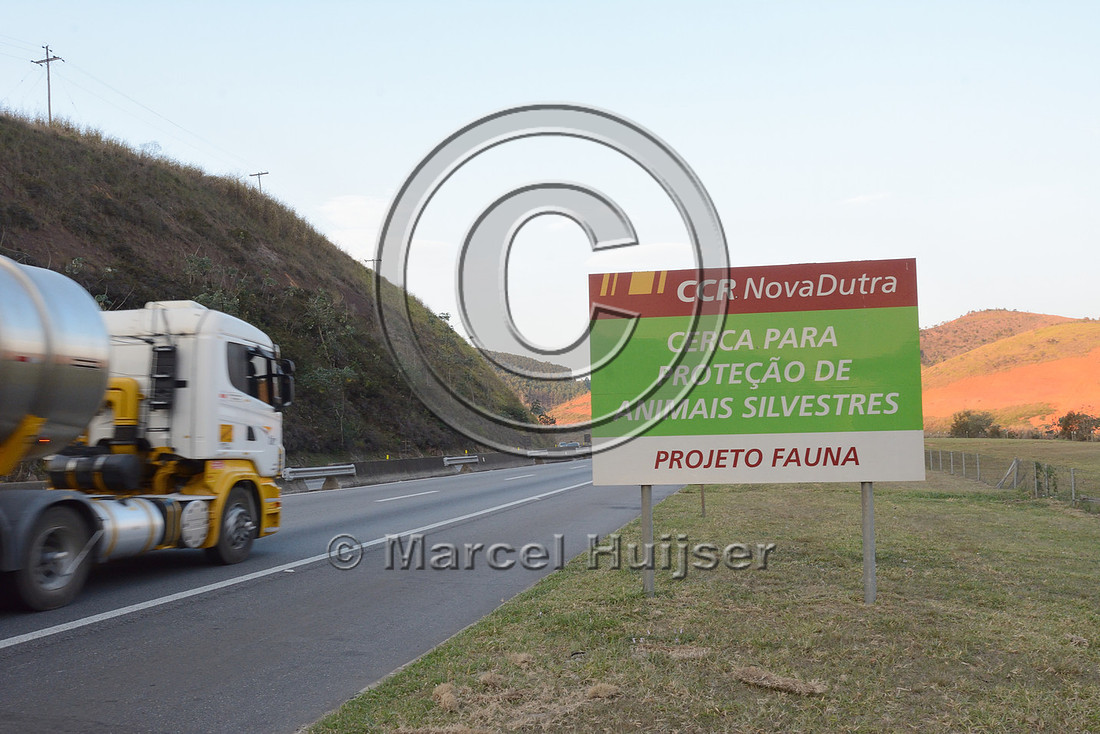 Sign advertising the installation of a wildlife fence, fence for the protection from wildlife, (cerca para proteção de animais silvestres projeto fauna), Rodovia Presidente Dutra, (BR-116 – SP-60),Sign advertising the installation of a wildlife fence, fence for the protection from wildlife, (cerca para proteção de animais silvestres projeto fauna), Rodovia Presidente Dutra, (BR-116 – SP-60), near Lavrinhas, São Paulo, Brazil. For several kilometers the is adjacent to the floodplains of the Rio Paraíba do Sul. A fence, about 80 cm tall, has been installed here to keep capybara (Hydrochoerus hydrochaeris) off the highway. The sign advertizes the installation of the fence by the tollroad company "CCR NovaDutra". However, the fence is only installed on one side of the road (along the river), and there are gaps in the fence. It is almost always advisable to install wildlife fences on both sides of a road rather than on just one side, and fencing should typically be accompanied by safe crossing opportunities for wildlife. In addition, fence maintanence is essential for the mitigation measures to be effective in reducing wildlife-vehicle collisions.
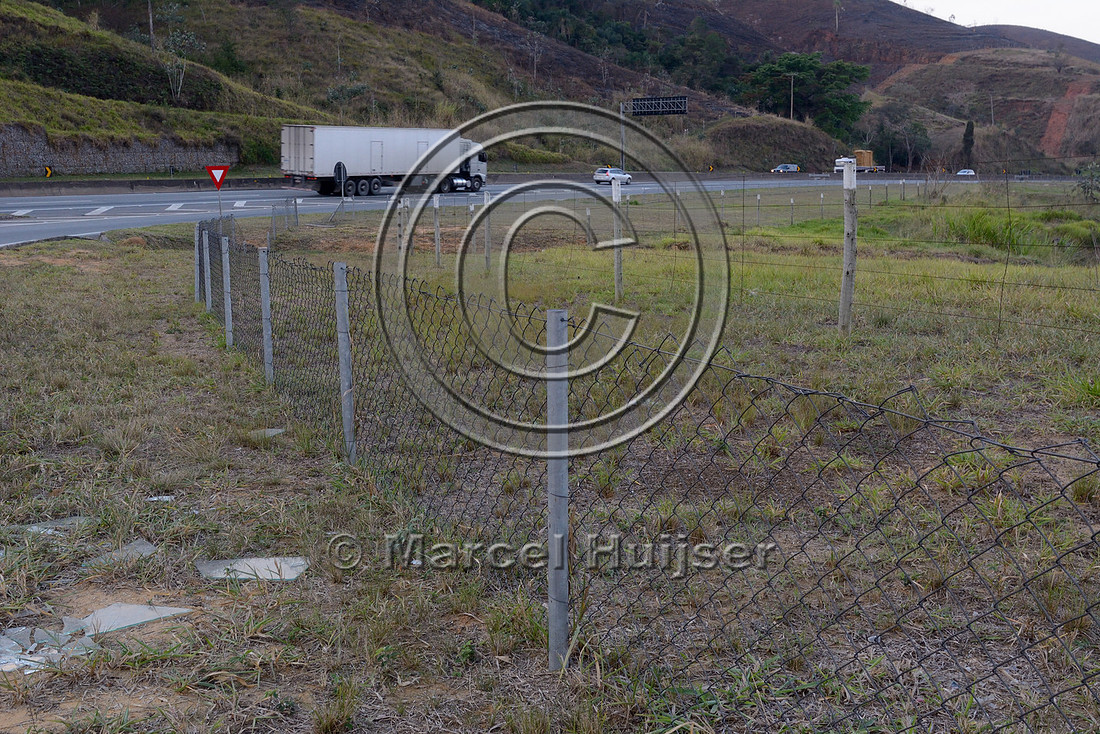 Wildlife fence to keep capybara (Hydrochoerus hydrochaeris) off the highway, Rodovia Presidente Dutra, (BR-116 – SP-60), near Lavrinhas, São Paulo, BrazilWildlife fence to keep capybara (Hydrochoerus hydrochaeris) off the highway, Rodovia Presidente Dutra, (BR-116 – SP-60), near Lavrinhas, São Paulo, Brazil. For several kilometers the is adjacent to the floodplains of the Rio Paraíba do Sul. A fence, about 80 cm tall, has been installed here to keep capybara (Hydrochoerus hydrochaeris) off the highway. The sign advertizes the installation of the fence by the tollroad company "CCR NovaDutra". However, the fence is only installed on one side of the road (along the river), and there are gaps in the fence. It is almost always advisable to install wildlife fences on both sides of a road rather than on just one side, and fencing should typically be accompanied by safe crossing opportunities for wildlife. In addition, fence maintanence is essential for the mitigation measures to be effective in reducing wildlife-vehicle collisions.
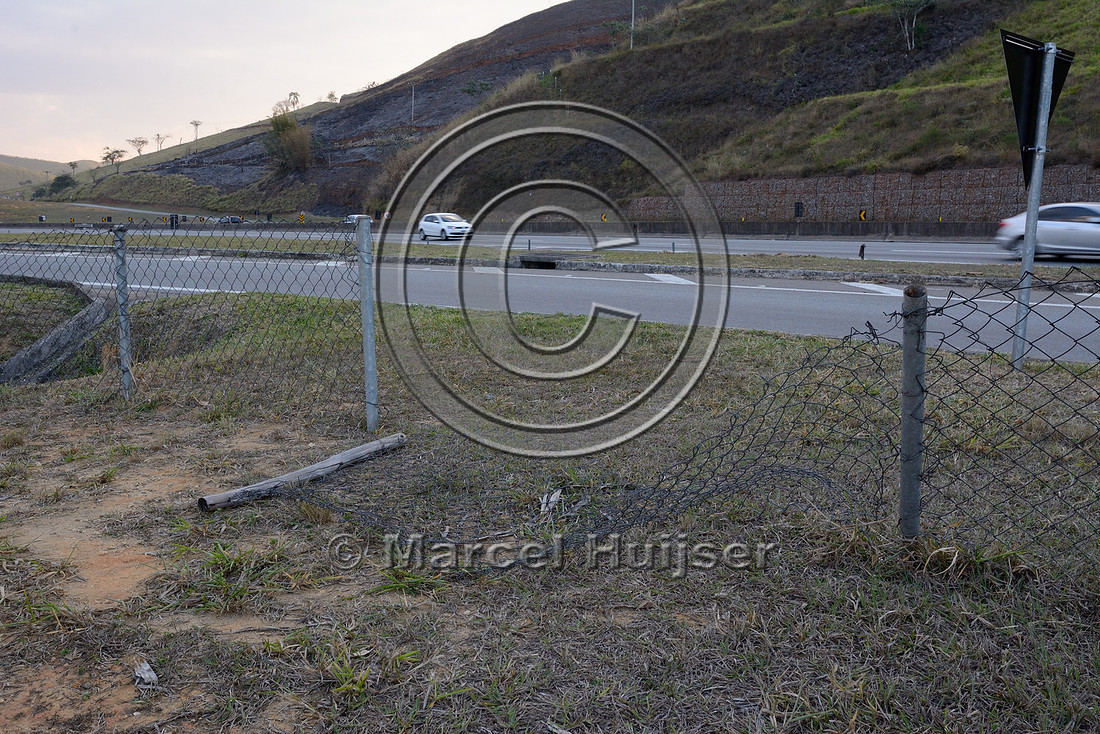 Wildlife fence to keep capybara (Hydrochoerus hydrochaeris) off the highway, with a large gap in the fence, Rodovia Presidente Dutra, (BR-116 – SP-60), near Lavrinhas, São Paulo, BrazilWildlife fence to keep capybara (Hydrochoerus hydrochaeris) off the highway, with a large gap in the fence, Rodovia Presidente Dutra, (BR-116 – SP-60), near Lavrinhas, São Paulo, Brazil. For several kilometers the is adjacent to the floodplains of the Rio Paraíba do Sul. A fence, about 80 cm tall, has been installed here to keep capybara (Hydrochoerus hydrochaeris) off the highway. The sign advertizes the installation of the fence by the tollroad company "CCR NovaDutra". However, the fence is only installed on one side of the road (along the river), and there are gaps in the fence. It is almost always advisable to install wildlife fences on both sides of a road rather than on just one side, and fencing should typically be accompanied by safe crossing opportunities for wildlife. In addition, fence maintanence is essential for the mitigation measures to be effective in reducing wildlife-vehicle collisions.
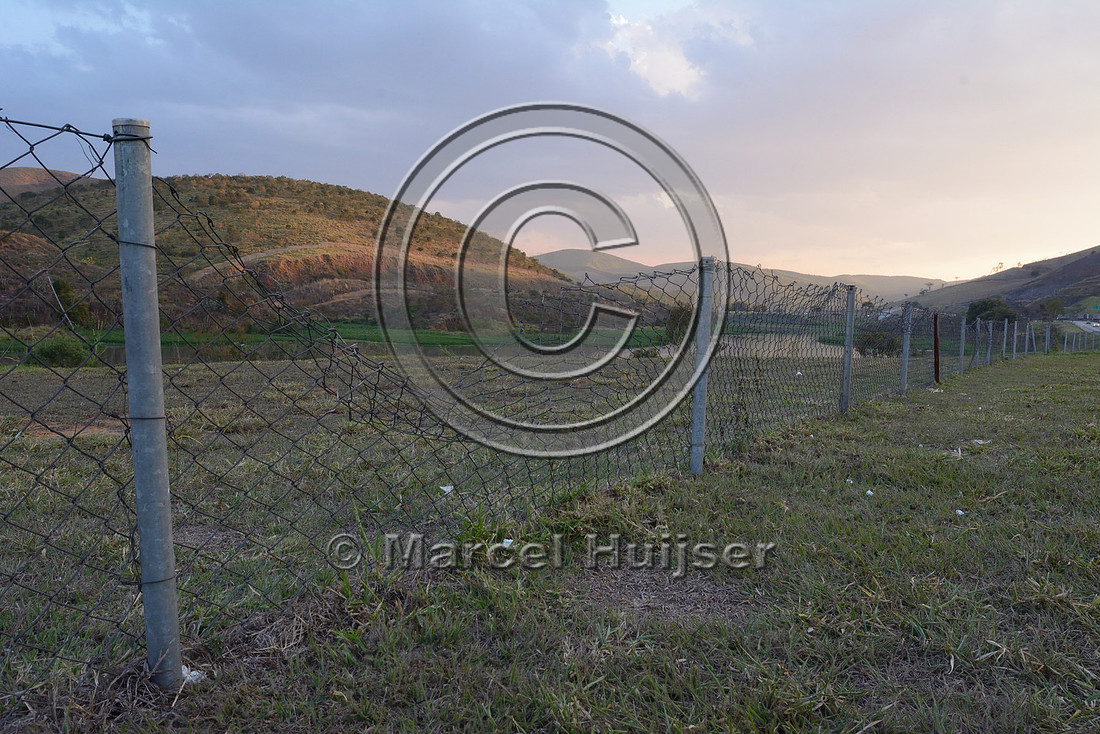 Wildlife fence to keep capybara (Hydrochoerus hydrochaeris) off the highway, with a large gap in the fence, Rodovia Presidente Dutra, (BR-116 – SP-60), near Lavrinhas, São Paulo, BrazilWildlife fence to keep capybara (Hydrochoerus hydrochaeris) off the highway, with a large gap in the fence, Rodovia Presidente Dutra, (BR-116 – SP-60), near Lavrinhas, São Paulo, Brazil. For several kilometers the is adjacent to the floodplains of the Rio Paraíba do Sul. A fence, about 80 cm tall, has been installed here to keep capybara (Hydrochoerus hydrochaeris) off the highway. The sign advertizes the installation of the fence by the tollroad company "CCR NovaDutra". However, the fence is only installed on one side of the road (along the river), and there are gaps in the fence. It is almost always advisable to install wildlife fences on both sides of a road rather than on just one side, and fencing should typically be accompanied by safe crossing opportunities for wildlife. In addition, fence maintanence is essential for the mitigation measures to be effective in reducing wildlife-vehicle collisions.