
Marcel Huijser Photography Home
This is where I show the most recent images and talk about how they were made. The images typically relate to landscapes and wildlife, but I also blog about photos of highways and mitigation measures for wildlife or road ecology in general. Please contact me if you would like to use any of the images.
All content © Marcel Huijser
Road ecology blog: create a gradual approach for wildlife to underpasses
It is best to construct wildlife crossing structures in such a way that it allows wildlife that approaches the road to see the sky and vegetation on the other side of the road through or across the structure. This means that the approach for wildlife should preferably be level; avoid steep slopes at the approaches shown in the images below. In a situation where there is a divided highway with a median and two separate crossing structures for the two directions of travel, design the two structures as one wildlife crossing structure with a good line of sight for wildlife.
Image below: Wildlife underpass (concrete box culvert), along SP-225, near Brotas, São Paulo, Brazil. This structure is along the “old” highway (now only one travel direction). The two "new" lanes are behind the photographer and are for traffic going in the other direction. However, the “new” roadbed is higher than the old roadbed. Thus the structure for the “old” highway (depicted in the image below) is substantially lower than the structure under the new roadbed. This does not allow wildlife to see through both structures when they approach the highway, and it requires wildlife to descend into a dark cave (when coming from this direction).
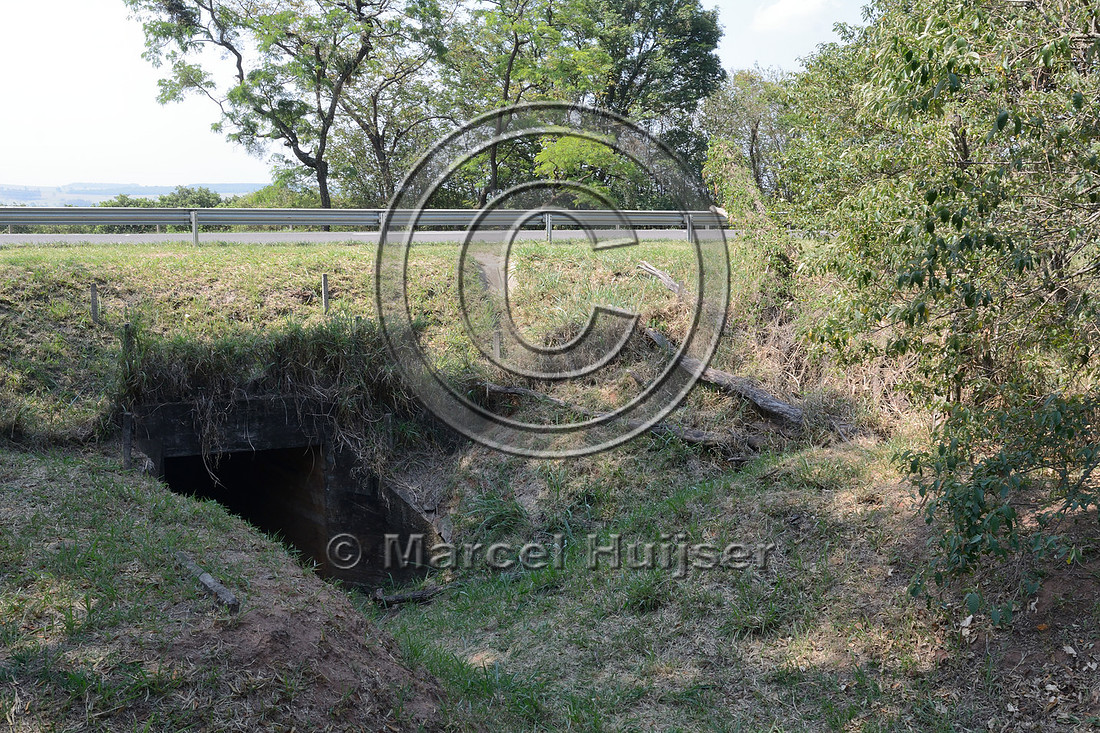

Image below: Wildlife underpass (concrete box culvert), along SP-270, about 70 km south east from Presidente Prudente, São Paulo, Brazil. There is a uphill slope towards the right of the image. It would be best to have a level approach for wildlife when they approach the structure (no slope). Here the wildlife fencing that would keep the animals off the highway and direct them to the underpass has not been constructed (yet).

Suggestions:
-
When duplicating a highway (i.e. making a 2-lane highway into a 4-lane highway), consider the structures for the two travel directions as one wildlife crossing structure rather than as two separate ones. This implies that the type and dimension of the crossing structures for the two travel directions should generally match, and that the structures should be at the same level allowing wildlife to see through both structures when they approach the highway.
-
Create a very gradual, preferably level, approach for wildlife when approaching wildlife crossing structures. Avoid steep slopes (uphill or downhill), allow wildlife to see the sky and vegetation through or across the structure.
Click here for more images of wildlife underpasses.
Click here for images of multifunctional underpasses.
Like Marcel Huijser Photography on Facebook
All content © 2015 Marcel Huijser
Brazilian wildflowers: Canela-de-ema, Parque Nacional da Serra da Canastra, Minas Gerais
Brazilian wildflowers: Canela-de-ema (Vellozia sp.) flowers after a fire, Parque Nacional da Serra da Canastra, Minas Gerais, Brazil.
Click here for more images of Serra da Canastra National Park.
Like Marcel Huijser Photography on Facebook
All content © 2015 Marcel Huijser


Road ecology blog: The road between São Roque de Minas and Canastra
The road between São Roque de Minas and Parque Nacional da Serra da Canastra, Minas Gerais, Brazil. The road is in poor shape, causes substantial erosion, and is only driveable with high clearance 4x4 vehicles. The road is typically closed after a few days of rain.
Click here for more images of erosion and erosion control measures.
Like Marcel Huijser Photography on Facebook
All content © 2015 Marcel Huijser

Brazil: Tree with yellow flowers, Parque Nacional da Serra da Canastra, Minas Gerais
Tree with yellow flowers, Parque Nacional da Serra da Canastra, Minas Gerais, Brazil.
Click here for more images of Serra da Canastra National Park.
Some large format prints (limited edition) are now for sale at Freshwater Studio & Gallery in Missoula, Montana.
Like Marcel Huijser Photography on Facebook
All content © 2015 Marcel Huijser

Brazilian wildlife: Dead sea turtle on beach
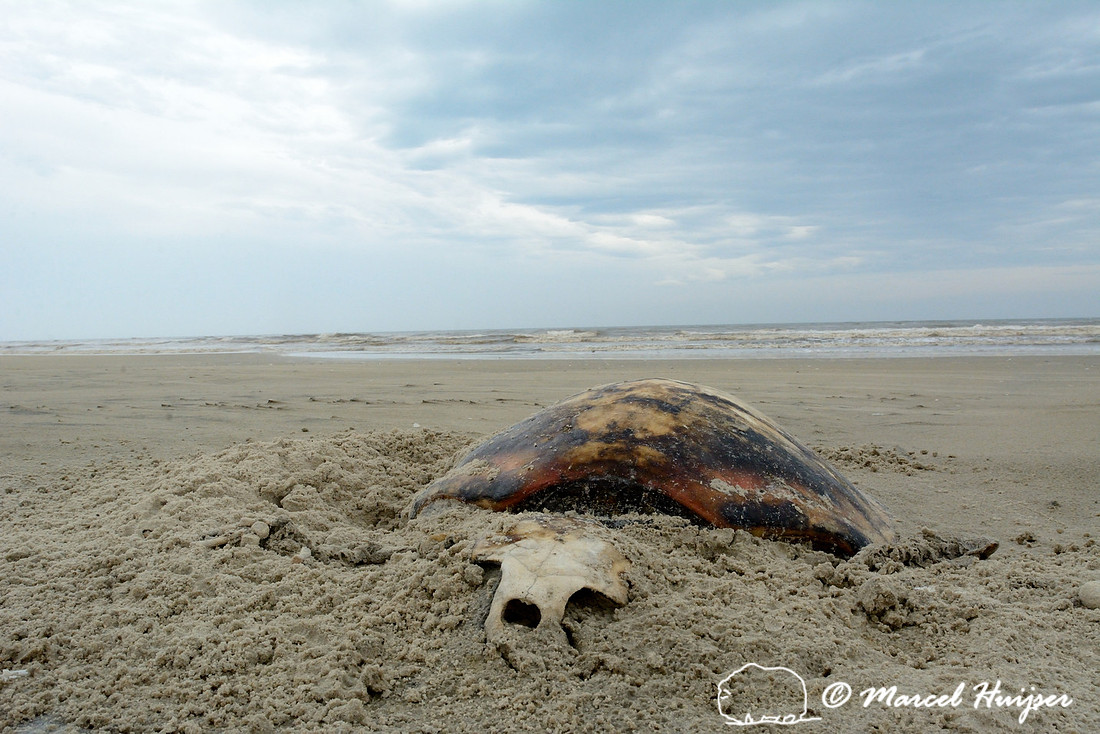
Brazilian wildlife: Dead sea turtle on beach, Parque Nacional da Lagoa do Peixe, Rio Grande do Sul, Brazil.
Click here for more images of Parque Nacional da Lagoa do Peixe.
Some large format prints (limited edition) are now for sale at Freshwater Studio & Gallery in Missoula, Montana.
Like Marcel Huijser Photography on Facebook
All content © 2015 Marcel Huijser
Road ecology blog: Termite mound built around guard rail, Brazil
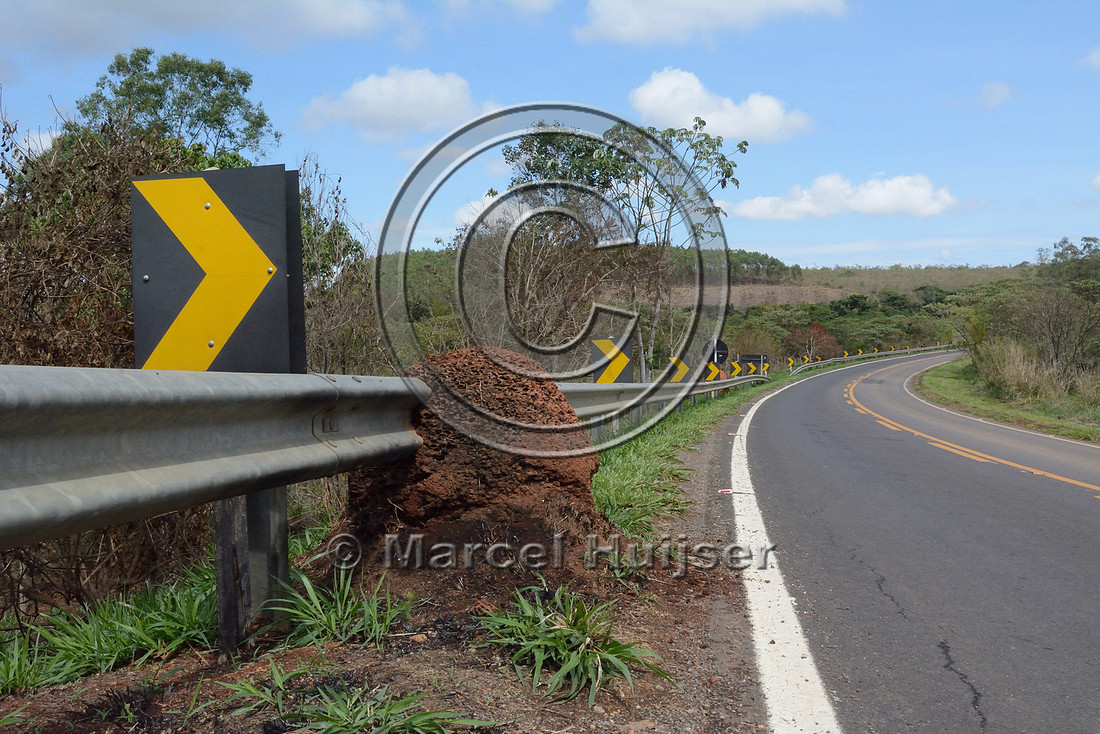
Road ecology blog: Termite mound built around guard rail, MG-341 near São Roque de Minas, Minas Gerais, Brazil.
Click here for additional images of barriers intended to keep vehicles or people on the road or trail.
Like Marcel Huijser Photography on Facebook
All content © 2015 Marcel Huijser
Wildlife viewing: Scanning the landscape for wildlife, Canastra, Minas Gerais, Brazil
Wildlife viewing: Scanning the landscape for wildlife, Parque Nacional da Serra da Canastra, Minas Gerais, Brazil.
Click here for more images of Serra da Canastra National Park.
Some large format prints (limited edition) are now for sale at Freshwater Studio & Gallery in Missoula, Montana.
Like Marcel Huijser Photography on Facebook
All content © 2015 Marcel Huijser
Image Below: Bethanie Walder

Image below: Marcello (Canastra 4x4)

Image below: Marcello (Canastra 4x4) and Bethanie Walder

Road ecology blog: Road serves as a fire break, Canastra, Minas Gerais, Brazil
Road ecology blog: Burnt area (right), the dirt road that served as a fire break, and unburnt vegetation (left), Parque Nacional da Serra da Canastra, Minas Gerais, Brazil.
Click here for more images of Serra da Canastra National Park.
Click here for fire and other abiotic process in relation to roads.
Some large format prints (limited edition) are now for sale at Freshwater Studio & Gallery in Missoula, Montana.
Like Marcel Huijser Photography on Facebook
All content © 2015 Marcel Huijser

Photographing wildlife in Parque Nacional da Serra da Canastra, Minas Gerais, Brazil
Photographing wildlife in Parque Nacional da Serra da Canastra, Minas Gerais, Brazil.
Image below: Marcel Huijser photographs a giant anteater (Myrmecophaga tridactyla), Parque Nacional da Serra da Canastra, Minas Gerais, Brazil. Normally, it is a good idea to keep the lens at the eye level of the subject. However, here the tall grasses and herbs required the lens to be a bit higher. The giant anteater is hard to see through the vegetation in the image below! Fortunately there is still sufficient light for a high shutter speed. In fact, the light is nice and warm, not too long before the sun set.

Image below: Similar situation but here we have a vegetation that burned two months before. The new fresh green vegetation is not very tall and thick yet. In this particular situation I positioned myself on a rocky ridge that was slightly higher than the surrounding landscape to keep the tripod legs as short as possible (and thus as stable as possible).

Image below: We go out for a hike with Marcello (Casastra 4x4), Parque Nacional da Serra da Canastra, Minas Gerais, Brazil

Click here for more images of Serra da Canastra National Park.
Some large format prints (limited edition) are now for sale at Freshwater Studio & Gallery in Missoula, Montana.
Like Marcel Huijser Photography on Facebook
All content © 2015 Marcel Huijser
Travel: Our transportation in Parque Nacional da Serra da Canastra, Minas Gerais, Brazil
Travel: Our transportation in Parque Nacional da Serra da Canastra, Minas Gerais, Brazil
The Land Rover Defender from Marcello (Canastra 4x4), Parque Nacional da Serra da Canastra, Minas Gerais, Brazil.
Click here for more images of Serra da Canastra National Park.
Some large format prints (limited edition) are now for sale at Freshwater Studio & Gallery in Missoula, Montana.
Like Marcel Huijser Photography on Facebook
All content © 2015 Marcel Huijser

Brazilian landscapes: Flowering grasses and dramatic sky, Canastra
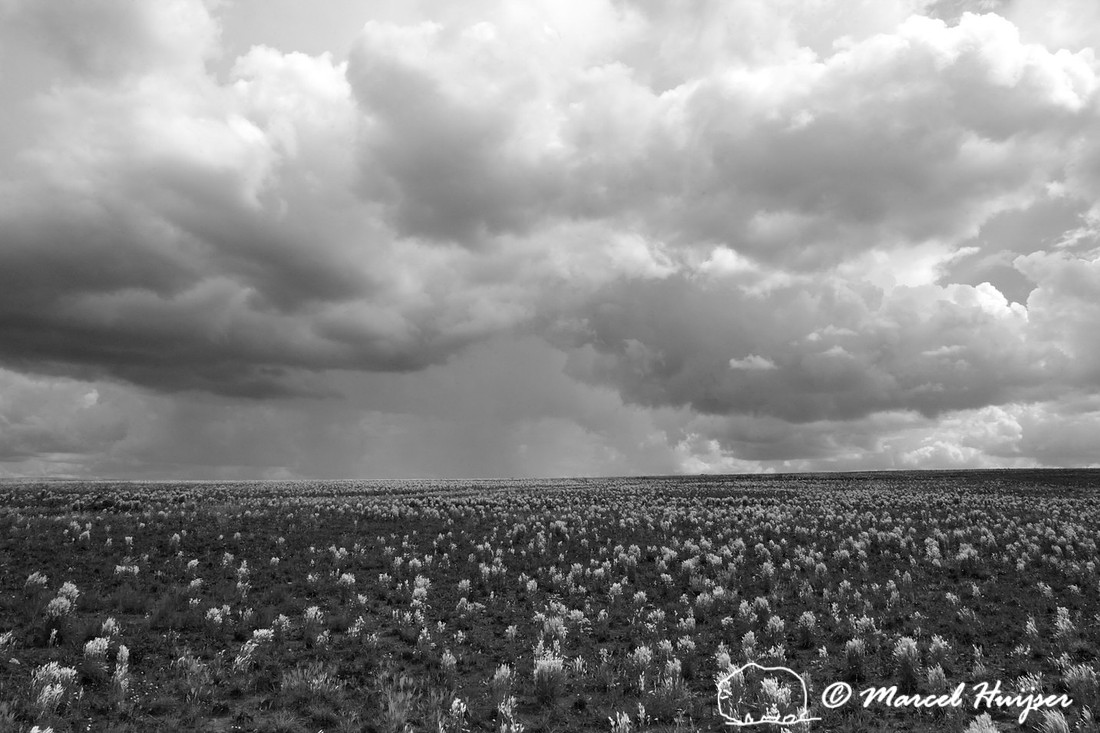
Brazilian landscapes: Flowering grasses and dramatic sky, Parque Nacional da Serra da Canastra, Minas Gerais, Brazil.
Click here for more images of Serra da Canastra National Park.
Like Marcel Huijser Photography on Facebook
All content © 2015 Marcel Huijser
Brazilian landscapes: Sunset in the cerrado (Brazilian savanna)
Brazilian landscapes: Sunset in the cerrado (Brazilian savanna), Parque Nacional das Emas, Goiás, Brazil.
Click here for more images of Parque Nacional das Emas.
Some large format prints (limited edition) are now for sale at Freshwater Studio & Gallery in Missoula, Montana.
Like Marcel Huijser Photography on Facebook
All content © 2015 Marcel Huijser

Road ecology blog: Crab-eating fox traffic victim, SP-320 near Mirassol, São Paulo, Brazil
Road ecology blog: Crab-eating fox (Cerdocyon thous) traffic victim, SP-320 near Mirassol, São Paulo, Brazil.
Click here for other images of animals that were killed by cars.
Click here for other images of animals alive on or near roads.
Some large format prints (limited edition) are now for sale at Freshwater Studio & Gallery in Missoula, Montana.
Like Marcel Huijser Photography on Facebook
All content © 2015 Marcel Huijser


Brazilian birds: Burrowing owl, Parque Nacional das Emas, Goiás, Brazil
Brazilian birds: Burrowing owl (Athene cunicularia), Parque Nacional das Emas, Goiás, Brazil.
Click here for more images of Parque Nacional das Emas.
Some large format prints (limited edition) are now for sale at Freshwater Studio & Gallery in Missoula, Montana.
Like Marcel Huijser Photography on Facebook
All content © 2015 Marcel Huijser

Road ecology blog: Wildlife warning signs for not every day species, Brazil
Road ecology blog: Wildlife warning signs for not every day species, Brazil.
Click here for other images of other wildlife or livestock warning signs.
Click here for other images of animals that were killed by cars.
Click here for other images of animals alive on or near roads.
Some large format prints (limited edition) are now for sale at Freshwater Studio & Gallery in Missoula, Montana.
Like Marcel Huijser Photography on Facebook
All content © 2015 Marcel Huijser
Image below: Wildlife warning sign for maned wolf (Chrysocyon brachyurus), crossing by wild animals (travessia de animais silvestris), SP-320 between Tanabi and Santa Fé do Sul, São Paulo, Brazil.

Image below: Black-tufted marmoset (Callithrix penicillata).

Image below: Chestnut-eared aracari (Pteroglossus castanotis).

Image below: Crab-eating fox (Cerdocyon thous).

Image below: Neotropical otter (Lontra longicaudis).

Image below: Hoary fox (Lycalopex vetulus).

Image below: Tegu lizard (Tupinambis merianae).

Image below: Capybara (Hydrochoerus hydrochaeris).

Image below: Giant anteater (Myrmecophaga tridactyla).

Image below: Nine-banded armadillo (Dasypus novemcinctus).

Image below: Crab-eating raccoon (Procyon cancrivorus).
