
Marcel Huijser Photography Home
This is where I show the most recent images and talk about how they were made. The images typically relate to landscapes and wildlife, but I also blog about photos of highways and mitigation measures for wildlife or road ecology in general. Please contact me if you would like to use any of the images.
All content © Marcel Huijser
Road ecology blog: Culverts for hydrology and making co-use by wildlife possible
Image below: Set of culverts for hydrology that are inside the fenced road corridor, SP-225, near Brotas, São Paulo. The wildlife fence blocks wildlife access to the structure. If wildlife fencing is tied into the structure, the culverts can also be used by wildlife.


Image below: Culvert for hydrology that is tied into the wildlife fence allowing wildlife to use the culvert. This particular culvert is indeed used by wildlife, especially capybara. Along SP-225 motorway, near Brotas, São Paulo, Brazil.

Montana landscapes: Lines of juniper and grassland
Montana landscapes: Lines of juniper (Juniperus spec.) and grassland, Bighorn Canyon National Recreation Area.
Click here for more images of the Great Plains.
Click here for other images of Rocky Mountain landscapes and vegetation.
Like Marcel Huijser Photography on Facebook
All content © 2015 Marcel Huijser


Road ecology blog: Basin for runoff from road
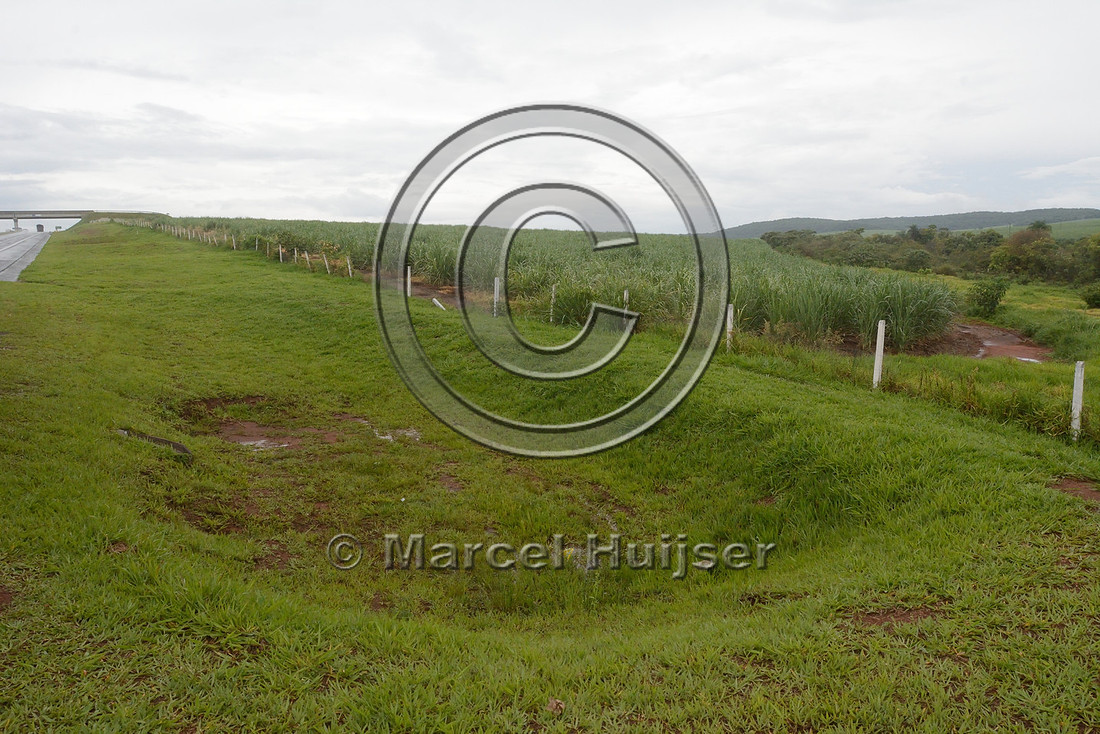
Road ecology blog: Basin for runoff from road, SP-225 motorway, São Paulo, Brazil.
This is a better alternative than dumping runoff from highways directly into streams or rivers. The basins force the water to into the soil. While the water may still get to streams or rivers it doesn't get there all at once and it doesn't get there during the actual precipitation events. This evens out the flow in streams and rivers. It minimizes "peak flows" and the potential for associated flooding downstream. In addition, the soil filters out sediments and (some) of the possible pollutants.
Note: if you look closely at the image you see a series of these basins. The road goes slightly uphill towards the bridge across the motorway. This means water is running towards the photographer on the road and in the right-of-way. The velocity and quantity of the run-off is reduced by the series of basins. Each basin then has its own function of allowing the water to infiltrate into the soil.
Click here for more images of erosion and erosion control measures.
Like Marcel Huijser Photography on Facebook
All content © 2015 Marcel Huijser
Montana landscapes: Wheat field and sky (infrared)
Montana landscapes: Wheat field and sky, Montana, USA. In super color infrared with Red and Blue channels switched.
Click here for more images of the Great Plains.
Like Marcel Huijser Photography on Facebook
All content © 2015 Marcel Huijser

Road ecology blog: Road runoff is drained into stream, Brazil
Road ecology blog: Road runoff is drained into stream, Parque Estadual 'Carlos Botelho', São Paulo, Brazil.
This practice dumps sediments and pollutants directly into the stream.
It is far better to have runoff infiltrate into the soil as this:
1. Reduces peak flows and flooding downstream.
2. Filters out most of the pollutants and sediments so that they do not end up in the stream.
Click here for more images of erosion and erosion control measures.
Like Marcel Huijser Photography on Facebook
All content © 2015 Marcel Huijser


Road ecology blog: Road through Parque Estadual 'Carlos Botelho' under reconstruction
Road ecology blog: Road through Parque Estadual 'Carlos Botelho' under reconstruction, São Paulo, Brazil. Note that pavers are used as the road surface to allow water to infiltrate.
Click here to view more images of highway construction, reconstruction and widening.
Like Marcel Huijser Photography on Facebook
All content © 2015 Marcel Huijser


Montana landscapes: Railroad cars near Bridger, Montana, USA. In infrared
Montana landscapes: Railroad cars near Bridger, Montana, USA.
Click here for more images of the Great Plains.
Like Marcel Huijser Photography on Facebook
All content © 2015 Marcel Huijser
Image below: In super color infrared. This is a mixture of infrared and some visible light.

Image below: Same image as above, but now the Red and Blue channels are switched. This gets rid of the "orange" tones, and makes the sky blue, and green vegetation becomes yellow.

Montana landscapes: Night sky, Bighorn Canyon National Recreation Area
Montana landscapes: Night sky, Bighorn Canyon National Recreation Area.
I used a flashlight to "paint" the hills around our camp site on a moonless night.
Click here for more images of the Great Plains.
Like Marcel Huijser Photography on Facebook
All content © 2015 Marcel Huijser

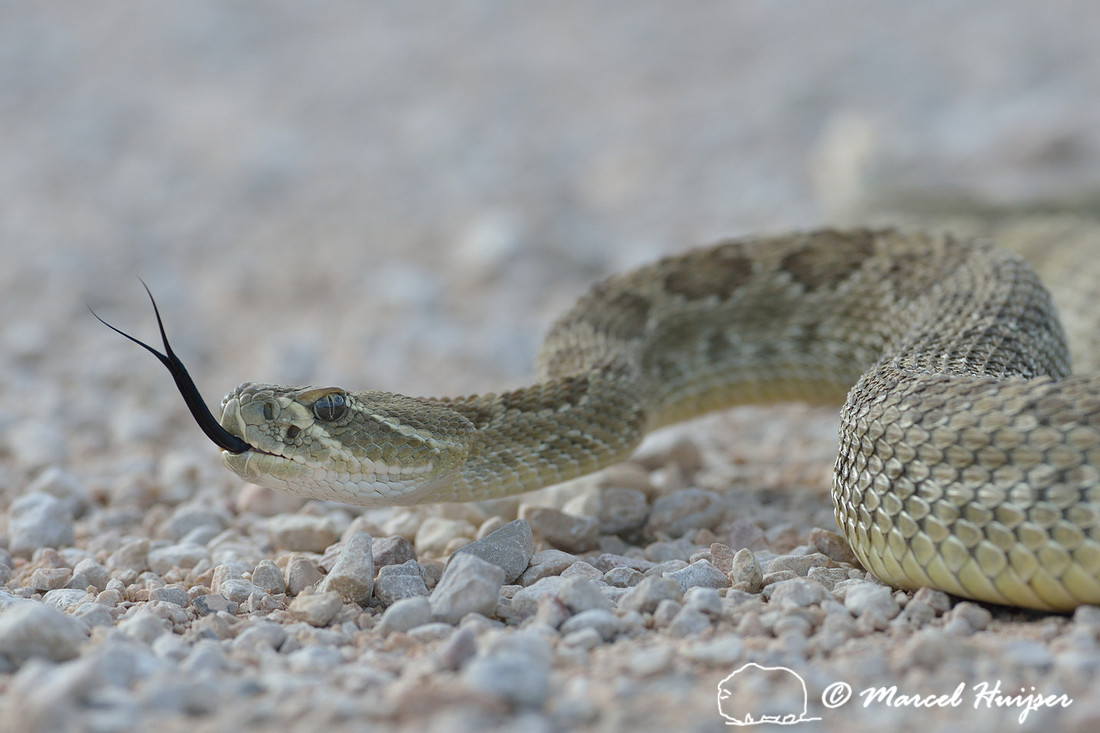
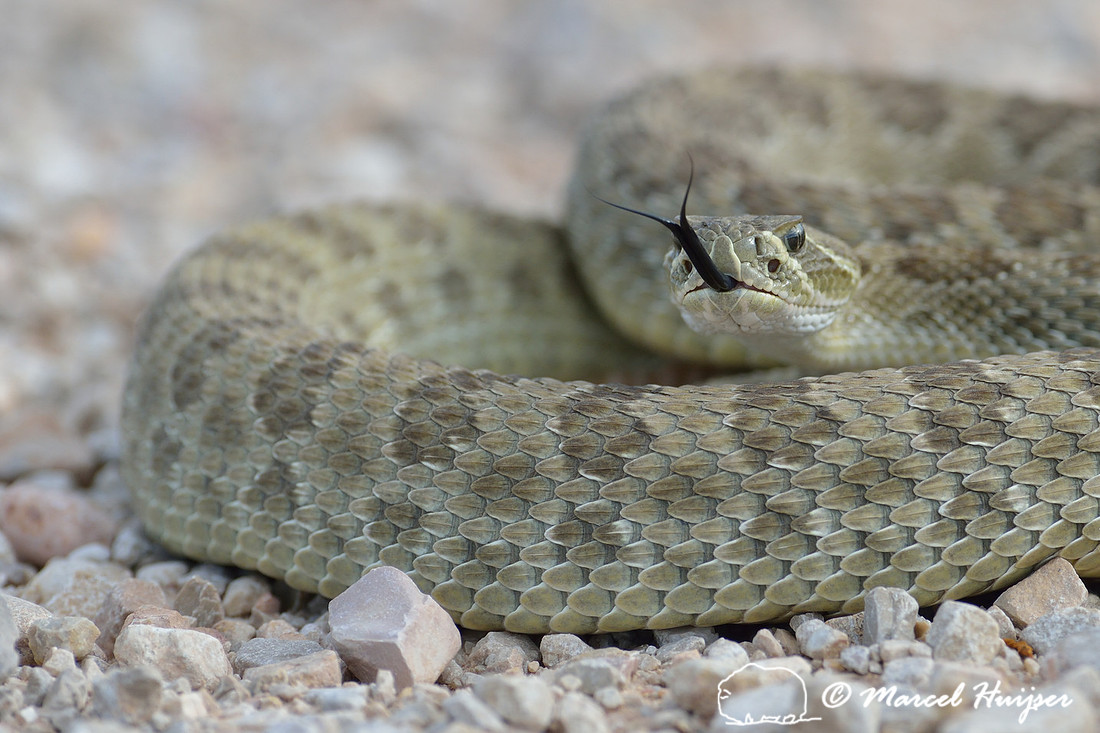
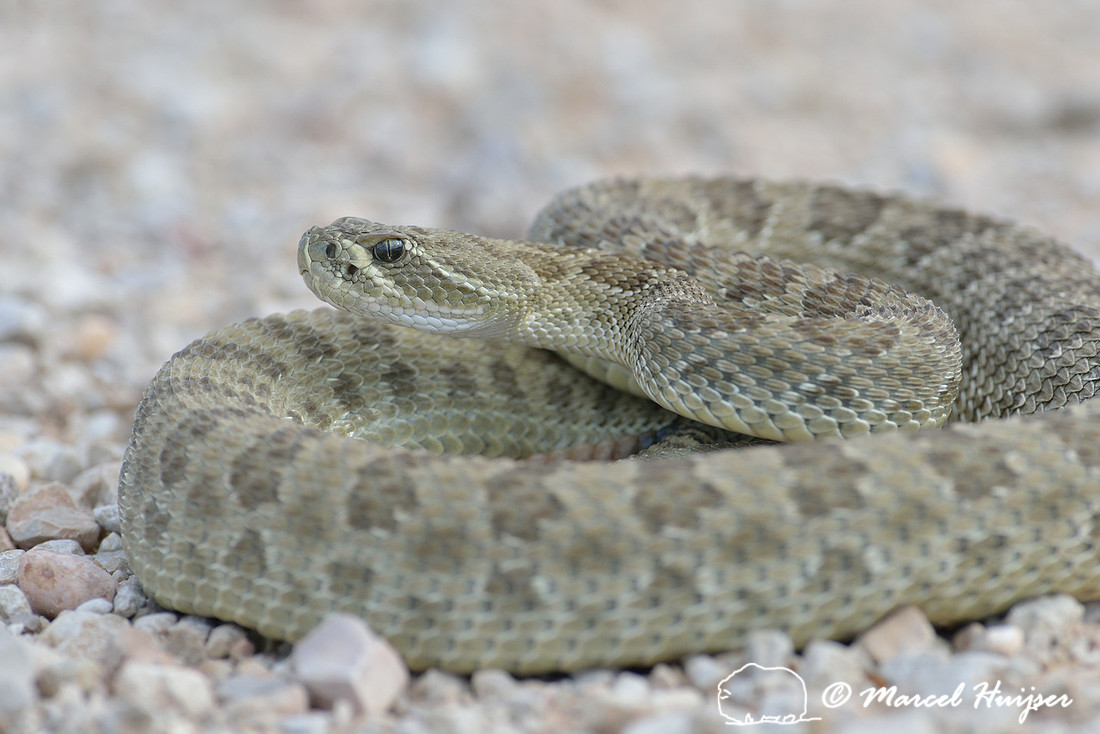
Montana wildlife: Prairie rattlesnake (Crotalus viridis)
Montana wildlife: Prairie rattlesnake (Crotalus viridis).
Click here for images of prairie rattlesnakes.Like Marcel Huijser Photography on Facebook
All content © 2015 Marcel Huijser


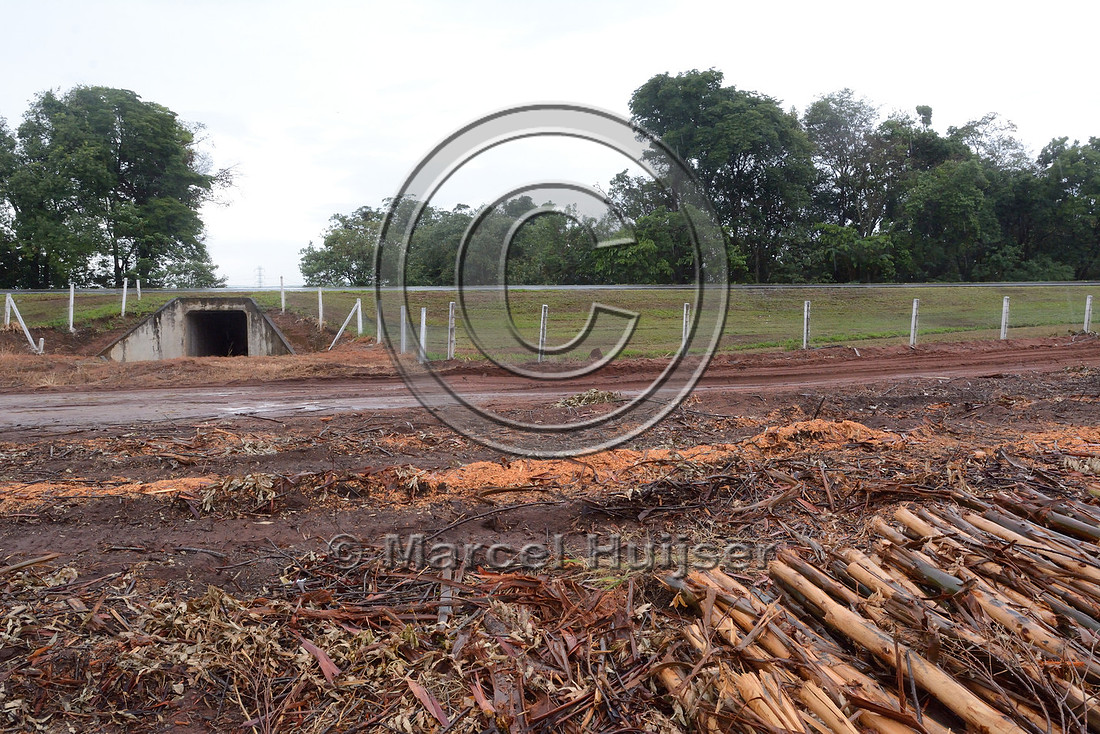
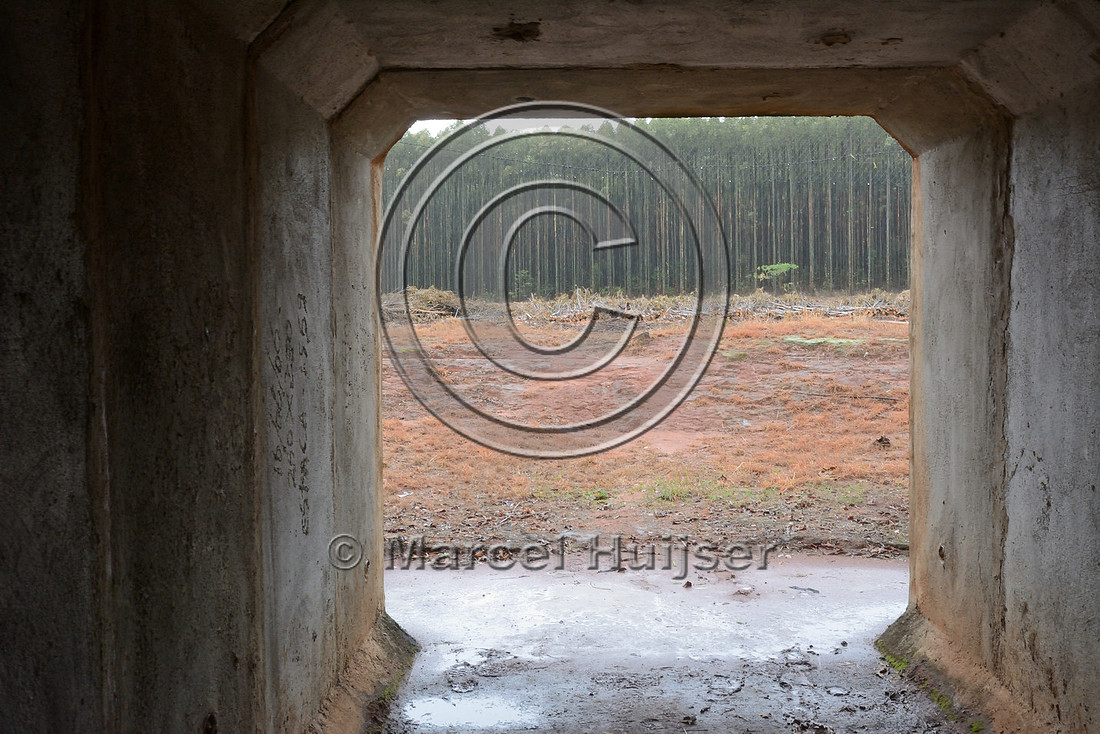
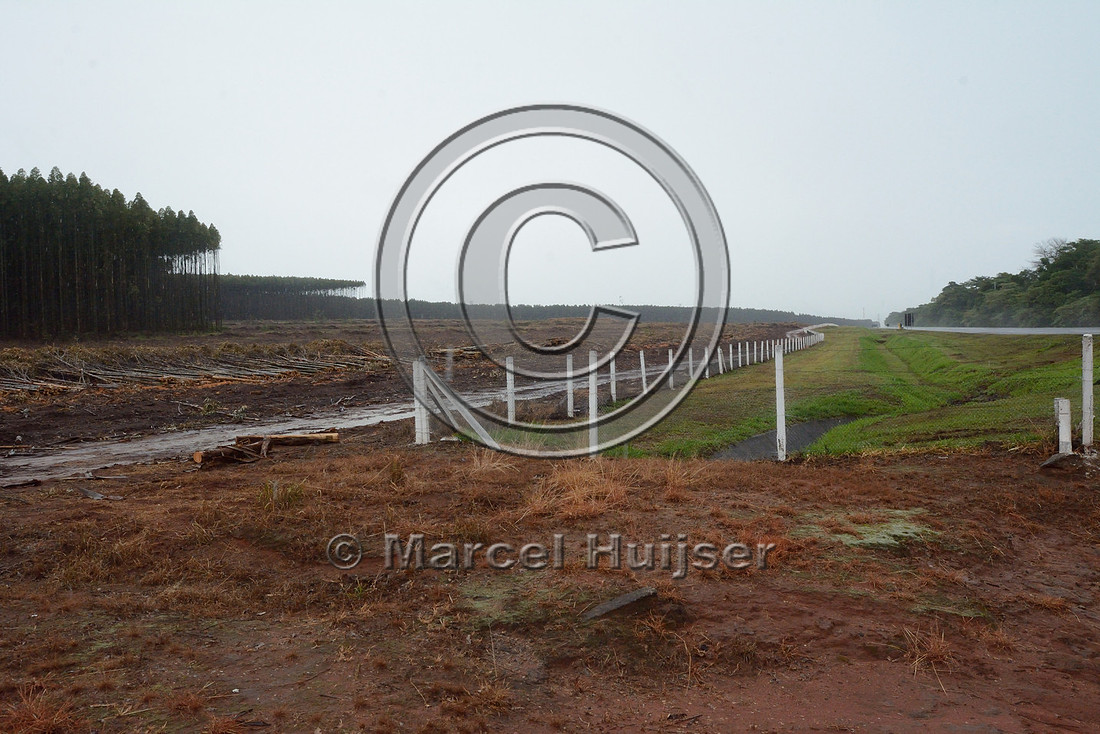
Road ecology blog: Freshly cut eucalyptus plantation next to a wildlife underpass, Brazil
Road ecology blog: Freshly cut eucalyptus plantation next to a wildlife underpass, SP-225, near Brotas, São Paulo, Brazil. This wildlife underpass was located adjacent to a eucalyptus plantation. However, the eucalyptus trees next to the underpass were recently cut, likely reducing wildlife use of the structure. It is best to combine the decision process on the location of wildlife underpasses with land use planning to ensure that good wildlife habitat continues to be present leading up to the structures.
Click here for images of wildlife fencing.
Click here for images of multifunctional underpasses.
Click here for images of wildlife underpasses.
Like Marcel Huijser Photography on Facebook
All content © 2015 Marcel Huijser
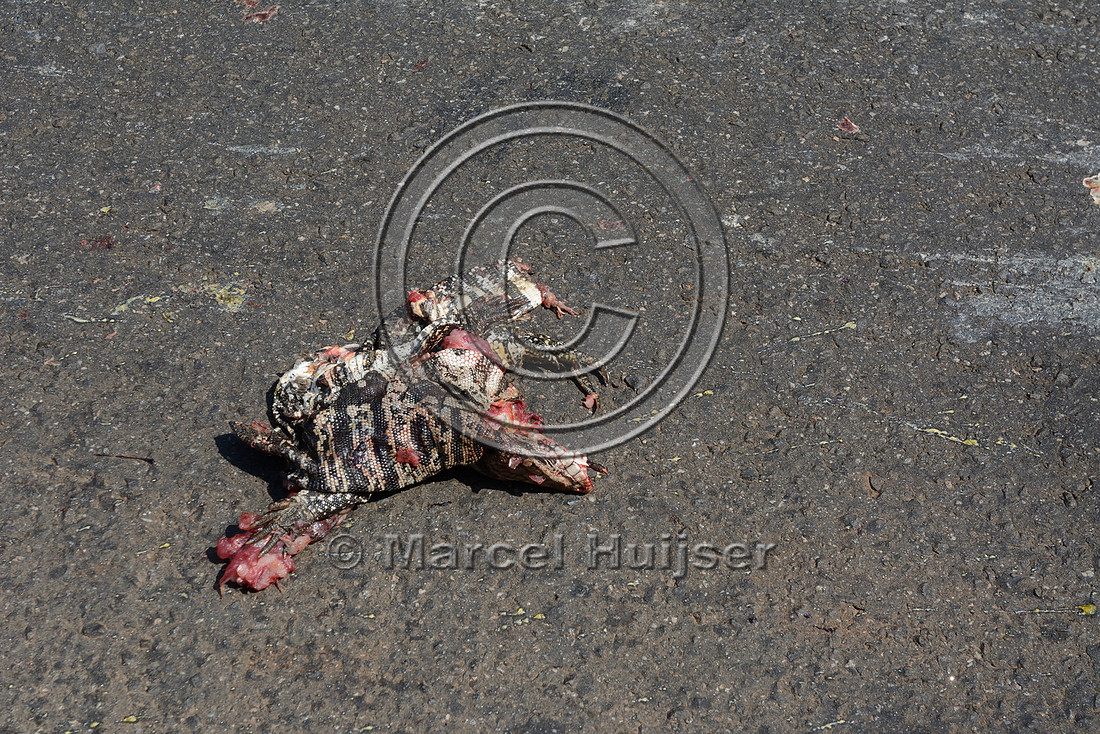
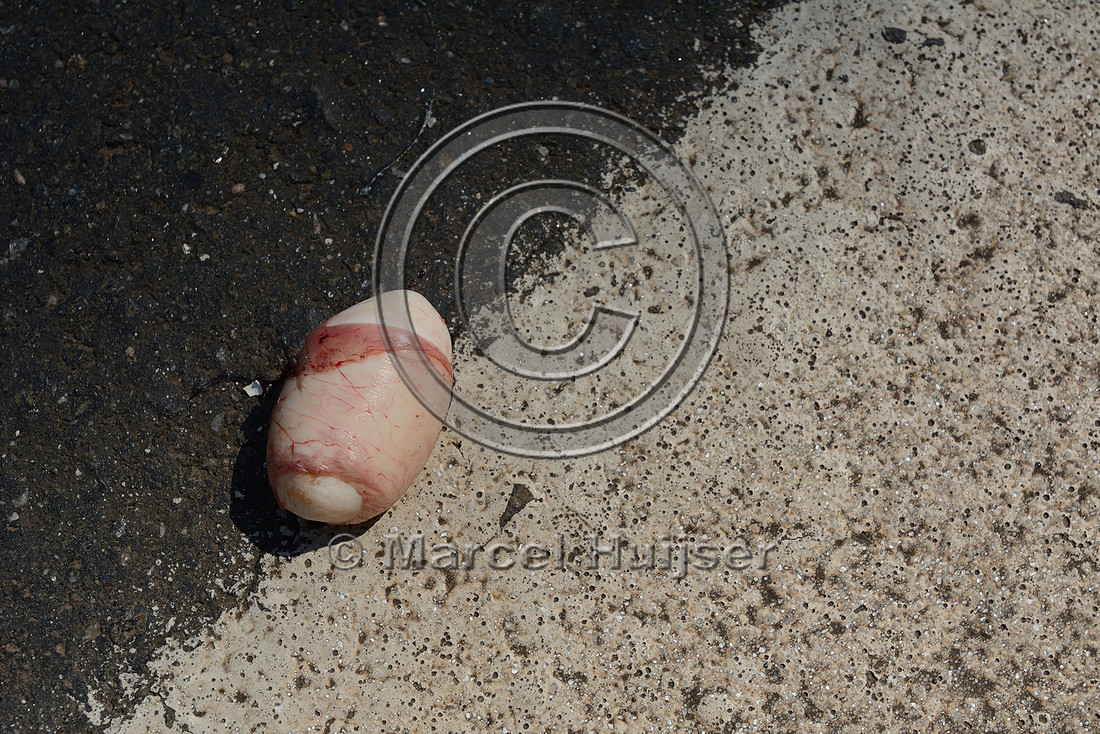
Road ecology blog: Argentine black and white tegu roadkill with eggs smeared on pavement
Road ecology blog: Argentine black and white tegu (Salvator merianae) roadkill with eggs smeared on pavement, SP-225 motorway, São Paulo, Brazil.
Click here for other images of animals that were killed by cars.
Click here for other images of animals alive on or near roads.
Some large format prints (limited edition) are now for sale at Freshwater Studio & Gallery in Missoula, Montana.
Like Marcel Huijser Photography on Facebook
All content © 2015 Marcel Huijser
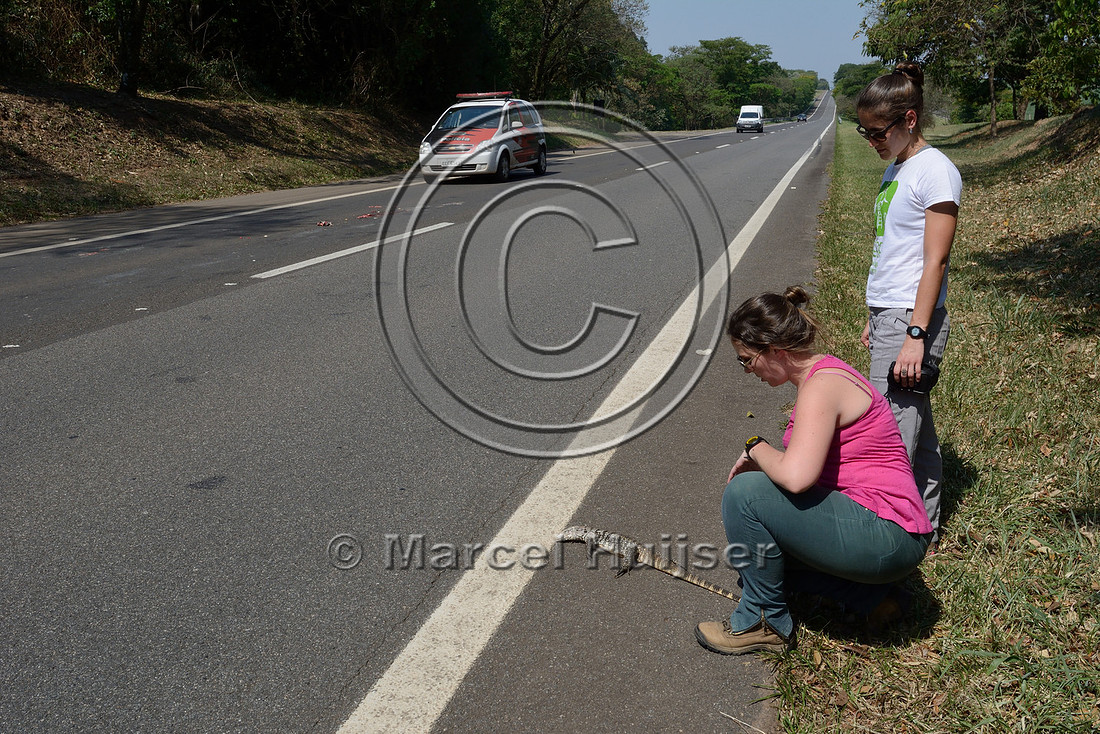
Road ecology blog: Researchers at work, Argentine black and white tegu, Brazil
Road ecology blog: Researchers at work, Argentine black and white tegu (Salvator merianae) roadkill, SP-225 motorway, São Paulo, Brazil.
Click here for more images of Parque Nacional de Aparados da Serra.
Some large format prints (limited edition) are now for sale at Freshwater Studio & Gallery in Missoula, Montana.
Like Marcel Huijser Photography on Facebook
All content © 2015 Marcel Huijser
Road ecology blog: Argentine black and white tegu (Salvator merianae) roadkill, Brazil
Road ecology blog: Argentine black and white tegu (Salvator merianae) roadkill, SP-225 motorway, São Paulo, Brazil.
Click here for other images of animals that were killed by cars.
Click here for other images of animals alive on or near roads.
Some large format prints (limited edition) are now for sale at Freshwater Studio & Gallery in Missoula, Montana.
Like Marcel Huijser Photography on Facebook
All content © 2015 Marcel Huijser


Road ecology blog: maintenance and design issues with wildlife fences, Brazil
Image below: a maintenance problem: An animal (probably a nine-banded armadillo (Dasypus novemcinctus)) dug a gap under a wildlife fence, burrow is visible on road side of the fence, SP-225 motorway, near Brotas, São Paulo, Brazil. If this gap gets bigger overtime, other species, including medium and large sized mammals may be able to enter the fenced road corridor.
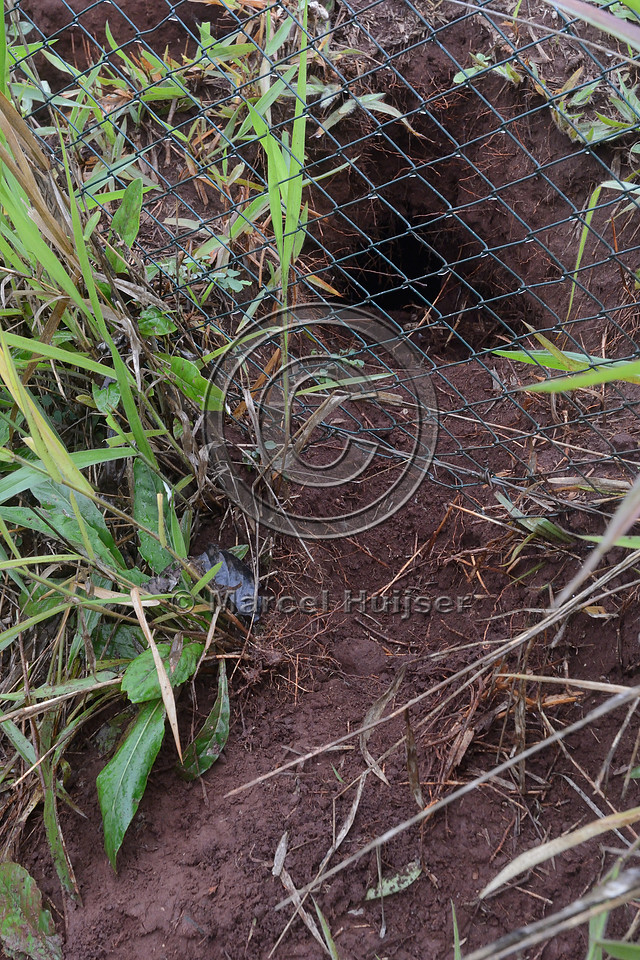
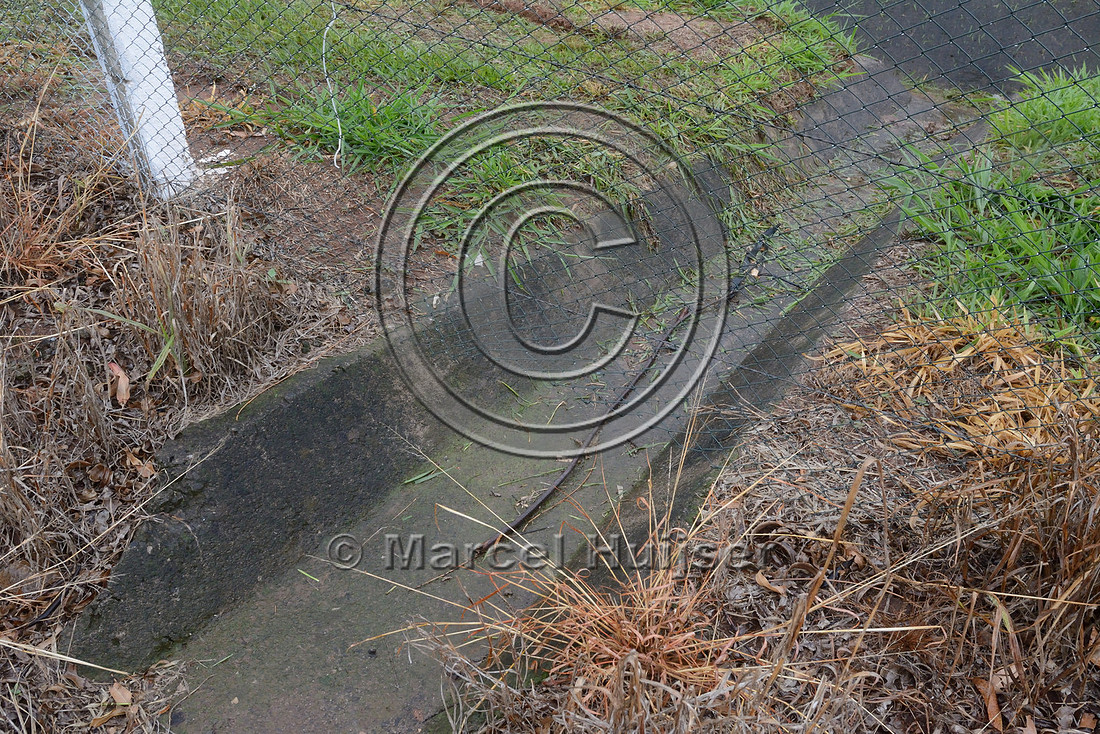
Image below: a design problem: Gutter for drainage results in a gap under a wildlife fence, SP-225 motorway, near Brotas, São Paulo, Brazil
 Click here for images of wildlife fencing.
Click here for images of multifunctional underpasses.
Click here for images of wildlife underpasses.
Like Marcel Huijser Photography on Facebook
All content © 2015 Marcel Huijser
Road ecology blog: Disintegrated concrete fence post and wildlife fence, São Paulo, Brazil
Image below: Road ecology blog: Disintegrated concrete post of a wildlife fence, SP-225 Motorway, near Brotas, São Paulo, Brazil.

Image below: Damaged wildlife fence along the SP-225 motorway, near Brotas, São Paulo, Brazil

Click here for images of wildlife fencing.
Click here for images of multifunctional underpasses.
Click here for images of wildlife underpasses.
Like Marcel Huijser Photography on Facebook
All content © 2015 Marcel Huijser