Marcel Huijser Photography   Home

This is where I show the most recent images and talk about how they were made. The images typically relate to landscapes and wildlife, but I also blog about photos of highways and mitigation measures for wildlife or road ecology in general. Please contact me if you would like to use any of the images.

All content © Marcel Huijser                             

Outdoor life: Dog sled, Dovrefjell National Park, Norway

April 25, 2014  •  Leave a Comment

Outdoor life: Dog sled, Dovrefjell National Park, Norway.

Click here to view more images of hiking, biking, skiing, horseback riding and trails.

Click here to view more images of muskoxen.

Click here to view more images of "the making of the muskoxen photos".

Click here to view more images of Norwegian landscapes and abstracts.

Like Marcel Huijser Photography on Facebook

All content © 2014 Marcel Huijser

Dog sled, Dovrefjell National Park, NorwayDog sled, Dovrefjell National Park, NorwayDog sled, Dovrefjell National Park, Norway


European wildlife: Muskoxen resting and ruminating in blowing snow, Dovrefjell, Norway

April 25, 2014  •  Leave a Comment

European wildlife: Muskoxen (Ovibos moschatus) resting and ruminating in blowing snow, Dovrefjell National Park, Norway.

Click here to view more images of muskoxen.

Click here to view more images of "the making of the muskoxen photos".

Click here to view more images of Norwegian landscapes and abstracts.

Like Marcel Huijser Photography on Facebook

All content © 2014 Marcel Huijser

Muskoxen (Ovibos moschatus) resting and ruminating in snow storm, Dovrefjell National Park, NorwayMuskoxen (Ovibos moschatus) resting and ruminating in snow storm, Dovrefjell National Park, NorwayMuskoxen (Ovibos moschatus) resting and ruminating in snow storm, Dovrefjell National Park, Norway. Muskoxen evolved in Asia and adapted to arctic tundra environments. Muskoxen became extinct in Europe (last records are from Sweden about 9,000 years ago) and Asia (last records are from the Taymyr peninsula in Russia about 2,000 years ago), probably primarily as a result of over hunting by people. Muskoxen crossed into North America from Siberia between 200,000 and 90,000 years ago and they survived in Alaska, northern Canada and Greenland. Muskoxen were reintroduced in Europe and Asia relatively recently. Muskoxen were first reintroduced in Dovrefjell National Park in Norway in 1931-1932, but these animals were all killed during the second world war. A second reintroduction attempt (1947-1953) was successful though. The muskoxen population size in Dovrefjell National Park is currently estimated at several hundred individuals.


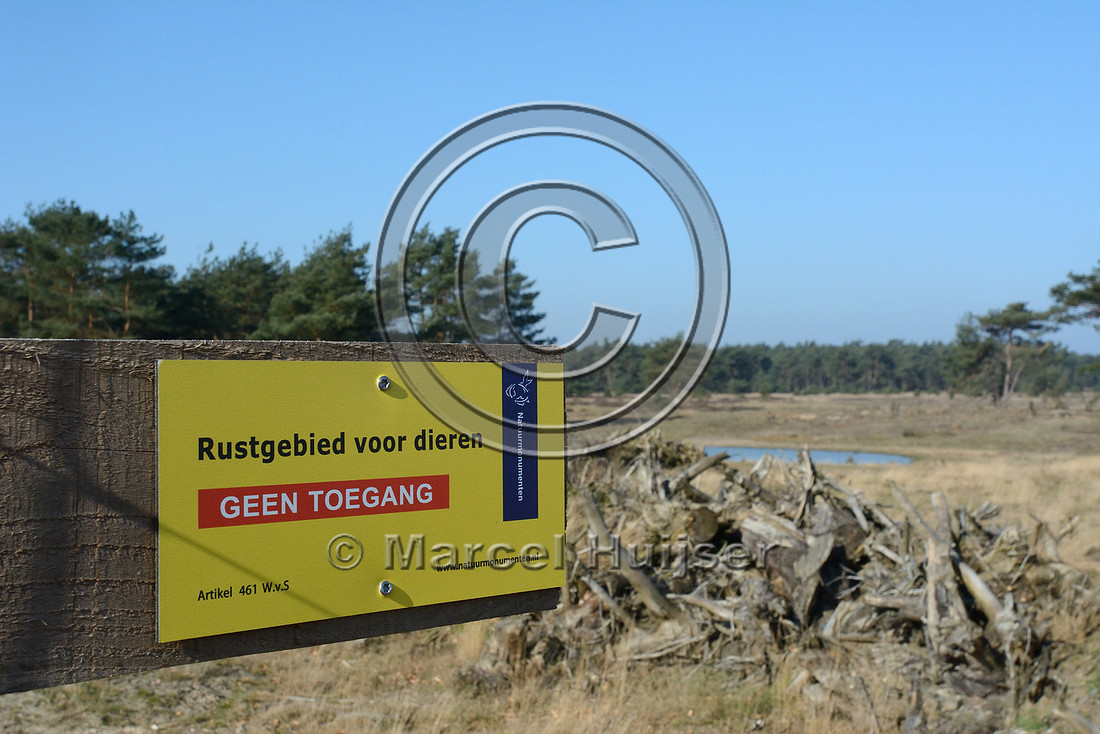
Road ecology blog: Sign on overpass, rest area for animals, no access, The Netherlands

April 25, 2014  •  Leave a Comment

Road ecology blog: Sign on wildlife overpass Oud Reemst (about 35 m wide), rest area for animals, no access, south of Otterlo, The Netherlands. Wildlife overpasses and their approaches are typically off limits to people if the target species are sensitive to human disturbance. In areas that are more multifunctional in nature, landscapes that include disturbance by people, combining wildlife use and human co-use on the same structure may be considered.

For other images of wildlife overpasses (wildlife only) click here.

For images of multifunctional wildlife overpasses (wildlife, water, humans, non-motorized vehicles, motorized vehicles) click here.

For images of landscape bridges, road tunnels or very wide overpasses over longer road sections click here.

Like Marcel Huijser Photography on Facebook

All content © 2014 Marcel Huijser


Sign on wildlife overpass Oud Reemst (about 35 m wide), rest area for animals, no access, south of Otterlo, The NetherlandsSign on wildlife overpass Oud Reemst (about 35 m wide), rest area for animals, no access, south of Otterlo, The NetherlandsSign on wildlife overpass Oud Reemst (about 35 m wide), rest area for animals, no access, south of Otterlo, The Netherlands (completed 2012). This wildlife overpass connects "Planken Wambuis" (west side) to "National Park Hoge Veluwe" (east side). There is a fence (1.10 m high) and gates on the east side of the structure to keep mouflon (Ovis orientalis), a wild sheep species from southern Europe, Asia and Arabia, inside the "Hoge Veluwe". It also keeps horses and cattle in "Planken Wambuis". Roe deer and red deer can easily jump the fence. Presumably wild boar can push against the gates with hinges on the top side of the gate and pass through. Note the road was lowered to allow wildlife to see across to the other side of the structure.


European wildlife: Muskoxen testing strength, Dovrefjell National Park, Norway

April 24, 2014  •  Leave a Comment

European wildlife: Muskoxen (Ovibos moschatus) sparring, Dovrefjell National Park, Norway.

Click here to view more images of muskoxen.

Click here to view more images of "the making of the muskoxen photos".

Click here to view more images of Norwegian landscapes and abstracts.

Like Marcel Huijser Photography on Facebook

All content © 2014 Marcel Huijser


Muskoxen (Ovibos moschatus) sparring, Dovrefjell National Park, NorwayMuskoxen (Ovibos moschatus) sparring, Dovrefjell National Park, NorwayMuskoxen (Ovibos moschatus) sparring, Dovrefjell National Park, Norway. Muskoxen evolved in Asia and adapted to arctic tundra environments. Muskoxen became extinct in Europe (last records are from Sweden about 9,000 years ago) and Asia (last records are from the Taymyr peninsula in Russia about 2,000 years ago), probably primarily as a result of over hunting by people. Muskoxen crossed into North America from Siberia between 200,000 and 90,000 years ago and they survived in Alaska, northern Canada and Greenland. Muskoxen were reintroduced in Europe and Asia relatively recently. Muskoxen were first reintroduced in Dovrefjell National Park in Norway in 1931-1932, but these animals were all killed during the second world war. A second reintroduction attempt (1947-1953) was successful though. The muskoxen population size in Dovrefjell National Park is currently estimated at several hundred individuals.


Road ecology blog: Fence for mouflon, horses and cattle on overpass, The Netherlands

April 24, 2014  •  Leave a Comment

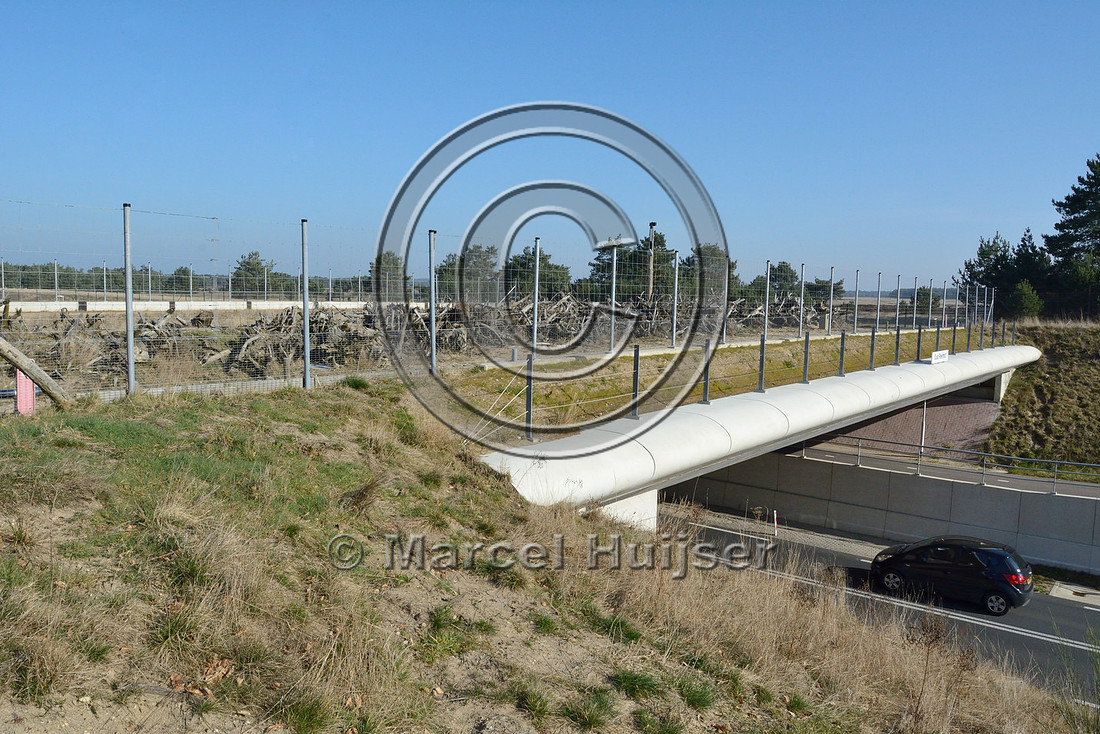
Road ecology blog. Fence on top of wildlife overpass Oud Reemst (about 35 m wide), to keep mouflon, horses and cattle from using the overpass, south of Otterlo, The Netherlands. This wildlife overpass connects "Planken Wambuis" (west side) to "National Park Hoge Veluwe" (east side). There is a fence (1.10 m high) and gates on the east side of the structure to keep mouflon (Ovis orientalis), a wild sheep species from south eastern Europe, minor Asia, Asia, and possibly parts of Arabia, inside the "Hoge Veluwe". It also keeps horses (New Forest pony's) and cattle (Sayaguesa (a Spanish cattle breed) and also Scottish Highland cattle) in "Planken Wambuis". Roe deer (Capreolus capreolus) and red deer (Cervus elaphus) can easily jump the fence. Presumably, wild boar (Sus scrofa) can push against the gates with hinges on the top side of the gate and pass through.

The images below are an illustration of how the interests of different landowners and perspectives on nature and nature management influence practical on the ground conservation efforts. The wildlife overpass connects two nature reserves and you would expect that the interests and goals of the organizations responsible for the management of the two areas would be the same. However, this is not necessarily the case. There are non-native species in both areas, neither organization wants the other's non-native species, and neither wants to get rid of its own non-native species. The horses and cattle in "Planken Wambuis" (managed by Natuurmonumenten) mimic the grazing of the now extinct European wild horse (tarpan) and wild cattle (aurochs) and now fill their ecological niche. The mouflon in "National Park Hoge Veluwe" (managed by a foundation) were introduced in 1921 and do not stand in for a now extinct wild species, but they are not doing well in their native range (status vulnerable, IUCN 2014). The mouflon are mimicking the grazing of domesticated sheep that used to roam the heathlands. While the heathlands are the result of historic overgrazing of forest by livestock, they are now considered an important nature management goal on their own (though they are clearly semi-natural at best). The grazing by sheep (domesticated or mouflon) helps keep the heathlands from growing into forest, though atmospheric deposition of nutrients (over the last 50 years or so) is making this a substantial challenge as it is. The mouflon are also considered important to attracting paying visitors to the park. The fence and gates on the overpass are the result of a compromise that should still allow red deer, roe deer and wild boar to use the overpass and move between the two areas. However, there also seem to be some concerns about potentially "losing" too many individual red deer (native species) to the neighboring area, potentially making wildlife viewing by tourists more challenging in the park. Of course it is also possible that more red deer will enter the park.

Ironically, when I was photographing the overpass I saw two pair of non-native invasive Egyptian geese (Alopochen aegyptiaca) in the ponds dug on each side of the overpass. ...Implementing a wildlife overpass and connecting two different nature reserves can be quite complicated.


For other images of wildlife overpasses (wildlife only) click here.

For images of multifunctional wildlife overpasses (wildlife, water, humans, non-motorized vehicles, motorized vehicles) click here.

For images of landscape bridges, road tunnels or very wide overpasses over longer road sections click here.

Like Marcel Huijser Photography on Facebook

All content © 2014 Marcel Huijser
Fence on top of wildlife overpass Oud Reemst (about 35 m wide), to keep mouflon, horses and cattle from using the overpass, south of Otterlo, The NetherlandsFence on top of wildlife overpass Oud Reemst (about 35 m wide), to keep mouflon, horses and cattle from using the overpass, south of Otterlo, The NetherlandsFence on top of wildlife overpass Oud Reemst (about 35 m wide), to keep mouflon, horses and cattle from using the overpass, south of Otterlo, The Netherlands. This wildlife overpass connects "Planken Wambuis" (west side) to "National Park Hoge Veluwe" (east side). There is a fence (1.10 m high) and gates on the east side of the structure to keep mouflon (Ovis orientalis), a wild sheep species from southern Europe, Asia and Arabia, inside the "Hoge Veluwe". It also keeps horses and cattle in "Planken Wambuis". Roe deer and red deer can easily jump the fence. Presumably wild boar can push against the gates with hinges on the top side of the gate and pass through. Note the road was lowered to allow wildlife to see across to the other side of the structure. Push gate for wild boar (Sus scrofa) on top of wildlife overpass Oud Reemst (about 35 m wide), south of Otterlo, The NetherlandsPush gate for wild boar (Sus scrofa) on top of wildlife overpass Oud Reemst (about 35 m wide), south of Otterlo, The NetherlandsPush gate for wild boar (Sus scrofa) on top of wildlife overpass Oud Reemst (about 35 m wide), south of Otterlo, The Netherlands. This wildlife overpass connects "Planken Wambuis" (west side) to "National Park Hoge Veluwe" (east side). There is a fence (1.10 m high) and gates on the east side of the structure to keep mouflon (Ovis orientalis), a wild sheep species from southern Europe, Asia and Arabia, inside the "Hoge Veluwe". It also keeps horses and cattle in "Planken Wambuis". Roe deer and red deer can easily jump the fence. Presumably wild boar can push against the gates with hinges on the top side of the gate and pass through. Note the road was lowered to allow wildlife to see across to the other side of the structure. Push gate for wild boar (Sus scrofa) on top of wildlife overpass Oud Reemst (about 35 m wide), south of Otterlo, The NetherlandsPush gate for wild boar (Sus scrofa) on top of wildlife overpass Oud Reemst (about 35 m wide), south of Otterlo, The NetherlandsPush gate for wild boar (Sus scrofa) on top of wildlife overpass Oud Reemst (about 35 m wide), south of Otterlo, The Netherlands. This wildlife overpass connects "Planken Wambuis" (west side) to "National Park Hoge Veluwe" (east side). There is a fence (1.10 m high) and gates on the east side of the structure to keep mouflon (Ovis orientalis), a wild sheep species from southern Europe, Asia and Arabia, inside the "Hoge Veluwe". It also keeps horses and cattle in "Planken Wambuis". Roe deer and red deer can easily jump the fence. Presumably wild boar can push against the gates with hinges on the top side of the gate and pass through. Note the road was lowered to allow wildlife to see across to the other side of the structure.


European wildlife: Mouflon (Ovis orientalis) rams (captive animals), Germany

April 24, 2014  •  Leave a Comment

European wildlife: Mouflon (Ovis orientalis) rams (captive animals), Germany.

Mouflon's original range included parts of south-eastern Europe, minor Asia, Asia, and possibly parts of Arabia, but they have disappeared from considerable portions of their original range. They are classified as "vulnerable" (IUCN 2014). Mouflon were introduced to the islands of Corsica, Sardinia, Rhodes, and Cyprus 5,000-10,000 years ago. More recently they were also introduced to north western Europe, including "National Park Hoge Veluwe" in The Netherlands. They are the ancestor of the domesticated sheep.

For images of a wildlife overpass with a barrier fence for mouflon click here.

Like Marcel Huijser Photography on Facebook

All content © 2014 Marcel Huijser

Moeflon (Ovis orientalis) rams (captive animals), GermanyMoeflon (Ovis orientalis) rams (captive animals), GermanyMoeflon (Ovis orientalis) rams (captive animals), Germany


California: Bridalveil creek below Bridalveil Fall, Yosemite National Park, California, USA

April 23, 2014  •  Leave a Comment

California: Bridalveil creek below Bridalveil Fall, Yosemite National Park, California, USA

Click here for more images from California.

Like Marcel Huijser Photography on Facebook

All content © 2014 Marcel Huijser


Stream at Bridalveil creek below Bridalveil Fall, Yosemite National Park, California, USAStream at Bridalveil creek below Bridalveil Fall, Yosemite National Park, California, USAStream at Bridalveil creek below Bridalveil Fall, Yosemite National Park, California, USA


European wildlife: Muskox bleeding after fight, Dovrefjell National Park, Norway

April 23, 2014  •  Leave a Comment

Muskox (Ovibos moschatus) bleeding from head after fighting with another male, Dovrefjell National Park, Norway

Click here to view more images of muskoxen.

Click here to view more images of "the making of the muskoxen photos".

Click here to view more images of Norwegian landscapes and abstracts.

Like Marcel Huijser Photography on Facebook

All content © 2014 Marcel Huijser


Muskox (Ovibos moschatus) bleeding from head after fighting with another male, Dovrefjell National Park, NorwayMuskox (Ovibos moschatus) bleeding from head after fighting with another male, Dovrefjell National Park, NorwayMuskox (Ovibos moschatus) bleeding from head after fighting with another male, Dovrefjell National Park, Norway. Muskoxen evolved in Asia and adapted to arctic tundra environments. Muskoxen became extinct in Europe (last records are from Sweden about 9,000 years ago) and Asia (last records are from the Taymyr peninsula in Russia about 2,000 years ago), probably primarily as a result of over hunting by people. Muskoxen crossed into North America from Siberia between 200,000 and 90,000 years ago and they survived in Alaska, northern Canada and Greenland. Muskoxen were reintroduced in Europe and Asia relatively recently. Muskoxen were first reintroduced in Dovrefjell National Park in Norway in 1931-1932, but these animals were all killed during the second world war. A second reintroduction attempt (1947-1953) was successful though. The muskoxen population size in Dovrefjell National Park is currently estimated at several hundred individuals.


Road ecology blog: Pond and root wads at wildlife overpass, The Netherlands

April 23, 2014  •  Leave a Comment

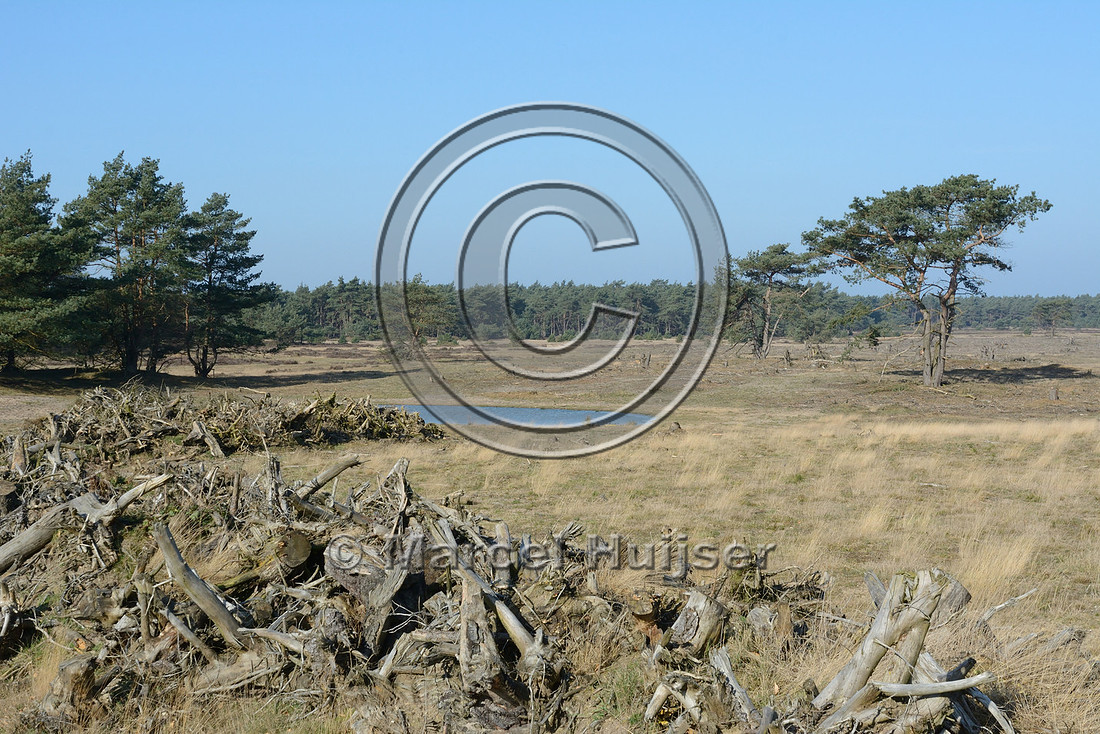
Road ecology blog: Pond and root wads on approach of wildlife overpass Oud Reemst (about 35 m wide), south of Otterlo, The Netherlands. The man-made pond is an attractant to wildlife, specifically large ungulates. There is also a pond on the other side of the overpass to encourage the animals to spend time near the overpass and potentially use it. The root wads provide cover for small mammals, reptiles, amphibians and invertebrates.

For other images of wildlife overpasses (wildlife only) click here.

For images of multifunctional wildlife overpasses (wildlife, water, humans, non-motorized vehicles, motorized vehicles) click here.

For images of landscape bridges, road tunnels or very wide overpasses over longer road sections click here.

Like Marcel Huijser Photography on Facebook

All content © 2014 Marcel Huijser


Pond and root wads on approach of wildlife overpass Oud Reemst (about 35 m wide), south of Otterlo, The NetherlandsPond and root wads on approach of wildlife overpass Oud Reemst (about 35 m wide), south of Otterlo, The NetherlandsPond and root wads on approach of wildlife overpass Oud Reemst (about 35 m wide), south of Otterlo, The Netherlands. This wildlife overpass connects "Planken Wambuis" (west side) to "National Park Hoge Veluwe" (east side). There is a fence (1.10 m high) and gates on the east side of the structure to keep mouflon (Ovis orientalis), a wild sheep species from southern Europe, Asia and Arabia, inside the "Hoge Veluwe". It also keeps horses and cattle in "Planken Wambuis". Roe deer and red deer can easily jump the fence. Presumably wild boar can push against the gates with hinges on the top side of the gate and pass through. Note the road was lowered to allow wildlife to see across to the other side of the structure.


European wildlife: Muskox (Ovibos moschatus) grazing, Dovrefjell National Park, Norway

April 22, 2014  •  Leave a Comment

European wildlife: Muskox (Ovibos moschatus) grazing, Dovrefjell National Park, Norway. The animals appear to be wearing masks made of snow. The snow probably accumulated earlier when they were resting and ruminating, and it just did not melt or fall off.

Click here to view more images of muskoxen.

Click here to view more images of "the making of the muskoxen photos".

Click here to view more images of Norwegian landscapes and abstracts.

Like Marcel Huijser Photography on Facebook

All content © 2014 Marcel Huijser

Muskox (Ovibos moschatus), Dovrefjell National Park, NorwayMuskox (Ovibos moschatus), Dovrefjell National Park, NorwayMuskox (Ovibos moschatus), Dovrefjell National Park, Norway. Muskoxen evolved in Asia and adapted to arctic tundra environments. Muskoxen became extinct in Europe (last records are from Sweden about 9,000 years ago) and Asia (last records are from the Taymyr peninsula in Russia about 2,000 years ago), probably primarily as a result of over hunting by people. Muskoxen crossed into North America from Siberia between 200,000 and 90,000 years ago and they survived in Alaska, northern Canada and Greenland. Muskoxen were reintroduced in Europe and Asia relatively recently. Muskoxen were first reintroduced in Dovrefjell National Park in Norway in 1931-1932, but these animals were all killed during the second world war. A second reintroduction attempt (1947-1953) was successful though. The muskoxen population size in Dovrefjell National Park is currently estimated at several hundred individuals.


Scandinavian landscapes: Blowing snow on mountains, Dovrefjell National Park, Norway

April 22, 2014  •  Leave a Comment

Scandinavian landscapes: Blowing snow on mountains, Dovrefjell National Park, Norway. These mountains are quite a few miles away. This means the snow is blowing many dozens, perhaps hundreds of meters above the ground level.

Click here to view more images of muskoxen.

Click here to view more images of "the making of the muskoxen photos".

Click here to view more images of Norwegian landscapes and abstracts.

Like Marcel Huijser Photography on Facebook

All content © 2014 Marcel Huijser

Blowing snow on mountains, Dovrefjell National Park, NorwayBlowing snow on mountains, Dovrefjell National Park, NorwayBlowing snow on mountains, Dovrefjell National Park, Norway


Montana birds: Greater sage-grouse, air sacks inflated, Montana, USA

April 22, 2014  •  Leave a Comment

Montana birds: Greater sage-grouse (Centrocercus urophasianus) with inflated air sacks in landscape, Montana, USA.

Click here for images and videos of sage grouse.

Click here for other images of the blind, our campsite and the bicycles and trailer we used to haul our gear.

Click here for images of fence markers, reflectors or flags for sage grouse on livestock fences.

Click here for useful information on sage grouse and sustainable ranching practices.

Like Marcel Huijser Photography on Facebook

All content © 2014 Marcel Huijser


Greater sage-grouse (Centrocercus urophasianus), Montana, USAGreater sage-grouse (Centrocercus urophasianus), Montana, USAGreater sage-grouse (Centrocercus urophasianus), Montana, USA


Road ecology blog: Snug fit wildlife fence on wildlife overpass, The Netherlands

April 22, 2014  •  Leave a Comment

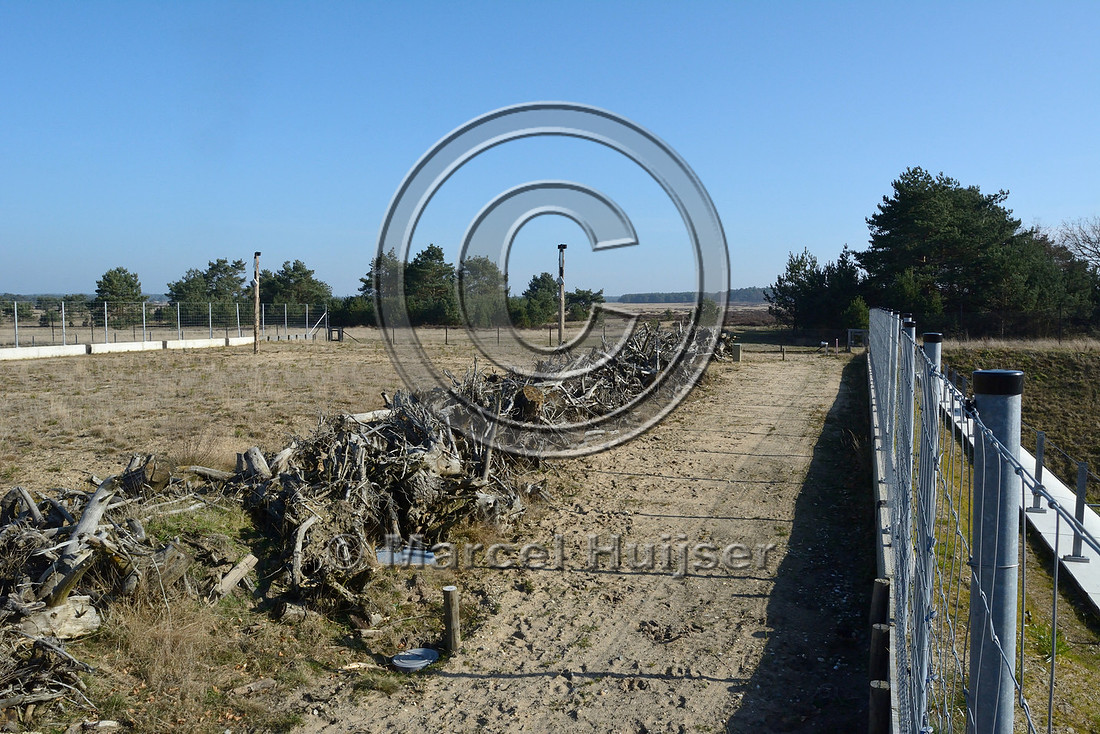
Road ecology blog: Snug fit wildlife fence and plank on top of wildlife overpass Oud Reemst (about 35 m wide), south of Otterlo, The Netherlands.

For other images of wildlife overpasses (wildlife only) click here.

For images of multifunctional wildlife overpasses (wildlife, water, humans, non-motorized vehicles, motorized vehicles) click here.

For images of landscape bridges, road tunnels or very wide overpasses over longer road sections click here.

Like Marcel Huijser Photography on Facebook

All content © 2014 Marcel Huijser


Snug fit wildlife fence and plank on top of wildlife overpass Oud Reemst (about 35 m wide), south of Otterlo, The NetherlandsSnug fit wildlife fence and plank on top of wildlife overpass Oud Reemst (about 35 m wide), south of Otterlo, The NetherlandsSnug fit wildlife fence and plank on top of wildlife overpass Oud Reemst (about 35 m wide), south of Otterlo, The Netherlands. This wildlife overpass connects "Planken Wambuis" (west side) to "National Park Hoge Veluwe" (east side). There is a fence (1.10 m high) and gates on the east side of the structure to keep mouflon (Ovis orientalis), a wild sheep species from southern Europe, Asia and Arabia, inside the "Hoge Veluwe". It also keeps horses and cattle in "Planken Wambuis". Roe deer and red deer can easily jump the fence. Presumably wild boar can push against the gates with hinges on the top side of the gate and pass through. Note the road was lowered to allow wildlife to see across to the other side of the structure.

Snug fit wildlife fence and plank on top of wildlife overpass Oud Reemst (about 35 m wide), south of Otterlo, The NetherlandsSnug fit wildlife fence and plank on top of wildlife overpass Oud Reemst (about 35 m wide), south of Otterlo, The NetherlandsSnug fit wildlife fence and plank on top of wildlife overpass Oud Reemst (about 35 m wide), south of Otterlo, The Netherlands. This wildlife overpass connects "Planken Wambuis" (west side) to "National Park Hoge Veluwe" (east side). There is a fence (1.10 m high) and gates on the east side of the structure to keep mouflon (Ovis orientalis), a wild sheep species from southern Europe, Asia and Arabia, inside the "Hoge Veluwe". It also keeps horses and cattle in "Planken Wambuis". Roe deer and red deer can easily jump the fence. Presumably wild boar can push against the gates with hinges on the top side of the gate and pass through. Note the road was lowered to allow wildlife to see across to the other side of the structure.

Snug fit wildlife fence and plank on top of wildlife overpass Oud Reemst (about 35 m wide), south of Otterlo, The NetherlandsSnug fit wildlife fence and plank on top of wildlife overpass Oud Reemst (about 35 m wide), south of Otterlo, The NetherlandsSnug fit wildlife fence and plank on top of wildlife overpass Oud Reemst (about 35 m wide), south of Otterlo, The Netherlands. This wildlife overpass connects "Planken Wambuis" (west side) to "National Park Hoge Veluwe" (east side). There is a fence (1.10 m high) and gates on the east side of the structure to keep mouflon (Ovis orientalis), a wild sheep species from southern Europe, Asia and Arabia, inside the "Hoge Veluwe". It also keeps horses and cattle in "Planken Wambuis". Roe deer and red deer can easily jump the fence. Presumably wild boar can push against the gates with hinges on the top side of the gate and pass through. Note the road was lowered to allow wildlife to see across to the other side of the structure.


European wildlife: Muskox scratching against boulder in snow, Dovrefjell, Norway

April 21, 2014  •  Leave a Comment

European wildlife: Muskox (Ovibos moschatus) scratching against boulder in snow, Dovrefjell, Norway.

Click here to view more images of muskoxen.

Click here to view more images of "the making of the muskoxen photos".

Click here to view more images of Norwegian landscapes and abstracts.

Like Marcel Huijser Photography on Facebook

All content © 2014 Marcel Huijser

Muskox (Ovibos moschatus) scratching against boulder in snowy landscape, Dovrefjell National Park, NorwayMuskox (Ovibos moschatus) scratching against boulder in snowy landscape, Dovrefjell National Park, NorwayMuskox (Ovibos moschatus) scratching against boulder in snowy landscape, Dovrefjell National Park, Norway. Muskoxen evolved in Asia and adapted to arctic tundra environments. Muskoxen became extinct in Europe (last records are from Sweden about 9,000 years ago) and Asia (last records are from the Taymyr peninsula in Russia about 2,000 years ago), probably primarily as a result of over hunting by people. Muskoxen crossed into North America from Siberia between 200,000 and 90,000 years ago and they survived in Alaska, northern Canada and Greenland. Muskoxen were reintroduced in Europe and Asia relatively recently. Muskoxen were first reintroduced in Dovrefjell National Park in Norway in 1931-1932, but these animals were all killed during the second world war. A second reintroduction attempt (1947-1953) was successful though. The muskoxen population size in Dovrefjell National Park is currently estimated at several hundred individuals.

Muskox (Ovibos moschatus) scratching against boulder in snowy landscape, Dovrefjell National Park, NorwayMuskox (Ovibos moschatus) scratching against boulder in snowy landscape, Dovrefjell National Park, NorwayMuskox (Ovibos moschatus) scratching against boulder in snowy landscape, Dovrefjell National Park, Norway. Muskoxen evolved in Asia and adapted to arctic tundra environments. Muskoxen became extinct in Europe (last records are from Sweden about 9,000 years ago) and Asia (last records are from the Taymyr peninsula in Russia about 2,000 years ago), probably primarily as a result of over hunting by people. Muskoxen crossed into North America from Siberia between 200,000 and 90,000 years ago and they survived in Alaska, northern Canada and Greenland. Muskoxen were reintroduced in Europe and Asia relatively recently. Muskoxen were first reintroduced in Dovrefjell National Park in Norway in 1931-1932, but these animals were all killed during the second world war. A second reintroduction attempt (1947-1953) was successful though. The muskoxen population size in Dovrefjell National Park is currently estimated at several hundred individuals.


Road ecology blog: Wildlife overpass "Oud Reemst", The Netherlands

April 21, 2014  •  Leave a Comment

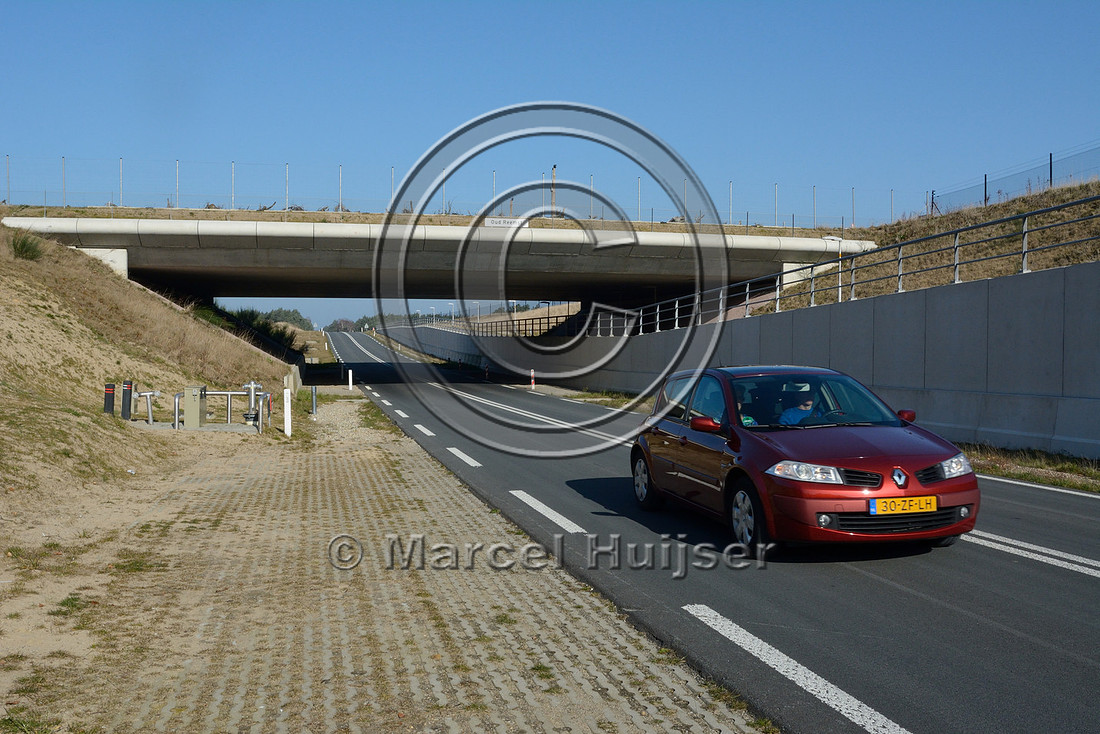
Road ecology blog: Wildlife overpass "Oud Reemst" (about 35 m wide), south of Otterlo, The Netherlands (completed 2012). This wildlife overpass connects "Planken Wambuis" (west side) to "National Park Hoge Veluwe" (east side). Note that the road was lowered over a distance of a few hundred meters to allow wildlife to see across to the other side of the structure. The wildlife do not have to walk up a slope to use the overpass... the approaches of the wildlife overpass are entirely level.

For other images of wildlife overpasses (wildlife only) click here.

For images of multifunctional wildlife overpasses (wildlife, water, humans, non-motorized vehicles, motorized vehicles) click here.

For images of landscape bridges, road tunnels or very wide overpasses over longer road sections click here.

Like Marcel Huijser Photography on Facebook

All content © 2014 Marcel Huijser


Wildlife overpass "Oud Reemst" (about 35 m wide), south of Otterlo, The NetherlandsWildlife overpass "Oud Reemst" (about 35 m wide), south of Otterlo, The NetherlandsWildlife overpass "Oud Reemst" (about 35 m wide), south of Otterlo, The Netherlands (completed 2012). This wildlife overpass connects "Planken Wambuis" (west side) to "National Park Hoge Veluwe" (east side). There is a fence (1.10 m high) and gates on the east side of the structure to keep mouflon (Ovis orientalis), a wild sheep species from southern Europe, Asia and Arabia, inside the "Hoge Veluwe". It also keeps horses and cattle in "Planken Wambuis". Roe deer and red deer can easily jump the fence. Presumably wild boar can push against the gates with hinges on the top side of the gate and pass through. Note the road was lowered to allow wildlife to see across to the other side of the structure.

Wildlife overpass "Oud Reemst" (about 35 m wide), south of Otterlo, The NetherlandsWildlife overpass "Oud Reemst" (about 35 m wide), south of Otterlo, The NetherlandsWildlife overpass "Oud Reemst" (about 35 m wide), south of Otterlo, The Netherlands (completed 2012). This wildlife overpass connects "Planken Wambuis" (west side) to "National Park Hoge Veluwe" (east side). There is a fence (1.10 m high) and gates on the east side of the structure to keep mouflon (Ovis orientalis), a wild sheep species from southern Europe, Asia and Arabia, inside the "Hoge Veluwe". It also keeps horses and cattle in "Planken Wambuis". Roe deer and red deer can easily jump the fence. Presumably wild boar can push against the gates with hinges on the top side of the gate and pass through. Note the road was lowered to allow wildlife to see across to the other side of the structure.

Vegetation and root wads on wildlife overpass Oud Reemst (about 35 m wide), south of Otterlo, The NetherlandsVegetation and root wads on wildlife overpass Oud Reemst (about 35 m wide), south of Otterlo, The NetherlandsVegetation and root wads on wildlife overpass Oud Reemst (about 35 m wide), south of Otterlo, The Netherlands. This wildlife overpass connects "Planken Wambuis" (west side) to "National Park Hoge Veluwe" (east side). There is a fence (1.10 m high) and gates on the east side of the structure to keep mouflon (Ovis orientalis), a wild sheep species from southern Europe, Asia and Arabia, inside the "Hoge Veluwe". It also keeps horses and cattle in "Planken Wambuis". Roe deer and red deer can easily jump the fence. Presumably wild boar can push against the gates with hinges on the top side of the gate and pass through. Note the road was lowered to allow wildlife to see across to the other side of the structure.


Archive
January February (6) March April May June July August September October November December
January February March April (9) May (1) June July August September October November December
January February March April May June July August September October November December
January February March (3) April (1) May June July August September October November December
January February March April May June July August September October November December