Marcel Huijser Photography   Home

This is where I show the most recent images and talk about how they were made. The images typically relate to landscapes and wildlife, but I also blog about photos of highways and mitigation measures for wildlife or road ecology in general. Please contact me if you would like to use any of the images.

All content © Marcel Huijser                             

Montana wildlife: Uinta ground squirrel (Urocitellus armatus), Montana, USA

May 03, 2014  •  Leave a Comment

Montana wildlife: Uinta ground squirrel (Urocitellus armatus), Montana, USA.

Click here for other images of Uinta ground squirrels.

Like Marcel Huijser Photography on Facebook

All content © 2014 Marcel Huijser


Uinta ground squirrel (Urocitellus armatus), Montana, USAUinta ground squirrel (Urocitellus armatus), Montana, USAUinta ground squirrel (Urocitellus armatus), Montana, USA


Outdoor life: Pulling kayak through shallows, Yellowstone National Park, Wyoming, USA

May 03, 2014  •  Leave a Comment

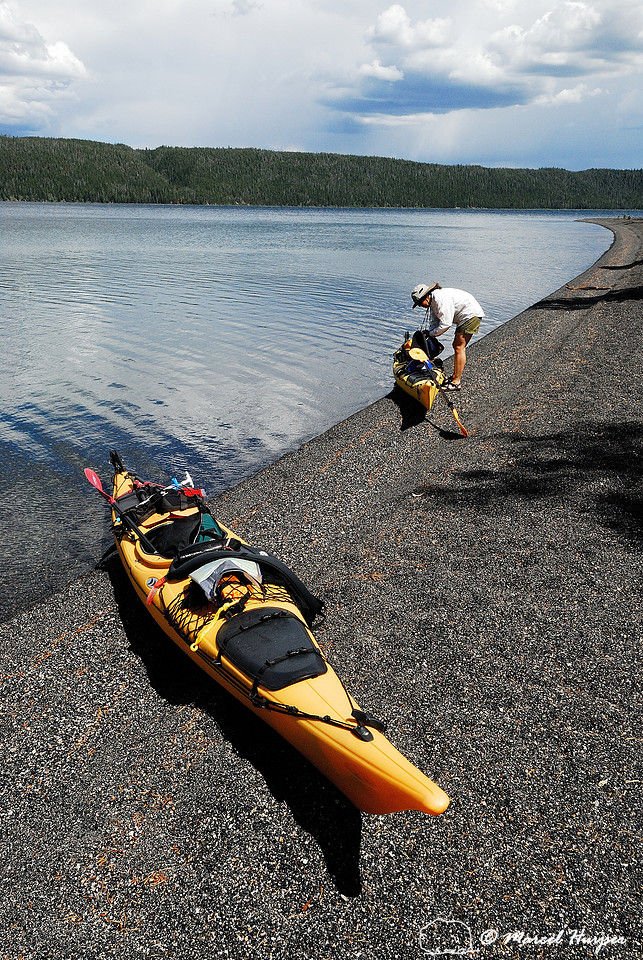
Outdoor life: Pulling kayak through shallow part of Lewis channel between Lewis Lake and Shoshone Lake, Yellowstone National Park, Wyoming, USA.

Click here to view images of outdoor life in Montana.

Click here to view more images of hiking, biking, skiing, horseback riding and trails.

Like Marcel Huijser Photography on Facebook

All content © 2014 Marcel Huijser

Bethanie Walder pulls kayak through shallow part of Lewis channel between Lewis Lake and Shoshone Lake, Yellowstone National Park, Wyoming, USABethanie Walder pulls kayak through shallow part of Lewis channel between Lewis Lake and Shoshone Lake, Yellowstone National Park, Wyoming, USABethanie Walder pulls kayak through shallow part of Lewis channel between Lewis Lake and Shoshone Lake, Yellowstone National Park, Wyoming, USA Kayaks at campsite on Shoshone lake, Yellowstone National Park, Wyoming, USAKayaks at campsite on Shoshone lake, Yellowstone National Park, Wyoming, USAKayaks at campsite on Shoshone lake, Yellowstone National Park, Wyoming, USA Kayaks at campsite on Shoshone lake, Yellowstone National Park, Wyoming, USAKayaks at campsite on Shoshone lake, Yellowstone National Park, Wyoming, USAKayaks at campsite on Shoshone lake, Yellowstone National Park, Wyoming, USA


Americana: The "Taco Bus", Mexican restaurant, Dillon, Montana, USA

May 02, 2014  •  Leave a Comment

Americana: The "Taco Bus", Mexican restaurant, Dillon, Montana, USA. This is my favorite place to stop and eat a real meal after spending multiple days out in the high desert of Montana.

Click here for other images of North American culture.

Click here for images and videos of sage grouse.

Click here for other images of the blind, our campsite and the bicycles and trailer we used to haul our gear.

Click here for images of fence markers, reflectors or flags for sage grouse on livestock fences.

Click here for useful information on sage grouse and sustainable ranching practices.

Like Marcel Huijser Photography on Facebook

All content © 2014 Marcel Huijser

The "Taco Bus", Mexican restaurant, Dillon, Montana, USAThe "Taco Bus", Mexican restaurant, Dillon, Montana, USAThe "Taco Bus", Mexican restaurant, Dillon, Montana, USA. This is my favorite place to stop and eat a real meal after spending multiple days out in the high desert of Montana.


The making of the sage grouse images: camping out in the sagebrush sea, Montana, USA

May 02, 2014  •  Leave a Comment

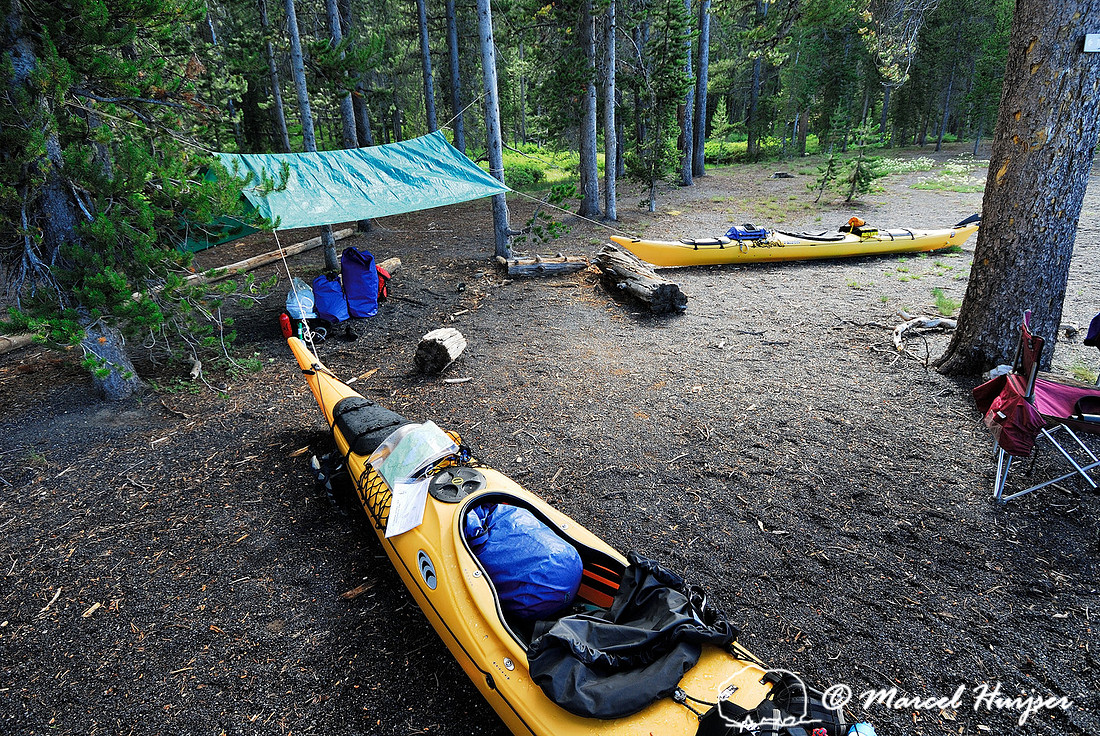
The making of the sage grouse images: camping out in the sagebrush sea, Montana, USA. There is a dirt road a few miles away... less than a handful of cars per day... let alone people that walk into this beautiful area...

Click here for images and videos of sage grouse.

Click here for other images of the blind, our campsite and the bicycles and trailer we used to haul our gear.

Click here for images of fence markers, reflectors or flags for sage grouse on livestock fences.

Click here for useful information on sage grouse and sustainable ranching practices.

Like Marcel Huijser Photography on Facebook

All content © 2014 Marcel Huijser
 

Camping out in the sagebrush sea, Montana, USACamping out in the sagebrush sea, Montana, USACamping out in the sagebrush sea, Montana, USA


Montana birds: Greater sage-grouse and feather, Montana, USA.

May 02, 2014  •  Leave a Comment

Montana birds: Greater sage-grouse (Centrocercus urophasianus) and feather, Montana, USA. To me it appears this sage grouse is looking into a blurry mirror. This is an illusion of course as the open aperture created the blurry background and there just happened to be a second male grouse in the right location with the right posture.


Click here for images and videos of sage grouse.

Click here for other images of the blind, our campsite and the bicycles and trailer we used to haul our gear.

Click here for images of fence markers, reflectors or flags for sage grouse on livestock fences.

Click here for useful information on sage grouse and sustainable ranching practices.

Like Marcel Huijser Photography on Facebook

All content © 2014 Marcel Huijser
 

Greater sage-grouse (Centrocercus urophasianus), Montana, USAGreater sage-grouse (Centrocercus urophasianus), Montana, USAGreater sage-grouse (Centrocercus urophasianus), Montana, USA

Tail feather of greater sage-grouse (Centrocercus urophasianus) displaying at lek, Montana, USATail feather of greater sage-grouse (Centrocercus urophasianus) displaying at lek, Montana, USATail feather of greater sage-grouse (Centrocercus urophasianus) displaying at lek, Montana, USA


Road ecology blog: Swing gate, The Netherlands

May 02, 2014  •  Leave a Comment

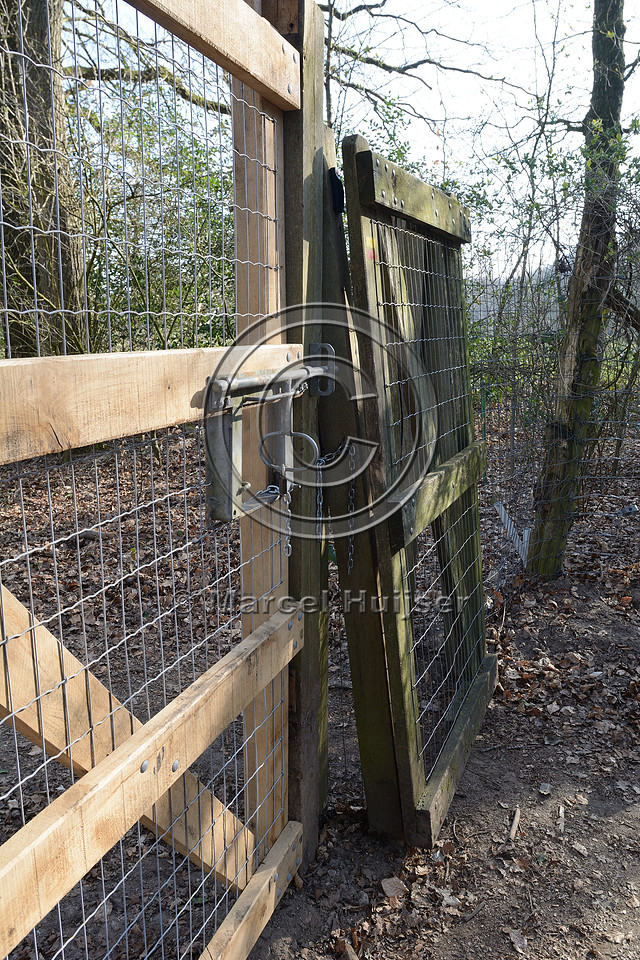
Road ecology blog: Swing gate, set at an angle so it closes through gravity, The Netherlands. This fence keeps red deer (Cervus elaphus), wild boar (Sus scrofa), and roe deer (Capreolus capreolus) from leaving a nature reserve and entering a village and surrounding agricultural fields.

Click here for other images of wildlife guards, cattle guards, electric mats or gates.

Like Marcel Huijser Photography on Facebook

All content © 2014 Marcel Huijser


Swing gate, set at an angle so it closes through gravity, The NetherlandsSwing gate, set at an angle so it closes through gravity, The NetherlandsSwing gate, set at an angle so it closes through gravity, The Netherlands

Swing gate, set at an angle so it closes through gravity, The NetherlandsSwing gate, set at an angle so it closes through gravity, The NetherlandsSwing gate, set at an angle so it closes through gravity, The Netherlands


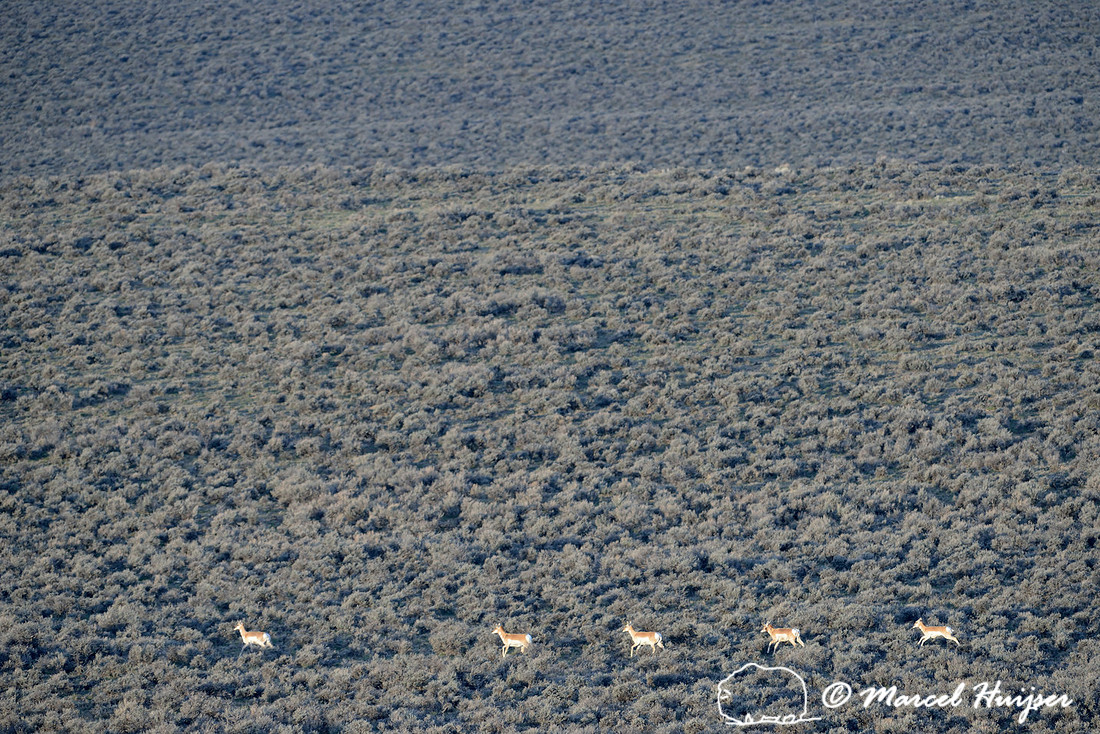
Montana wildlife: Line of pronghorn in a sagebrush sea, Montana, USA

May 01, 2014  •  Leave a Comment

Line of pronghorn (Antilocapra americana) in a sagebrush sea, Montana, USA.

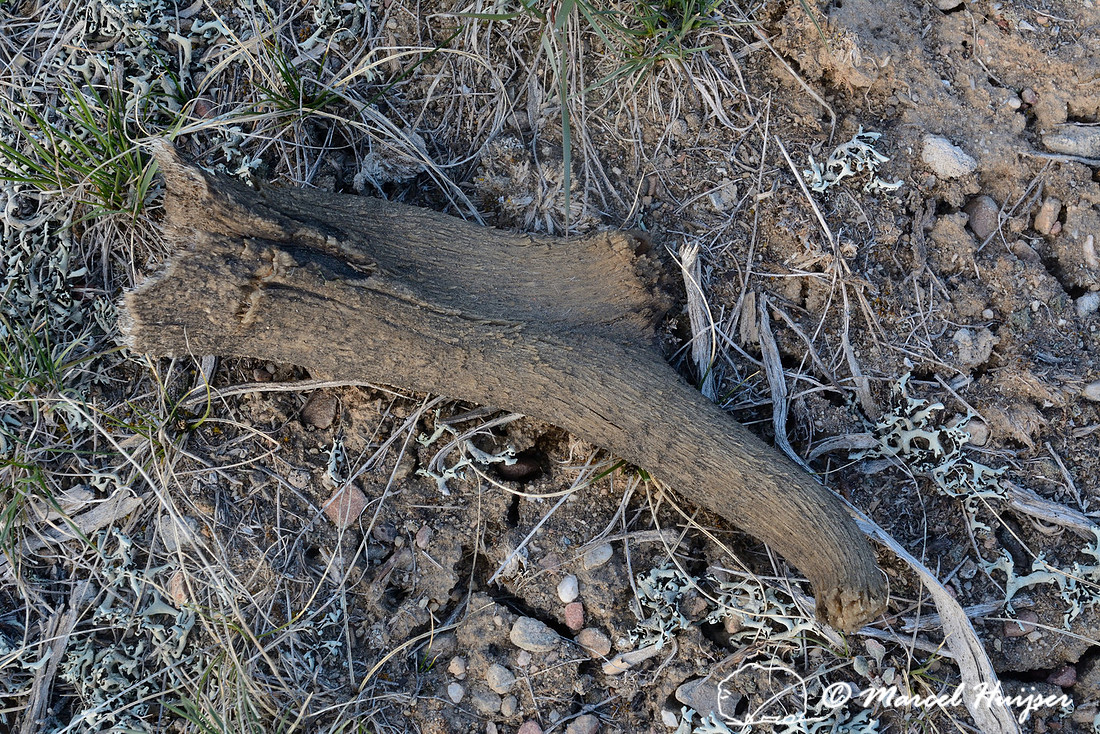
The second image is of a shed horn of a pronghorn. I found this shed horn while walking around in the sagebrush. Pronghorns shed their horns every year around end October-November. The horn is like a sheath that covers a bony core (which stays attached to the animal of course). After the keratinous sheath is shed a new horn is grown. In this sense they are different from other species with horns such as bison, mountain goats, and bighorn sheep which never shed their horns.

Click here for other images of pronghorn.

Like Marcel Huijser Photography on Facebook

All content © 2014 Marcel Huijser


Line of pronghorn (Antilocapra americana) in a sagebrush sea, Montana, USALine of pronghorn (Antilocapra americana) in a sagebrush sea, Montana, USALine of pronghorn (Antilocapra americana) in a sagebrush sea, Montana, USA

Shed horn of a pronghorn (Antilocapra americana), Montana, USAShed horn of a pronghorn (Antilocapra americana), Montana, USAShed horn of a pronghorn (Antilocapra americana), Montana, USA. I found this shed horn while walking around. Pronghorns shed their horns every year. The horn is like a sheath that covers a bony core (which stays attached to the animal of course). After the keratinous sheath is shed a new horn is grown. In this sense they are different from other species with horns such as bison, goats, sheep which never shed their horns.


Road Ecology Blog: North American beaver (Castor canadensis) roadkill, Montana, USA

May 01, 2014  •  Leave a Comment

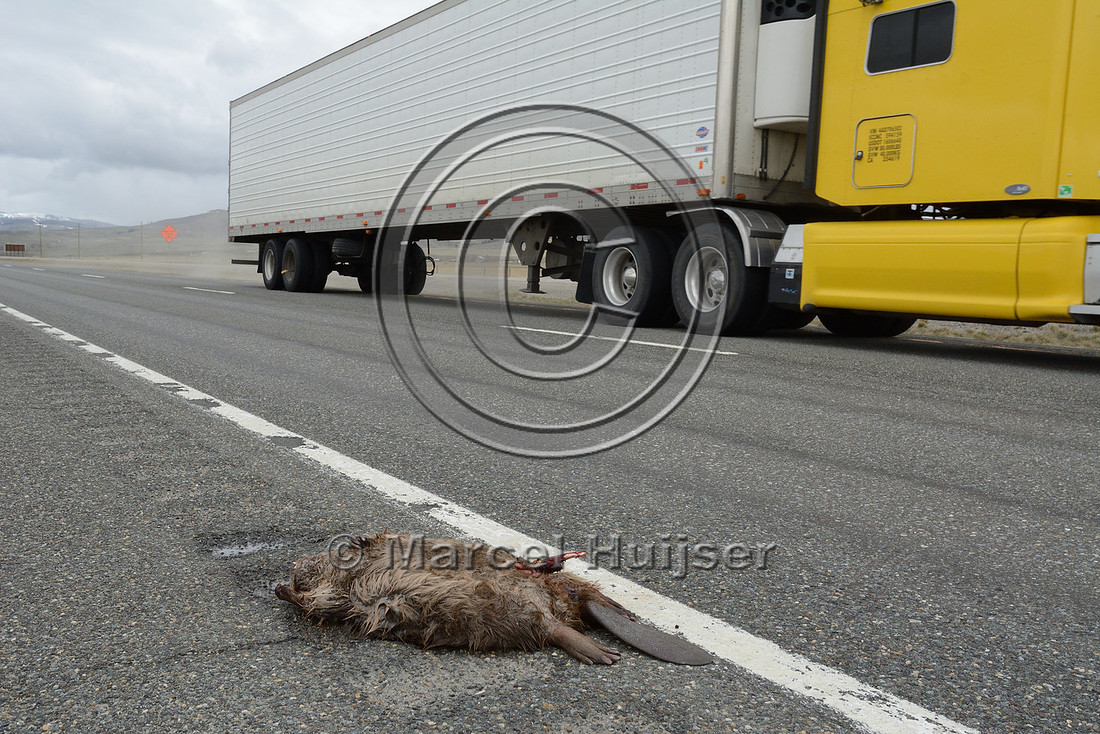
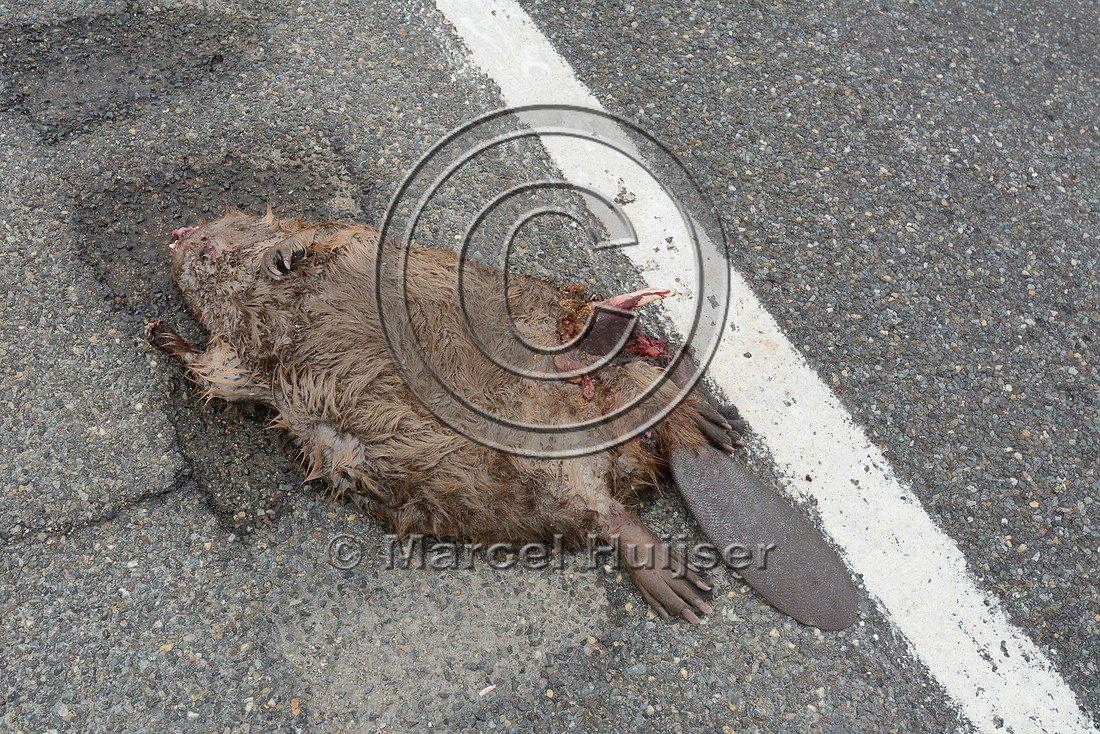
Road Ecology Blog: North American beaver (Castor canadensis) roadkill, Montana, USA

Click here for other images of animals that were killed by cars.

Like Marcel Huijser Photography on Facebook

All content © 2014 Marcel Huijser


North American beaver (Castor canadensis) roadkill, Montana, USANorth American beaver (Castor canadensis) roadkill, Montana, USANorth American beaver (Castor canadensis) roadkill, Montana, USA North American beaver (Castor canadensis) roadkill, Montana, USANorth American beaver (Castor canadensis) roadkill, Montana, USANorth American beaver (Castor canadensis) roadkill, Montana, USA


Montana birds: Greater sage-grouse looking through vegetation, Montana, USA

April 30, 2014  •  Leave a Comment

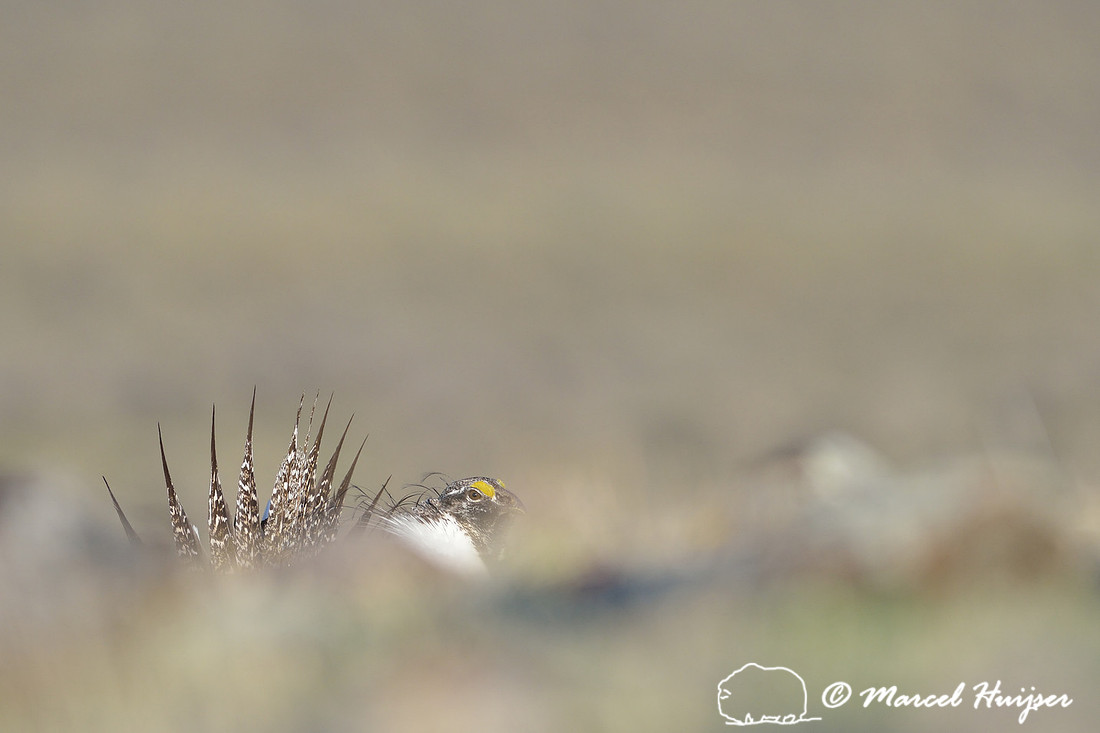
Montana birds: Greater sage-grouse (Centrocercus urophasianus) looking through the vegetation, Montana, USA.

Click here for images and videos of sage grouse.

Click here for other images of the blind, our campsite and the bicycles and trailer we used to haul our gear.

Click here for images of fence markers, reflectors or flags for sage grouse on livestock fences.

Click here for useful information on sage grouse and sustainable ranching practices.

Like Marcel Huijser Photography on Facebook

All content © 2014 Marcel Huijser


Greater sage-grouse (Centrocercus urophasianus), Montana, USAGreater sage-grouse (Centrocercus urophasianus), Montana, USAGreater sage-grouse (Centrocercus urophasianus), Montana, USA


The making of the sage grouse: Marcel Huijser sets up blind and screens, Montana, USA

April 30, 2014  •  Leave a Comment

The making of the sage grouse: Marcel Huijser sets up his blind and approach screens near a sage grouse lek, Montana, USA.

Click here for images and videos of sage grouse.

Click here for other images of the blind, our campsite and the bicycles and trailer we used to haul our gear.

Click here for images of fence markers, reflectors or flags for sage grouse on livestock fences.

Click here for useful information on sage grouse and sustainable ranching practices.

Like Marcel Huijser Photography on Facebook

All content © 2014 Marcel Huijser


My blind and approach screens near a sage grouse lek, Montana, USAMy blind and approach screens near a sage grouse lek, Montana, USAMy blind and approach screens near a sage grouse lek, Montana, USA. Note that the blind has to be set up during the day and everything must be finished and quiet an least an hour before sunset before the birds may come to the lek. Depending on the moonlight there may be more (full moon) or less (new moon) sage grouse activity at the lek during the night. Care should be taken when approaching the blind. Be in the blind at least an hour before first light. The approach screens and darkness, especially during new moon, help conceal my approach. It is important to take your time... you cannot be seen or heard by the birds as you approach. You cannot make noise or talk, also not while in the blind, and you have to stay put until after the birds have left to forage elsewhere during the day. Don't try something like this on your own before consulting with an expert as sage grouse are near threatened (IUCN, 2014) and they are very sensitive to human disturbance.

Marcel Huijser sets of his blinds and approach screens near a sage grouse lek, Montana, USAMarcel Huijser sets of his blinds and approach screens near a sage grouse lek, Montana, USAMarcel Huijser sets up his blind and approach screens near a sage grouse lek, Montana, USA. Note that the blind has to be set up during the day and everything must be finished and quiet an least an hour before sunset before the birds may come to the lek. Depending on the moonlight there may be more (full moon) or less (new moon) sage grouse activity at the lek during the night. Care should be taken when approaching the blind. Be in the blind at least an hour before first light. The approach screens and darkness, especially during new moon, help conceal my approach. It is important to take your time... you cannot be seen or heard by the birds as you approach. You cannot make noise or talk, also not while in the blind, and you have to stay put until after the birds have left to forage elsewhere during the day. Don't try something like this on your own before consulting with an expert as sage grouse are near threatened (IUCN, 2014) and they are very sensitive to human disturbance.

Marcel Huijser sets of his blinds and approach screens near a sage grouse lek, Montana, USAMarcel Huijser sets of his blinds and approach screens near a sage grouse lek, Montana, USAMarcel Huijser sets up his blind and approach screens near a sage grouse lek, Montana, USA. Note that the blind has to be set up during the day and everything must be finished and quiet an least an hour before sunset before the birds may come to the lek. Depending on the moonlight there may be more (full moon) or less (new moon) sage grouse activity at the lek during the night. Care should be taken when approaching the blind. Be in the blind at least an hour before first light. The approach screens and darkness, especially during new moon, help conceal my approach. It is important to take your time... you cannot be seen or heard by the birds as you approach. You cannot make noise or talk, also not while in the blind, and you have to stay put until after the birds have left to forage elsewhere during the day. Don't try something like this on your own before consulting with an expert as sage grouse are near threatened (IUCN, 2014) and they are very sensitive to human disturbance.


Road ecology blog: Street light for bicycle path under wildlife overpass, The Netherlands

April 30, 2014  •  Leave a Comment

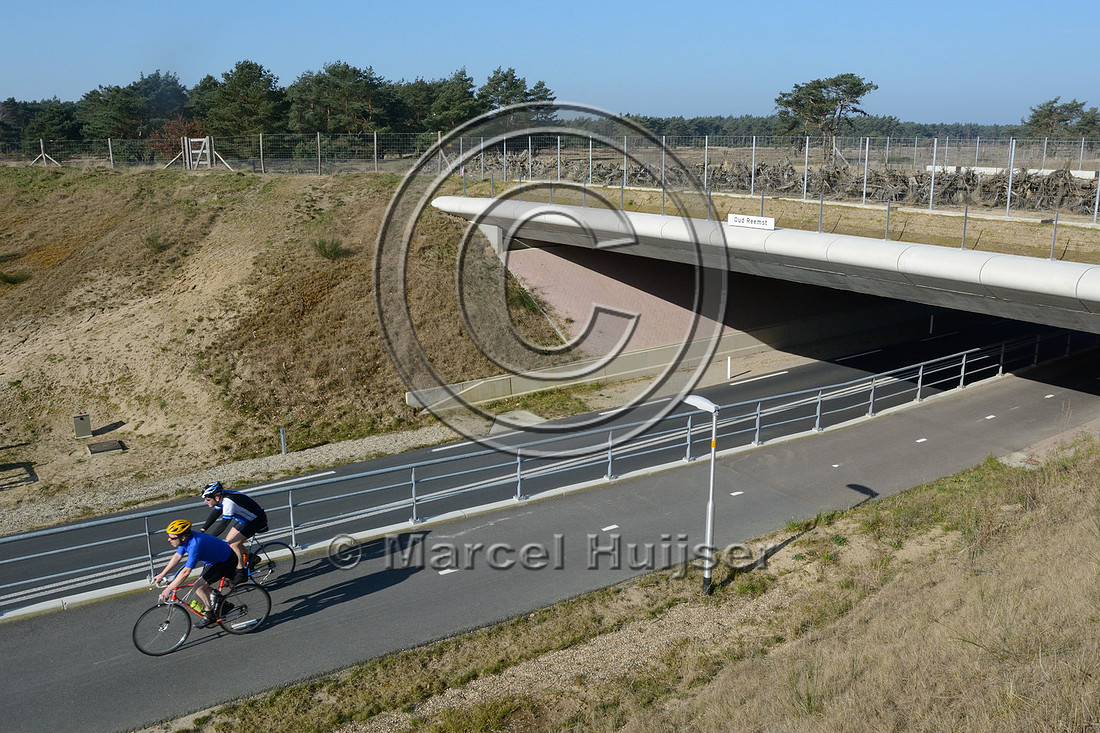
Road ecology blog: Street light for bicycle path under wildlife overpass Oud Reemst, south of Otterlo, The Netherlands. Note that the street lights minimize light pollution by shielding the light from going up. This minimizes disturbance for the wildlife when they use the overpass.


Click here to view more images of street lights and lighting.

For other images of wildlife overpasses (wildlife only) click here.

For images of multifunctional wildlife overpasses (wildlife, water, humans, non-motorized vehicles, motorized vehicles) click here.

For images of landscape bridges, road tunnels or very wide overpasses over longer road sections click here.

For other images of hiking, biking and other non-motorized recreation, click here.


Like Marcel Huijser Photography on Facebook

All content © 2014 Marcel Huijser


Street light for bicycle path under wildlife overpass Oud Reemst (about 35 m wide), south of Otterlo, The NetherlandsStreet light for bicycle path under wildlife overpass Oud Reemst (about 35 m wide), south of Otterlo, The NetherlandsStreet light for bicycle path under wildlife overpass Oud Reemst (about 35 m wide), south of Otterlo, The Netherlands. The street lights are designed to minimize light pollution and disturbance to wildlife on the overpass. This wildlife overpass connects "Planken Wambuis" (west side) to "National Park Hoge Veluwe" (east side). There is a fence (1.10 m high) and gates on the east side of the structure to keep mouflon (Ovis orientalis), a wild sheep species from southern Europe, Asia and Arabia, inside the "Hoge Veluwe". It also keeps horses and cattle in "Planken Wambuis". Roe deer and red deer can easily jump the fence. Presumably wild boar can push against the gates with hinges on the top side of the gate and pass through. Note the road was lowered to allow wildlife to see across to the other side of the structure.


Scandinavian landscapes: Birches on a mountain side, Dovrefjell National Park, Norway

April 29, 2014  •  Leave a Comment

Scandinavian landscapes: Birches (Betula sp.) on a mountain side, Dovrefjell National Park, Norway.

Click here to view more images of muskoxen.

Click here to view more images of "the making of the muskoxen photos".

Click here to view more images of Norwegian landscapes and abstracts.

Like Marcel Huijser Photography on Facebook

All content © 2014 Marcel Huijser


Birches (Betula sp.) on a mountain side, Dovrefjell National Park, NorwayBirches (Betula sp.) on a mountain side, Dovrefjell National Park, NorwayBirches (Betula sp.) on a mountain side, Dovrefjell National Park, Norway


Road ecology blog: Bicycle path under wildlife overpass "Oud Reemst", The Netherlands

April 29, 2014  •  Leave a Comment

Road ecology blog: Bicycle path under wildlife overpass "Oud Reemst" (about 35 m wide), south of Otterlo, The Netherlands.


For other images of wildlife overpasses (wildlife only) click here.

For images of multifunctional wildlife overpasses (wildlife, water, humans, non-motorized vehicles, motorized vehicles) click here.

For images of landscape bridges, road tunnels or very wide overpasses over longer road sections click here.

For other images of hiking, biking and other non-motorized recreation, click here.


Like Marcel Huijser Photography on Facebook

All content © 2014 Marcel Huijser

Bicycle path and under wildlife overpass "Oud Reemst" (about 35 m wide), south of Otterlo, The NetherlandsBicycle path and under wildlife overpass "Oud Reemst" (about 35 m wide), south of Otterlo, The NetherlandsBicycle path and under wildlife overpass "Oud Reemst" (about 35 m wide), south of Otterlo, The Netherlands (completed 2012). This wildlife overpass connects "Planken Wambuis" (west side) to "National Park Hoge Veluwe" (east side). There is a fence (1.10 m high) and gates on the east side of the structure to keep mouflon (Ovis orientalis), a wild sheep species from southern Europe, Asia and Arabia, inside the "Hoge Veluwe". It also keeps horses and cattle in "Planken Wambuis". Roe deer and red deer can easily jump the fence. Presumably wild boar can push against the gates with hinges on the top side of the gate and pass through. Note the road was lowered to allow wildlife to see across to the other side of the structure.


Montana wildlife: Pygmy rabbit (Brachylagus idahoensis), Montana, USA

April 28, 2014  •  Leave a Comment

Montana wildlife: Pygmy rabbit (Brachylagus idahoensis), Montana, USA. The pygmy rabbit is the smallest of all hare and rabbit species in the world. It occurs in the Great Basin and is very much dependent on intact areas with big sagebrush (Artemisia tridentata). In Montana it only occurs in the extreme southwest corner of the state. The images below are low resolution and are part of my scouting effort to prepare for making higher resolution images.

Like Marcel Huijser Photography on Facebook

All content © 2014 Marcel Huijser
Pygmy rabbit (Brachylagus idahoensis), Montana, USAPygmy rabbit (Brachylagus idahoensis), Montana, USAPygmy rabbit (Brachylagus idahoensis), Montana, USA. The pygmy rabbit is the smallest of all hare and rabbit species in the world. It occurs in the Great Basin and is very much dependent on intact areas with big sagebrush (Artemisia tridentata). In Montana it only occurs in the extreme southwest corner of the state. This image is low quality and part of my scouting effort to prepare for making higher quality images. Pygmy rabbit (Brachylagus idahoensis), Montana, USAPygmy rabbit (Brachylagus idahoensis), Montana, USAPygmy rabbit (Brachylagus idahoensis), Montana, USA. The pygmy rabbit is the smallest of all hare and rabbit species in the world. It occurs in the Great Basin and is very much dependent on intact areas with big sagebrush (Artemisia tridentata). In Montana it only occurs in the extreme southwest corner of the state. This image is low quality and part of my scouting effort to prepare for making higher quality images. Pygmy rabbit (Brachylagus idahoensis), Montana, USAPygmy rabbit (Brachylagus idahoensis), Montana, USAPygmy rabbit (Brachylagus idahoensis), Montana, USA. The pygmy rabbit is the smallest of all hare and rabbit species in the world. It occurs in the Great Basin and is very much dependent on intact areas with big sagebrush (Artemisia tridentata). In Montana it only occurs in the extreme southwest corner of the state. This image is low quality and part of my scouting effort to prepare for making higher quality images.


Norway: Gate at the Ringebu stave church, in winter with ice fog, Ringebu, Norway

April 26, 2014  •  Leave a Comment

Norway: Gate at the Ringebu stave church (stavkyrkje), early 13th century, in winter with ice fog, Ringebu.

Click here to view more images of muskoxen.

Click here to view more images of "the making of the muskoxen photos".

Click here to view more images of Norwegian landscapes and abstracts.

Like Marcel Huijser Photography on Facebook

All content © 2014 Marcel Huijser
Gate at the Ringebu stave church (stavkyrkje), early 13th century, in winter with ice fog, Ringebu, NorwayGate at the Ringebu stave church (stavkyrkje), early 13th century, in winter with ice fog, Ringebu, NorwayGate at the Ringebu stave church (stavkyrkje), early 13th century, in winter with ice fog, Ringebu, Norway

Archive
January February (6) March April May June July August September October November December
January February March April (9) May (1) June July August September October November December
January February March April May June July August September October November December
January February March (3) April (1) May June July August September October November December
January February March April May June July August September October November December