Marcel Huijser Photography   Home

This is where I show the most recent images and talk about how they were made. The images typically relate to landscapes and wildlife, but I also blog about photos of highways and mitigation measures for wildlife or road ecology in general. Please contact me if you would like to use any of the images.

All content © Marcel Huijser                             

Montana birds: Greater sage-grouse (Centrocercus urophasianus) in landscape, Montana, USA

April 20, 2014  •  Leave a Comment

Montana birds: Greater sage-grouse (Centrocercus urophasianus) in landscape, Montana, USA.

Click here for images and videos of sage grouse.

Click here for other images of the blind, our campsite and the bicycles and trailer we used to haul our gear.

Click here for images of fence markers, reflectors or flags for sage grouse on livestock fences.

Click here for useful information on sage grouse and sustainable ranching practices.

Like Marcel Huijser Photography on Facebook

All content © 2014 Marcel Huijser

Greater sage-grouse (Centrocercus urophasianus), Montana, USAGreater sage-grouse (Centrocercus urophasianus), Montana, USAGreater sage-grouse (Centrocercus urophasianus), Montana, USA


European wildlife: Muskox, snow and rocks, Dovrefjell National Park, Norway

April 20, 2014  •  Leave a Comment

European wildlife: Muskox (Ovibos moschatus) and rock lines in snowy landscape, Dovrefjell National Park, Norway. The snow has blown off the crest of these rocks resulting in fine lines contrasting with the snowy landscape. The muskox emphasizes these lines by moving parallel to it.

Click here to view more images of muskoxen.

Click here to view more images of "the making of the muskoxen photos".

Click here to view more images of Norwegian landscapes and abstracts.

Like Marcel Huijser Photography on Facebook

All content © 2014 Marcel Huijser

Muskox (Ovibos moschatus) and rock lines in snowy landscape, Dovrefjell National Park, NorwayMuskox (Ovibos moschatus) and rock lines in snowy landscape, Dovrefjell National Park, NorwayMuskox (Ovibos moschatus) and rock lines in snowy landscape, Dovrefjell National Park, Norway. Muskoxen evolved in Asia and adapted to arctic tundra environments. Muskoxen became extinct in Europe (last records are from Sweden about 9,000 years ago) and Asia (last records are from the Taymyr peninsula in Russia about 2,000 years ago), probably primarily as a result of over hunting by people. Muskoxen crossed into North America from Siberia between 200,000 and 90,000 years ago and they survived in Alaska, northern Canada and Greenland. Muskoxen were reintroduced in Europe and Asia relatively recently. Muskoxen were first reintroduced in Dovrefjell National Park in Norway in 1931-1932, but these animals were all killed during the second world war. A second reintroduction attempt (1947-1953) was successful though. The muskoxen population size in Dovrefjell National Park is currently estimated at several hundred individuals.


Montana birds: Greater sage-grouse (Centrocercus urophasianus) at sunrise, Montana, USA

April 19, 2014  •  Leave a Comment

Montana birds: Greater sage-grouse (Centrocercus urophasianus) at sunrise, Montana, USA

Click here for images and videos of sage grouse.

Click here for other images of the blind, our campsite and the bicycles and trailer we used to haul our gear.

Click here for images of fence markers, reflectors or flags for sage grouse on livestock fences.

Click here for useful information on sage grouse and sustainable ranching practices.

Like Marcel Huijser Photography on Facebook

All content © 2014 Marcel Huijser

Greater sage-grouse (Centrocercus urophasianus), Montana, USAGreater sage-grouse (Centrocercus urophasianus), Montana, USAGreater sage-grouse (Centrocercus urophasianus), Montana, USA


European wildlife: Muskox in black and white, Dovrefjell National Park, Norway

April 19, 2014  •  Leave a Comment

European wildlife: Muskox (Ovibos moschatus), Dovrefjell National Park, Norway. In black and white.

Click here to view more images of muskoxen.

Click here to view more images of "the making of the muskoxen photos".

Click here to view more images of Norwegian landscapes and abstracts.

Like Marcel Huijser Photography on Facebook

All content © 2014 Marcel Huijser

Muskox (Ovibos moschatus), Dovrefjell National Park, NorwayMuskox (Ovibos moschatus), Dovrefjell National Park, NorwayMuskox (Ovibos moschatus), Dovrefjell National Park, Norway.

*** SELECT BLACK AND WHITE PAPER FOR PRINTING; COLOR PAPER WILL RESULT IN BROWN HAZE OVER IMAGE ***

Muskoxen evolved in Asia and adapted to arctic tundra environments. Muskoxen became extinct in Europe (last records are from Sweden about 9,000 years ago) and Asia (last records are from the Taymyr peninsula in Russia about 2,000 years ago), probably primarily as a result of over hunting by people. Muskoxen crossed into North America from Siberia between 200,000 and 90,000 years ago and they survived in Alaska, northern Canada and Greenland. Muskoxen were reintroduced in Europe and Asia relatively recently. Muskoxen were first reintroduced in Dovrefjell National Park in Norway in 1931-1932, but these animals were all killed during the second world war. A second reintroduction attempt (1947-1953) was successful though. The muskoxen population size in Dovrefjell National Park is currently estimated at several hundred individuals.

Muskox (Ovibos moschatus), Dovrefjell National Park, NorwayMuskox (Ovibos moschatus), Dovrefjell National Park, NorwayMuskox (Ovibos moschatus), Dovrefjell National Park, Norway.

*** SELECT BLACK AND WHITE PAPER FOR PRINTING; COLOR PAPER WILL RESULT IN BROWN HAZE OVER IMAGE ***

Muskoxen evolved in Asia and adapted to arctic tundra environments. Muskoxen became extinct in Europe (last records are from Sweden about 9,000 years ago) and Asia (last records are from the Taymyr peninsula in Russia about 2,000 years ago), probably primarily as a result of over hunting by people. Muskoxen crossed into North America from Siberia between 200,000 and 90,000 years ago and they survived in Alaska, northern Canada and Greenland. Muskoxen were reintroduced in Europe and Asia relatively recently. Muskoxen were first reintroduced in Dovrefjell National Park in Norway in 1931-1932, but these animals were all killed during the second world war. A second reintroduction attempt (1947-1953) was successful though. The muskoxen population size in Dovrefjell National Park is currently estimated at several hundred individuals.

Muskox (Ovibos moschatus), Dovrefjell National Park, NorwayMuskox (Ovibos moschatus), Dovrefjell National Park, NorwayMuskox (Ovibos moschatus), Dovrefjell National Park, Norway.

*** SELECT BLACK AND WHITE PAPER FOR PRINTING; COLOR PAPER WILL RESULT IN BROWN HAZE OVER IMAGE ***

Muskoxen evolved in Asia and adapted to arctic tundra environments. Muskoxen became extinct in Europe (last records are from Sweden about 9,000 years ago) and Asia (last records are from the Taymyr peninsula in Russia about 2,000 years ago), probably primarily as a result of over hunting by people. Muskoxen crossed into North America from Siberia between 200,000 and 90,000 years ago and they survived in Alaska, northern Canada and Greenland. Muskoxen were reintroduced in Europe and Asia relatively recently. Muskoxen were first reintroduced in Dovrefjell National Park in Norway in 1931-1932, but these animals were all killed during the second world war. A second reintroduction attempt (1947-1953) was successful though. The muskoxen population size in Dovrefjell National Park is currently estimated at several hundred individuals.


European wildlife: Got insurance?

April 18, 2014  •  Leave a Comment

European wildlife: Got insurance? Muskox (Ovibos moschatus) investigates my Lowepro camera bag, Dovrefjell National Park, Norway.

Click here to view more images of muskoxen.

Click here to view more images of "the making of the muskoxen photos".

Click here to view more images of Norwegian landscapes and abstracts.

Like Marcel Huijser Photography on Facebook

All content © 2014 Marcel Huijser


Muskoxen (Ovibos moschatus) investigates camera bag, Dovrefjell National Park, NorwayMuskoxen (Ovibos moschatus) investigates camera bag, Dovrefjell National Park, NorwayMuskoxen (Ovibos moschatus) investigates camera bag, Dovrefjell National Park, Norway. Muskoxen evolved in Asia and adapted to arctic tundra environments. Muskoxen became extinct in Europe (last records are from Sweden about 9,000 years ago) and Asia (last records are from the Taymyr peninsula in Russia about 2,000 years ago), probably primarily as a result of over hunting by people. Muskoxen crossed into North America from Siberia between 200,000 and 90,000 years ago and they survived in Alaska, northern Canada and Greenland. Muskoxen were reintroduced in Europe and Asia relatively recently. Muskoxen were first reintroduced in Dovrefjell National Park in Norway in 1931-1932, but these animals were all killed during the second world war. A second reintroduction attempt (1947-1953) was successful though. The muskoxen population size in Dovrefjell National Park is currently estimated at several hundred individuals.


Montana wildlife: Pronghorn (Antilocapra americana), Montana, USA

April 18, 2014  •  Leave a Comment

Montana wildlife: Pronghorn (Antilocapra americana), Montana, USA. This pronghorn came to check out my blind... curious animals! Interestingly the pronghorn was bleeding from the base of its left pronghorn.

Click here for other images of pronghorn.

Like Marcel Huijser Photography on Facebook

All content © 2013 Marcel Huijser


Pronghorn (Antilocapra americana), Montana, USAPronghorn (Antilocapra americana), Montana, USAPronghorn (Antilocapra americana), Montana, USA

Pronghorn (Antilocapra americana), Montana, USAPronghorn (Antilocapra americana), Montana, USAPronghorn (Antilocapra americana), Montana, USA

Pronghorn (Antilocapra americana), Montana, USAPronghorn (Antilocapra americana), Montana, USAPronghorn (Antilocapra americana), Montana, USA

Pronghorn (Antilocapra americana), Montana, USAPronghorn (Antilocapra americana), Montana, USAPronghorn (Antilocapra americana), Montana, USA


European wildlife: Muskox (Ovibos moschatus) in snowy weather, Dovrefjell National Park, Norway

April 18, 2014  •  Leave a Comment

European wildlife: Muskox (Ovibos moschatus), Dovrefjell National Park, Norway

Click here to view more images of muskoxen.

Click here to view more images of "the making of the muskoxen photos".

Click here to view more images of Norwegian landscapes and abstracts.

Like Marcel Huijser Photography on Facebook

All content © 2014 Marcel Huijser


Muskox (Ovibos moschatus), Dovrefjell National Park, NorwayMuskox (Ovibos moschatus), Dovrefjell National Park, NorwayMuskox (Ovibos moschatus), Dovrefjell National Park, Norway. Muskoxen evolved in Asia and adapted to arctic tundra environments. Muskoxen became extinct in Europe (last records are from Sweden about 9,000 years ago) and Asia (last records are from the Taymyr peninsula in Russia about 2,000 years ago), probably primarily as a result of over hunting by people. Muskoxen crossed into North America from Siberia between 200,000 and 90,000 years ago and they survived in Alaska, northern Canada and Greenland. Muskoxen were reintroduced in Europe and Asia relatively recently. Muskoxen were first reintroduced in Dovrefjell National Park in Norway in 1931-1932, but these animals were all killed during the second world war. A second reintroduction attempt (1947-1953) was successful though. The muskoxen population size in Dovrefjell National Park is currently estimated at several hundred individuals.


Road ecology blog: Multifunctional overpass Slabroek, A50 motorway, The Netherlands

April 18, 2014  •  Leave a Comment

Multifunctional overpass (wildlife and bicycle / pedestrian / equestrian path) Slabroek, about 15 m wide, across A50 motorway, north of Uden, The Netherlands. The overpass also spans a two-lane road and a bicycle path (see foreground in 2nd image). Note the wooden barriers for vehicles on the vegetated part. Also note the brown metal posts on each side of the path. These posts contain a counter to count human use of the overpass.

Click here for images of other multi-functional overpasses.

Like Marcel Huijser Photography on Facebook

All content © 2014 Marcel Huijser

Multifunctional overpass (wildlife and bicycle pedestrian path) Slabroek, about 15 m wide, across A50 motorway, north of Uden, The NetherlandsMultifunctional overpass (wildlife and bicycle pedestrian path) Slabroek, about 15 m wide, across A50 motorway, north of Uden, The NetherlandsMultifunctional overpass (wildlife and bicycle pedestrian path) Slabroek, about 15 m wide, across A50 motorway, north of Uden, The Netherlands. Note the wooden barriers for vehicles on the vegetated part. Also note the brown metal posts on each side of the path. These posts contain a counter to count human use of the overpass.

Multifunctional overpass (wildlife and bicycle pedestrian path) Slabroek, about 15 m wide, across A50 motorway, north of Uden, The NetherlandsMultifunctional overpass (wildlife and bicycle pedestrian path) Slabroek, about 15 m wide, across A50 motorway, north of Uden, The NetherlandsMultifunctional overpass (wildlife and bicycle pedestrian path) Slabroek, about 15 m wide, across A50 motorway, north of Uden, The Netherlands. Note the wooden barriers for vehicles on the vegetated part. Also note the brown metal posts on each side of the path. These posts contain a counter to count human use of the overpass.


Montana birds: Greater sage-grouse displaying at lek, Montana, USA

April 17, 2014  •  Leave a Comment

Montana birds: Greater sage-grouse (Centrocercus urophasianus) displaying at lek, Montana, USA.

Click here for images and videos of sage grouse.

Click here for other images of the blind, our campsite and the bicycles and trailer we used to haul our gear.

Click here for images of fence markers, reflectors or flags for sage grouse on livestock fences.

Click here for useful information on sage grouse and sustainable ranching practices.

Like Marcel Huijser Photography on Facebook

All content © 2014 Marcel Huijser


Greater sage-grouse (Centrocercus urophasianus) displaying at lek, Montana, USAGreater sage-grouse (Centrocercus urophasianus) displaying at lek, Montana, USAGreater sage-grouse (Centrocercus urophasianus) male displaying at lek, Montana, USA


Montana landscapes: Cottonwoods in Lamar Valley, Yellowstone National Park, Wyoming, USA

April 17, 2014  •  Leave a Comment

Montana landscapes: Cottonwoods in Lamar Valley, Yellowstone National Park, Wyoming, USA

Click here for other images of Rocky Mountain landscapes.

Like Marcel Huijser Photography on Facebook

All content © 2014 Marcel Huijser


Cottonwoods in Lamar, Yellowstone National Park, Wyoming, USACottonwoods in Lamar, Yellowstone National Park, Wyoming, USACottonwoods in Lamar, Yellowstone National Park, Wyoming, USA

*** SELECT BLACK AND WHITE PAPER FOR PRINTING; COLOR PAPER WILL RESULT IN BROWN HAZE OVER IMAGE ***


European wildlife: Muskoxen (Ovibos moschatus) in the snow, Dovrefjell National Park, Norway

April 17, 2014  •  Leave a Comment

European wildlife: Muskoxen (Ovibos moschatus) in the snow, Dovrefjell National Park, Norway

Click here to view more images of muskoxen.

Click here to view more images of "the making of the muskoxen photos".

Click here to view more images of Norwegian landscapes and abstracts.

Like Marcel Huijser Photography on Facebook

All content © 2014 Marcel Huijser

Muskoxen (Ovibos moschatus) in the snow, Dovrefjell National Park, NorwayMuskoxen (Ovibos moschatus) in the snow, Dovrefjell National Park, NorwayMuskoxen (Ovibos moschatus) in the snow, Dovrefjell National Park, Norway. Muskoxen evolved in Asia and adapted to arctic tundra environments. Muskoxen became extinct in Europe (last records are from Sweden about 9,000 years ago) and Asia (last records are from the Taymyr peninsula in Russia about 2,000 years ago), probably primarily as a result of over hunting by people. Muskoxen crossed into North America from Siberia between 200,000 and 90,000 years ago and they survived in Alaska, northern Canada and Greenland. Muskoxen were reintroduced in Europe and Asia relatively recently. Muskoxen were first reintroduced in Dovrefjell National Park in Norway in 1931-1932, but these animals were all killed during the second world war. A second reintroduction attempt (1947-1953) was successful though. The muskoxen population size in Dovrefjell National Park is currently estimated at several hundred individuals.


Road ecology blog: Snug fit of a gate at a wildlife fence, The Netherlands

April 17, 2014  •  Leave a Comment

Road ecology blog: Snug fit of a gate at a wildlife fence, south of Otterlo, The Netherlands. The snug fit discourages animals from crawling under the gate.

Click here for more images of wildlife fencing.

Like Marcel Huijser Photography on Facebook

All content © 2014 Marcel Huijser

Snug fit of a gate at a wildlife fence, south of Otterlo, The NetherlandsSnug fit of a gate at a wildlife fence, south of Otterlo, The NetherlandsSnug fit of a gate at a wildlife fence, south of Otterlo, The Netherlands. The snug fit discourages animals from crawling under the gate.


European wildlife: Muskox in snow, Dovrefjell National Park, Norway

April 16, 2014  •  Leave a Comment

European wildlife: Muskox (Ovibos moschatus), Dovrefjell National Park, Norway.

Click here to view more images of muskoxen.

Click here to view more images of "the making of the muskoxen photos".

Click here to view more images of Norwegian landscapes and abstracts.

Like Marcel Huijser Photography on Facebook

All content © 2014 Marcel Huijser

Muskox (Ovibos moschatus), Dovrefjell National Park, NorwayMuskox (Ovibos moschatus), Dovrefjell National Park, NorwayMuskox (Ovibos moschatus), Dovrefjell National Park, Norway. Muskoxen evolved in Asia and adapted to arctic tundra environments. Muskoxen became extinct in Europe (last records are from Sweden about 9,000 years ago) and Asia (last records are from the Taymyr peninsula in Russia about 2,000 years ago), probably primarily as a result of over hunting by people. Muskoxen crossed into North America from Siberia between 200,000 and 90,000 years ago and they survived in Alaska, northern Canada and Greenland. Muskoxen were reintroduced in Europe and Asia relatively recently. Muskoxen were first reintroduced in Dovrefjell National Park in Norway in 1931-1932, but these animals were all killed during the second world war. A second reintroduction attempt (1947-1953) was successful though. The muskoxen population size in Dovrefjell National Park is currently estimated at several hundred individuals.


Montana birds: Greater sage-grouse (Centrocercus urophasianus) males fighting, Montana, USA

April 16, 2014  •  Leave a Comment

Montana birds: Greater sage-grouse (Centrocercus urophasianus) males fighting, Montana, USA.

When sage grouse males fight it typically starts with one male approaching the other. Tail feathers are lowered, body turned sideways (presumably to show body size to the opponent) and a purring/rattling sound is made. When the opponent does not back down the birds beat each other with their wings.

Click here for other images of the blind, our campsite and the bicycles and trailer we used to haul our gear.

Click here for images and videos of sage grouse.

Click here for images of fence markers, reflectors or flags for sage grouse on livestock fences.

Like Marcel Huijser Photography on Facebook

All content © 2014 Marcel Huijser

Greater sage-grouse (Centrocercus urophasianus) males fighting, Montana, USAGreater sage-grouse (Centrocercus urophasianus) males fighting, Montana, USAGreater sage-grouse (Centrocercus urophasianus) males fighting, Montana, USA

Greater sage-grouse (Centrocercus urophasianus) males fighting, Montana, USAGreater sage-grouse (Centrocercus urophasianus) males fighting, Montana, USAGreater sage-grouse (Centrocercus urophasianus) males fighting, Montana, USA

Greater sage-grouse (Centrocercus urophasianus) males fighting, Montana, USAGreater sage-grouse (Centrocercus urophasianus) males fighting, Montana, USAGreater sage-grouse (Centrocercus urophasianus) males fighting, Montana, USA

Greater sage-grouse (Centrocercus urophasianus) males fighting, Montana, USAGreater sage-grouse (Centrocercus urophasianus) males fighting, Montana, USAGreater sage-grouse (Centrocercus urophasianus) males fighting, Montana, USA

Greater sage-grouse (Centrocercus urophasianus) males fighting, Montana, USAGreater sage-grouse (Centrocercus urophasianus) males fighting, Montana, USAGreater sage-grouse (Centrocercus urophasianus) males fighting, Montana, USA

Greater sage-grouse (Centrocercus urophasianus) males fighting, Montana, USAGreater sage-grouse (Centrocercus urophasianus) males fighting, Montana, USAGreater sage-grouse (Centrocercus urophasianus) males fighting, Montana, USA


Road ecology blog: Wildlife fence, south of Otterlo, The Netherlands

April 16, 2014  •  Leave a Comment

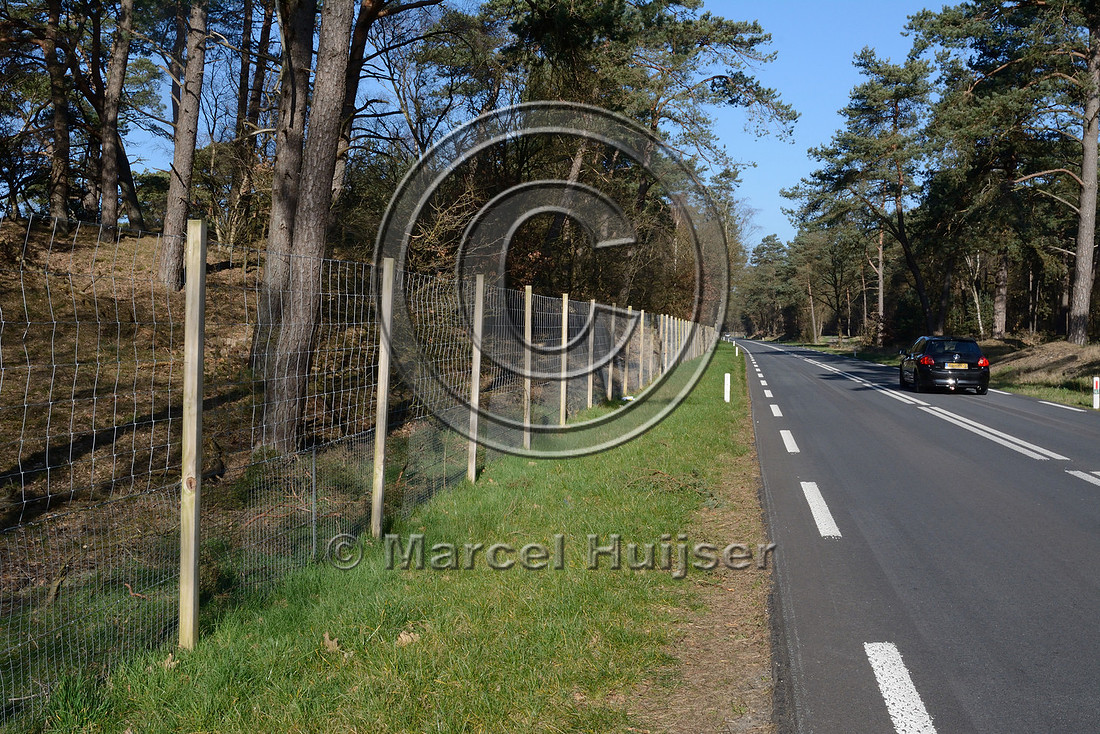
Road ecology blog: Wildlife fence, south of Otterlo, The Netherlands.

Click here for more images of wildlife fencing.

Like Marcel Huijser Photography on Facebook

All content © 2014 Marcel Huijser

Wildlife fence, south of Otterlo, The NetherlandsWildlife fence, south of Otterlo, The NetherlandsWildlife fence, south of Otterlo, The Netherlands

Archive
January February (6) March April May June July August September October November December
January February March April (9) May (1) June July August September October November December
January February March April May June July August September October November December
January February March (3) April (1) May June July August September October November December
January February March April May June July August September October November December