Marcel Huijser Photography   Home

This is where I show the most recent images and talk about how they were made. The images typically relate to landscapes and wildlife, but I also blog about photos of highways and mitigation measures for wildlife or road ecology in general. Please contact me if you would like to use any of the images.

All content © Marcel Huijser                             

The making of the muskoxen images, Marcel Huijser photographing muskoxen, Norway

March 30, 2014  •  2 Comments

The making of the muskoxen images, Marcel Huijser photographing muskoxen (Ovibos moschatus), Dovrefjell National Park, Norway.

Click here to view more images of muskoxen.

Click here to view more images of "the making of the muskoxen photos".

Click here to view more images of Norwegian landscapes and abstracts.

Like Marcel Huijser Photography on Facebook

All content © 2014 Marcel Huijser


The making of the muskoxen images, Marcel Huijser photographing muskoxen (Ovibos moschatus), Dovrefjell National Park, NorwayThe making of the muskoxen images, Marcel Huijser photographing muskoxen (Ovibos moschatus), Dovrefjell National Park, NorwayThe making of the muskoxen images, Marcel Huijser photographing muskoxen (Ovibos moschatus), Dovrefjell National Park, Norway


European wildlife: Muskox on ridge, Dovrefjell National Park, Norway

March 30, 2014  •  1 Comment

European wildlife: Muskox (Ovibos moschatus) on ridge, Dovrefjell National Park, Norway.

Click here to view more images of muskoxen.

Click here to view more images of "the making of the muskoxen photos".

Click here to view more images of Norwegian landscapes and abstracts.

Like Marcel Huijser Photography on Facebook

All content © 2014 Marcel Huijser

Muskox (Ovibos moschatus) in a snowy landscape, Dovrefjell National Park, NorwayMuskox (Ovibos moschatus) in a snowy landscape, Dovrefjell National Park, NorwayMuskox (Ovibos moschatus) in a snowy landscape, Dovrefjell National Park, Norway. Muskoxen evolved in Asia and adapted to arctic tundra environments. Muskoxen became extinct in Europe (last records are from Sweden about 9,000 years ago) and Asia (last records are from the Taymyr peninsula in Russia about 2,000 years ago), probably primarily as a result of over hunting by people. Muskoxen crossed into North America from Siberia between 200,000 and 90,000 years ago and they survived in Alaska, northern Canada and Greenland. Muskoxen were reintroduced in Europe and Asia relatively recently. Muskoxen were first reintroduced in Dovrefjell National Park in Norway in 1931-1932, but these animals were all killed during the second world war. A second reintroduction attempt (1947-1953) was successful though. The muskoxen population size in Dovrefjell National Park is currently estimated at several hundred individuals.

Muskox (Ovibos moschatus) in a snowy landscape, Dovrefjell National Park, NorwayMuskox (Ovibos moschatus) in a snowy landscape, Dovrefjell National Park, NorwayMuskox (Ovibos moschatus) in a snowy landscape, Dovrefjell National Park, Norway. Muskoxen evolved in Asia and adapted to arctic tundra environments. Muskoxen became extinct in Europe (last records are from Sweden about 9,000 years ago) and Asia (last records are from the Taymyr peninsula in Russia about 2,000 years ago), probably primarily as a result of over hunting by people. Muskoxen crossed into North America from Siberia between 200,000 and 90,000 years ago and they survived in Alaska, northern Canada and Greenland. Muskoxen were reintroduced in Europe and Asia relatively recently. Muskoxen were first reintroduced in Dovrefjell National Park in Norway in 1931-1932, but these animals were all killed during the second world war. A second reintroduction attempt (1947-1953) was successful though. The muskoxen population size in Dovrefjell National Park is currently estimated at several hundred individuals.


Niels Kooijman on the ridge at base camp, Dovrefjell National Park, Norway

March 30, 2014  •  Leave a Comment

The making of the muskoxen images, Niels Kooijman on the ridge at base camp, Dovrefjell National Park, Norway.

Click here to view more images of muskoxen.

Click here to view more images of "the making of the muskoxen photos".

Click here to view more images of Norwegian landscapes and abstracts.

Like Marcel Huijser Photography on Facebook

All content © 2014 Marcel Huijser

Niels Kooijman on the ridge at base camp, Dovrefjell National Park, NorwayNiels Kooijman on the ridge at base camp, Dovrefjell National Park, NorwayThe making of the muskoxen images, Niels Kooijman on the ridge at base camp, Dovrefjell National Park, Norway


Ice beast: European wildlife, Muskox covered in ice fog in winter, Dovrefjell National Park, Norway

March 29, 2014  •  Leave a Comment

European wildlife: Ice beast. Muskox (Ovibos moschatus) covered in ice fog in winter, Dovrefjell National Park, Norway.

Click here to view more images of muskoxen.

Click here to view more images of "the making of the muskoxen photos".

Click here to view more images of Norwegian landscapes and abstracts.

Like Marcel Huijser Photography on Facebook

All content © 2014 Marcel Huijser

Muskox (Ovibos moschatus) covered in ice fog in winter, Dovrefjell National Park, NorwayMuskox (Ovibos moschatus) covered in ice fog in winter, Dovrefjell National Park, NorwayMuskox (Ovibos moschatus) covered in ice fog in winter, Dovrefjell National Park, Norway. Muskoxen evolved in Asia and adapted to arctic tundra environments. Muskoxen became extinct in Europe (last records are from Sweden about 9,000 years ago) and Asia (last records are from the Taymyr peninsula in Russia about 2,000 years ago), probably primarily as a result of over hunting by people. Muskoxen crossed into North America from Siberia between 200,000 and 90,000 years ago and they survived in Alaska, northern Canada and Greenland. Muskoxen were reintroduced in Europe and Asia relatively recently. Muskoxen were first reintroduced in Dovrefjell National Park in Norway in 1931-1932, but these animals were all killed during the second world war. A second reintroduction attempt (1947-1953) was successful though. The muskoxen population size in Dovrefjell National Park is currently estimated at several hundred individuals.


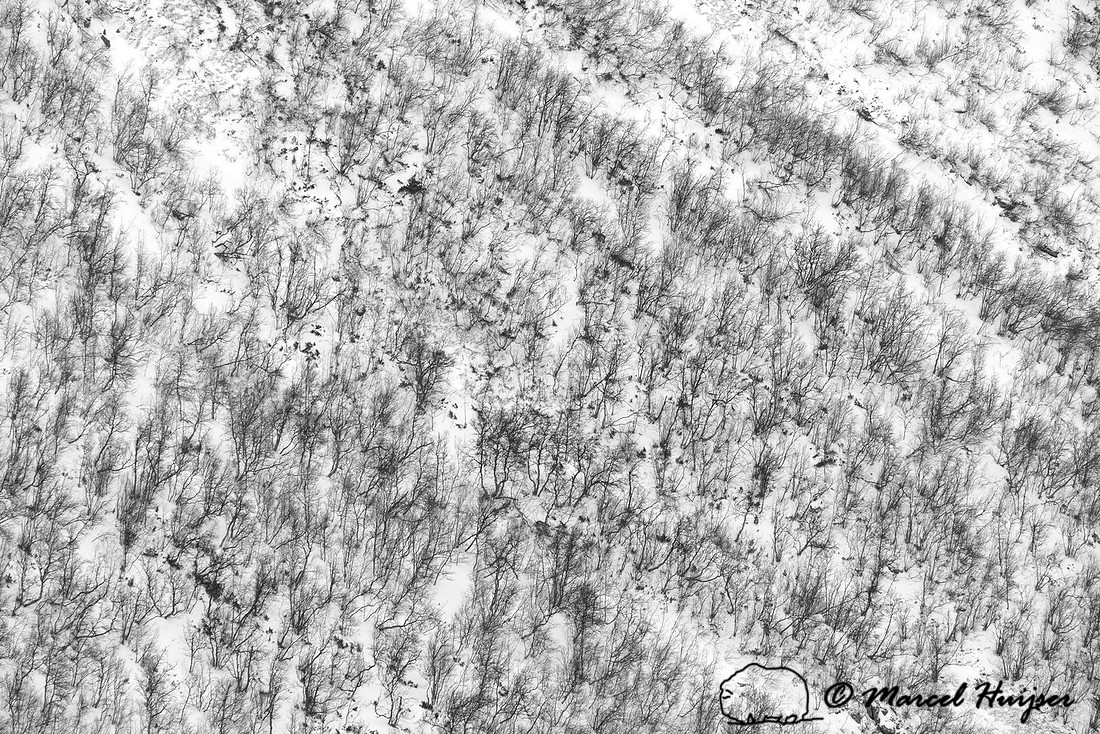
Scandinavian landscapes: Birches on a mountain side, Dovrefjell National Park, Norway

March 29, 2014  •  Leave a Comment

Scandinavian landscapes: Birches (Betula sp.) on a mountain side, Dovrefjell National Park, Norway.

Click here to view more images of muskoxen.

Click here to view more images of "the making of the muskoxen photos".

Click here to view more images of Norwegian landscapes and abstracts.

Like Marcel Huijser Photography on Facebook

All content © 2014 Marcel Huijser


Birches (Betula sp.) on a mountain side, Dovrefjell National Park, NorwayBirches (Betula sp.) on a mountain side, Dovrefjell National Park, NorwayBirches (Betula sp.) on a mountain side, Dovrefjell National Park, Norway

*** SELECT BLACK AND WHITE PAPER FOR PRINTING; COLOR PAPER WILL RESULT IN BROWN HAZE OVER IMAGE ***


Road ecology blog: Hiking through the woods, The Netherlands

March 29, 2014  •  Leave a Comment

Road ecology blog: Hiking through the woods and having coffee and tea at a restaurant, The Netherlands

Click here to view more images of hiking, biking, skiing, horseback riding and trails.

Like Marcel Huijser Photography on Facebook

All content © 2014 Marcel Huijser

Bethanie Walder and Piet Huijser hiking through the woods, Kroondomein, Hoog Soeren, The NetherlandsBethanie Walder and Piet Huijser hiking through the woods, Kroondomein, Hoog Soeren, The NetherlandsBethanie Walder and Piet Huijser hiking through the woods, Kroondomein, Hoog Soeren, The Netherlands Bethanie Walder and Piet Huijser hiking through the woods, Kroondomein, Hoog Soeren, The NetherlandsBethanie Walder and Piet Huijser hiking through the woods, Kroondomein, Hoog Soeren, The NetherlandsBethanie Walder and Piet Huijser hiking through the woods, Kroondomein, Hoog Soeren, The Netherlands Bethanie Walder and Piet Huijser hiking through the woods, Kroondomein, Hoog Soeren, The NetherlandsBethanie Walder and Piet Huijser hiking through the woods, Kroondomein, Hoog Soeren, The NetherlandsBethanie Walder and Piet Huijser hiking through the woods, Kroondomein, Hoog Soeren, The Netherlands Piet Huijser and Bethanie Walder having a coffee and tea after a hike through the woods, Hoog Soeren, The NetherlandsPiet Huijser and Bethanie Walder having a coffee and tea after a hike through the woods, Hoog Soeren, The NetherlandsPiet Huijser and Bethanie Walder having a coffee and tea after a hike through the woods, Hoog Soeren, The Netherlands Bethanie Walder and Piet Huijser hiking through the woods, Op Hees, near Soest, The NetherlandsBethanie Walder and Piet Huijser hiking through the woods, Op Hees, near Soest, The NetherlandsBethanie Walder and Piet Huijser hiking through the woods, Op Hees, near Soest, The Netherlands


European wildlife: Headbanging muskox style

March 28, 2014  •  Leave a Comment

European wildlife: Headbanging muskox style.

Muskoxen (Ovibos moschatus) charging and ramming, just before and after impact, Dovrefjell National Park, Norway.

Click here to view more images of muskoxen.

Click here to view more images of "the making of the muskoxen photos".

Click here to view more images of Norwegian landscapes and abstracts.

Like Marcel Huijser Photography on Facebook

All content © 2014 Marcel Huijser


Muskoxen (Ovibos moschatus) charging, moment before impact, Dovrefjell National Park, NorwayMuskoxen (Ovibos moschatus) charging, moment before impact, Dovrefjell National Park, NorwayMuskoxen (Ovibos moschatus) charging, moment before impact, Dovrefjell National Park, Norway. Muskoxen evolved in Asia and adapted to arctic tundra environments. Muskoxen became extinct in Europe (last records are from Sweden about 9,000 years ago) and Asia (last records are from the Taymyr peninsula in Russia about 2,000 years ago), probably primarily as a result of over hunting by people. Muskoxen crossed into North America from Siberia between 200,000 and 90,000 years ago and they survived in Alaska, northern Canada and Greenland. Muskoxen were reintroduced in Europe and Asia relatively recently. Muskoxen were first reintroduced in Dovrefjell National Park in Norway in 1931-1932, but these animals were all killed during the second world war. A second reintroduction attempt (1947-1953) was successful though. The muskoxen population size in Dovrefjell National Park is currently estimated at several hundred individuals.

Muskoxen (Ovibos moschatus) ramming, moment of impact, Dovrefjell National Park, NorwayMuskoxen (Ovibos moschatus) ramming, moment of impact, Dovrefjell National Park, NorwayMuskoxen (Ovibos moschatus) ramming, moment of impact, Dovrefjell National Park, Norway. Muskoxen evolved in Asia and adapted to arctic tundra environments. Muskoxen became extinct in Europe (last records are from Sweden about 9,000 years ago) and Asia (last records are from the Taymyr peninsula in Russia about 2,000 years ago), probably primarily as a result of over hunting by people. Muskoxen crossed into North America from Siberia between 200,000 and 90,000 years ago and they survived in Alaska, northern Canada and Greenland. Muskoxen were reintroduced in Europe and Asia relatively recently. Muskoxen were first reintroduced in Dovrefjell National Park in Norway in 1931-1932, but these animals were all killed during the second world war. A second reintroduction attempt (1947-1953) was successful though. The muskoxen population size in Dovrefjell National Park is currently estimated at several hundred individuals.


The making of the muskoxen images, Base camp, Dovrefjell National Park, Norway

March 28, 2014  •  Leave a Comment

The making of the muskoxen images, Base camp, Dovrefjell National Park, Norway.

Cold and windy conditions at base camp... We had storm for a few days. Anything that wasn't tied down or wasn't firmly planted in our hands simply blew away. The tent held up great; we had doubled up 2 of the 4 tent poles for the storm. However, there was lots of noise because of the storm: the continuous flapping of the tent fabric in the wind, the blasting of the tent with snow and of ice particles, and the eerie low frequency sounds as a wind gust was roaring through the deep canyon just to our east. Every now and then wind gusts just smashed against our tent with bits of snow and ice mixed in... like super-sized snow balls.... as if the storm insisted we pay more attention to it! This lasted for several days and nights.... but I slept well anyway!

Click here to view more images of muskoxen.

Click here to view more images of "the making of the muskoxen photos".

Click here to view more images of Norwegian landscapes and abstracts.

Like Marcel Huijser Photography on Facebook

All content © 2014 Marcel Huijser
The making of the muskoxen images, Base camp, Dovrefjell National Park, NorwayThe making of the muskoxen images, Base camp, Dovrefjell National Park, NorwayThe making of the muskoxen images, Base camp, Dovrefjell National Park, Norway


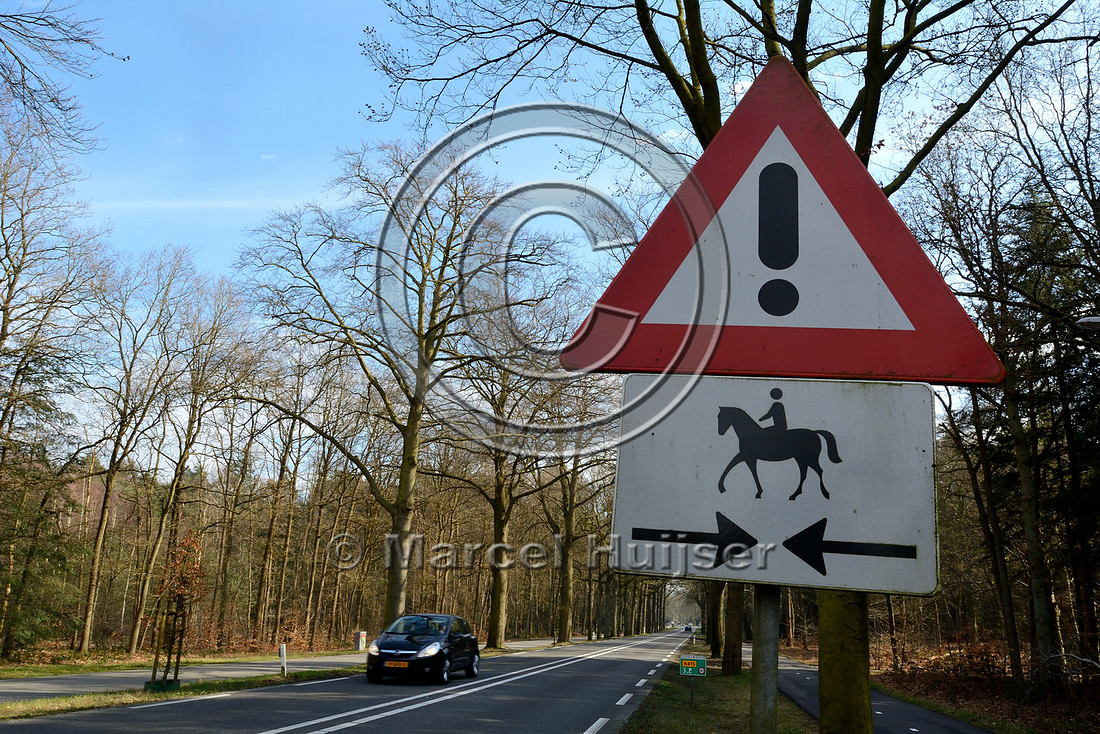
Road Ecology blog: Warning sign, horses and riders crossing highway, The Netherlands

March 28, 2014  •  Leave a Comment

Road Ecology blog: Warning sign, horses and riders crossing highway, near Hilversum, The Netherlands.

Click here to view more images of hiking, biking, skiing, horseback riding and trails.

Like Marcel Huijser Photography on Facebook

All content © 2014 Marcel Huijser

Warning sign, horses and riders crossing highway, near Hilversum, The NetherlandsWarning sign, horses and riders crossing highway, near Hilversum, The NetherlandsWarning sign, horses and riders crossing highway, near Hilversum, The Netherlands


European wildlife: Muskoxen (Ovibos moschatus), Dovrefjell National Park, Norway

March 27, 2014  •  Leave a Comment

European wildlife: Muskoxen (Ovibos moschatus) with hair flailing in wind, Dovrefjell National Park, Norway.

The long hairs of the muskoxen flail in the wind, and, combined with the falling snow, make this image almost like a painting, I think.

Click here to view more images of muskoxen.

Click here to view more images of "the making of the muskoxen photos".

Click here to view more images of Norwegian landscapes and abstracts.

Like Marcel Huijser Photography on Facebook

All content © 2014 Marcel Huijser

Muskoxen (Ovibos moschatus) sparring, Dovrefjell National Park, NorwayMuskoxen (Ovibos moschatus) sparring, Dovrefjell National Park, NorwayMuskoxen (Ovibos moschatus) sparring, Dovrefjell National Park, Norway. Muskoxen evolved in Asia and adapted to arctic tundra environments. Muskoxen became extinct in Europe (last records are from Sweden about 9,000 years ago) and Asia (last records are from the Taymyr peninsula in Russia about 2,000 years ago), probably primarily as a result of over hunting by people. Muskoxen crossed into North America from Siberia between 200,000 and 90,000 years ago and they survived in Alaska, northern Canada and Greenland. Muskoxen were reintroduced in Europe and Asia relatively recently. Muskoxen were first reintroduced in Dovrefjell National Park in Norway in 1931-1932, but these animals were all killed during the second world war. A second reintroduction attempt (1947-1953) was successful though. The muskoxen population size in Dovrefjell National Park is currently estimated at several hundred individuals.


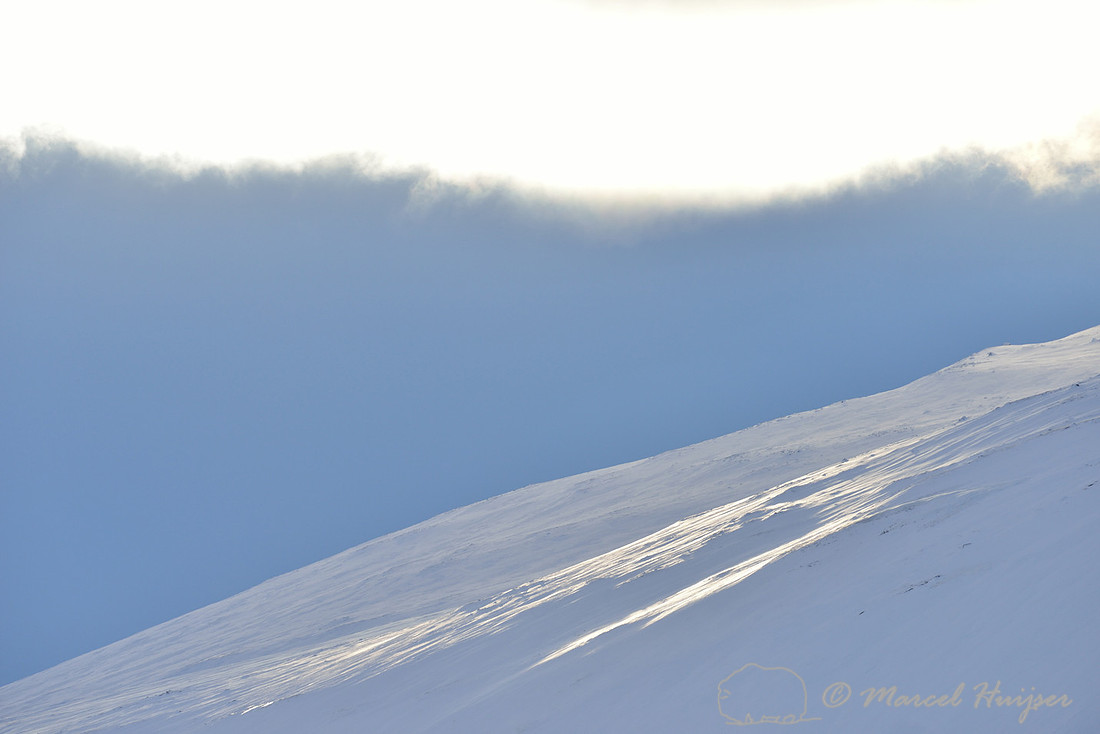
Norwegian landscapes: Sun peaking through clouds, Dovrefjell National Park, Norway

March 27, 2014  •  Leave a Comment

Norwegian landscapes: Sun peaking through clouds on snow field, Dovrefjell National Park, Norway.

Click here to view more images of muskoxen.

Click here to view more images of "the making of the muskoxen photos".

Click here to view more images of Norwegian landscapes and abstracts.

Like Marcel Huijser Photography on Facebook

All content © 2014 Marcel Huijser


Sun peaking through clouds on snow field, Dovrefjell National Park, NorwaySun peaking through clouds on snow field, Dovrefjell National Park, NorwaySun peaking through clouds on snow field, Dovrefjell National Park, Norway


European wildlife: Muskox charging another male like a cannonball, Norway

March 27, 2014  •  Leave a Comment

European wildlife: Cannonball: Muskox (Ovibos moschatus) charging another male like a cannonball, Dovrefjell National Park, Norway.

Adult muskoxen weigh 285 kg (630 lb) on average (range 180 - 410 kg (400 - 900 lb)).

They can run up to 60 km/h (37 mi/h).


Click here to view more images of muskoxen.

Click here to view more images of "the making of the muskoxen photos".

Click here to view more images of Norwegian landscapes and abstracts.

Like Marcel Huijser Photography on Facebook

All content © 2014 Marcel Huijser

Muskox (Ovibos moschatus) charging another male like a cannon ball, Dovrefjell National Park, NorwayMuskox (Ovibos moschatus) charging another male like a cannon ball, Dovrefjell National Park, NorwayMuskox (Ovibos moschatus) charging another male like a cannon ball, Dovrefjell National Park, Norway. Muskoxen evolved in Asia and adapted to arctic tundra environments. Muskoxen became extinct in Europe (last records are from Sweden about 9,000 years ago) and Asia (last records are from the Taymyr peninsula in Russia about 2,000 years ago), probably primarily as a result of over hunting by people. Muskoxen crossed into North America from Siberia between 200,000 and 90,000 years ago and they survived in Alaska, northern Canada and Greenland. Muskoxen were reintroduced in Europe and Asia relatively recently. Muskoxen were first reintroduced in Dovrefjell National Park in Norway in 1931-1932, but these animals were all killed during the second world war. A second reintroduction attempt (1947-1953) was successful though. The muskoxen population size in Dovrefjell National Park is currently estimated at several hundred individuals.

Muskox (Ovibos moschatus) charging another male like a cannon ball, Dovrefjell National Park, NorwayMuskox (Ovibos moschatus) charging another male like a cannon ball, Dovrefjell National Park, NorwayMuskox (Ovibos moschatus) charging another male like a cannon ball, Dovrefjell National Park, Norway. Muskoxen evolved in Asia and adapted to arctic tundra environments. Muskoxen became extinct in Europe (last records are from Sweden about 9,000 years ago) and Asia (last records are from the Taymyr peninsula in Russia about 2,000 years ago), probably primarily as a result of over hunting by people. Muskoxen crossed into North America from Siberia between 200,000 and 90,000 years ago and they survived in Alaska, northern Canada and Greenland. Muskoxen were reintroduced in Europe and Asia relatively recently. Muskoxen were first reintroduced in Dovrefjell National Park in Norway in 1931-1932, but these animals were all killed during the second world war. A second reintroduction attempt (1947-1953) was successful though. The muskoxen population size in Dovrefjell National Park is currently estimated at several hundred individuals.


Road Ecology blog: Blue deer reflectors, N415 near Hilversum, The Netherlands

March 27, 2014  •  Leave a Comment

Road Ecology blog: Blue deer reflectors, N415 near Hilversum, The Netherlands.

Note that deer wildlife reflectors or mirrors are most likely ineffective in reducing collisions with wildlife.

Click here to view other images of deer or wildlife reflectors and mirrors.

Like Marcel Huijser Photography on Facebook

All content © 2014 Marcel Huijser

Blue deer reflectors, N415 near Hilversum, The NetherlandsBlue deer reflectors, N415 near Hilversum, The NetherlandsBlue deer reflectors, N415 near Hilversum, The Netherlands.


European wildlife: Three muskoxen in a row, Dovrefjell National Park, Norway

March 26, 2014  •  Leave a Comment

European wildlife: Three muskoxen (Ovibos moschatus) in a row, Dovrefjell National Park, Norway.

Click here to view more images of muskoxen.

Click here to view more images of "the making of the muskoxen photos".

Click here to view more images of Norwegian landscapes and abstracts.

Like Marcel Huijser Photography on Facebook

All content © 2014 Marcel Huijser

Three muskoxen (Ovibos moschatus) in a row, Dovrefjell National Park, NorwayThree muskoxen (Ovibos moschatus) in a row, Dovrefjell National Park, NorwayThree muskoxen (Ovibos moschatus) in a row, Dovrefjell National Park, Norway. Muskoxen evolved in Asia and adapted to arctic tundra environments. Muskoxen became extinct in Europe (last records are from Sweden about 9,000 years ago) and Asia (last records are from the Taymyr peninsula in Russia about 2,000 years ago), probably primarily as a result of over hunting by people. Muskoxen crossed into North America from Siberia between 200,000 and 90,000 years ago and they survived in Alaska, northern Canada and Greenland. Muskoxen were reintroduced in Europe and Asia relatively recently. Muskoxen were first reintroduced in Dovrefjell National Park in Norway in 1931-1932, but these animals were all killed during the second world war. A second reintroduction attempt (1947-1953) was successful though. The muskoxen population size in Dovrefjell National Park is currently estimated at several hundred individuals.


The making of the muskoxen images: the French film crew

March 26, 2014  •  Leave a Comment

The making of the muskoxen images: the French film crew.

You never know how a day will go or who you will meet. On the second to last day we were looking for the muskoxen in thick ice fog. At first we could not find the animals, but we did encounter a French film crew who had arrived the day before to shoot footage for a nature documentary about the four seasons. They were going to be in the area for 12 days. They estimated that only 4 or 5 minutes of muskoxen footage would make it into the final cut.... but before they could start filming or before we could start photographing we still had to find the animals! As the fog started to lift one of the four crew members spotted the muskoxen, and they were kind enough to tell us where the animals were.

The French wore white camouflage clothing which made them quite photogenic in the snowy landscape. So, I decided to photograph them as they gradually approached the muskoxen. Their film camera was huge... one of the sleds was dedicated to carrying this gigantic camera capable of shooting extremely high quality images for cinema use. The crew is quite well known as they also made the cinema movies Microcosmos, Oceans and "March of the Penguins".

Niels and I typically only ate some crackers and drank water in the morning before heading out to the muskoxen. We also had some muesli bars with us to eat during the day, but we would mostly be hungry and we would not really eat until we got back to camp in the mid-afternoon. So, we were very thankful when the French gave us a hot meal mid-day... these guys had their logistics in order with a dedicated animal tracker and cook!

Click here to view more images of muskoxen.

Click here to view more images of "the making of the muskoxen photos".

Click here to view more images of Norwegian landscapes and abstracts.

Like Marcel Huijser Photography on Facebook

All content © 2014 Marcel Huijser

The making of the muskoxen images. The French film crew found the muskoxen in the fog and we are on our way to the animals, Dovrefjell National Park, NorwayThe making of the muskoxen images. The French film crew found the muskoxen in the fog and we are on our way to the animals, Dovrefjell National Park, NorwayThe making of the muskoxen images. The French film crew found the muskoxen in the fog and we are on our way to the animals, Dovrefjell National Park, Norway


The making of the muskoxen images. The French film crew found the muskoxen in the fog and we are on our way to the animals, Dovrefjell National Park, NorwayThe making of the muskoxen images. The French film crew found the muskoxen in the fog and we are on our way to the animals, Dovrefjell National Park, NorwayThe making of the muskoxen images. The French film crew found the muskoxen in the fog and we are on our way to the animals, Dovrefjell National Park, Norway

The making of the muskoxen images. The French film crew found the muskoxen in the fog and we are on our way to the animals, Dovrefjell National Park, NorwayThe making of the muskoxen images. The French film crew found the muskoxen in the fog and we are on our way to the animals, Dovrefjell National Park, NorwayThe making of the muskoxen images. The French film crew found the muskoxen in the fog and we are on our way to the animals, Dovrefjell National Park, Norway

The French film crew approaches the muskoxen, Dovrefjell National Park, NorwayThe French film crew approaches the muskoxen, Dovrefjell National Park, NorwayThe French film crew approaches the muskoxen, Dovrefjell National Park, Norway

The French film crew is set up at the muskoxen which are ruminating in the background, Dovrefjell National Park, NorwayThe French film crew is set up at the muskoxen which are ruminating in the background, Dovrefjell National Park, NorwayThe French film crew is set up at the muskoxen which are ruminating in the background, Dovrefjell National Park, Norway

Archive
January February (6) March April May June July August September October November December
January February March April (9) May (1) June July August September October November December
January February March April May June July August September October November December
January February March (3) April (1) May June July August September October November December
January February March April May June July August September October November December