Marcel Huijser Photography   Home

This is where I show the most recent images and talk about how they were made. The images typically relate to landscapes and wildlife, but I also blog about photos of highways and mitigation measures for wildlife or road ecology in general. Please contact me if you would like to use any of the images.

All content © Marcel Huijser                             

European wildlife: Muskox looking, Dovrefjell National Park, Norway

April 15, 2014  •  Leave a Comment

European wildlife: Muskox (Ovibos moschatus), Dovrefjell National Park, Norway

Click here to view more images of muskoxen.

Click here to view more images of "the making of the muskoxen photos".

Click here to view more images of Norwegian landscapes and abstracts.

Like Marcel Huijser Photography on Facebook

All content © 2014 Marcel Huijser

Muskox (Ovibos moschatus), Dovrefjell National Park, NorwayMuskox (Ovibos moschatus), Dovrefjell National Park, NorwayMuskox (Ovibos moschatus), Dovrefjell National Park, Norway. Muskoxen evolved in Asia and adapted to arctic tundra environments. Muskoxen became extinct in Europe (last records are from Sweden about 9,000 years ago) and Asia (last records are from the Taymyr peninsula in Russia about 2,000 years ago), probably primarily as a result of over hunting by people. Muskoxen crossed into North America from Siberia between 200,000 and 90,000 years ago and they survived in Alaska, northern Canada and Greenland. Muskoxen were reintroduced in Europe and Asia relatively recently. Muskoxen were first reintroduced in Dovrefjell National Park in Norway in 1931-1932, but these animals were all killed during the second world war. A second reintroduction attempt (1947-1953) was successful though. The muskoxen population size in Dovrefjell National Park is currently estimated at several hundred individuals.


European wildlife: Muskox, Dovrefjell National Park, Norway

April 15, 2014  •  Leave a Comment

European wildlife: Muskox (Ovibos moschatus), Dovrefjell National Park, Norway.

Click here to view more images of muskoxen.

Click here to view more images of "the making of the muskoxen photos".

Click here to view more images of Norwegian landscapes and abstracts.

Like Marcel Huijser Photography on Facebook

All content © 2014 Marcel Huijser

Muskox (Ovibos moschatus), Dovrefjell National Park, NorwayMuskox (Ovibos moschatus), Dovrefjell National Park, NorwayMuskox (Ovibos moschatus), Dovrefjell National Park, Norway. Muskoxen evolved in Asia and adapted to arctic tundra environments. Muskoxen became extinct in Europe (last records are from Sweden about 9,000 years ago) and Asia (last records are from the Taymyr peninsula in Russia about 2,000 years ago), probably primarily as a result of over hunting by people. Muskoxen crossed into North America from Siberia between 200,000 and 90,000 years ago and they survived in Alaska, northern Canada and Greenland. Muskoxen were reintroduced in Europe and Asia relatively recently. Muskoxen were first reintroduced in Dovrefjell National Park in Norway in 1931-1932, but these animals were all killed during the second world war. A second reintroduction attempt (1947-1953) was successful though. The muskoxen population size in Dovrefjell National Park is currently estimated at several hundred individuals.


Road ecology blog: wildlife guard and escape ramp, Hoge Veluwe, The Netherlands

April 15, 2014  •  Leave a Comment

Road ecology blog: wildlife guard and escape ramp for small animals, National Park Hoge Veluwe, The Netherlands.

The fence and wildlife guard keep wild boar (Sus scrofa) and moeflon (Ovis orientalis) on one side of the fence. The wildlife guard is installed at a bicycle path and allows cyclists to proceed without stopping. It is rare to find a wildlife guard in The Netherlands that does not have an escape opportunity for small mammals, reptiles and amphibians. In this case there is a simple metal ramp that allows the animals to crawl out of the pit under the metal grate. These types of escape opportunities are uncommon in North America though. Some wildlife guards have an opening on the side, so an escape opportunity already exists. Other wildlife guards do not allow small animals to escape from the pit under the metal bars or grate... the pit becomes a pitfall. In most cases ramps such as shown below can easily be installed at existing wildlife or cattle guards.... we just have to recognize the problem and then implement this relatively simple solution...

Click here for other images of wildlife guards, cattle guards, electric mats or gates.

Like Marcel Huijser Photography on Facebook

All content © 2014 Marcel Huijser

Bicyclist on wildlife guard for wild boar (Sus scrofa and moeflon (Ovis orientalis), National Park Hoge Veluwe, The NetherlandsBicyclist on wildlife guard for wild boar (Sus scrofa and moeflon (Ovis orientalis), National Park Hoge Veluwe, The NetherlandsBicyclist on wildlife guard for wild boar (Sus scrofa and moeflon (Ovis orientalis), National Park Hoge Veluwe, The Netherlands. This wildlife guard has an escape ramp for small animals that fall into the pit under the metal grate.

Escape ramp for small animals from pit under wildlife guard, National Park Hoge Veluwe, The NetherlandsEscape ramp for small animals from pit under wildlife guard, National Park Hoge Veluwe, The NetherlandsEscape ramp for small animals from pit under wildlife guard, National Park Hoge Veluwe, The Netherlands. This escape ramp allows small animals that fall into the pit under the metal grate to escape.


European wildlife: Muskoxen (Ovibos moschatus) in wintery world, Dovrefjell, Norway

April 14, 2014  •  Leave a Comment

European wildlife: Muskoxen (Ovibos moschatus) in wintery world, Dovrefjell, Norway

Click here to view more images of muskoxen.

Click here to view more images of "the making of the muskoxen photos".

Click here to view more images of Norwegian landscapes and abstracts.

Like Marcel Huijser Photography on Facebook

All content © 2014 Marcel Huijser

Muskoxen (Ovibos moschatus) sparring, Dovrefjell National Park, NorwayMuskoxen (Ovibos moschatus) sparring, Dovrefjell National Park, NorwayMuskoxen (Ovibos moschatus) sparring, Dovrefjell National Park, Norway. Muskoxen evolved in Asia and adapted to arctic tundra environments. Muskoxen became extinct in Europe (last records are from Sweden about 9,000 years ago) and Asia (last records are from the Taymyr peninsula in Russia about 2,000 years ago), probably primarily as a result of over hunting by people. Muskoxen crossed into North America from Siberia between 200,000 and 90,000 years ago and they survived in Alaska, northern Canada and Greenland. Muskoxen were reintroduced in Europe and Asia relatively recently. Muskoxen were first reintroduced in Dovrefjell National Park in Norway in 1931-1932, but these animals were all killed during the second world war. A second reintroduction attempt (1947-1953) was successful though. The muskoxen population size in Dovrefjell National Park is currently estimated at several hundred individuals.


Road ecology blog: Free white bicycles at De Hoge Veluwe National Park, The Netherlands

April 14, 2014  •  Leave a Comment

Road ecology blog: Free white bicycles at De Hoge Veluwe National Park, The Netherlands. The use of the bicycles is included in the entrance fee. There are about 1,700 bicycles available at the multiple distribution points located throughout the park.

Click here to view more images of hiking, biking, skiing, horseback riding and trails.

Like Marcel Huijser Photography on Facebook

All content © 2014 Marcel Huijser


Image below: Parked bicycles at trail head.

Free white bicycles at De Hoge Veluwe National Park, The NetherlandsFree white bicycles at De Hoge Veluwe National Park, The NetherlandsFree white bicycles at De Hoge Veluwe National Park, The Netherlands. The use of these white bicycles is included in the entrance fee to the National Park. There are about 1,700 white bicycles available at different locations throughout the park.

Image below: Tourists cycling on free white bicycles on bike path.

Tourists cycling on free white bicycles at De Hoge Veluwe National Park, The NetherlandsTourists cycling on free white bicycles at De Hoge Veluwe National Park, The NetherlandsTourists cycling on free white bicycles at De Hoge Veluwe National Park, The Netherlands. The use of these white bicycles is included in the entrance fee to the National Park. There are about 1,700 white bicycles available at different locations throughout the park.

Image below: Distribution point for free white bicycles.

Distribution point for free white bicycles at De Hoge Veluwe National Park, The NetherlandsDistribution point for free white bicycles at De Hoge Veluwe National Park, The NetherlandsDistribution point for free white bicycles at De Hoge Veluwe National Park, The Netherlands. The use of these white bicycles is included in the entrance fee to the National Park. There are about 1,700 white bicycles available at different locations throughout the park.


European wildlife: Muskoxen sparring, Dovrefjell, Norway

April 13, 2014  •  Leave a Comment

European wildlife: Muskoxen (Ovibos moschatus) sparring, Dovrefjell National Park, Norway.

Click here to view more images of muskoxen.

Click here to view more images of "the making of the muskoxen photos".

Click here to view more images of Norwegian landscapes and abstracts.

Like Marcel Huijser Photography on Facebook

All content © 2014 Marcel Huijser

Muskoxen (Ovibos moschatus) sparring, Dovrefjell National Park, NorwayMuskoxen (Ovibos moschatus) sparring, Dovrefjell National Park, NorwayMuskoxen (Ovibos moschatus) sparring, Dovrefjell National Park, Norway. Muskoxen evolved in Asia and adapted to arctic tundra environments. Muskoxen became extinct in Europe (last records are from Sweden about 9,000 years ago) and Asia (last records are from the Taymyr peninsula in Russia about 2,000 years ago), probably primarily as a result of over hunting by people. Muskoxen crossed into North America from Siberia between 200,000 and 90,000 years ago and they survived in Alaska, northern Canada and Greenland. Muskoxen were reintroduced in Europe and Asia relatively recently. Muskoxen were first reintroduced in Dovrefjell National Park in Norway in 1931-1932, but these animals were all killed during the second world war. A second reintroduction attempt (1947-1953) was successful though. The muskoxen population size in Dovrefjell National Park is currently estimated at several hundred individuals.

Muskoxen (Ovibos moschatus) sparring, Dovrefjell National Park, NorwayMuskoxen (Ovibos moschatus) sparring, Dovrefjell National Park, NorwayMuskoxen (Ovibos moschatus) sparring, Dovrefjell National Park, Norway. Muskoxen evolved in Asia and adapted to arctic tundra environments. Muskoxen became extinct in Europe (last records are from Sweden about 9,000 years ago) and Asia (last records are from the Taymyr peninsula in Russia about 2,000 years ago), probably primarily as a result of over hunting by people. Muskoxen crossed into North America from Siberia between 200,000 and 90,000 years ago and they survived in Alaska, northern Canada and Greenland. Muskoxen were reintroduced in Europe and Asia relatively recently. Muskoxen were first reintroduced in Dovrefjell National Park in Norway in 1931-1932, but these animals were all killed during the second world war. A second reintroduction attempt (1947-1953) was successful though. The muskoxen population size in Dovrefjell National Park is currently estimated at several hundred individuals.

Muskoxen (Ovibos moschatus) sparring, Dovrefjell National Park, NorwayMuskoxen (Ovibos moschatus) sparring, Dovrefjell National Park, NorwayMuskoxen (Ovibos moschatus) sparring, Dovrefjell National Park, Norway. Muskoxen evolved in Asia and adapted to arctic tundra environments. Muskoxen became extinct in Europe (last records are from Sweden about 9,000 years ago) and Asia (last records are from the Taymyr peninsula in Russia about 2,000 years ago), probably primarily as a result of over hunting by people. Muskoxen crossed into North America from Siberia between 200,000 and 90,000 years ago and they survived in Alaska, northern Canada and Greenland. Muskoxen were reintroduced in Europe and Asia relatively recently. Muskoxen were first reintroduced in Dovrefjell National Park in Norway in 1931-1932, but these animals were all killed during the second world war. A second reintroduction attempt (1947-1953) was successful though. The muskoxen population size in Dovrefjell National Park is currently estimated at several hundred individuals.

Muskoxen (Ovibos moschatus) sparring, Dovrefjell National Park, NorwayMuskoxen (Ovibos moschatus) sparring, Dovrefjell National Park, NorwayMuskoxen (Ovibos moschatus) sparring, Dovrefjell National Park, Norway. Muskoxen evolved in Asia and adapted to arctic tundra environments. Muskoxen became extinct in Europe (last records are from Sweden about 9,000 years ago) and Asia (last records are from the Taymyr peninsula in Russia about 2,000 years ago), probably primarily as a result of over hunting by people. Muskoxen crossed into North America from Siberia between 200,000 and 90,000 years ago and they survived in Alaska, northern Canada and Greenland. Muskoxen were reintroduced in Europe and Asia relatively recently. Muskoxen were first reintroduced in Dovrefjell National Park in Norway in 1931-1932, but these animals were all killed during the second world war. A second reintroduction attempt (1947-1953) was successful though. The muskoxen population size in Dovrefjell National Park is currently estimated at several hundred individuals.

Muskoxen (Ovibos moschatus) sparring, Dovrefjell National Park, NorwayMuskoxen (Ovibos moschatus) sparring, Dovrefjell National Park, NorwayMuskoxen (Ovibos moschatus) sparring, Dovrefjell National Park, Norway. Muskoxen evolved in Asia and adapted to arctic tundra environments. Muskoxen became extinct in Europe (last records are from Sweden about 9,000 years ago) and Asia (last records are from the Taymyr peninsula in Russia about 2,000 years ago), probably primarily as a result of over hunting by people. Muskoxen crossed into North America from Siberia between 200,000 and 90,000 years ago and they survived in Alaska, northern Canada and Greenland. Muskoxen were reintroduced in Europe and Asia relatively recently. Muskoxen were first reintroduced in Dovrefjell National Park in Norway in 1931-1932, but these animals were all killed during the second world war. A second reintroduction attempt (1947-1953) was successful though. The muskoxen population size in Dovrefjell National Park is currently estimated at several hundred individuals.


The making of the muskoxen images. Niels Kooijman pulls his sled, Dovrefjell, Norway

April 11, 2014  •  Leave a Comment

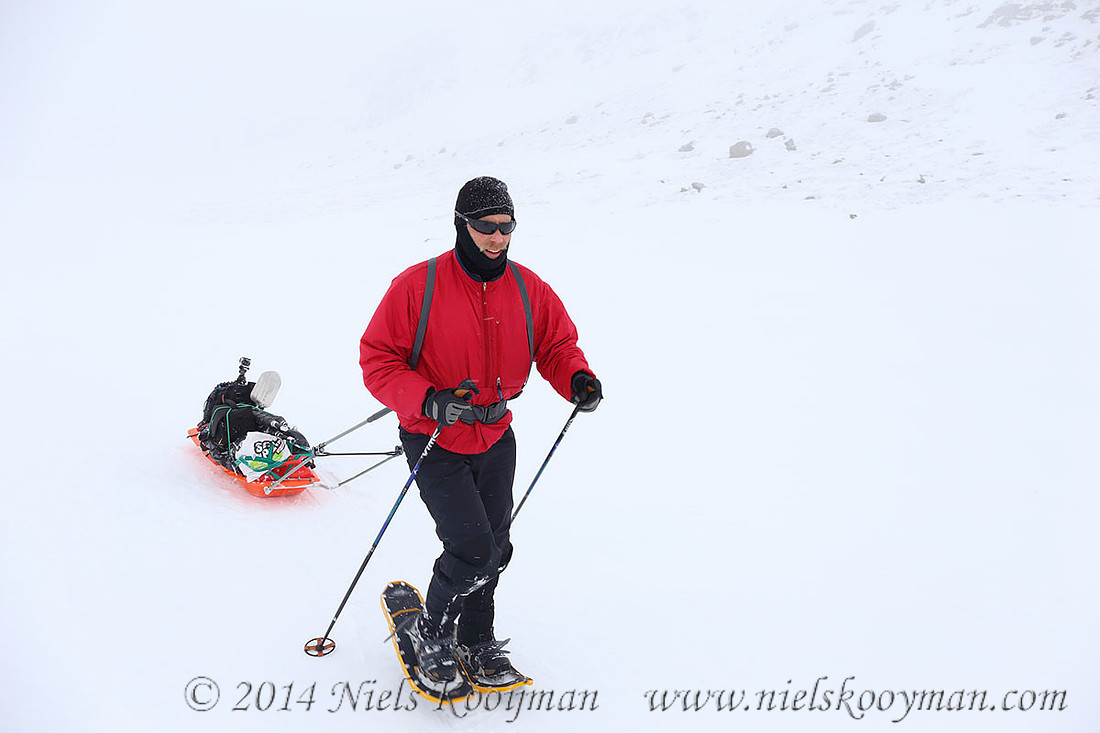
The making of the muskoxen images. Niels Kooijman pulls his Fjellpulken sled, Dovrefjell National Park, Norway.

Click here to view more images of muskoxen.

Click here to view more images of "the making of the muskoxen photos".

Click here to view more images of Norwegian landscapes and abstracts.

Like Marcel Huijser Photography on Facebook

All content © 2014 Marcel Huijser


The making of the muskoxen images. Niels Kooijman pulls his Fjellpulken sled, Dovrefjell National Park, NorwayThe making of the muskoxen images. Niels Kooijman pulls his Fjellpulken sled, Dovrefjell National Park, NorwayThe making of the muskoxen images. Niels Kooijman pulls his Fjellpulken sled, Dovrefjell National Park, Norway

The making of the muskoxen images. Niels Kooijman pulls his Fjellpulken sled, Dovrefjell National Park, NorwayThe making of the muskoxen images. Niels Kooijman pulls his Fjellpulken sled, Dovrefjell National Park, NorwayThe making of the muskoxen images. Niels Kooijman pulls his Fjellpulken sled, Dovrefjell National Park, Norway


European wildlife: Muskox in wind, Dovrefjell National Park, Norway

April 11, 2014  •  Leave a Comment

 European wildlife: Muskox (Ovibos moschatus) in wind, Dovrefjell National Park, Norway.

Click here to view more images of muskoxen.

Click here to view more images of "the making of the muskoxen photos".

Click here to view more images of Norwegian landscapes and abstracts.

Like Marcel Huijser Photography on Facebook

All content © 2014 Marcel Huijser


Muskox (Ovibos moschatus), Dovrefjell National Park, NorwayMuskox (Ovibos moschatus), Dovrefjell National Park, NorwayMuskox (Ovibos moschatus), Dovrefjell National Park, Norway. Muskoxen evolved in Asia and adapted to arctic tundra environments. Muskoxen became extinct in Europe (last records are from Sweden about 9,000 years ago) and Asia (last records are from the Taymyr peninsula in Russia about 2,000 years ago), probably primarily as a result of over hunting by people. Muskoxen crossed into North America from Siberia between 200,000 and 90,000 years ago and they survived in Alaska, northern Canada and Greenland. Muskoxen were reintroduced in Europe and Asia relatively recently. Muskoxen were first reintroduced in Dovrefjell National Park in Norway in 1931-1932, but these animals were all killed during the second world war. A second reintroduction attempt (1947-1953) was successful though. The muskoxen population size in Dovrefjell National Park is currently estimated at several hundred individuals.


European wildlife: Muskox (Ovibos moschatus), Dovrefjell National Park, Norway

April 10, 2014  •  Leave a Comment

European wildlife: Muskox (Ovibos moschatus), Dovrefjell National Park, Norway.

Click here to view more images of muskoxen.

Click here to view more images of "the making of the muskoxen photos".

Click here to view more images of Norwegian landscapes and abstracts.

Like Marcel Huijser Photography on Facebook

All content © 2014 Marcel Huijser

Muskox (Ovibos moschatus), Dovrefjell National Park, NorwayMuskox (Ovibos moschatus), Dovrefjell National Park, NorwayMuskox (Ovibos moschatus), Dovrefjell National Park, Norway. Muskoxen evolved in Asia and adapted to arctic tundra environments. Muskoxen became extinct in Europe (last records are from Sweden about 9,000 years ago) and Asia (last records are from the Taymyr peninsula in Russia about 2,000 years ago), probably primarily as a result of over hunting by people. Muskoxen crossed into North America from Siberia between 200,000 and 90,000 years ago and they survived in Alaska, northern Canada and Greenland. Muskoxen were reintroduced in Europe and Asia relatively recently. Muskoxen were first reintroduced in Dovrefjell National Park in Norway in 1931-1932, but these animals were all killed during the second world war. A second reintroduction attempt (1947-1953) was successful though. The muskoxen population size in Dovrefjell National Park is currently estimated at several hundred individuals.


The making of the muskoxen images, Niels Kooijman, Dovrefjell National Park, Norway

April 10, 2014  •  Leave a Comment

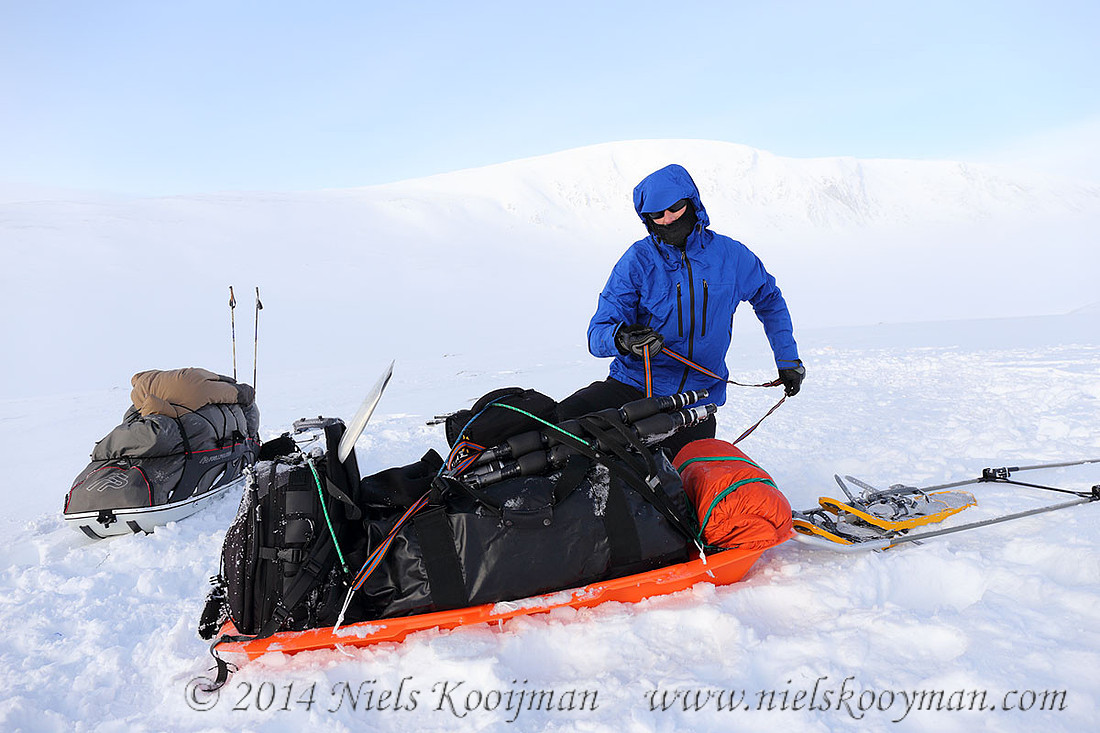
The making of the muskoxen images, Niels Kooijman in action in Dovrefjell National Park, Norway.

Click here to view more images of muskoxen.

Click here to view more images of "the making of the muskoxen photos".

Click here to view more images of Norwegian landscapes and abstracts.

Like Marcel Huijser Photography on Facebook

All content © 2014 Marcel Huijser

The making of the muskoxen images, Niels Kooijman in action in Dovrefjell National Park, NorwayThe making of the muskoxen images, Niels Kooijman in action in Dovrefjell National Park, NorwayThe making of the muskoxen images. Niels Kooijman in action in Dovrefjell National Park, Norway. Muskoxen evolved in Asia and adapted to arctic tundra environments. Muskoxen became extinct in Europe (last records are from Sweden about 9,000 years ago) and Asia (last records are from the Taymyr peninsula in Russia about 2,000 years ago), probably primarily as a result of over hunting by people. Muskoxen crossed into North America from Siberia between 200,000 and 90,000 years ago and they survived in Alaska, northern Canada and Greenland. Muskoxen were reintroduced in Europe and Asia relatively recently. Muskoxen were first reintroduced in Dovrefjell National Park in Norway in 1931-1932, but these animals were all killed during the second world war. A second reintroduction attempt (1947-1953) was successful though. The muskoxen population size in Dovrefjell National Park is currently estimated at several hundred individuals.

The making of the muskoxen images. Niels Kooijman, Dovrefjell National Park, NorwayThe making of the muskoxen images. Niels Kooijman, Dovrefjell National Park, NorwayThe making of the muskoxen images, Niels Kooijman in action in Dovrefjell National Park, Norway


European wildlife: Muskox (Ovibos moschatus) ruminating, Dovrefjell National Park, Norway

April 09, 2014  •  Leave a Comment

European wildlife: Muskox (Ovibos moschatus) ruminating, Dovrefjell National Park, Norway.

Click here to view more images of muskoxen.

Click here to view more images of "the making of the muskoxen photos".

Click here to view more images of Norwegian landscapes and abstracts.

Like Marcel Huijser Photography on Facebook

All content © 2014 Marcel Huijser

Muskox (Ovibos moschatus), Dovrefjell National Park, NorwayMuskox (Ovibos moschatus), Dovrefjell National Park, NorwayMuskox (Ovibos moschatus), Dovrefjell National Park, Norway. Muskoxen evolved in Asia and adapted to arctic tundra environments. Muskoxen became extinct in Europe (last records are from Sweden about 9,000 years ago) and Asia (last records are from the Taymyr peninsula in Russia about 2,000 years ago), probably primarily as a result of over hunting by people. Muskoxen crossed into North America from Siberia between 200,000 and 90,000 years ago and they survived in Alaska, northern Canada and Greenland. Muskoxen were reintroduced in Europe and Asia relatively recently. Muskoxen were first reintroduced in Dovrefjell National Park in Norway in 1931-1932, but these animals were all killed during the second world war. A second reintroduction attempt (1947-1953) was successful though. The muskoxen population size in Dovrefjell National Park is currently estimated at several hundred individuals.


Road ecology blog: Coyote (Canis latrans) roadkill, Montana, USA

April 09, 2014  •  Leave a Comment

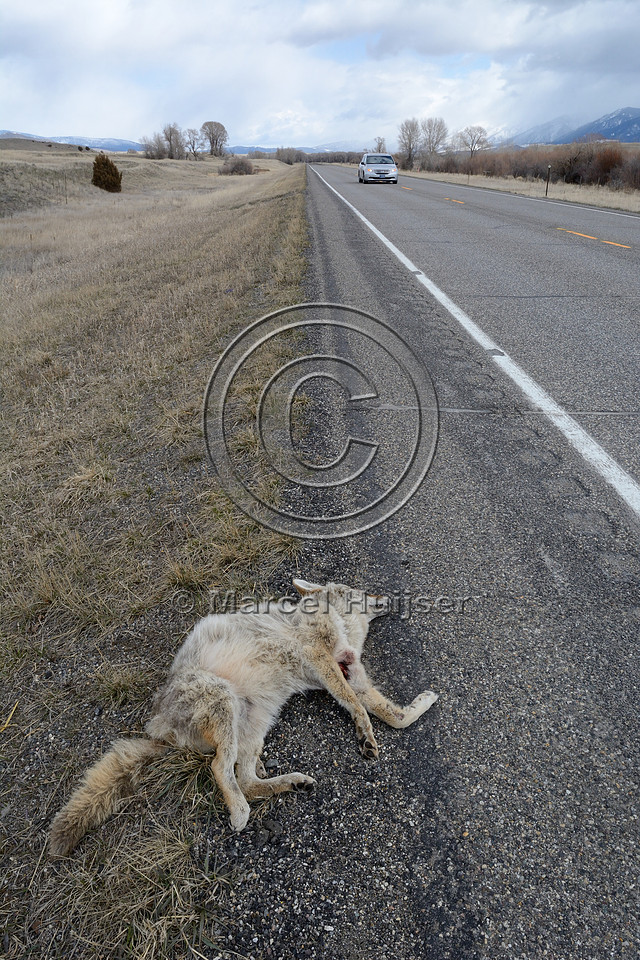
Road ecology blog: Coyote (Canis latrans) roadkill, Montana, USA.


Coyote (Canis latrans) roadkill, Montana, USACoyote (Canis latrans) roadkill, Montana, USACoyote (Canis latrans) roadkill, Montana, USA


European wildlife: Muskoxen sparring, Dovrefjell National Park, Norway

April 08, 2014  •  Leave a Comment

European wildlife: Muskoxen (Ovibos moschatus) sparring, Dovrefjell National Park, Norway.

Click here to view more images of muskoxen.

Click here to view more images of "the making of the muskoxen photos".

Click here to view more images of Norwegian landscapes and abstracts.

Like Marcel Huijser Photography on Facebook

All content © 2014 Marcel Huijser

Muskoxen (Ovibos moschatus) sparring, Dovrefjell National Park, NorwayMuskoxen (Ovibos moschatus) sparring, Dovrefjell National Park, NorwayMuskoxen (Ovibos moschatus) sparring, Dovrefjell National Park, Norway. Muskoxen evolved in Asia and adapted to arctic tundra environments. Muskoxen became extinct in Europe (last records are from Sweden about 9,000 years ago) and Asia (last records are from the Taymyr peninsula in Russia about 2,000 years ago), probably primarily as a result of over hunting by people. Muskoxen crossed into North America from Siberia between 200,000 and 90,000 years ago and they survived in Alaska, northern Canada and Greenland. Muskoxen were reintroduced in Europe and Asia relatively recently. Muskoxen were first reintroduced in Dovrefjell National Park in Norway in 1931-1932, but these animals were all killed during the second world war. A second reintroduction attempt (1947-1953) was successful though. The muskoxen population size in Dovrefjell National Park is currently estimated at several hundred individuals.


Road ecology blog: Nest box behind road sign, Ronan, Montana

April 08, 2014  •  Leave a Comment

Road Ecology blog: Nest box behind road sign, Ronan, Montana.

Right-of-way habitat is often good habitat for small mammals. Small mammals are prey species for raptors (e.g. American kestrel (Falco sparverius) and owls (e.g. barn owl (Tyto alba)). Nest boxes can allow for more raptors and owls in rights-of-way, but care should be taken that these nest boxes do not result in a population sink for the birds because they stimulate the birds to spend time adjacent to highways where they can be hit by vehicles. Collisions with vehicles can be a very big mortality source for raptors and owls. This has been documented for barn owls in particular.

Click here for other bat boxes or nest boxes for birds.

Like Marcel Huijser Photography on Facebook

All content © 2013 Marcel Huijser


Nestbox behind roadsign, Ronan, MontanaNestbox behind roadsign, Ronan, MontanaNestbox behind roadsign, Ronan, Montana

Nestbox behind roadsign, Ronan, MontanaNestbox behind roadsign, Ronan, MontanaNestbox behind roadsign, Ronan, Montana


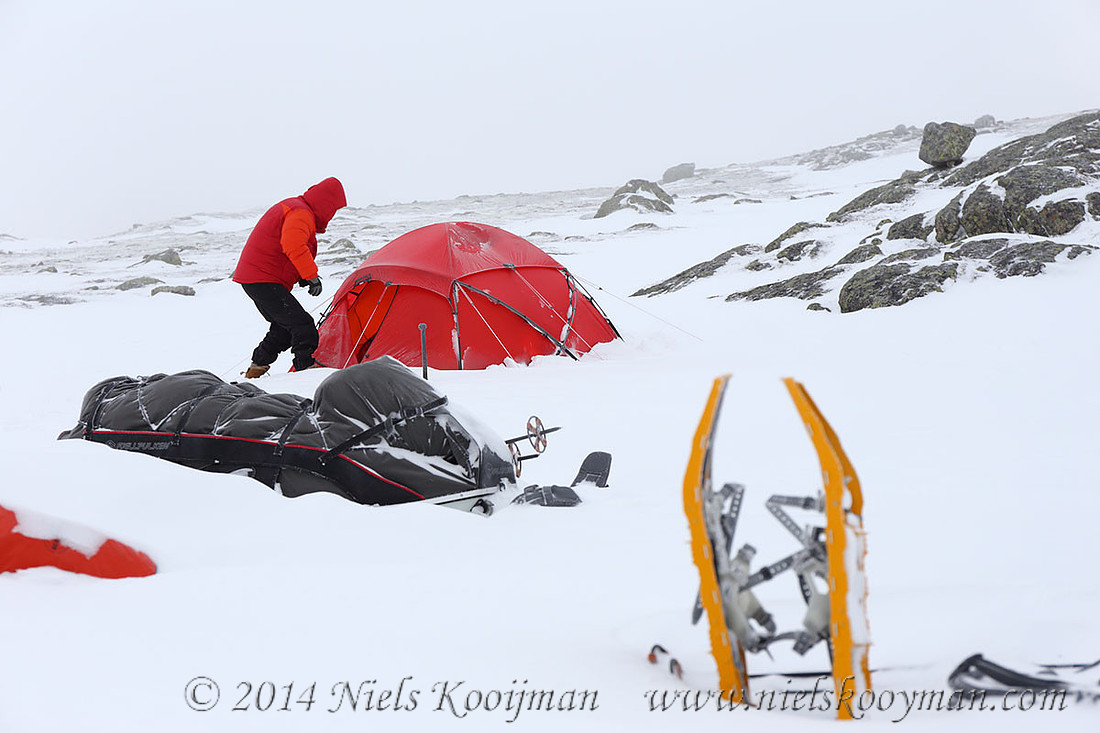
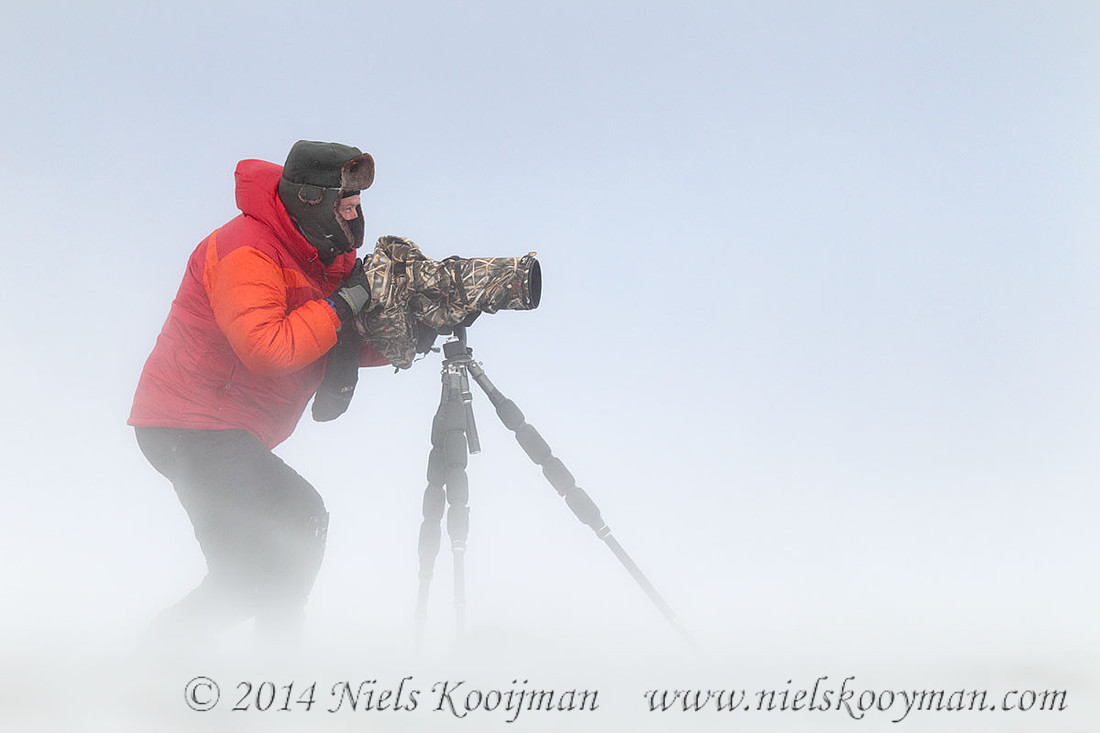
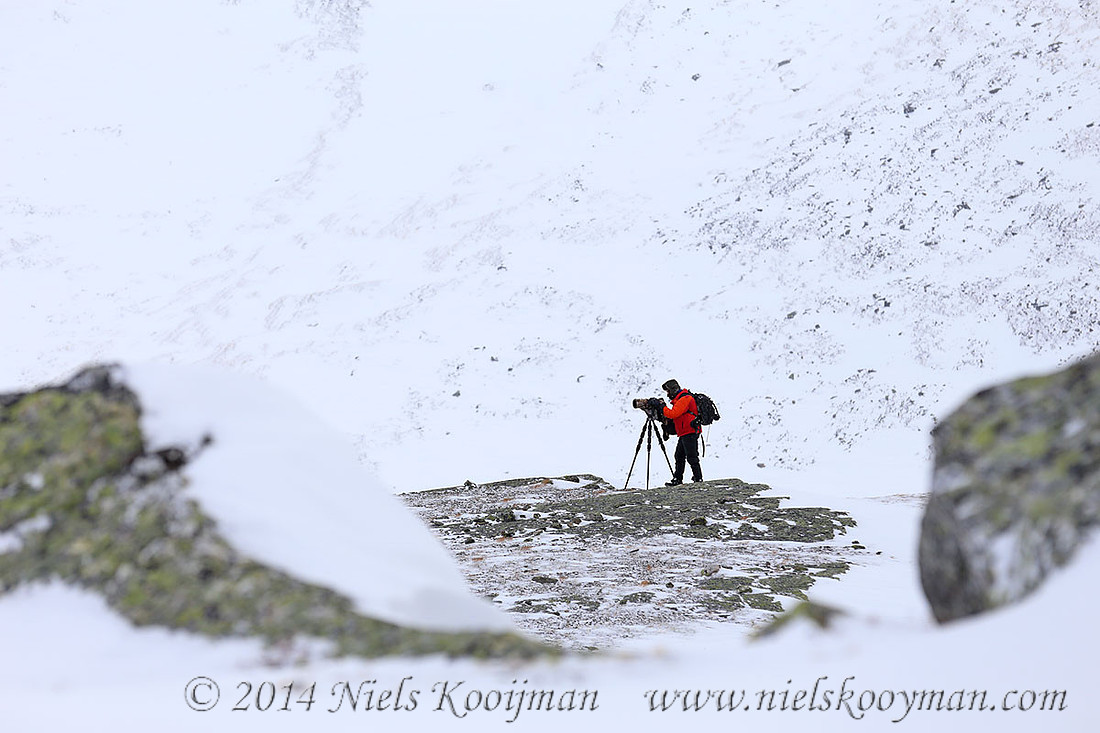
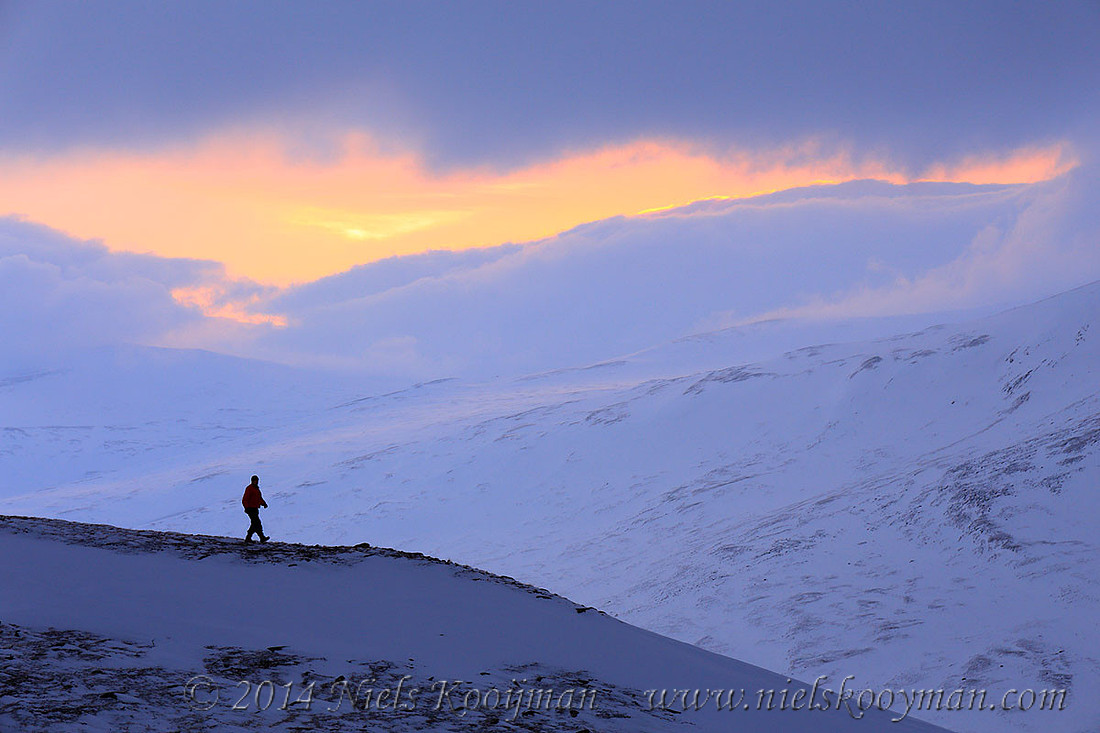
The making of the muskoxen images: Photos of Marcel Huijser by Niels Kooijman

April 07, 2014  •  Leave a Comment

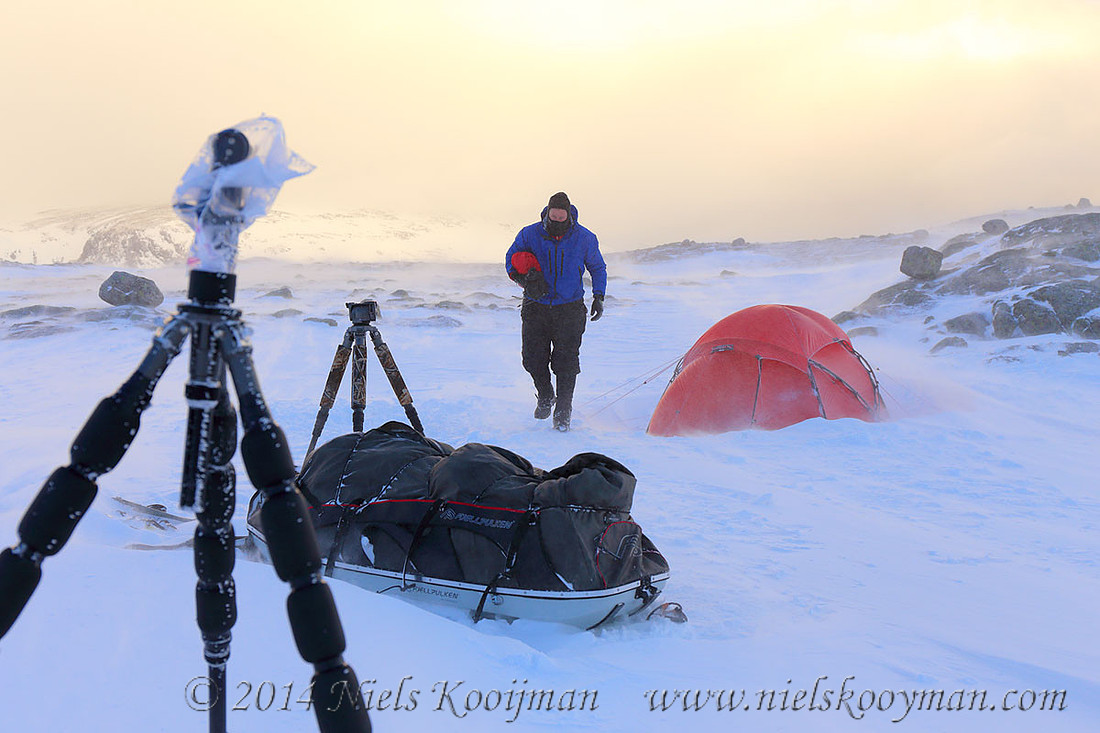
The making of the muskoxen images: Photos of Marcel Huijser by Niels Kooijman. My friend and fellow photographer Niels Kooijman processed some images he took of me in Dovrefjell National Park, Norway. Low resolution images can be viewed here and further to the right and down. Niels' website is http://www.nielskooyman.com/


Some sample images below:
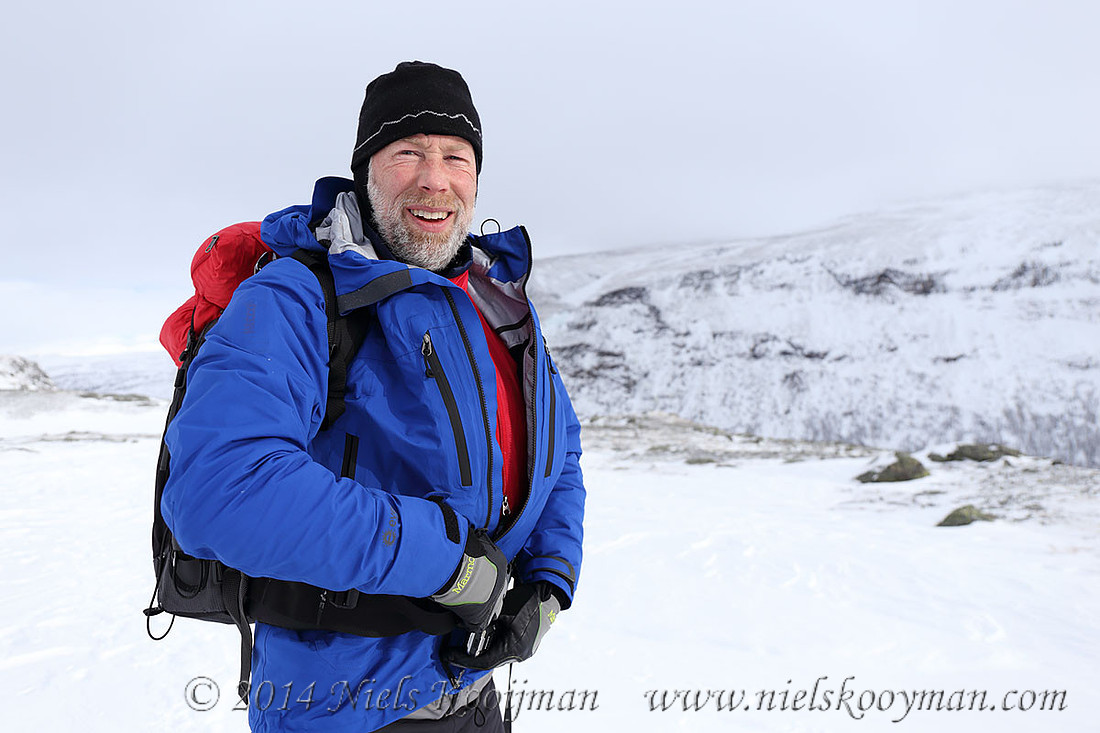
Marcel Huijser in Dovrefjell National Park, NorwayMarcel Huijser in Dovrefjell National Park, NorwayMarcel Huijser in Dovrefjell National Park, Norway
Camping and photographing.

*** This is a low resolution image ***
Contact Niels Kooijman http://www.nielskooyman.com/ if you want to use this image.

Marcel Huijser in Dovrefjell National Park, NorwayMarcel Huijser in Dovrefjell National Park, NorwayMarcel Huijser in Dovrefjell National Park, Norway
Camping and photographing.

*** This is a low resolution image ***
Contact Niels Kooijman http://www.nielskooyman.com/ if you want to use this image.

Marcel Huijser in Dovrefjell National Park, NorwayMarcel Huijser in Dovrefjell National Park, NorwayMarcel Huijser in Dovrefjell National Park, Norway
Camping and photographing.

*** This is a low resolution image ***
Contact Niels Kooijman http://www.nielskooyman.com/ if you want to use this image.

Marcel Huijser in Dovrefjell National Park, NorwayMarcel Huijser in Dovrefjell National Park, NorwayMarcel Huijser in Dovrefjell National Park, Norway
Camping and photographing.

*** This is a low resolution image ***
Contact Niels Kooijman http://www.nielskooyman.com/ if you want to use this image.

Marcel Huijser in Dovrefjell National Park, NorwayMarcel Huijser in Dovrefjell National Park, NorwayMarcel Huijser in Dovrefjell National Park, Norway
Camping and photographing.

*** This is a low resolution image ***
Contact Niels Kooijman http://www.nielskooyman.com/ if you want to use this image.

Marcel Huijser in Dovrefjell National Park, NorwayMarcel Huijser in Dovrefjell National Park, NorwayMarcel Huijser in Dovrefjell National Park, Norway
Camping and photographing.

*** This is a low resolution image ***
Contact Niels Kooijman http://www.nielskooyman.com/ if you want to use this image.

Marcel Huijser in Dovrefjell National Park, NorwayMarcel Huijser in Dovrefjell National Park, NorwayMarcel Huijser in Dovrefjell National Park, Norway
Camping and photographing.

*** This is a low resolution image ***
Contact Niels Kooijman http://www.nielskooyman.com/ if you want to use this image.

Marcel Huijser in Dovrefjell National Park, NorwayMarcel Huijser in Dovrefjell National Park, NorwayMarcel Huijser in Dovrefjell National Park, Norway
Camping and photographing.

*** This is a low resolution image ***
Contact Niels Kooijman http://www.nielskooyman.com/ if you want to use this image.


Archive
January February (6) March April May June July August September October November December
January February March April (9) May (1) June July August September October November December
January February March April May June July August September October November December
January February March (3) April (1) May June July August September October November December
January February March April May June July August September October November December