Marcel Huijser Photography Home
This is where I show the most recent images and talk about how they were made. The images typically relate to landscapes and wildlife, but I also blog about photos of highways and mitigation measures for wildlife or road ecology in general. Please contact me if you would like to use any of the images.
All content © Marcel Huijser
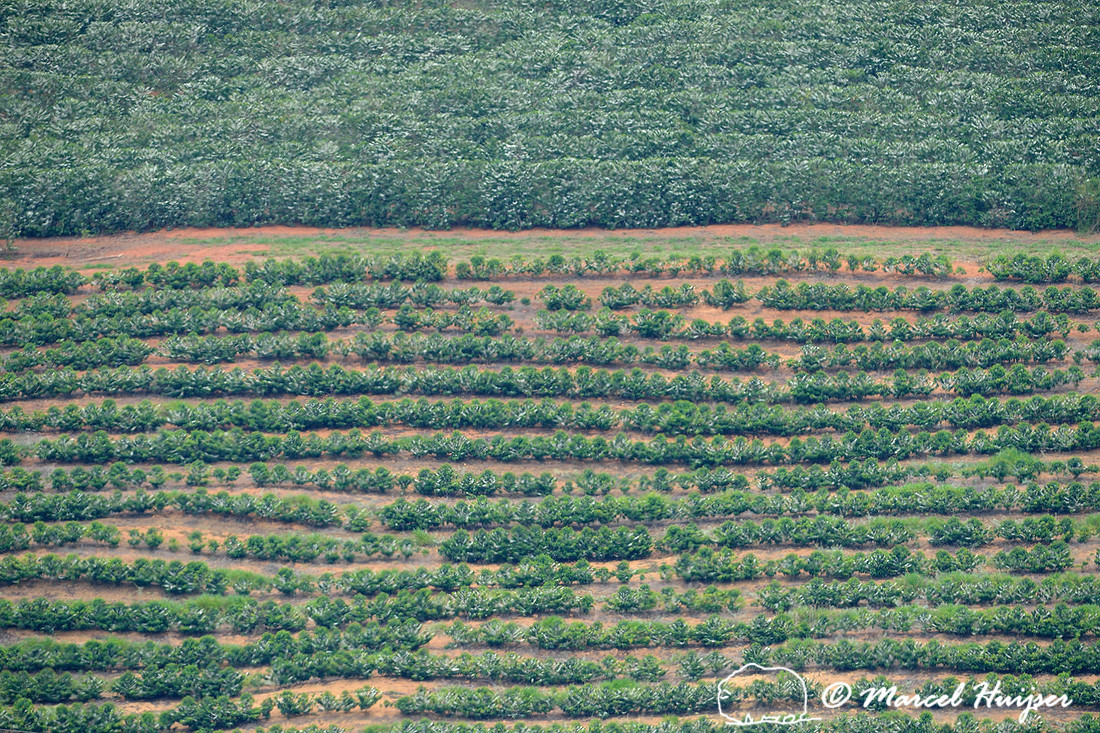
Brazilian landscapes: Coffee plantation near São Roque de Minas , Minas Gerais, Brazil
Brazilian landscapes: Coffee plantation near São Roque de Minas , Minas Gerais, Brazil.
Click here for more images of Serra da Canastra National Park.
Some large format prints (limited edition) are now for sale at Freshwater Studio & Gallery in Missoula, Montana.
Like Marcel Huijser Photography on Facebook
All content © 2014 Marcel Huijser

Brazilian birds: White-eared puffbird with Lutz's poison frog, Canastra, Minas Gerais
Brazilian birds: White-eared puffbird (Nystalus chacuru) with prey, Lutz's poison frog (Ameerega flavopicta, formerly Epipedobates flavopicta), Parque Nacional da Serra da Canastra, Minas Gerais, Brazil.
The bird waited in the tree for us to move on, but we stayed put in the car with the window open for the lens. Then finally it whacked the frog against the branch a few more times - presumably to make sure it was dead - and then it disappeared in a hole in the cut slope on the other side of the road. It appears to have fed the frog to its young. I am not sure what happens to the young because of the poison.
Click here for more images of Serra da Canastra National Park.
Some large format prints (limited edition) are now for sale at Freshwater Studio & Gallery in Missoula, Montana.
Like Marcel Huijser Photography on Facebook
All content © 2014 Marcel Huijser


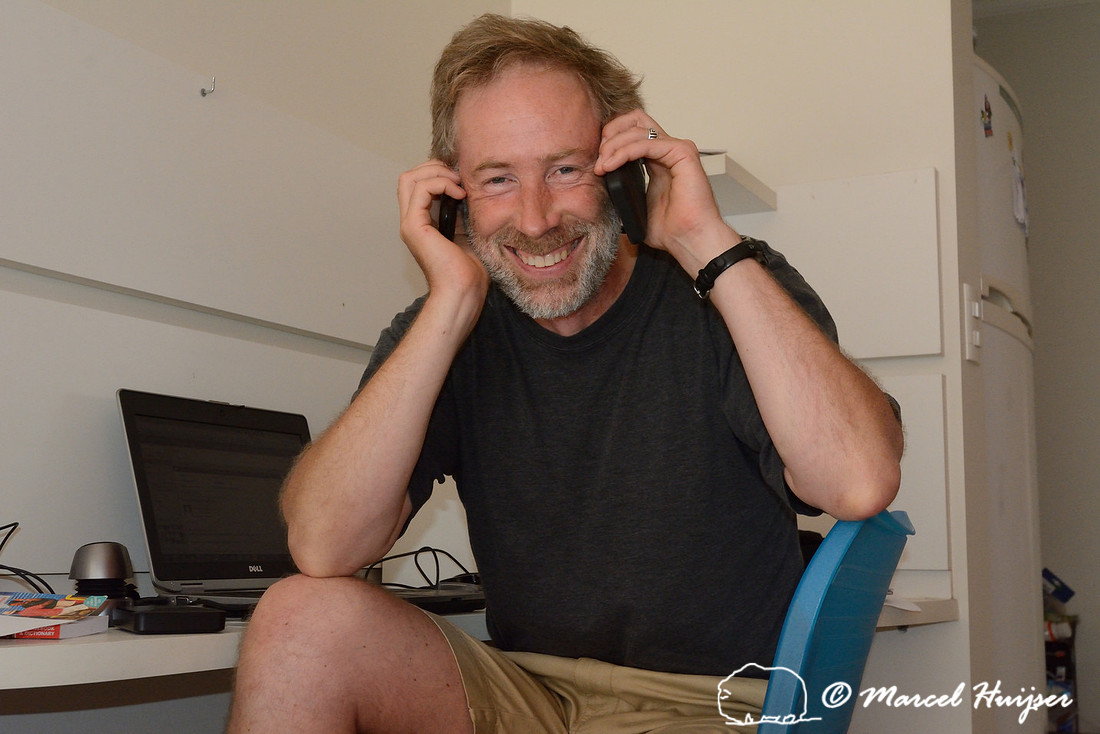
Life in Brazil: Marcel Huijser's attempt at a telephone conference, Brazil
Life in Brazil: Marcel Huijser's attempt at a telephone conference, Piracicaba, São Paulo, Brazil.
Mimicking "Malcom" from "In the loop" (warning: colorful language in link) ... but then a lot friendlier! :)
Click here for more images of our life in Brazil.
Some large format prints (limited edition) are now for sale at Freshwater Studio & Gallery in Missoula, Montana.
Like Marcel Huijser Photography on Facebook
All content © 2014 Marcel Huijser
Road ecology blog: Brazilian porcupine (Coendou prehensilis), Piracicaba, São Paulo, Brazil
Road ecology blog: Brazilian porcupine (Coendou prehensilis) roadkill, near Monte Alegre, Piracicaba, São Paulo, Brazil.
Click here for other images of animals that were killed by cars.
Click here for other images of animals alive on or near roads.
Some large format prints (limited edition) are now for sale at Freshwater Studio & Gallery in Missoula, Montana.
Like Marcel Huijser Photography on Facebook
All content © 2014 Marcel Huijser


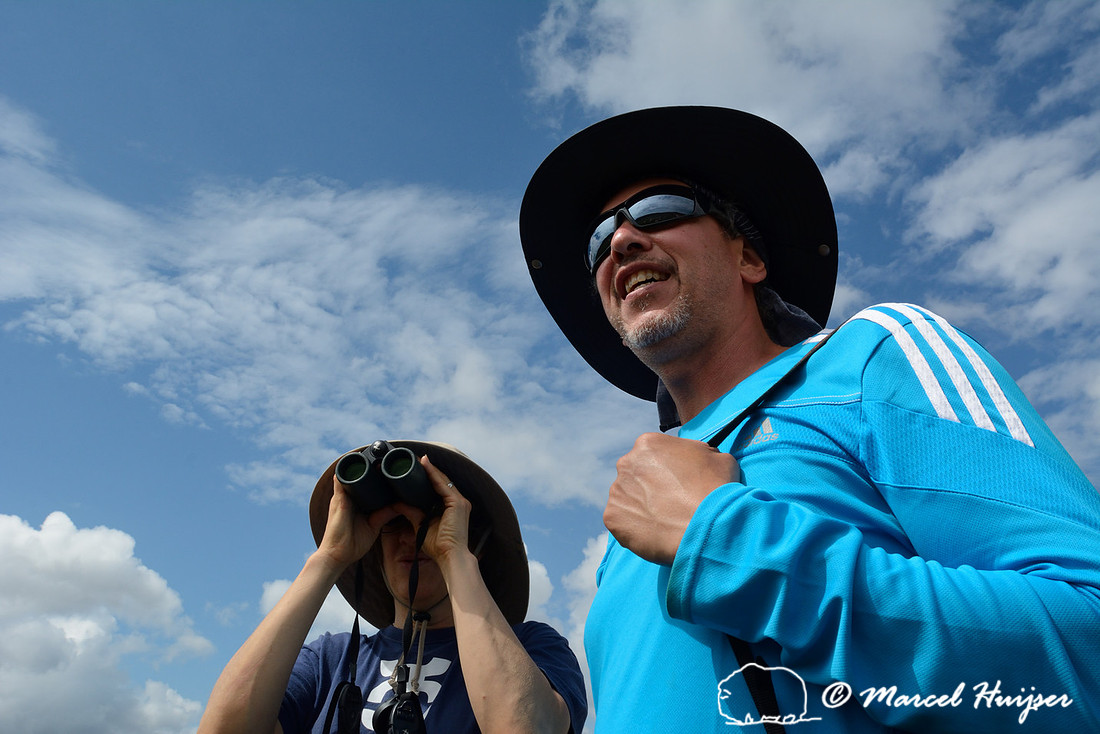
Researchers: Jean Pierre Santos (Instituto Pró-carnívoros) and Marcello (Canastra 4x4)
Researchers: Jean Pierre Santos from Instituto Pró-carnívoros (The Institute for the Conservation of Neotropical Carnivores) and Marcello from Canastra 4x4. Jean Pierre and Marcello were our guides in Parque Nacional da Serra da Canastra, Minas Gerais, Brazil. They helped us find wildlife and evaluate the feasibility of a research idea my colleagues and I are developing. I am grateful to Jean Pierre and Marcello for helping us through their knowledge and expertise; they did excellent work! I would also like to thank Rogério Cunha de Paula and Ronaldo Gonçalves Morato who work for both Instituto Pró-carnívoros and Centro Nacional de Pesquisa para Conservação dos Predadores Naturais (National Research Center for the Conservation of Natural Predators).
We hope to return to the area in the near future. One of the things we would like to learn more about is the project that makes chicken coops more resistant to the maned wolf. By reducing maned wolf predation on chickens the conflict with farmers is reduced and, as a result, people are less likely to kill maned wolves.
Click here for more images of Serra da Canastra National Park.
Some large format prints (limited edition) are now for sale at Freshwater Studio & Gallery in Missoula, Montana.
Like Marcel Huijser Photography on Facebook
All content © 2014 Marcel Huijser
Image below: Jean Pierre Santos from Instituto Pró-carnívoros, Parque Nacional da Serra da Canastra, Minas Gerais, Brazil
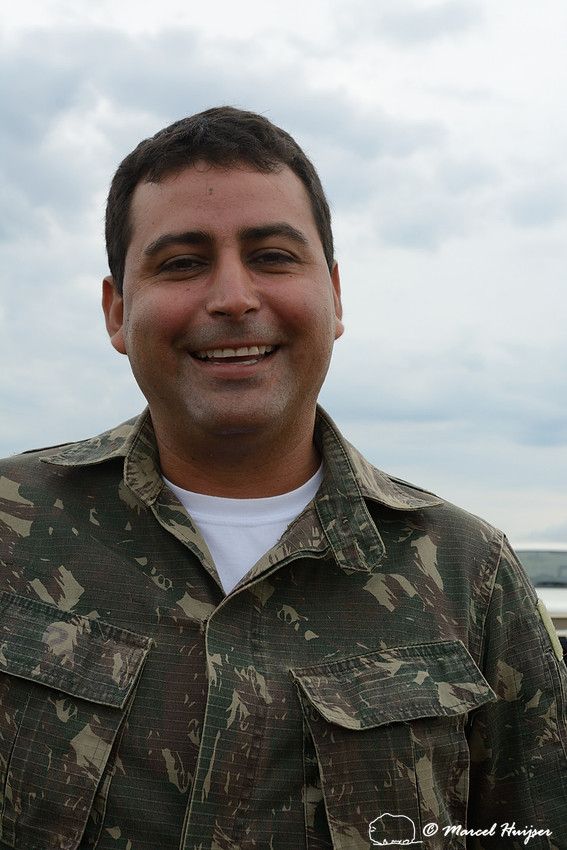
Image below: Bethanie Walder (left) and Marcello from Canastra 4x4 (right), Parque Nacional da Serra da Canastra, Minas Gerais, Brazil.
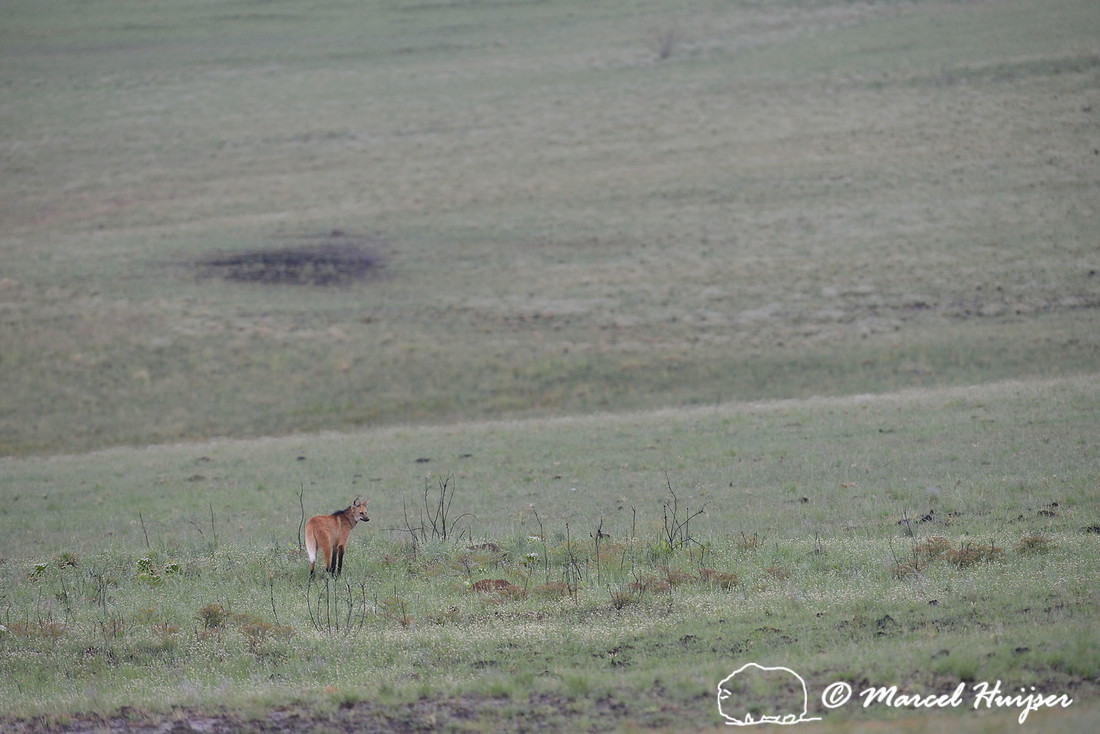
Brazilian wildlife: an encounter with a maned wolf
Maned wolf (Chrysocyon brachyurus), Parque Nacional da Serra da Canastra, Minas Gerais, Brazil.
I have been wanting to see a maned wolf for a long time, but this is not an easy feat. However, a few days ago it finally happened. I was able to get to within about 100 m of a maned wolf without being detected. I set up my tripod and camera in the grassland, sat down, and watched the animal catch flying insects and digging up rodents for about 40 minutes. When catching flying insects, perhaps grasshoppers, it seemed like the maned wolf was dancing -- leaping into the air with its front legs and then catching the insects with its mouth... it made me think of a movie from over 20 years ago... "Dances with Wolves". It heard my shutter every now and then and would look at me briefly. Finally the animal was done hunting and set course for me. It had been aware of me for quite some time, didn't know what to make of me, so it decided to check me out. It came really close... up to about 8 meters! The animal put its tail up, potentially indicating a higher level of alertness or interest or both. It was hard to operate the camera and not show too much movement, which would scare the animal. It did not appear afraid of me but when I had to shift my position slightly to continue to track the animal with my lens, I startled it. It looked at me once more for a few seconds but still didn't run away. It continued on its path through the grasslands (which had burned about 2 months ago, resulting in regrowth of bright green grasses). The short green grass made for a nice backdrop in the photos. When I stood up, it did get nervous and ran away, right into the path of my dad, my wife and our guide. They had been watching the entire encounter through their binoculars, but then the wolf and I had dropped into a gully and they had no idea the maned wolf was headed towards them until it ran by, about 30 meters away from them. About 15 minutes later the wolf passed by again, this time in an unburnt part of the area (see images below). For me, it was an amazing encounter... definitely unforgettable!
Click here for more images of the maned wolf.
Click here for more images of Serra da Canastra National Park.
Some large format prints (limited edition) are now for sale at Freshwater Studio & Gallery in Missoula, Montana.
Like Marcel Huijser Photography on Facebook
All content © 2014 Marcel Huijser


Bethanie Walder, Piet Huijser and Marcel Huijser on the maned wolf expedition
The making of the maned wolf images: Bethanie Walder, Piet Huijser and Marcel Huijser on the maned wolf expedition, Parque Nacional da Serra da Canastra, Minas Gerais, Brazil.
Click here for more images of the maned wolf.
Click here for more images of Serra da Canastra National Park.
Some large format prints (limited edition) are now for sale at Freshwater Studio & Gallery in Missoula, Montana.
Like Marcel Huijser Photography on Facebook
All content © 2014 Marcel Huijser


Brazilian wildlife: Good morning... I am the maned wolf...
Brazilian wildlife: Good morning... I am the maned wolf...
Maned wolf (Chrysocyon brachyurus), Parque Nacional da Serra da Canastra, Minas Gerais, Brazil
Click here for more images of the maned wolf.
Some large format prints (limited edition) are now for sale at Freshwater Studio & Gallery in Missoula, Montana.
Like Marcel Huijser Photography on Facebook
All content © 2014 Marcel Huijser

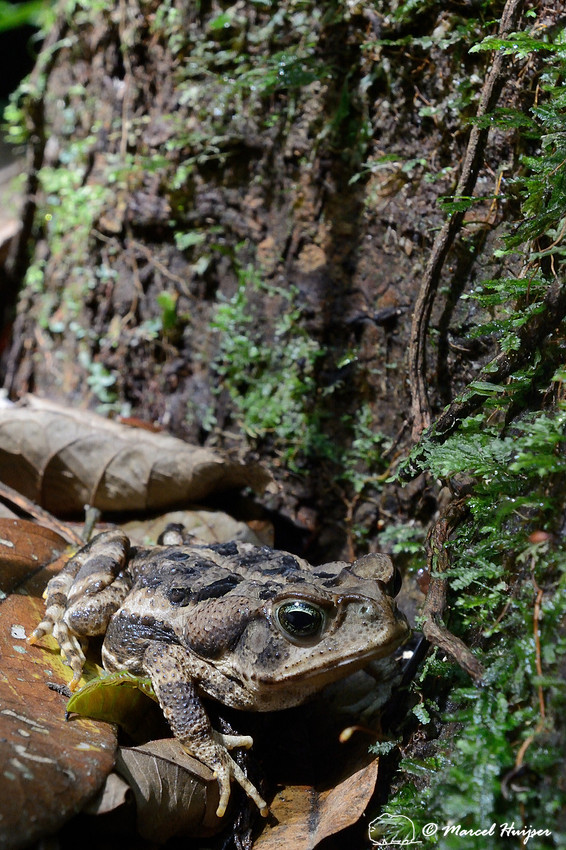
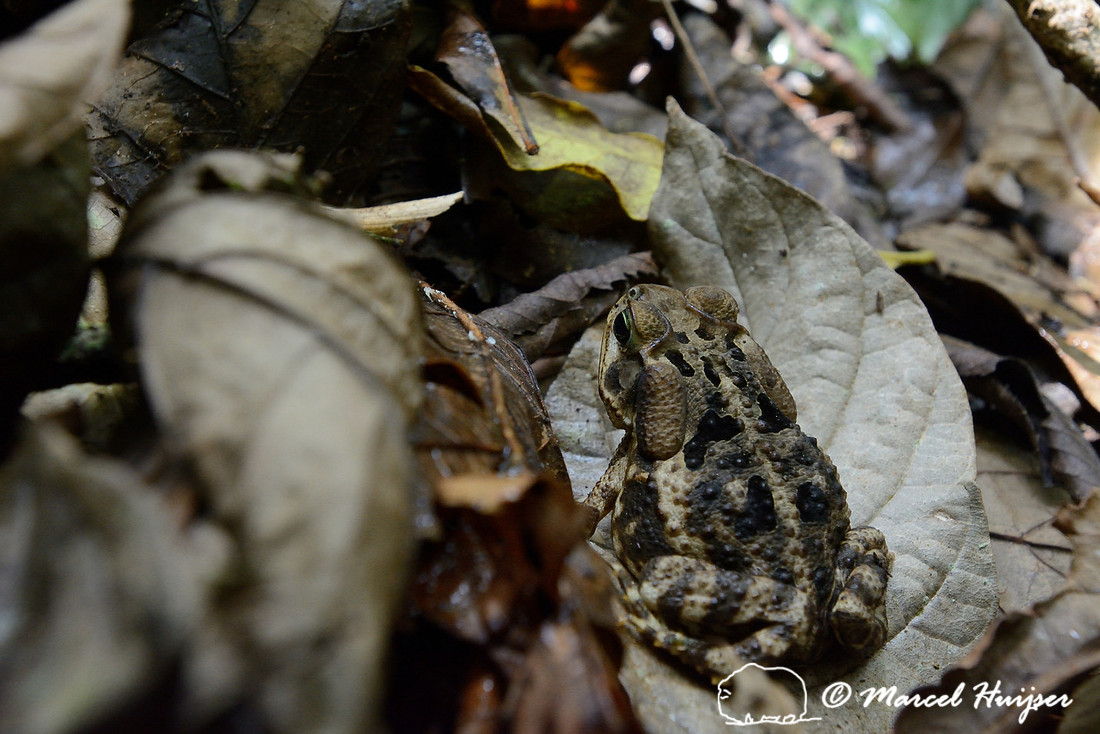
Brazilian wildlife: Juvenile sapo cururu, Parque Estadual Carlos Botelho, São Paulo State
Brazilian wildlife: Juvenile sapo cururu (Rhinella ictericus), a large toad species from the Atlantic rainforest, Parque Estadual Carlos Botelho, São Paulo State, Brazil
Click here for more images of Carlos Bothelho State Park, Brazil.
Some large format prints (limited edition) are now for sale at Freshwater Studio & Gallery in Missoula, Montana.
Like Marcel Huijser Photography on Facebook
All content © 2014 Marcel Huijser

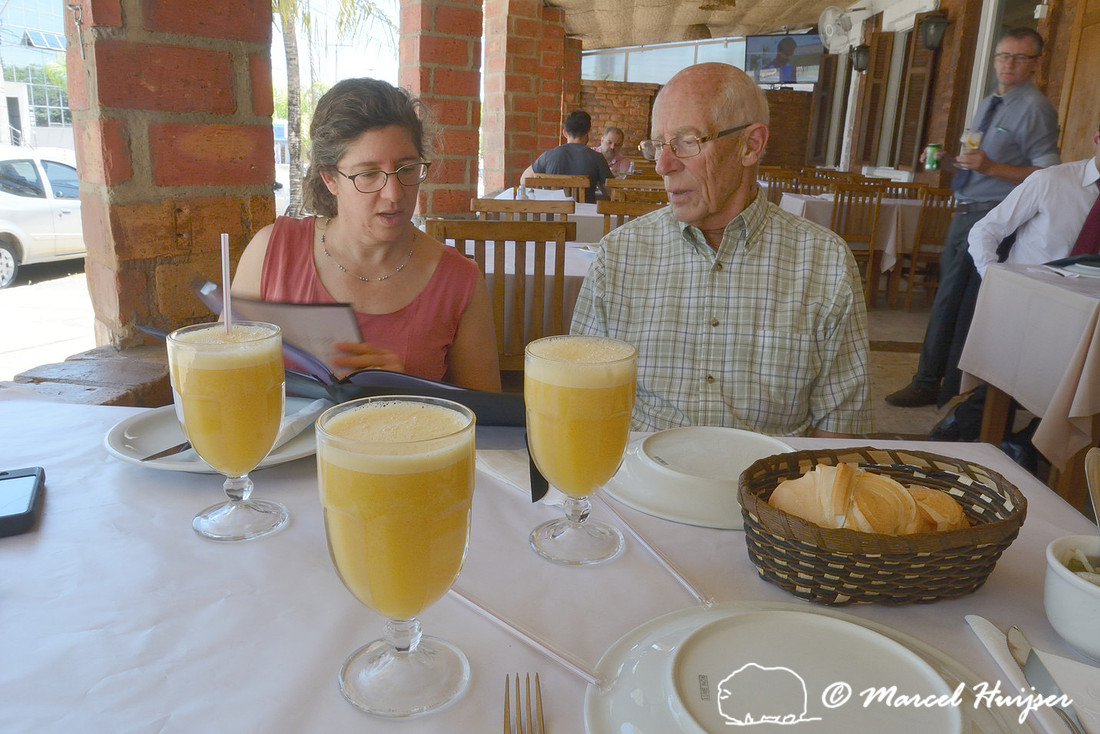
Life in Brazil: Bethanie Walder and Piet Huijser with fruit drinks, Piracicaba, São Paulo
Life in Brazil: Bethanie Walder and Piet Huijser with fruit drinks (orange mixed with passion fruit) at Restaurante Carro Boi , Piracicaba, São Paulo State, Brazil.
Click here for more images of our life in Brazil.
Some large format prints (limited edition) are now for sale at Freshwater Studio & Gallery in Missoula, Montana.
Like Marcel Huijser Photography on Facebook
All content © 2014 Marcel Huijser
Brazilian wildlife: Unusually large creatures that live in the rainforest
Brazilian wildlife: Unusually large creatures that live in the rainforest.
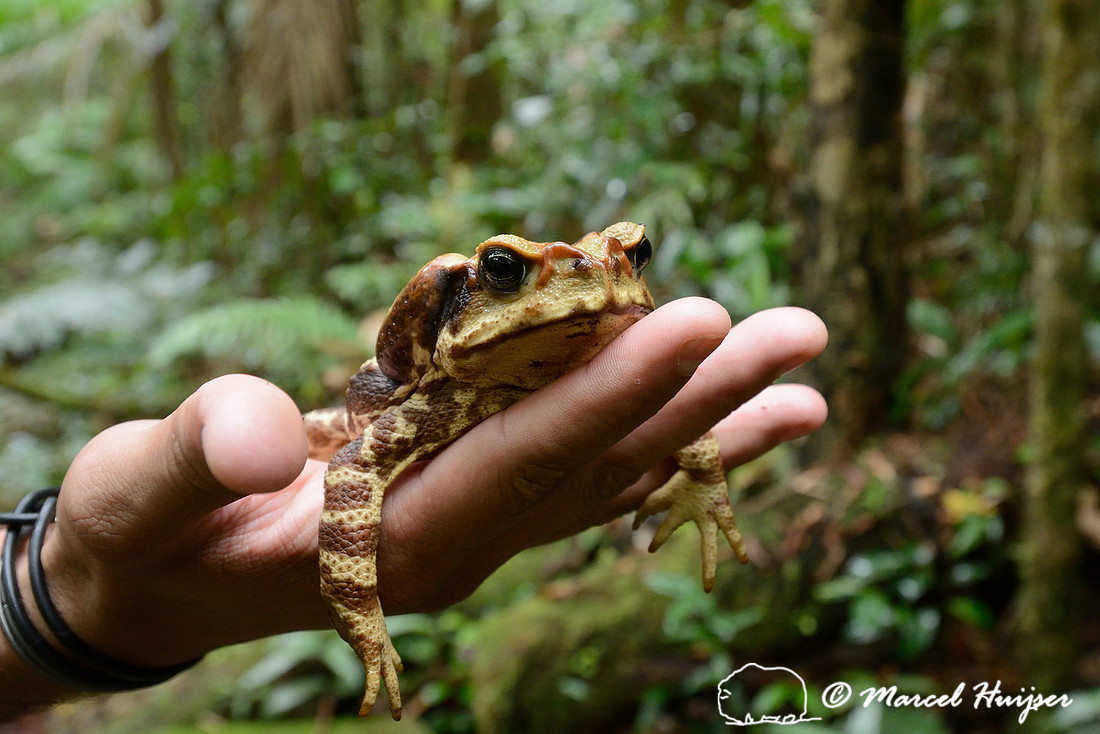
Life on earth is incredibly diverse. We spent the last few days hiking through Carlos Botelho State Park. This is one of the most intact remaining fragments of Atlantic rainforest (Mata Atlântica) in São Paulo State, Brazil. The forest is absolutely gorgeous. But some of the creatures we encountered really surprised us... in this case it was mainly because of their unusual size:
Image below: Sapo cururu (Chaunus ictericus), a large toad species from the Atlantic rainforest, Parque Estadual Carlos Botelho, São Paulo State, Brazil.
Images below: Aruá gigante or Caracol gigante (Megalobulimus lopesi), a large snail species from the Atlantic rainforest, Parque Estadual Carlos Botelho, São Paulo State, Brazil. This species is endangered (IUCN, 2014).


Click here for more images of Carlos Bothelho State Park, Brazil.
Some large format prints (limited edition) are now for sale at Freshwater Studio & Gallery in Missoula, Montana.
Like Marcel Huijser Photography on Facebook
All content © 2014 Marcel Huijser
Road ecology blog: End of the road ecology course, ESALQ, University of São Paulo, Brazil
While there are still a few assignments pending, Tuesday was the last full day of the 4 week long intensive road ecology course together as a group. It has been a true pleasure teaching the course and getting to know the individual students. I would like to thank them for their interest and enthusiasm for road ecology, wish them all the best with their studies and further career, and I hope we will meet again sometime in the future. I miss them already! :)
Note: this road ecology course was made possible through a grant from CAPES (Coordenação de Aperfeiçoamento de Pessoal de Nível Superior), the Department of Forest Sciences (Departamento de Ciências Florestais) at the Escola Superior de Agricultura "Luiz de Queiroz" (ESALQ), Piracicaba campus of the University of São Paulo, the Graduate Program Committee (Programa de Pós-Graduação Interunidades em Ecologia Aplicada - PPGI-EA) and Maria Victoria Ramos Ballester (the Coordinator of PPGI-EA), Mara Casarin (the secretary of the PPGI-EA), Celine Coppê de Sousa , the Graduate Program Service at ESALQ, Milena Arthur and her colleagues at Centrovias, Paulo Ruffino and his colleagues from the Itirapina Ecological Research Station (Estação Ecológica de Itirapina), the guest speakers Fernanda Abra, Simone Freitas, Ronaldo Morato, José Luis Ridente, Marcelo Ruil, Marco Antonio Marques de Sousa and Bethanie Walder, and last but not least Dr. Katia Ferraz. Many thanks to everyone who made this possible!
Picture below taken by Lilian Bonjorne de Almeida.
Front row from left to right: Lilian Bonjorne de Almeida, Fernanda Delborgo Abra, Ricardo Reale.
Middle row from left to right: Maisa Ziviani Alves, Larissa Oliveira Gonçalves, Bruna Oliveira, Julia Camara de Assis, Miriam Lucia Lages Perilli.
Back row from left to right: Thaís Rovere Diniz Reis, Marcel Huijser, Katia Ferraz, Alan Eduardo de Barros and Renata Bergamo Caramez.
The following people also took part in the road ecology course, but are not in the picture: Alex Augusto de Abreu Bovo, Marcelo Magioli, and Renata Miotto.

Image below: Marcel Huijser and road ecology students from ESALQ braving the heat, at bridge across the Rio Jacaré-Pepira, near Brotas, São Paulo, Brazil. From left to right: Marcel Huijser, Ricardo Reale, Thaís Rovere Diniz Reis, Bruna Oliveira, Alan Eduardo de Barros, Renata Bergamo Caramez, Alex Augusto de Abreu Bovo and Marcelo Magioli.

Image below: Milena Arthur and colleagues from Centrovias intruduce the students to the SP-225 and its wildlife mitigation measures, near Brotas, Brazil.

Image below: Paulo Ruffino from the Itirapina Ecological Research Station (Estação Ecológica de Itirapina) discusses human safety and wildlife concerns along the two lane road (Rod. Mun. Ayrton Senna) that bisects the Itirapina reserve. From left to right: Miriam Lucia Lages Perilli, Lilian Bonjorne de Almeida, Marcelo Magioli, Alex Augusto de Abreu Bovo, Paulo Ruffino and Fernanda Delborgo Abra.

Image below: Bruna Oliveira, Maisa Ziviani Alves, Larissa Oliveira Gonçalves and Bethanie Walder look for tracks of maned wolf (Chrysocyon brachyurus) along a dirt road, Estação Experimental e a Estação Ecológica Itirapina.

Road ecology blog: article in Revista O Empreiteiro (The Contractor Magazine)
On 11 September 2014 I gave a talk about road ecology for DERSA in São Paulo, Brazil. DERSA is the state agency for roads in São Paulo state (44 million people). There were several journalists present, including from an engineering magazine "Revista O Empreiteiro" ("The Contractor Magazine"). http://www.oempreiteiro.com.br/Publicacoes/15240/O_fator_animal.aspx
Brazilian wildlife: Calango or Amazon lava lizard, Piracicaba, São Paulo, Brazil
Brazilian wildlife: Calango or Amazon lava lizard (Tropidurus torquatus), Monte Alegre, Piracicaba, São Paulo, Brazil.
Click here for more images of Calango or Amazon lava lizard (Tropidurus torquatus).
Some large format prints (limited edition) are now for sale at Freshwater Studio & Gallery in Missoula, Montana.
Like Marcel Huijser Photography on Facebook
All content © 2014 Marcel Huijser

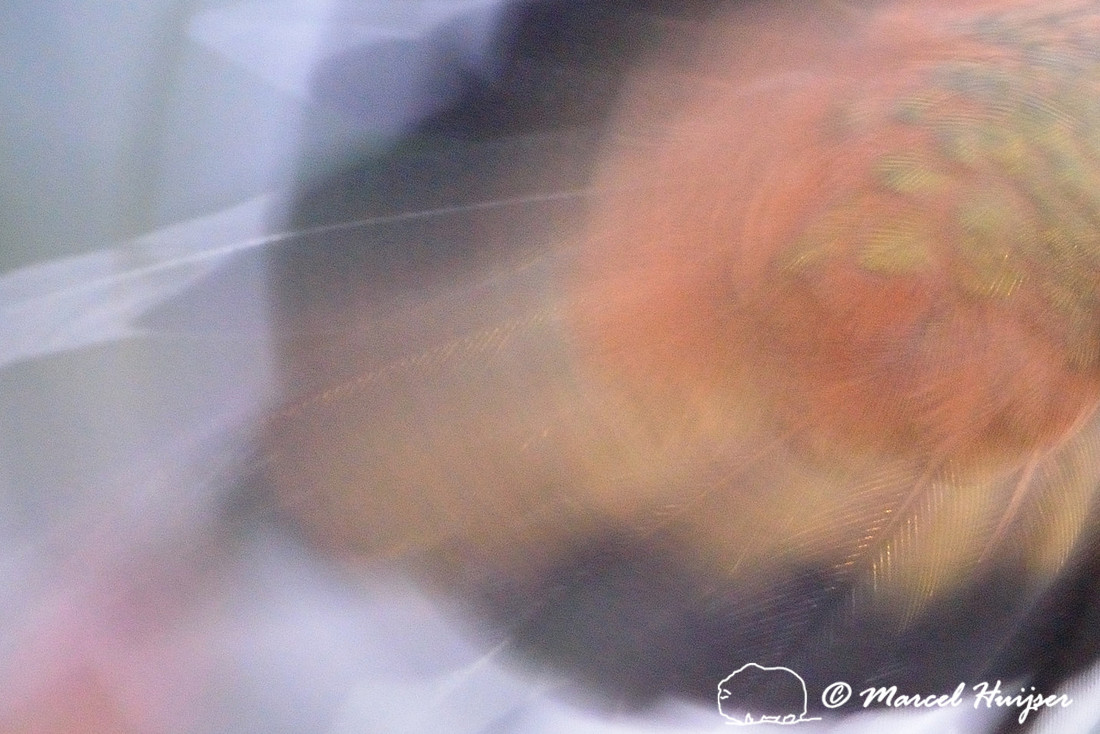
Brazilian birds: Tail feathers of the planalto hermit, Piracicaba, São Paulo, Brazil
Tail feathers of the planalto hermit (Phaethornis pretrei), a hummingbird species, Monte Alegre, Piracicaba, São Paulo, Brazil.
Click here for more images of Brazilian wildlife.
Some large format prints (limited edition) are now for sale at Freshwater Studio & Gallery in Missoula, Montana.
Like Marcel Huijser Photography on Facebook
All content © 2014 Marcel Huijser