Marcel Huijser Photography Home
This is where I show the most recent images and talk about how they were made. The images typically relate to landscapes and wildlife, but I also blog about photos of highways and mitigation measures for wildlife or road ecology in general. Please contact me if you would like to use any of the images.
All content © Marcel Huijser
Montana wildlife: Bighorn sheep ram (Ovis canadensis) bedded down
Montana wildlife: Bighorn sheep ram (Ovis canadensis) bedded down.
Click here for other images of bighorn sheep.
Like Marcel Huijser Photography on Facebook
All content © 2014 Marcel Huijser


Road ecology blog: Wildlife overpass (about 30 m wide), Hwy 69, Ontario, Canada
Road ecology blog: Wildlife overpass (about 30 m wide), Hwy 69, Ontario, Canada.
Wildlife overpass (about 30 m wide), across a newly twinned section of Hwy 69, Ontario, Canada. The overpass spans 4 lanes of traffic (2 lanes in each direction), and has art (drawings of animals) on the side, visible to people traveling the highway. The top of the overpass is landscaped with trees, shrubs, and brush and rock to provide cover for animals. Elk (Cervus canadensis), moose (Alces alces), Black bear (Ursus americanus) and white-tailed deer (Odocoileus virginianus) are among the target species.The overpass has a gradual approach (slope) for animals that approach the structure from the surrounding landscape. The overpass was completed in 2012, and the fencing was completed in 2013. The cost for the wildlife overpass were about CAN$ 2.9 million.
The wildlife use of the overpass is monitored by Kari Gunson of Eco-Kare. Moose, white-tailed deer, red fox (Vulpes vulpes), coyotes (Canis latrans) and black bear have been documented using the overpass.
For other images of wildlife overpasses click here.
Like Marcel Huijser Photography on Facebook
All content © 2014 Marcel Huijser


Rocky Mountain wildlife: Bison (Bison bison) in the snow, Wyoming, USA
Rocky Mountain wildlife: Bison (Bison bison) in the snow, Wyoming, USA.
Click here for additional images of bison.
Like Marcel Huijser Photography on Facebook
All content © 2014 Marcel Huijser

Road Ecology blog: Box culvert for turtles, Hwy 69, Ontario, Canada
Road Ecology blog: Box culvert for turtles, Hwy 69, Ontario, Canada.
Turtle underpass, Hwy 69, Ontario, Canada. The turtle underpass is 2.4 m wide and 2.1 m high. There are separate structures for the two travel directions with a fenced opening (15.3 m) in the median. Painted turtle, snapping turtle and northern water snake have been documented using this type of structure along Hwy 69. The large mammal fence is 2.3 m high. Geotextile fabric (black) is attached to the large mammal fence for reptiles and amphibians. The fabric is 0.8 m above the ground and 0.2 m below the ground. A 0.1 m wide strip below the ground is oriented away from the road to reduce the probability that animals dig under the fabric. Based on the research conducted by James Baxter-Gilbert (Laurentian University, Sudbury, Ontario) the underpass (box culvert) is believed to be suitable for turtles and snakes. However, the geotextile fabric has gaps resulting from installation errors, erosion and flooding. A sturdier barrier (concrete/steel/hard plastic) with reduced maintenance and better oversight during installation is recommended.
Click here for more images of wildlife underpasses.
Like Marcel Huijser Photography on Facebook
All content © 2014 Marcel Huijser
Image below: one of the box culverts for turtles and snakes.

Image below: the large mammal fence with the geotextile fabric (intended as a barrier for turtles) attached.

Image below: James Baxter-Gilbert from Laurentian University at a box culvert for turtles.

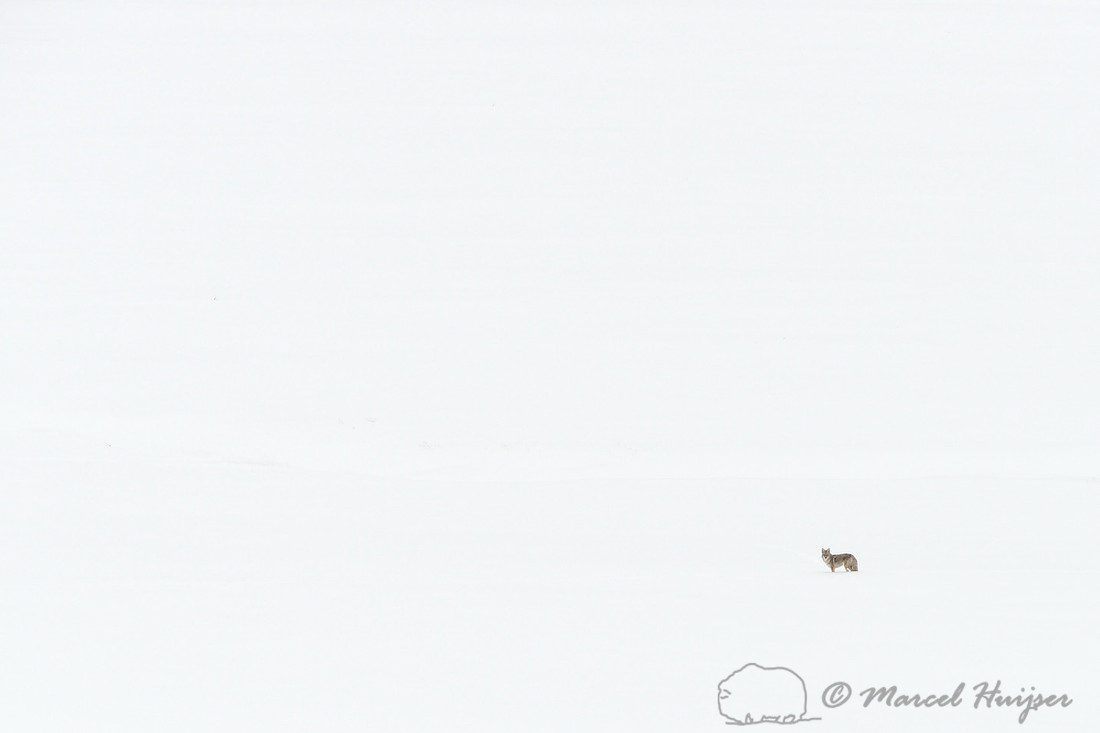
Rocky Mountain wildlife: Coyote (Canis latrans) in wintery landscape, Wyoming, USA
Rocky Mountain wildlife: Coyote (Canis latrans) in snowy landscape, Wyoming, USA.
Click here for other images of coyotes.
Like Marcel Huijser Photography on Facebook
All content © 2014 Marcel Huijser
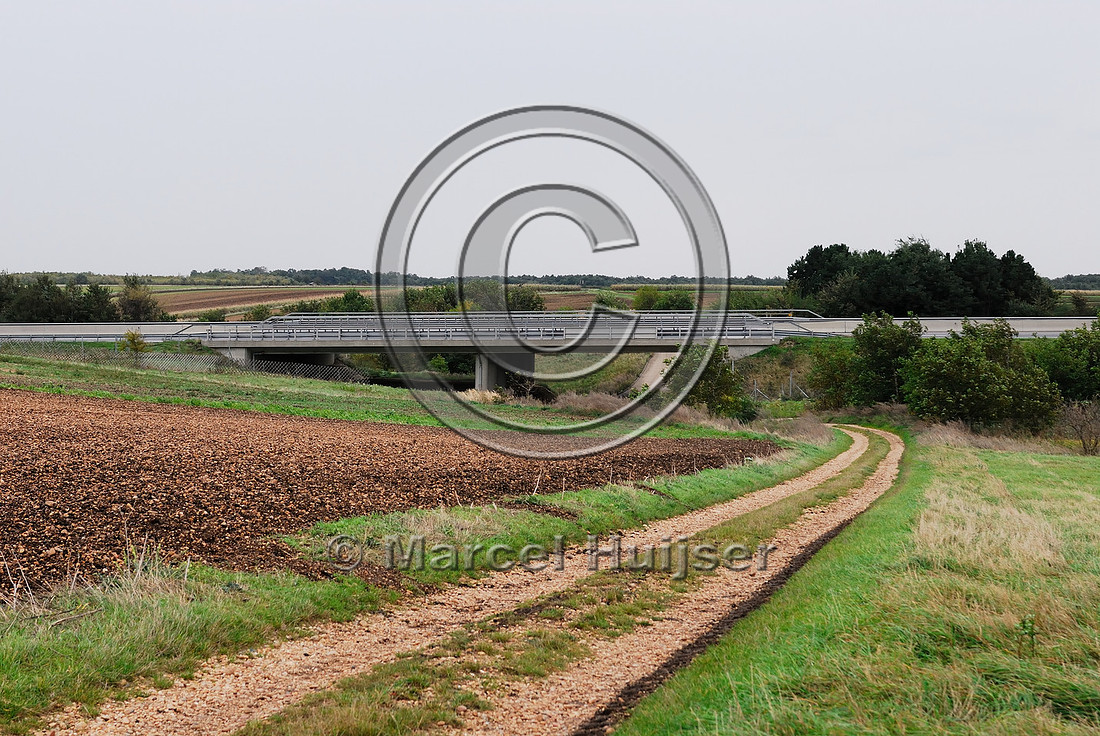
Road ecology blog: Multifunctional underpass, A4 motorway, Parndorf, Austria
Road ecology blog: Multifunctional underpass (about 45 m wide), under A4 motorway, Parndorf, Austria.
Click here for images of other multi-functional underpasses.
Like Marcel Huijser Photography on Facebook
All content © 2014 Marcel Huijser
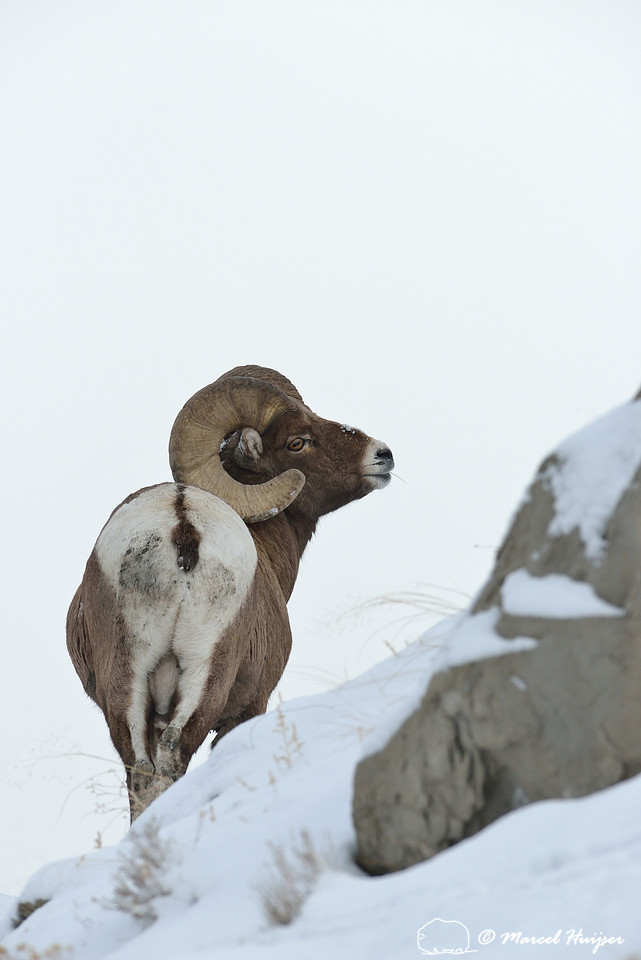
Montana wildlife: Bighorn sheep ram (Ovis canadensis) foraging
Montana wildlife: Bighorn sheep ram (Ovis canadensis) foraging.
Click here for other images of bighorn sheep.
Like Marcel Huijser Photography on Facebook
All content © 2014 Marcel Huijser

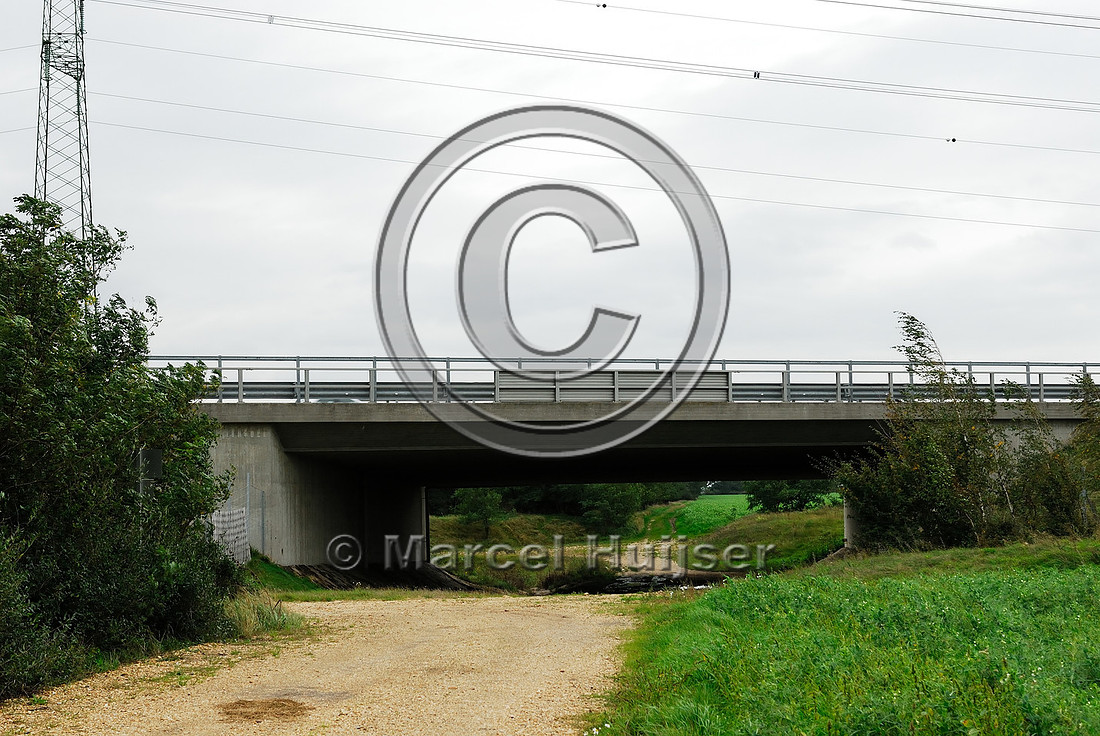
Road ecology blog: Wildlife fence connects tightly to underpass, Parndorf, Austria
Road Ecology blog: Wildlife fence connects tightly to multifunctional underpass (wildlife and farm road, about 36 m wide), under A4 motorway, Parndorf, Austria.
It is essential that wildlife fencing connects tightly to a wildlife underpass or wildlife overpass. No gaps should be present as that may allow wildlife to enter the fence road corridor. If the fence runs somewhat parallel to a wing wall of a structure, make sure the fence is positioned snug up to the wing wall; do not leave a wedge as this may cause animals that want to escape the fenced road corridor to get stuck.
Click here for more images of wildlife fencing.
Like Marcel Huijser Photography on Facebook
All content © 2014 Marcel Huijser

Rocky Mountain landscapes: Tree in snow storm, Wyoming, USA
Rocky Mountain landscapes: Tree in snow storm, Wyoming, USA.
Click here for other images of Rocky Mountain landscapes.
Like Marcel Huijser Photography on Facebook
All content © 2014 Marcel Huijser

Road Ecology blog: Low volume road at multifunctional underpass, Parndorf, Austria
Road Ecology blog: Low volume road at multifunctional underpass (wildlife and farm road, about 36 m wide), under A4 motorway, Parndorf, Austria.
Click here for images of other multi-functional underpasses.
Like Marcel Huijser Photography on Facebook
All content © 2014 Marcel Huijser
Rocky Mountain wildlife: Bison (Bison bison) in snow storm, Wyoming, USA
Rocky Mountain wildlife: Bison (Bison bison) in snow storm, Wyoming, USA.
Click here for additional images of bison.
Like Marcel Huijser Photography on Facebook
All content © 2014 Marcel Huijser

Road Ecology blog: Multifunctional overpass with traffic underneath, Austria.
Multifunctional overpass (wildlife and farm road, about 100 m wide), across A4 motorway, Parndorf, Austria. The overpass is designed for farmers, agricultural machinery, hunters and wildlife including roe deer (Capreolus capreolus) and European hare (Lepus europaeus).
Click here for images of other multi-functional overpasses.
Like Marcel Huijser Photography on Facebook
All content © 2014 Marcel Huijser

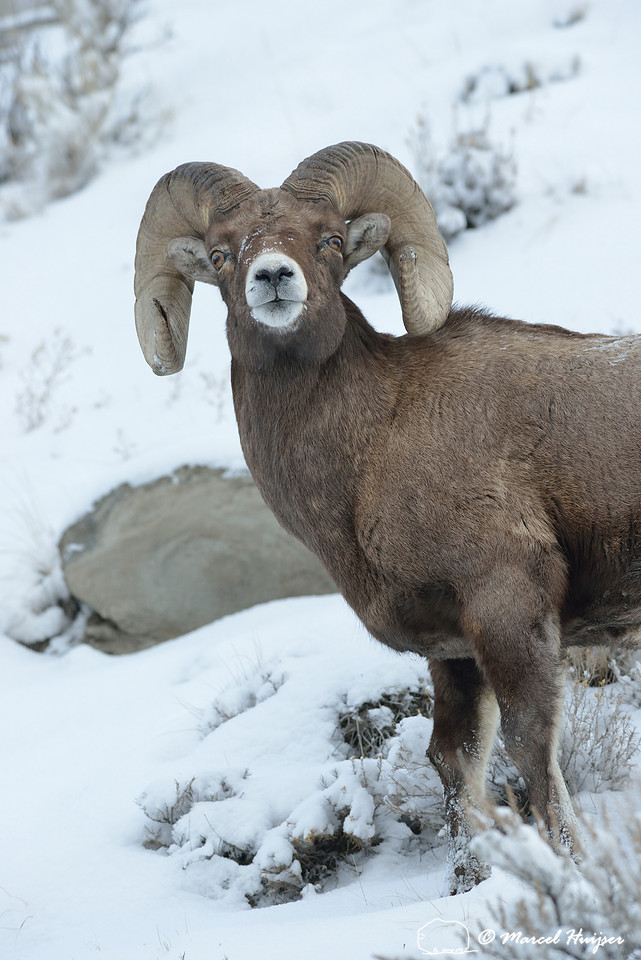
Montana wildlife: Bighorn sheep ram (Ovis canadensis) looking
Montana wildlife: Bighorn sheep ram (Ovis canadensis) looking.
Click here for other images of bighorn sheep.
Like Marcel Huijser Photography on Facebook
All content © 2014 Marcel Huijser
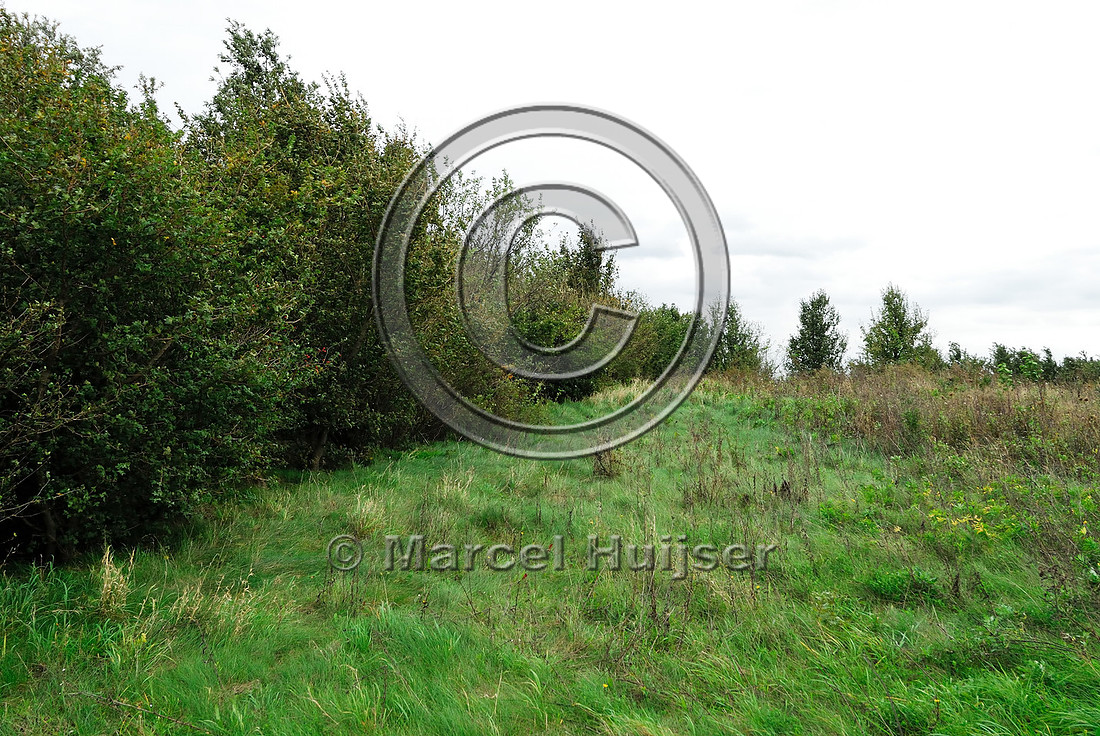
Road Ecology blog: Edge habitat on top of multifunctional overpass, Parndorf, Austria
Road Ecology blog: Edge habitat on top of multifunctional overpass (wildlife and farm road, about 100 m wide), across A4 motorway, Parndorf, Austria.
While we often design wildlife crossing structures for specific species (the "target species"), it is best to provide a crossing opportunity that is suitable for a wide array of species that may be present in the landscape. If a structure is large enough we can increase the performance of the structure to where it is not just about providing connectivity for selected animal species. It is about allowing ecosystem processes to continue despite the presence of a road. Ecosystem processes may include physical processes (e.g. those related to soil and water), as well as biological processes (wildlife movements, seed dispersal of plants). If the landscape and ecosystem processes are to continue over or under the road, then it basically means that the vegetation, soil and water continue. This may only be possible in road sections with very long bridges or tunnels. However, even on a narrower structure, e.g. a 50-100 m wide wildlife overpass, we can strive for this by ensuring that different habitat types, characteristic for the surrounding landscape, are present on top of the structure. These habitat types may include cover (shrubs and small trees), open habitat (grass-herb vegetation and bare sand), and edge habitat (transition between cover and open habitat). In this context the size of a crossing structure can be based on the space that would be needed to provide the different habitat types rather than what the minimum dimensions are for selected target species.
Click here for images of other multi-functional overpasses.
Like Marcel Huijser Photography on Facebook
All content © 2014 Marcel Huijser
Montana wildlife: Bighorn sheep ram (Ovis canadensis) profile
Montana wildlife: Bighorn sheep ram (Ovis canadensis) profile.
Click here for other images of bighorn sheep.
Like Marcel Huijser Photography on Facebook
All content © 2014 Marcel Huijser