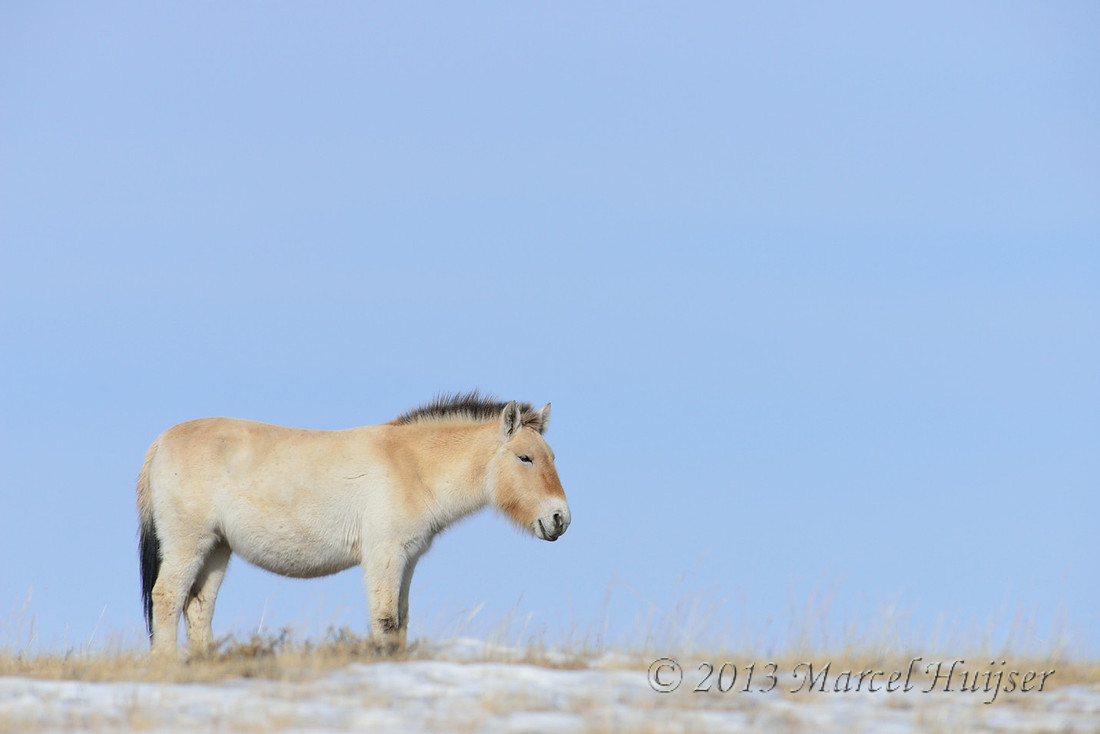
Marcel Huijser Photography Home
This is where I show the most recent images and talk about how they were made. The images typically relate to landscapes and wildlife, but I also blog about photos of highways and mitigation measures for wildlife or road ecology in general. Please contact me if you would like to use any of the images.
All content © Marcel Huijser
Asian landscapes: Birch forest (Betula platyphylla) Hustai Nuruu, Töv, Mongolia
Birch forest (Betula platyphylla) Hustai Nuruu National park, Töv, Mongolia.
Click here for images of the Takhi or Przewalski's horse. Click here for images of cinereous vultures. Click here for images of Siberian ibex. Click here for images of argali. Click here for images of Mongolian gazelles. Click here for wolf images. Click here for other images from Mongolia.
Like Marcel Huijser Photography on Facebook
All content © 2013 Marcel Huijser


Road ecology blog: Railroad fence and underpasses along Trans-Mongolian railroad
Road ecology blog: Railroad fence and underpasses along Trans-Mongolian railroad.
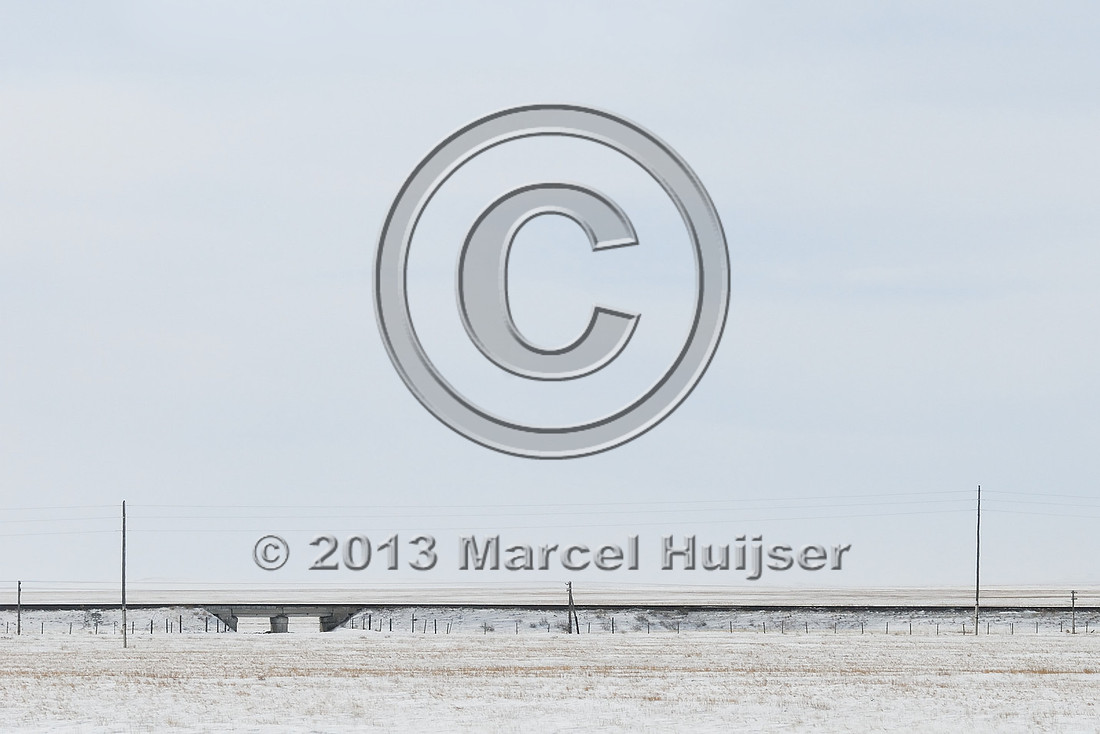
The Trans-Mongolian railway connects Ulan-Ude along the Trans-Siberian railway in Russia with Jining in China. From there the railroad continues to Beijing. The Trans-Mongolian railroad is fenced. The fence is designed to keep livestock, including sheep and goats, off the railroad. The fenced railroad corridor is considered a very substantial barrier to large wild ungulates. However, some Mongolian gazelles do cross the fenced railroad corridor either at grade or through underpasses that are designed for livestock or hydrology. The fenced railroad corridor is an absolute barrier or nearly an absolute barrier for Asiatic wild ass (khulan) though. The railroad is not only a barrier but also a source of mortality for Mongolian gazelles. Some of the Mongolian gazelles that cross the fence get entangled in the fence and die. Other gazelles that are inside the fenced corridor when a train approaches are killed by trains directly. Click here for more images of the livestock fencing and underpasses for livestock and hydrology along the Trans-Mongolian railroad and spurs.
Click here for images of Mongolian gazelles.
Like Marcel Huijser Photography on Facebook
All content © 2013 Marcel Huijser
Image below: Railroad fence, spur of Trans-Mongolian Railway, Bagahangay, Töv, Mongolia.
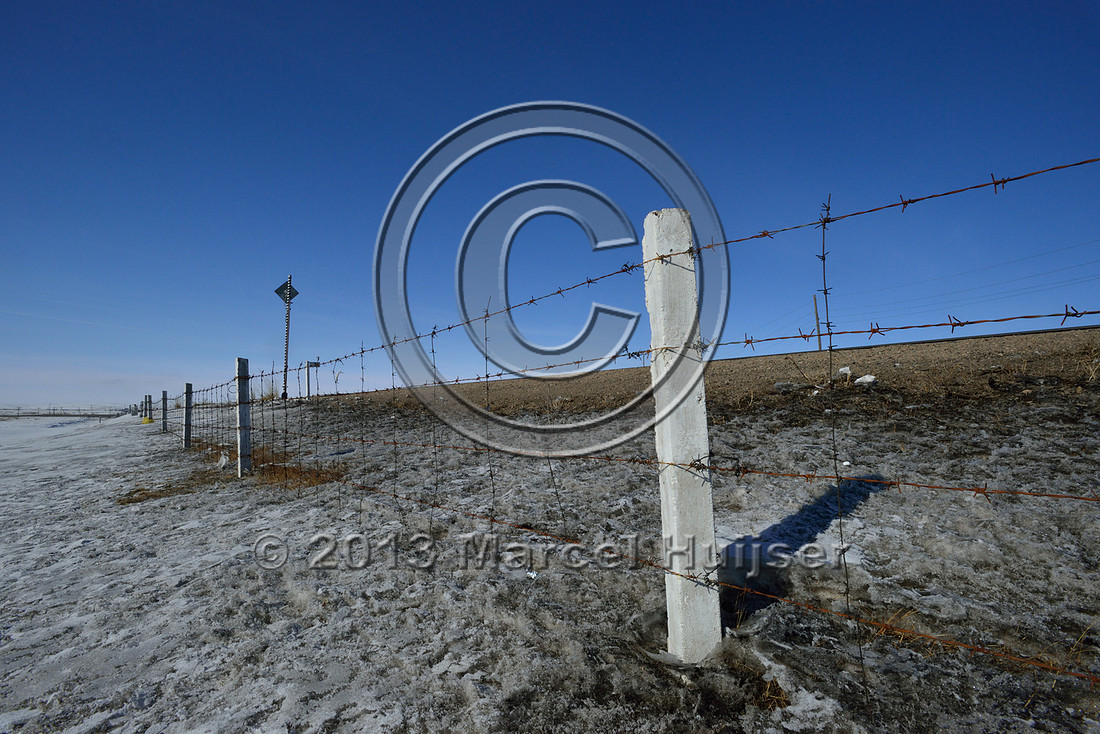
Image below: Underpass for livestock and/or water along Trans-Mongolian Railway, between Choyr and Nalayh, Töv / Govisümber, Mongolia. These types of underpasses or not or barely used by wildlife. Large ungulates in open habitat seem to require wide open crossing structures with very gradual approaches and long sight distances. This particular underpass has a solid support wall in the middle which negatively affects the perceived width and openness of the structure. Structures that do not require support walls or columns are likely more suitable for wild ungulates.
Asian landscapes: Dying birch forest, Hustai Nuruu National park, Töv, Mongolia
Asian landscapes: Dying birch forest (Betula platyphylla) Hustai Nuruu National park, Töv, Mongolia. The birch forest is disappearing, probably as a result of both climate change and an increase in the red deer (Cervus elaphus) population.
Click here for images of the Takhi or Przewalski's horse. Click here for images of cinereous vultures. Click here for images of Siberian ibex. Click here for images of argali. Click here for images of Mongolian gazelles. Click here for wolf images. Click here for other images from Mongolia.
Like Marcel Huijser Photography on Facebook
All content © 2013 Marcel Huijser

Asian landscapes: Birch forest, Hustai Nuruu National park, Töv, Mongolia
Asian landscapes: Birch forest (Betula platyphylla) Hustai Nuruu National park, Töv, Mongolia.
Click here for images of the Takhi or Przewalski's horse. Click here for images of cinereous vultures. Click here for images of Siberian ibex. Click here for images of argali. Click here for images of Mongolian gazelles. Click here for wolf images. Click here for other images from Mongolia.
Like Marcel Huijser Photography on Facebook
All content © 2013 Marcel Huijser

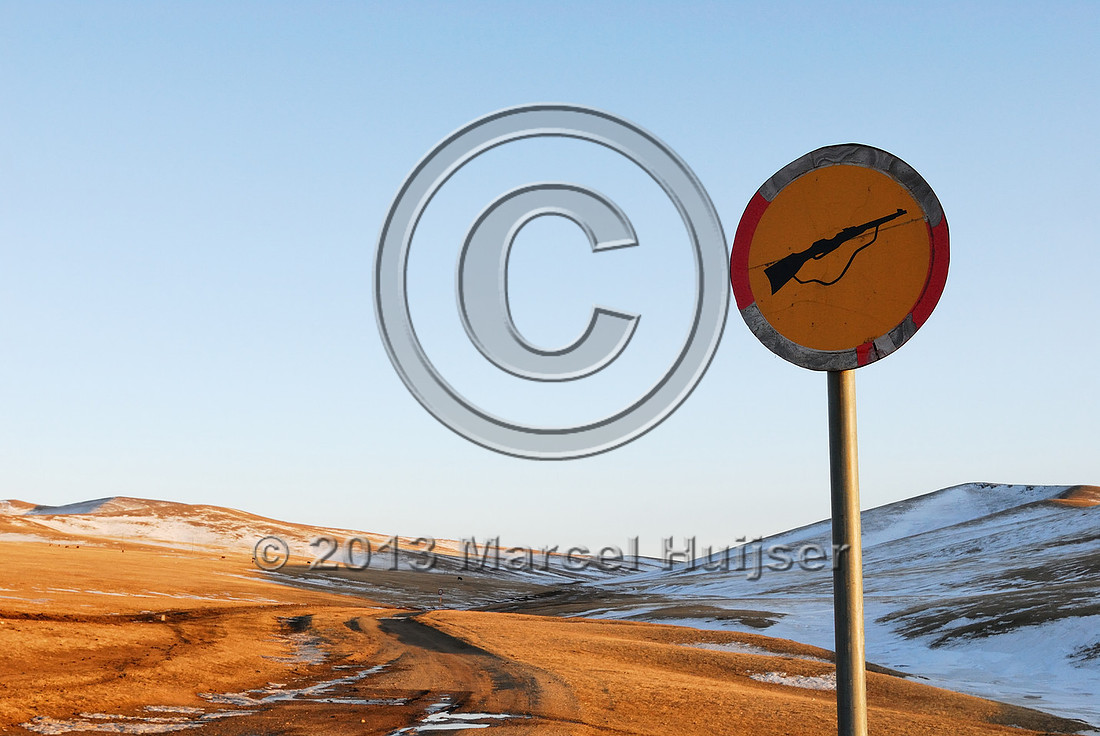
Road ecology blog: No hunting sign, Hustai Nuruu National park, Töv, Mongolia
Road ecology blog: No hunting sign, Hustai Nuruu National park, Töv, Mongolia.
Poaching is a big problem in Mongolia, mostly because of Chinese medicine. In Hustai National Park about a dozen female red deer (Cervus elaphus) carcasses were found in 2012. Each carcass had the tongue and uterus removed, leaving the remainder. In Chinese medicine the uterus is believed to help with human fertility problems.
Click here for images of the Takhi or Przewalski's horse. Click here for images of cinereous vultures. Click here for images of Siberian ibex. Click here for images of argali. Click here for images of Mongolian gazelles. Click here for wolf images. Click here for other images from Mongolia.
Like Marcel Huijser Photography on Facebook
All content © 2013 Marcel Huijser
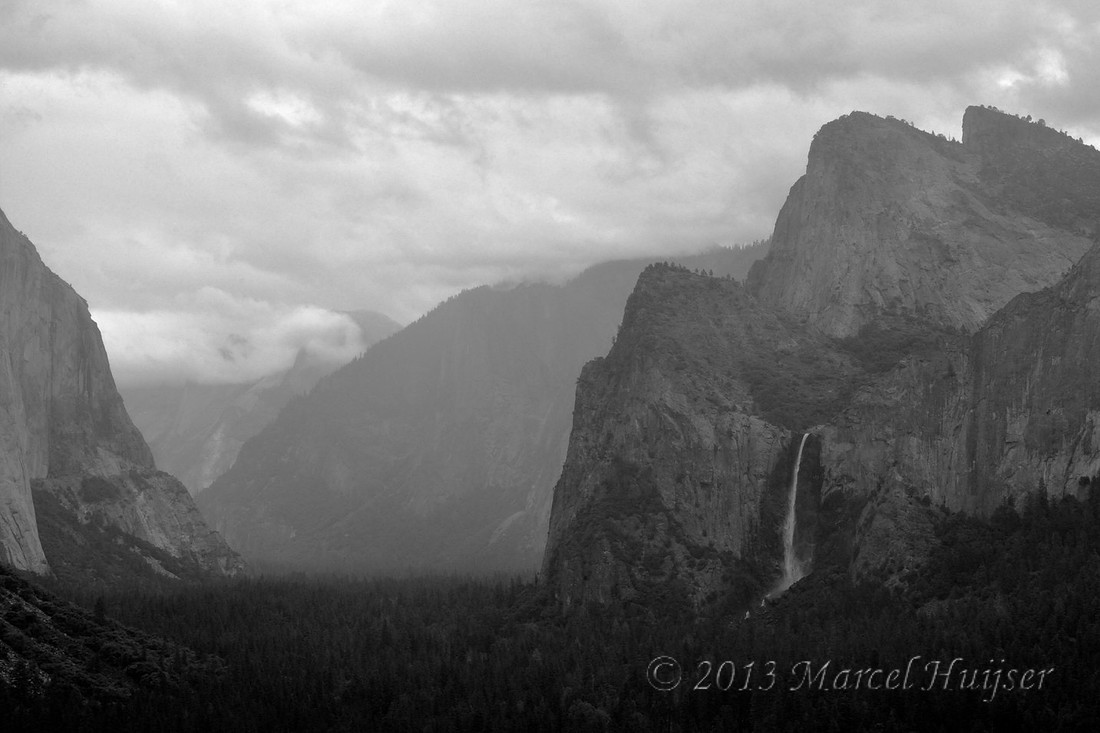
California landscapes: Yosemite Valley and Bridalveil Fall
California landscapes: Yosemite Valley and Bridalveil Fall in heavy clouds and rain, Yosemite National Park, California, USA.
Like Marcel Huijser Photography on Facebook
All content © 2013 Marcel Huijser
California wildlife: Northern elephant seal (Mirounga angustirostris)
California wildlife: Northern elephant seal (Mirounga angustirostris), Point Reyes National Seashore. I was photographing starfish when this elephant seal came around the corner... we were both very surprised I think.... neither of us knew the other was there and so close! I retreated behind some large rocks while the elephant seal came a bit closer and started displaying in the shallow water: neck up and mouth open. Then we each went our own way again.
Like Marcel Huijser Photography on Facebook
All content © 2013 Marcel Huijser

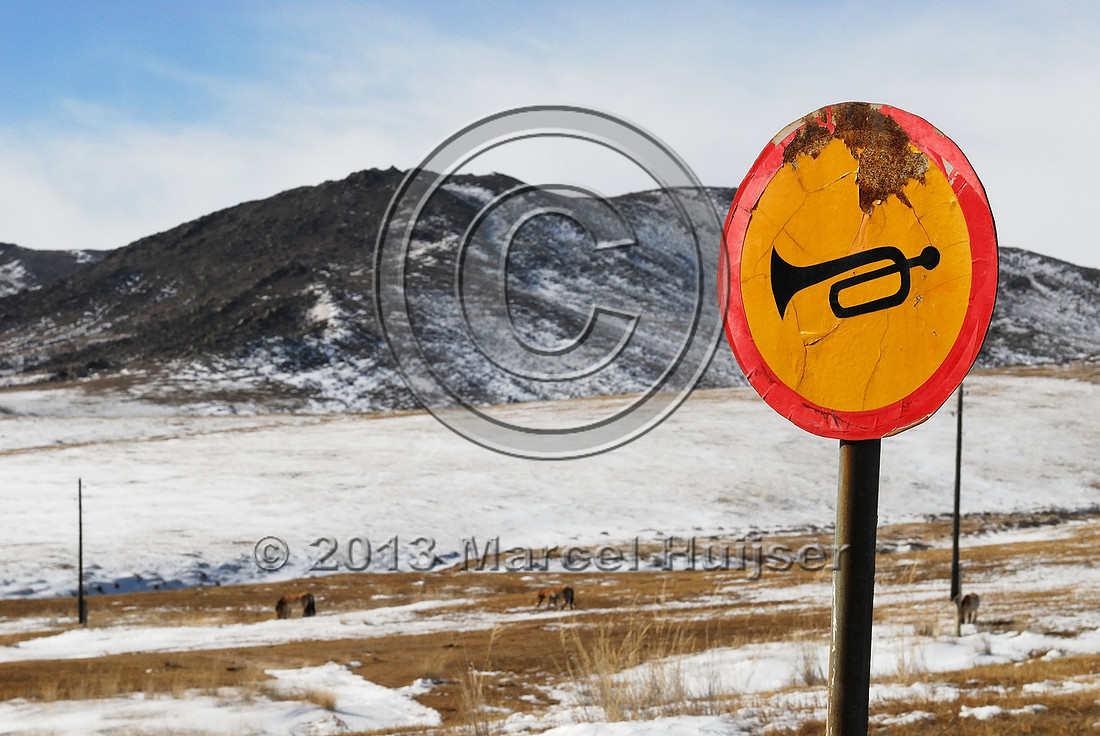
Road ecology blog: Sign, Do not beep horn, Hustai Nuruu National park, Töv, Mongolia
Road ecology blog: Sign, Do not beep horn, Hustai Nuruu National park, Töv, Mongolia. It is forbidden to beep the car horn close to a water hole for Przewalski's horses in Hustai Nuruu National Park. Click here for other images of the no horn sign.
Click here for images of the Takhi or Przewalski's horse. Click here for images of cinereous vultures. Click here for images of Siberian ibex. Click here for images of argali. Click here for images of Mongolian gazelles. Click here for wolf images. Click here for other images from Mongolia.
Like Marcel Huijser Photography on Facebook
All content © 2013 Marcel Huijser
Asian wildlife:Takhi or Przewalski's horse (Equus ferus przewalskii) foraging, Töv, Mongolia
Asian wildlife: Takhi or Przewalski's horse (Equus ferus przewalskii) foraging, Hustai Nuruu National Park, Töv, Mongolia.
Click here for more info on Przewalski's horses.
Click here for images of the Takhi or Przewalski's horse. Click here for images of cinereous vultures. Click here for images of Siberian ibex. Click here for images of argali. Click here for images of Mongolian gazelles. Click here for wolf images. Click here for other images from Mongolia.
Like Marcel Huijser Photography on Facebook
All content © 2013 Marcel Huijser

Asian wildlife: group of takhi or Przewalski's horse, Hustai Nuruu, Mongolia
Asian wildlife: Takhi or Przewalski's horse (Equus ferus przewalskii), Hustai Nuruu National Park, Töv, Mongolia.
Click here for images of the Takhi or Przewalski's horse. Click here for images of cinereous vultures. Click here for images of Siberian ibex. Click here for images of argali. Click here for images of Mongolian gazelles. Click here for wolf images. Click here for other images from Mongolia.
Like Marcel Huijser Photography on Facebook
All content © 2013 Marcel Huijser

Travel: Marcel Huijser and Bethanie Walder in Hustai Nuruu National Park, Töv, Mongolia
Travel: Marcel Huijser and Bethanie Walder in Hustai Nuruu National Park, Töv, Mongolia.
Click here for images of the Takhi or Przewalski's horse. Click here for images of cinereous vultures. Click here for images of Siberian ibex. Click here for images of argali. Click here for images of Mongolian gazelles. Click here for wolf images. Click here for other images from Mongolia.
Like Marcel Huijser Photography on Facebook
All content © 2013 Marcel Huijser

Asian landscapes: Sand dunes just north of Hustai Nuruu National park, Töv, Mongolia
Asian landscapes: Sand dunes just north of Hustai Nuruu National park, Töv, Mongolia.
Click here for images of the Takhi or Przewalski's horse. Click here for images of cinereous vultures. Click here for images of Siberian ibex. Click here for images of argali. Click here for images of Mongolian gazelles. Click here for wolf images. Click here for other images from Mongolia.
Like Marcel Huijser Photography on Facebook
All content © 2013 Marcel Huijser

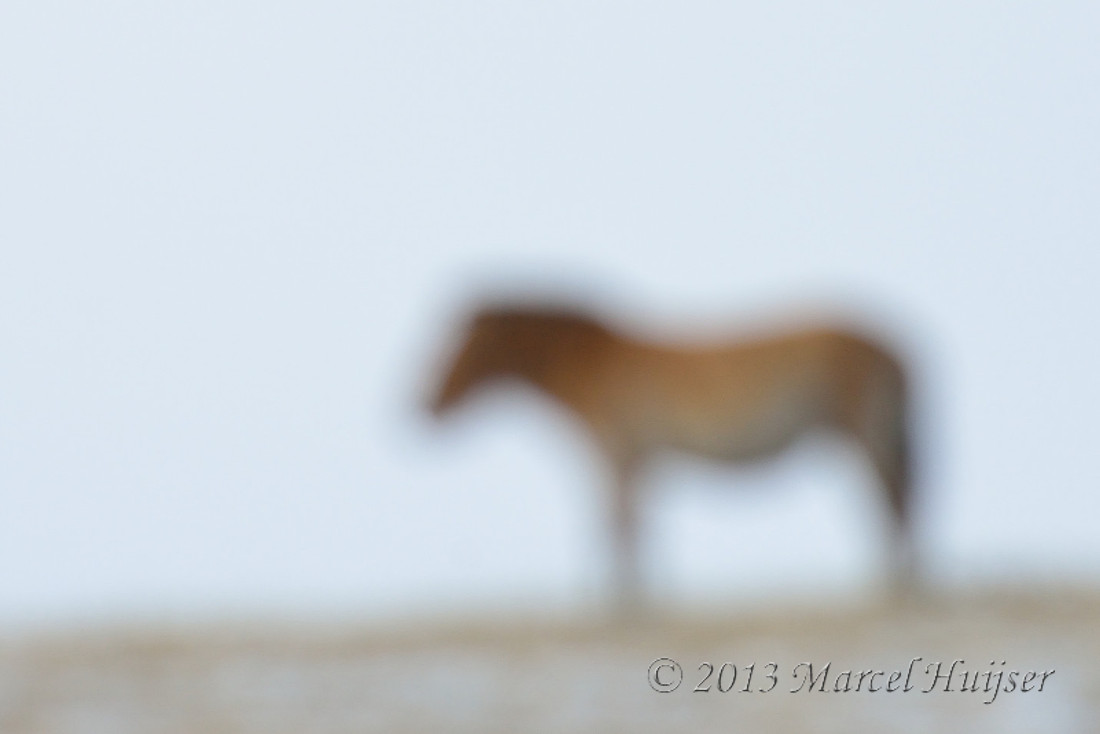
Asian wildlife: Mimicking ancient cave paintings of Takhi or Przewalski's horse, Mongolia
Asian wildlife: Mimicking ancient cave paintings of Takhi or Przewalski's horse (Equus ferus przewalskii), Hustai Nuruu National Park, Töv, Mongolia. I deliberately turned the focus ring so that the horse on the horizon would be out of focus. I have been playing with this concept a bit as I am trying to mimic ancient cave paintings and rock engravings of large mammals that are now extinct, such as the Tarpan in Europe. I think that turning the focus ring can distort the image just enough to make the animal look like a relic of times gone by... yet the Przewalksi's horse is still alive and kicking! :)
Click here for more info on Przewalski's horses.
Click here for images of the Takhi or Przewalski's horse. Click here for images of cinereous vultures. Click here for images of Siberian ibex. Click here for images of argali. Click here for images of Mongolian gazelles. Click here for wolf images. Click here for other images from Mongolia.
Like Marcel Huijser Photography on Facebook
All content © 2013 Marcel Huijser
A bit of help for National Geographic contest
So, I finally submitted a photo to a contest. If you like this image of the moon rolling down the hill too, you can help improve the chances of this image being selected as a winner by clicking on the link below and then clicking the facebook like button on the National Geographic website. The contest runs through 30 June 2013. Thanks!
http://travel.nationalgeographic.com/travel/traveler-magazine/photo-contest/2013/entries/205644/view/

Asian wildlife: Takhi or Przewalski's horse (Equus ferus przewalskii) on ridge, Mongolia
Asian wildlife: Takhi or Przewalski's horse (Equus ferus przewalskii) on ridge, Hustai Nuruu National Park, Töv, Mongolia.
Click here for more info on Przewalski's horses.
Click here for images of the Takhi or Przewalski's horse. Click here for images of cinereous vultures. Click here for images of Siberian ibex. Click here for images of argali. Click here for images of Mongolian gazelles. Click here for wolf images. Click here for other images from Mongolia.
Like Marcel Huijser Photography on Facebook
All content © 2013 Marcel Huijser