Marcel Huijser Photography Home
This is where I show the most recent images and talk about how they were made. The images typically relate to landscapes and wildlife, but I also blog about photos of highways and mitigation measures for wildlife or road ecology in general. Please contact me if you would like to use any of the images.
All content © Marcel Huijser
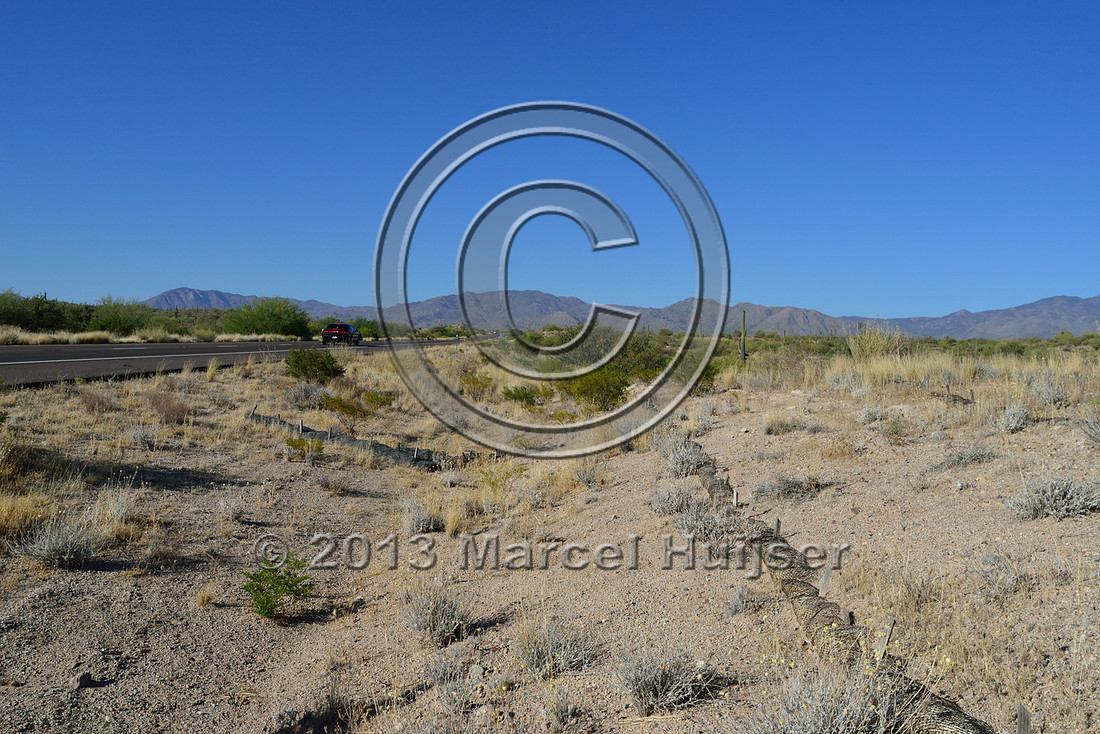
Road ecology blog: Straw fiber rolls to control erosion on a road cut, Hwy 87, Arizona, USA
Road ecology blog: Straw fiber rolls to control erosion on a road cut, Hwy 87, Arizona, USA.
Click here for more images of erosion and erosion control
Like Marcel Huijser Photography on Facebook
All content © 2013 Marcel Huijser

Road ecology blog: Vermilion Cliffs with Hwy 89A in foreground, Arizona, USA
Road ecology blog: Vermilion Cliffs with Hwy 89A in foreground, Arizona, USA
Click here for images of other roads and highways.
Like Marcel Huijser Photography on Facebook
All content © 2013 Marcel Huijser

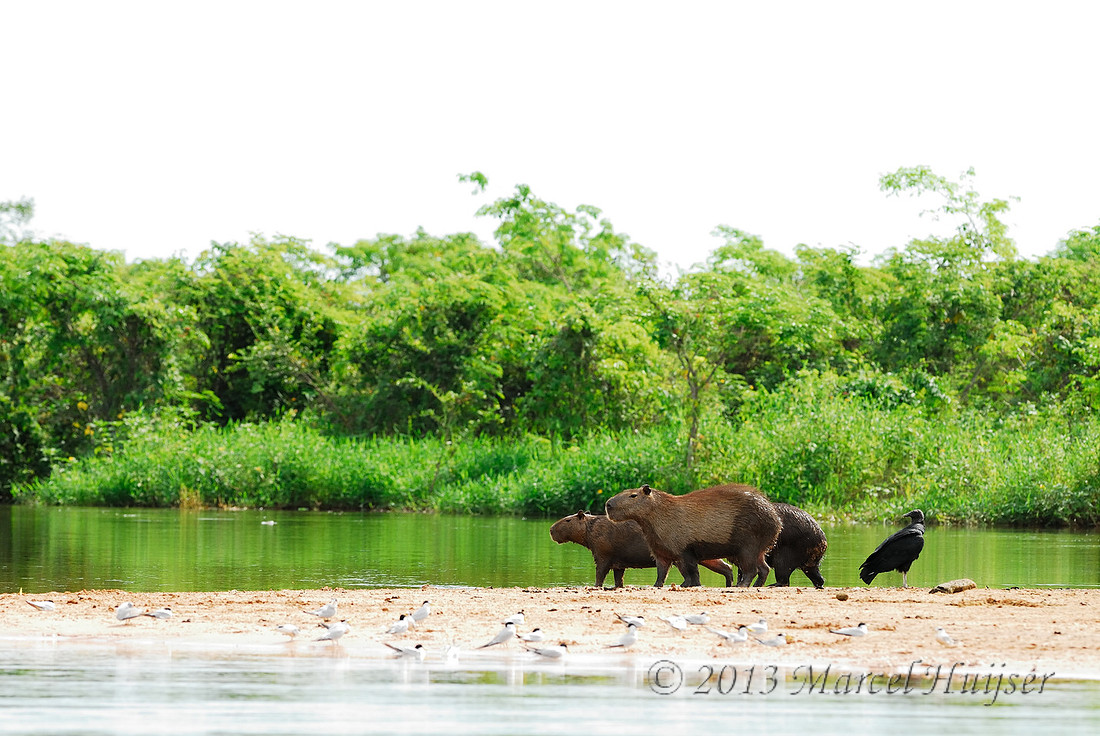
South American wildlife: Capybara and black vulture, Pantanal, Mato Grosso do Sul, Brazil
South American wildlife: Capybara (Hydrochoerus hydrochaeris) and black vulture (Coragyps atratus), Pantanal, Mato Grosso do Sul, Brazil.
Click here for other images from Brazil.
Like Marcel Huijser Photography on Facebook
All content © 2013 Marcel Huijser
Road ecology blog: Watch for animals, next 20 miles, NE of Phoenix, Arizona, USA
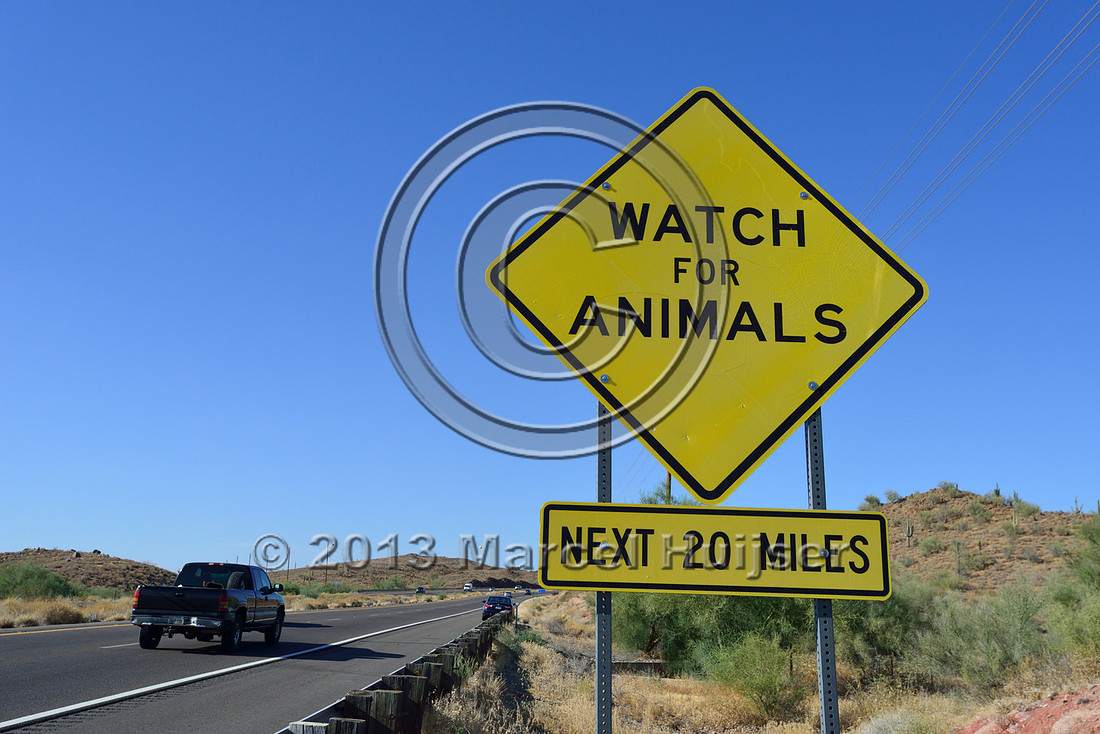
Road ecology blog: Wildlife warning sign, Watch for animals, next 20 miles, NE of Phoenix, Arizona, USA.
Click here for images of other wildlife warning signs.
Like Marcel Huijser Photography on Facebook
All content © 2013 Marcel Huijser
California landscapes: Tufas illumiated with red light, Mono Lake, California, USA
California landscapes: Tufas illumiated with red light, southern tufas, Mono Lake, California, USA.
Tufas illuminated with red light, South Tufa area, Mono Lake, California, USA. I stayed after sunset and painted the tufas red with a flashlight with a red filter while the shutter was open for several minutes. It is a strange landscape. You could be tricked in thinking it is on another planet. I think the red light enhances this sensation.
Tufas are formed when underwater springs rich in calcium mix with lake water rich in carbonates. As a result calcium carbonate-limestone is formed around the spring. In time the deposits grow into rocks and towers. This process only takes place underwater. The tufas at Mono Lake are exposed because water levels dropped after 1941 when water diversions began. Water levels were allowed to rise again since 1994, but they are still about 2 m (9 ft) below the goal.
Click here for more images from California.
Like Marcel Huijser Photography on Facebook
All content © 2013 Marcel Huijser

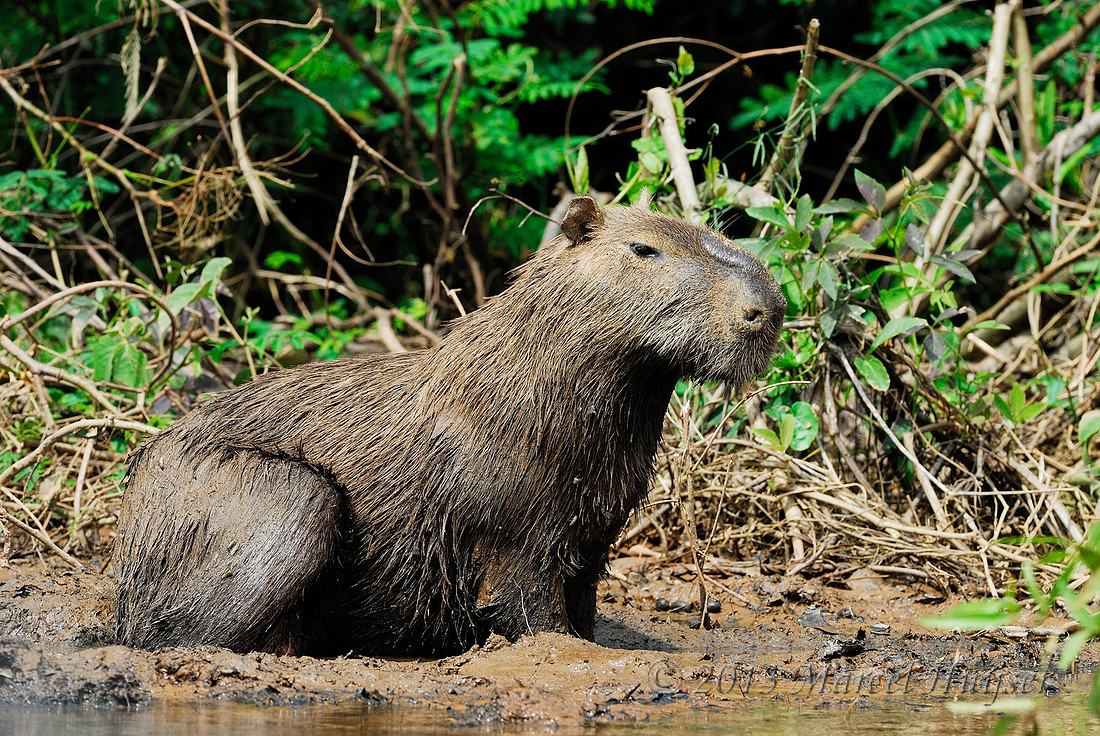
South American wildlife: Capybara in mud, Pantanal, Mato Grosso do Sul, Brazil
South American wildlife: Capybara (Hydrochoerus hydrochaeris) in mud, Pantanal, Mato Grosso do Sul, Brazil.
Click here for other images from Brazil.
Like Marcel Huijser Photography on Facebook
All content © 2013 Marcel Huijser
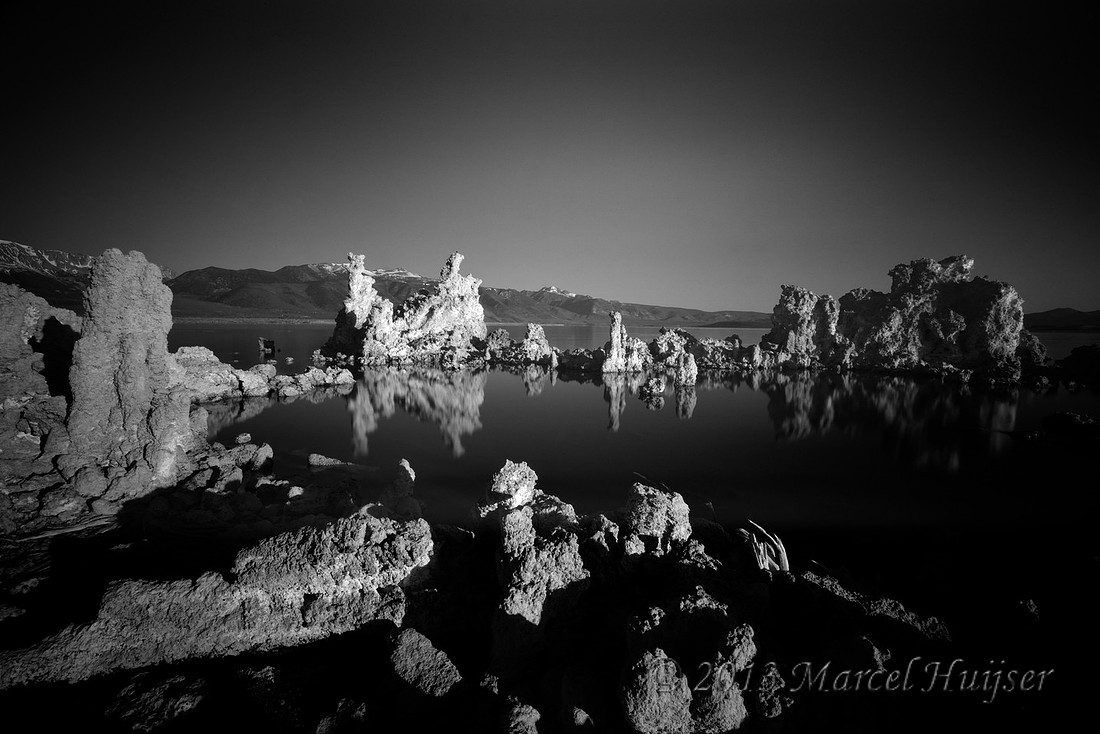
California landscapes: Tufas at Southern Tufas, Mono Lake, California, USA
California landscapes: Tufas at Southern Tufas, Mono Lake, California, USA.
Tufas at South Tufa area, Mono Lake, California, USA. I made this black and white image with a neutral density filter and long exposure time early in the morning. Tufas are formed when underwater springs rich in calcium mix with lake water rich in carbonates. As a result calcium carbonate-limestone is formed around the spring. In time, the deposits grow into rocks and towers. This process only takes place underwater. The tufas at Mono Lake are exposed because water levels dropped when water diversions began in 1941. Since 1994 water levels are allowed to rise again, but they are still about 2 m (9 ft) below the goal.
Click here for more images from California.
Like Marcel Huijser Photography on Facebook
All content © 2013 Marcel Huijser
Road ecology blog: The detection zone of an animal detection system, Arizona, USA
Road ecology blog: The detection zone or crossing areas associated with an animal detection and driver warning system at a fence end, S.R. 260 east of Payson, Arizona, USA. Warning sign and traffic. The fence is a 2.4 m (8 ft) high electric fence (Electrobraid™ / CrossTek™). The fence and animal detection system reduced elk-vehicle collisions by 97%.
Click here for other images of animal detection systems.
Like Marcel Huijser Photography on Facebook
All content © 2013 Marcel Huijser
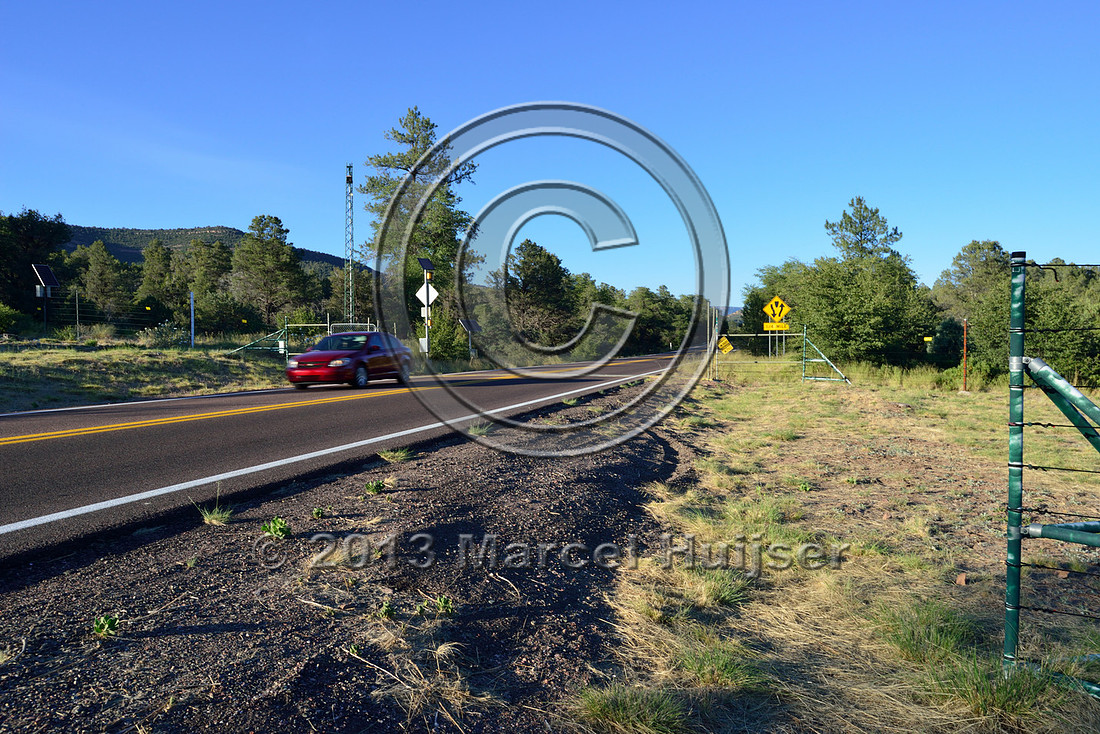 Image below: Detection area with sensors and cameras associated with an animal detection and driver warning system at a fence end, S.R. 260 east of Payson, Arizona, USA
 Image below: Camera tower associated with an animal detection and driver warning system at a fence end, S.R. 260 east of Payson, Arizona, USA
Road ecology blog: Animal detection and driver warning system, east of Payson, Arizona, USA
Road ecology blog: Animal detection and driver warning system at a fence end, S.R. 260 east of Payson, Arizona, USA. Warning sign and traffic. The fence is a 2.4 m (8 ft) high electric fence (Electrobraid™ / CrossTek™). The fence and animal detection system reduced elk-vehicle collisions by 97%.
Click here for other images of animal detection systems.
Like Marcel Huijser Photography on Facebook
All content © 2013 Marcel Huijser


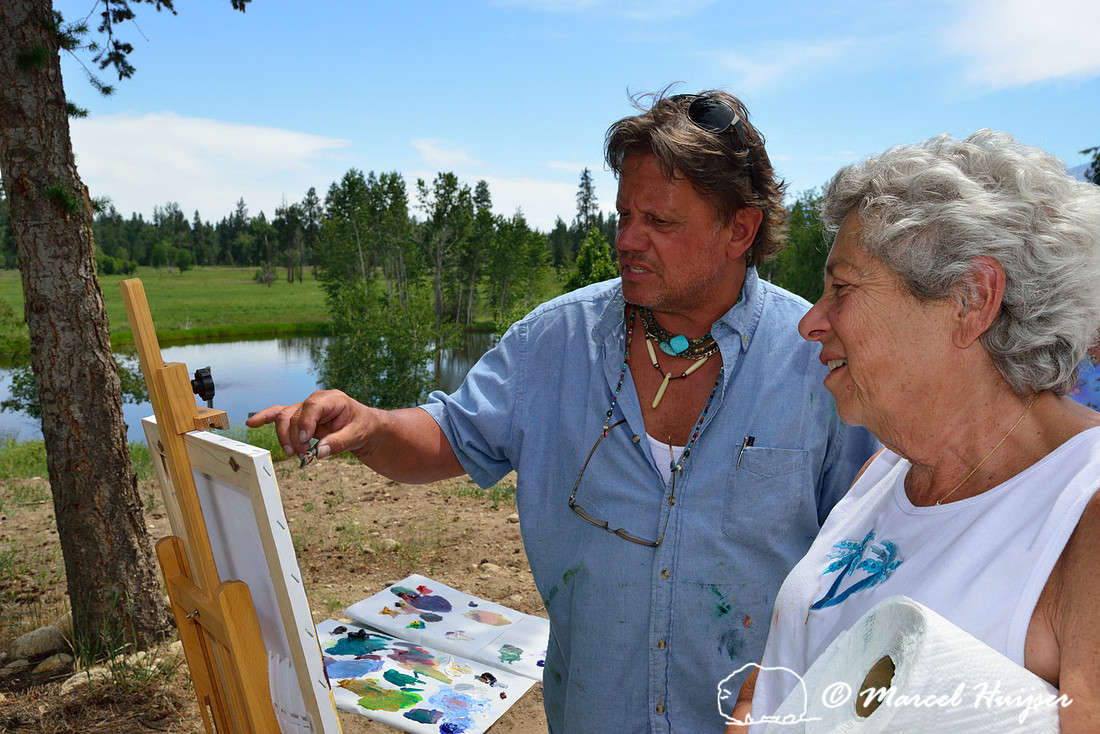
People and culture: Guido Frick instructs students, oil painting workshop, Montana, USA
North American culture: Guido Frick instructs students at an outdoor oil painting workshop in the Bitterroot Valley, south of Missoula, Montana, USA.
Click here for other images of North American culture.
Like Marcel Huijser Photography on Facebook
All content © 2013 Marcel Huijser
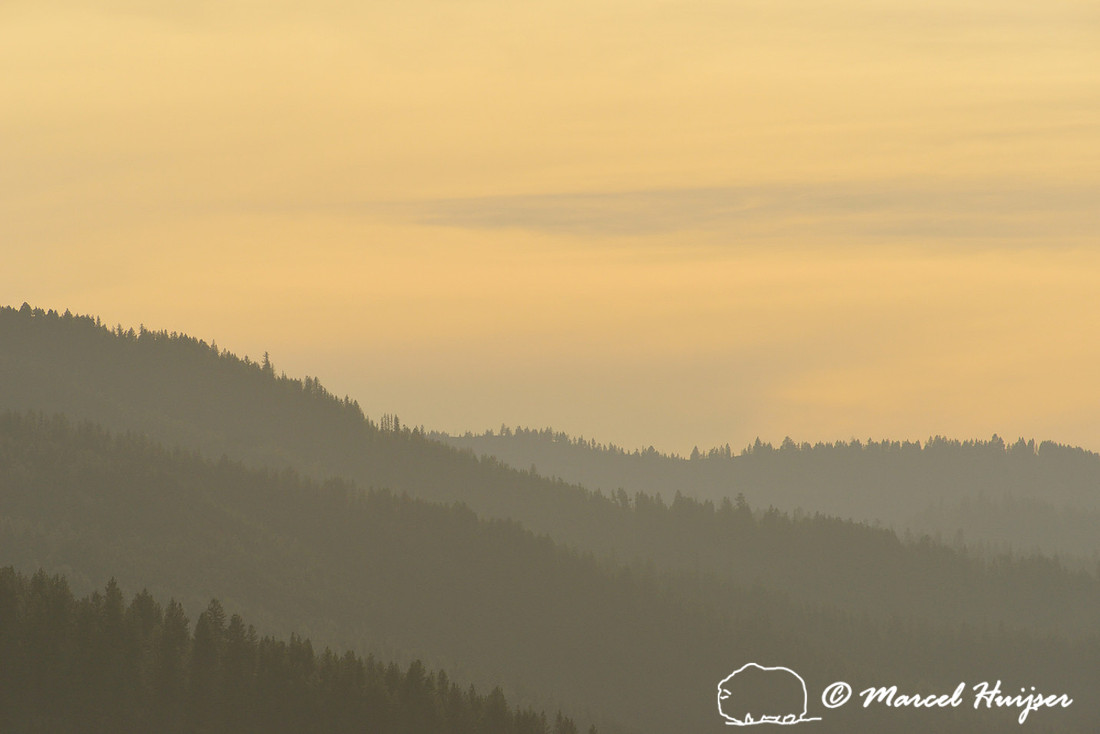
North American landscapes: Forested ridges at sunset, west of Missoula, Montana, USA
North American landscapes: Forested ridges at sunset, west of Missoula, Montana, USA.
Click here for other images of Rocky Mountain landscapes.
Like Marcel Huijser Photography on Facebook
All content © 2013 Marcel Huijser
North American culture: Fancy dancer, Arlee pow wow, Montana, USA
North American culture: Fancy dancer, Arlee pow wow, Flathead Indian Reservation, Montana, USA.
Click here for other images of North American culture.
Like Marcel Huijser Photography on Facebook
All content © 2013 Marcel Huijser

North American culture: Eagle feather fan, Pow Wow in Arlee, Montana, USA
North American culture: Native American woman with eagle feather fan, Pow Wow in Arlee, Flathead Indian Reservation, Montana, USA.
Click here for other images of North American culture.
Like Marcel Huijser Photography on Facebook
All content © 2013 Marcel Huijser

North American culture: Tipis at the Pow wow in Arlee, Montana, USA
North American culture: Tipis at the Pow wow in Arlee on the Flathead Indian Reservation, Montana, USA. The evening clouds just after sunset provided a dramatic background for the tipis. The Rattlesnake Mountains are in the background.
Click here for other images of North American culture.
Like Marcel Huijser Photography on Facebook
All content © 2013 Marcel Huijser

Road ecology blog: possible wolf roadkill in Netherlands
An large canid, possibly a wolf, was killed by a car in The Netherlands last Wednesday night. DNA samples will be analyzed to investigate whether it is a true wolf and where it may have come from. Wolves have been sighted a few times in the Netherlands over the last few years after an absence of more than one hundred years. http://nos.nl/artikel/526336-mogelijk-wolf-doodgereden.html
Updates: In August 2013 it was announced that, based on DNA it was indeed a pure wolf (not a wolf-dog) and that its DNA is most closely related to that of wolves from eastern Europe. However, in October 2013 an additional investigation showed that there were bullet fragments in the wolf that were missed during the initial investigation. While the newspaper articles remain unclear about whether the wolf died or is likely to have died as a result of these bullet wounds, it does cast a serious doubt on the hypothesis that the wolf traveled to The Netherlands on its own and was then killed by a car. It may well be that people shot and killed the wolf in eastern Europe, transported the carcass to The Netherlands, and deposited it along a road as a prank.
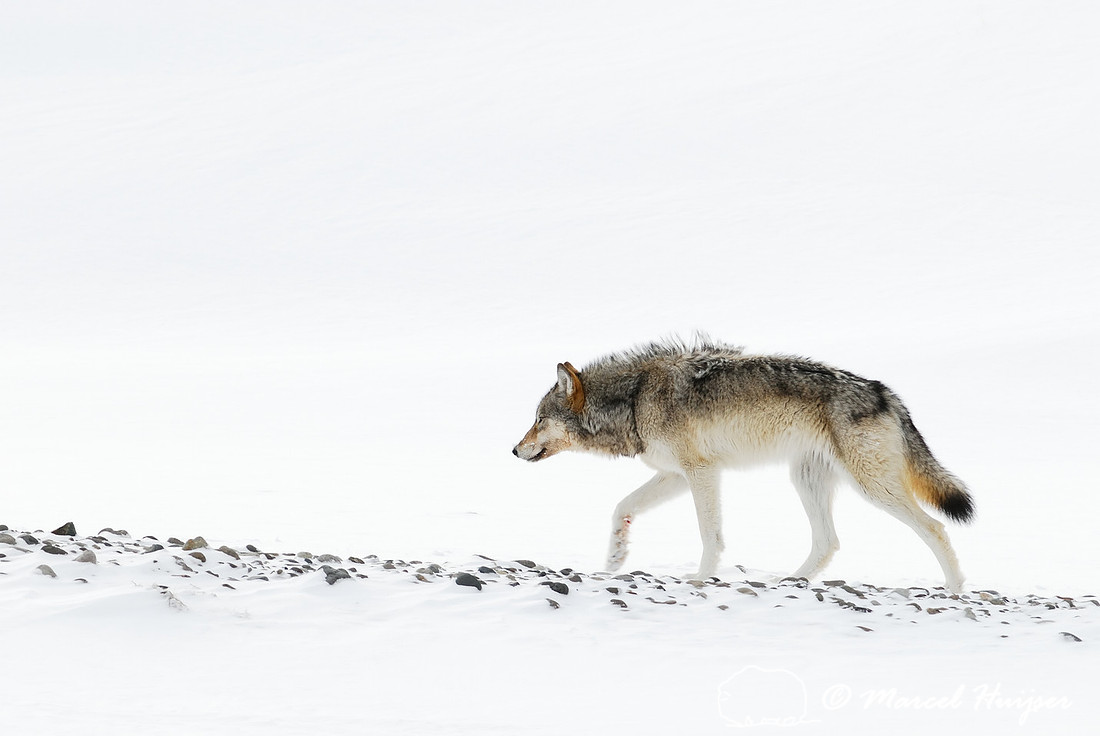
Here is an image of a wolf I saw in the Northern Rockies in the USA: