
Marcel Huijser Photography Home
This is where I show the most recent images and talk about how they were made. The images typically relate to landscapes and wildlife, but I also blog about photos of highways and mitigation measures for wildlife or road ecology in general. Please contact me if you would like to use any of the images.
All content © Marcel Huijser
Road ecology blog: Speed reduction, radar, rumble strips, wildlife warning signs, Brazil
Highway RS-486 bisects a forest remnant (Reserva Biológica Mata Paludosa), Rio Grande do Sul, Brazil. The posted speed limit has been reduced to 40 km/h and this enforced by a fixed location radar post. Additional measures include a wildlife warning sign and rumble strips. The rumple strips leave a narrow smooth path on the pavement for the vehicle tires.
Image below: Posted speed limit reduced to 40 km per h in road section (RS-486) through biological reserve (Reserva Biológica Mata Paludosa), Rio Grande do Sul, Brazil.


Image below: Fixed location automated speed radar to enforce posted speed limit reduction to 40 km per h in road section (RS-486) through biological reserve (Reserva Biológica Mata Paludosa), Rio Grande do Sul, Brazil

Image below: Wildlife warning sign, Attention, Animals crossing the road, RS-486, Reserva Biológica Mata Paludosa, Rio Grande do Sul, Brazil

Images below: Rumble strip with limited smooth surface for the vehicle tires designed to reduce vehicle speed, RS-486, Reserva Biológica Mata Paludosa, Rio Grande do Sul, Brazil


Images below: Speed limit reduction to 40 km per h painted on pavement, RS-486, Reserva Biológica Mata Paludosa, Rio Grande do Sul, Brazil


Click here to view more images of traffic calming measures.
Like Marcel Huijser Photography on Facebook
All content © 2015 Marcel Huijser
Brazilian birds: various rare and endangered species, Rio Grande do Sul, Brazil
Brazilian birds: various rare and endangered species, Parque Nacional Aparados da Serra, Rio Grande do Sul, Brazil
Image below: Black-bellied seedeater (Sporophila melanogaster), Parque Nacional Aparados da Serra, Rio Grande do Sul, Brazil (near threatened (IUCN, 2015).
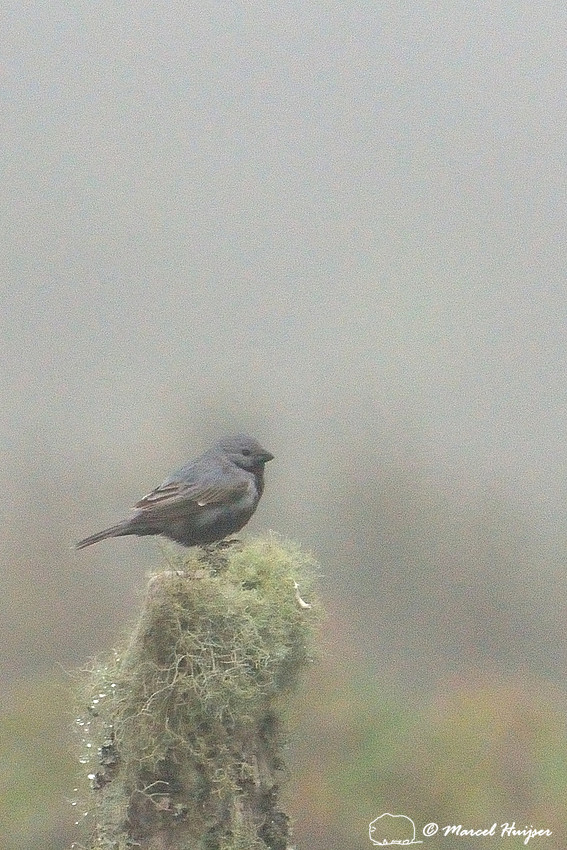
Image below: Black-and-white monjita (Xolmis dominicanus), Parque Nacional Aparados da Serra, Rio Grande do Sul, Brazil (vulnerable, IUCN 2015)

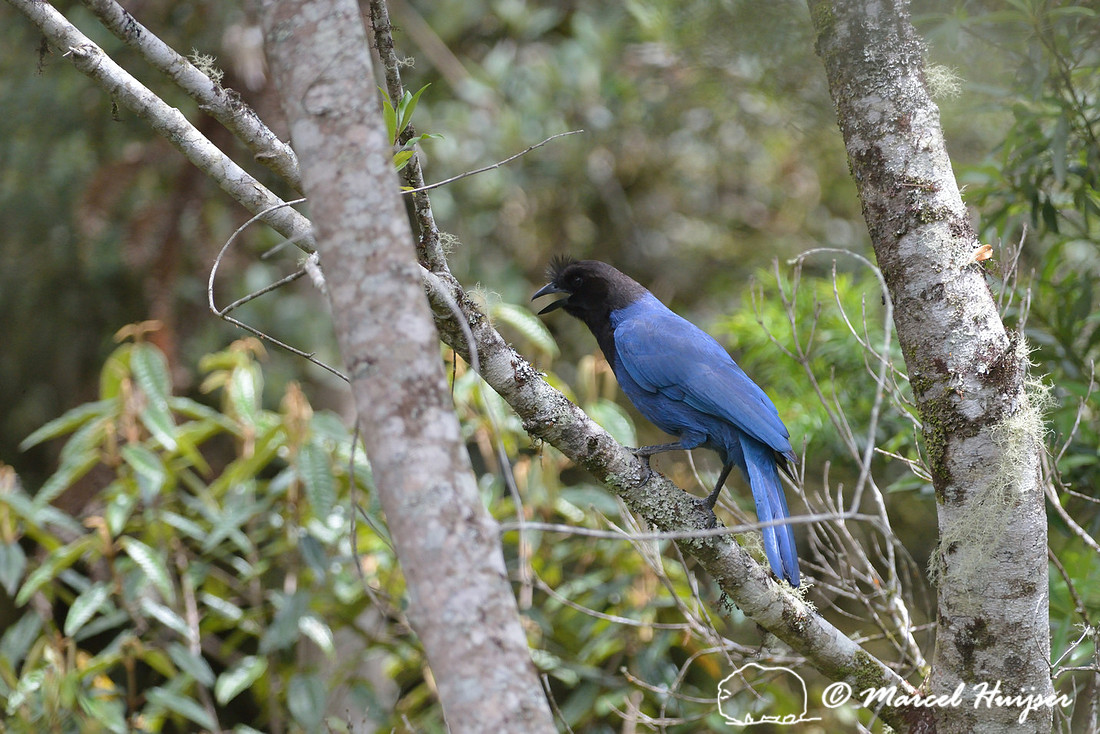
Images below: Azure jay (Cyanocorax caeruleus), Parque Nacional Aparados da Serra, Cânion Itaimbezinho, Rio Grande do Sul, Brazil (near Threatened, IUCN 2015)

Click here for more images of Parque Nacional de Aparados da Serra.
Some large format prints (limited edition) are now for sale at Freshwater Studio & Gallery in Missoula, Montana.
Like Marcel Huijser Photography on Facebook
All content © 2015 Marcel Huijser
Road ecology blog: White-eared opossum roadkill with dead young, Rio Grande do Sul, Brazil
Road ecology blog: White-eared opossum (Didelphis albiventris) roadkill with dead young, Rio Grande do Sul, Brazil. Opossums do have a placenta, but the young are born at a very early stage of development. The young find their way to the marsupium (pouch) where they latch on to a teat. In the images below the young have crawled out of the marsupium looking for warmth and milk, presumably shortly after the mother was struck by a vehicle and died. The young had no chance for survival, obviously, and died as well.
Click here for other images of animals that were killed by cars.
Click here for other images of animals alive on or near roads.
Some large format prints (limited edition) are now for sale at Freshwater Studio & Gallery in Missoula, Montana.
Like Marcel Huijser Photography on Facebook
All content © 2015 Marcel Huijser


Brazilian birds: Swallow-tailed kite, west of Praia Grande, Santa Catarina, Brazil
Brazilian birds: Swallow-tailed kite (Elanoides forficatus), west of Praia Grande, Santa Catarina, Brazil.
Click here for more images of Parque Nacional de Aparados da Serra.
Some large format prints (limited edition) are now for sale at Freshwater Studio & Gallery in Missoula, Montana.
Like Marcel Huijser Photography on Facebook
All content © 2015 Marcel Huijser

Brazilian birds: Pampa finch, Parque Nacional Aparados da Serra, Rio Grande do Sul, Brazil
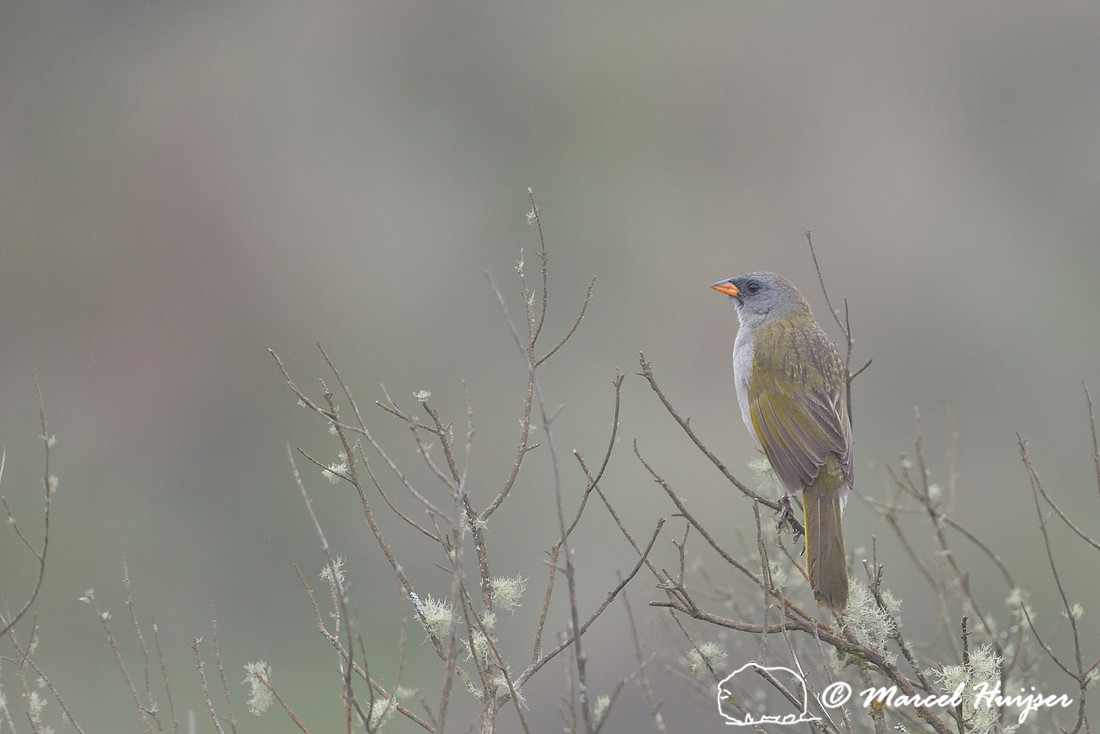
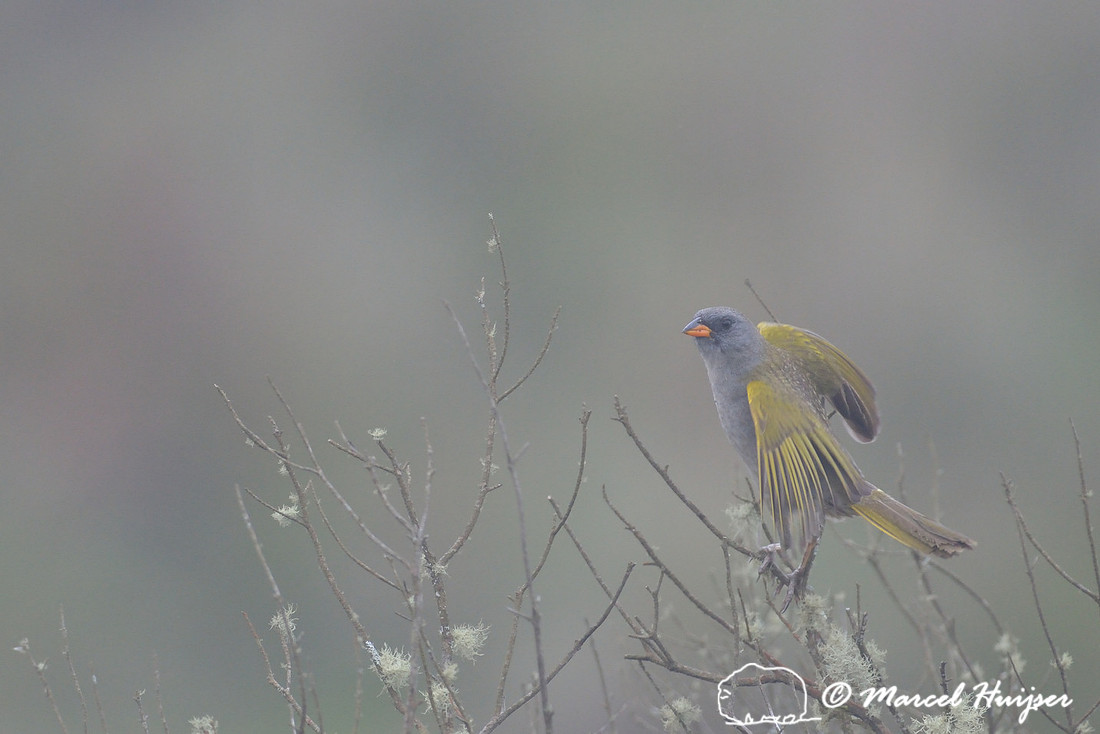
Brazilian birds: Pampa finch (Embernagra platensis), Parque Nacional Aparados da Serra, Rio Grande do Sul, Brazil.
Click here for more images of Parque Nacional de Aparados da Serra.
Click here for more images of pampa finches.
Some large format prints (limited edition) are now for sale at Freshwater Studio & Gallery in Missoula, Montana.
Like Marcel Huijser Photography on Facebook
All content © 2015 Marcel Huijser
Road ecology blog: Tunnel (landscape bridge), Rio Grande do Sul, Brazil
Road ecology blog: Tunnel (landscape bridge) Morro Alto (1837 m long), BR 101, near Aguapés, Rio Grande do Sul, Brazil.
There are no strict rules on how to classify a wildlife crossing structure. However, "wildlife overpasses" tend to be specifically build to allow wildlife to pass to the other side of the road. The dimensions and "furniture" (e.g. soil, cover, vegetation, ponds on either side) of a wildlife overpass are typically designed with certain "target species" in mind. The appropriate width of the structure (i.e. the road length covered by the structure) is often a topic of discussion, but most structures are between 30-70 m wide. While most wildlife overpasses do have soil and vegetation, they tend to not be designed to have a wide range of ecosystem processes continue across the road. Ecosystem processes may not only include movements of a wide variety of plant and animal species groups representative for the ecosystem, but also soil and hydrology processes.
Long road tunnels and long bridges (elevated roadways) are typically several hundreds of meters up to several kilometers wide (i.e. the road length covered or spanned by the structure). They have relatively "undisturbed" soil and water on top or below the structure which make them better suited to have ecosystem processes continue under or over the road compared to wildlife overpasses. In this context these large structures can be regarded as a "landscape bridge" rather than just a wildlife crossing structure. However, long tunnels or bridges tend to be primarily build for other reasons (e.g. a mountain or floodplain is in the way of the road). While most long tunnels or elevated roadways are not primarily designed for ecological processes to continue over or under the road, they do have great potential to function as a landscape bridge.
For images of landscape bridges or elevated roadways over long distances click here.
For images of wildlife overpasses click here.
Like Marcel Huijser Photography on Facebook
All content © 2015 Marcel Huijser


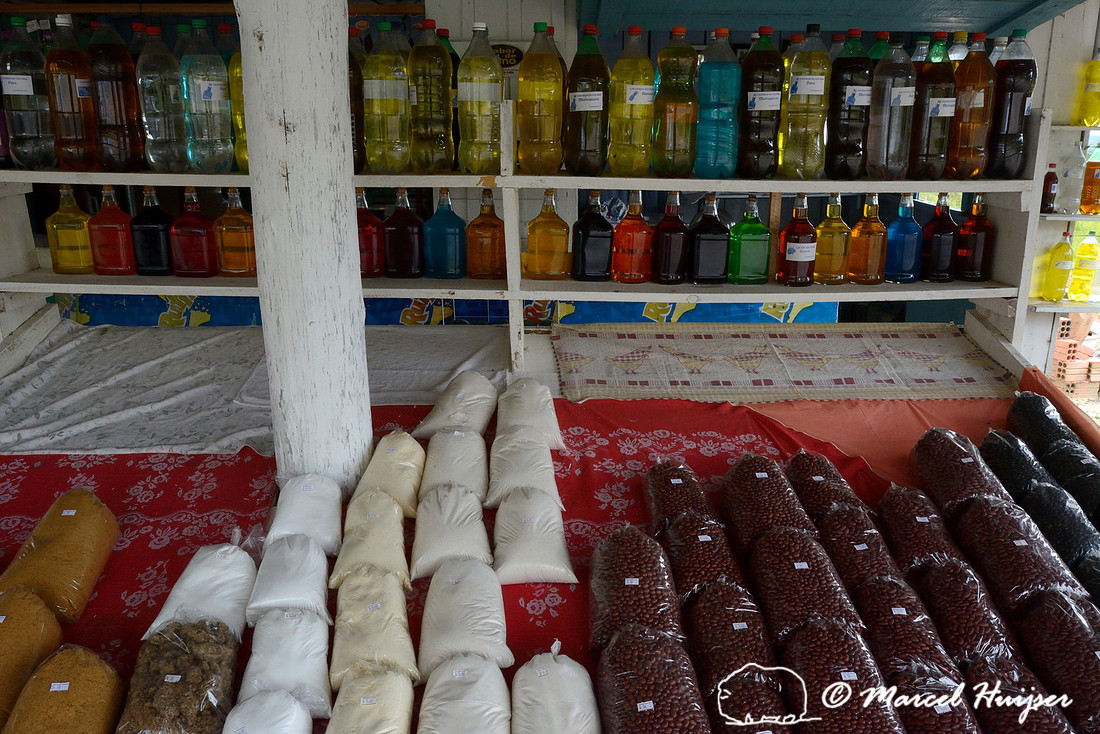
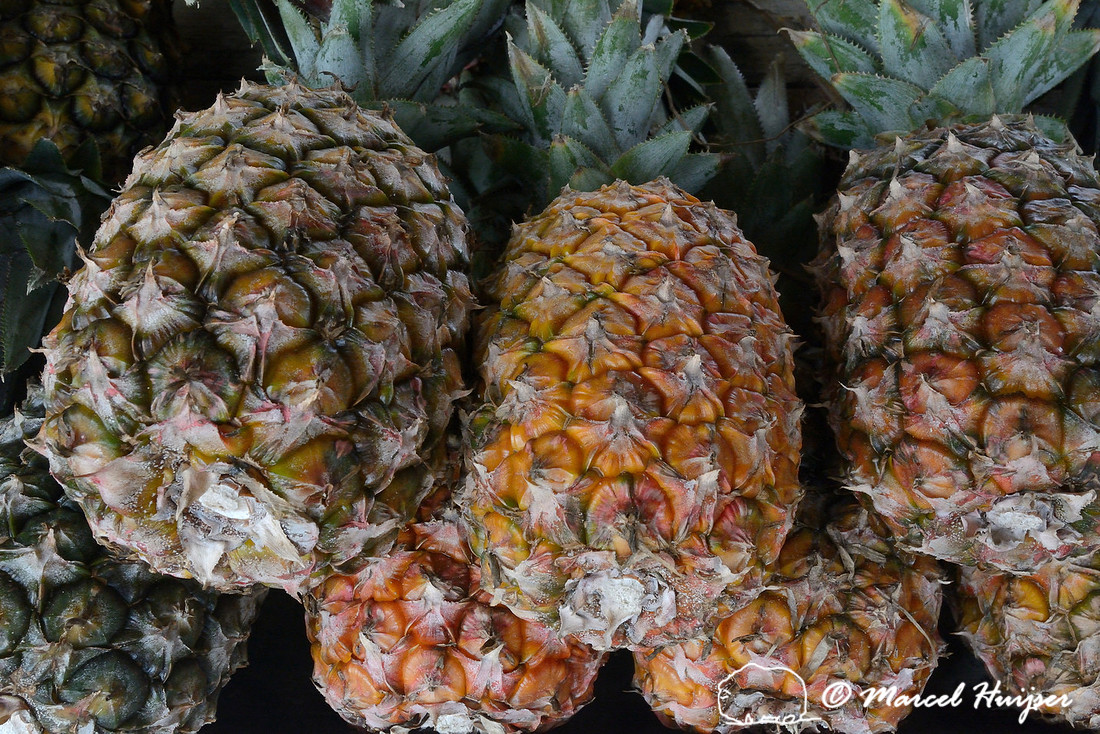
Brazil: Food, and homemade Cachaça, roadside stand, Rio Grande do Sul
Brazil: Beans, pineapple, other food, and homemade Cachaça (made from sugarcane juice), roadside stand, Rio Grande do Sul.
Click here for more images of Parque Nacional de Aparados da Serra.
Some large format prints (limited edition) are now for sale at Freshwater Studio & Gallery in Missoula, Montana.
Like Marcel Huijser Photography on Facebook
All content © 2015 Marcel Huijser
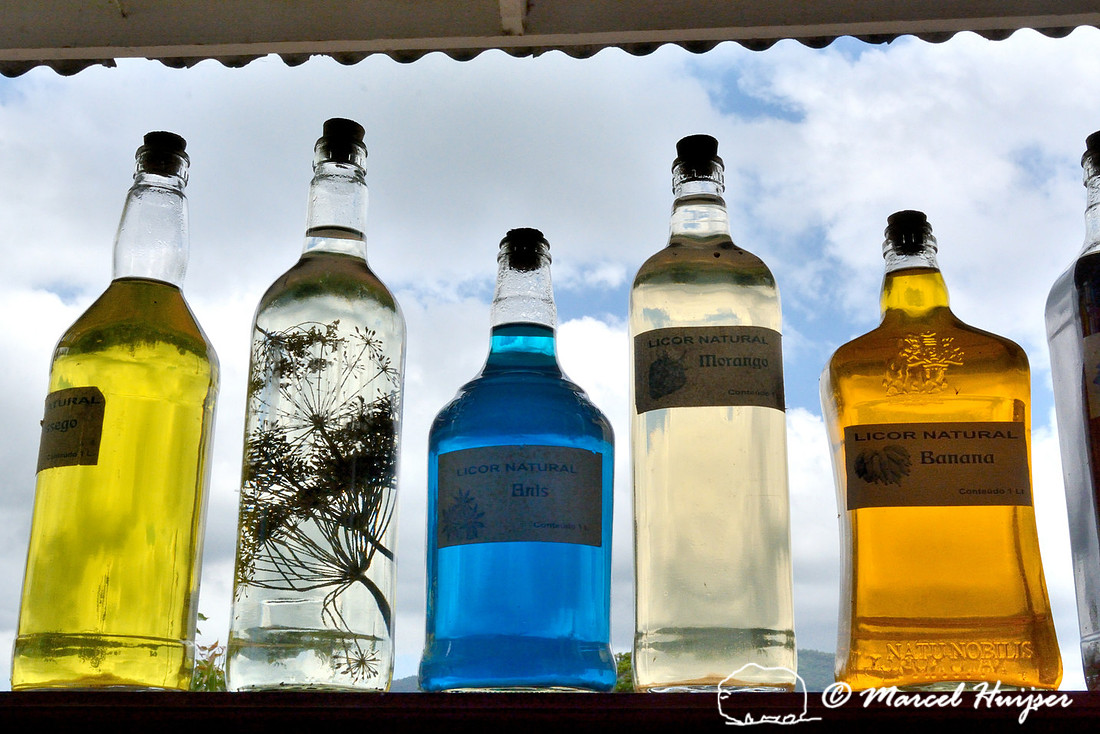
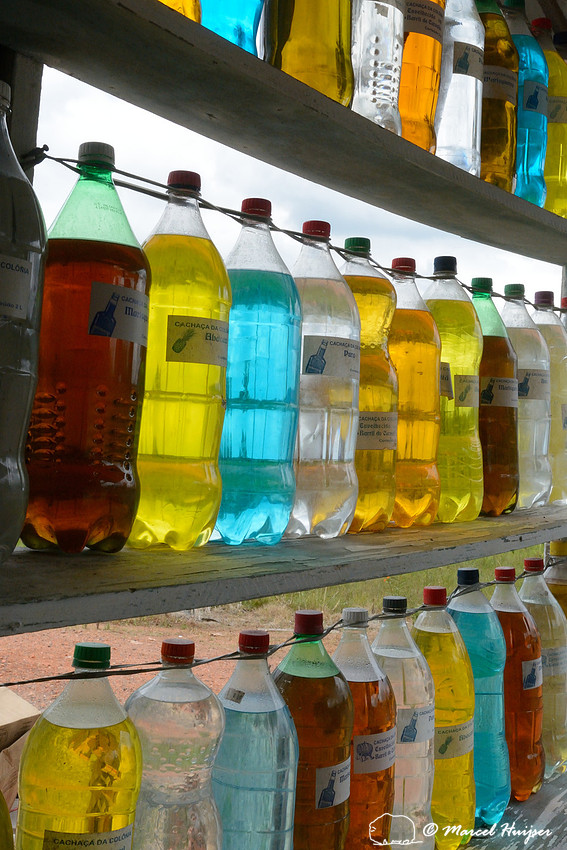
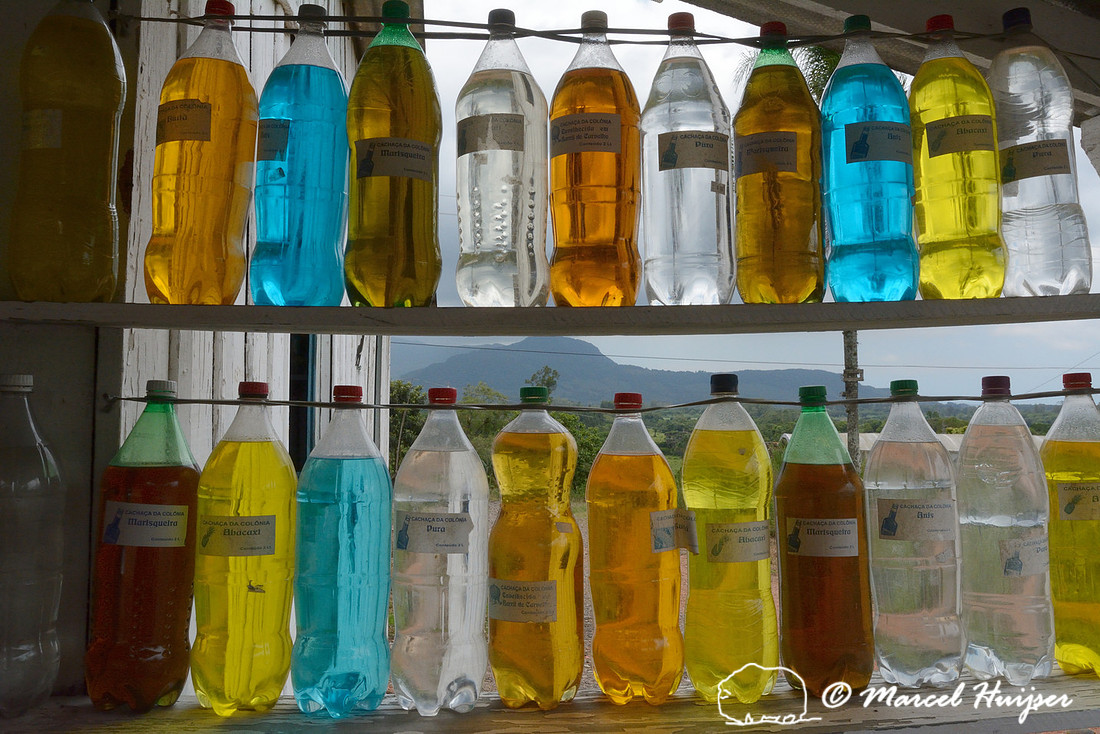
Brazil: Homemade cachaça (made from sugarcane juice), roadside stand, Rio Grande do Sul
Brazil: Homemade cachaça (made from sugarcane juice), roadside stand, Rio Grande do Sul.
Click here for more images of Parque Nacional de Aparados da Serra.
Some large format prints (limited edition) are now for sale at Freshwater Studio & Gallery in Missoula, Montana.
Like Marcel Huijser Photography on Facebook
All content © 2015 Marcel Huijser
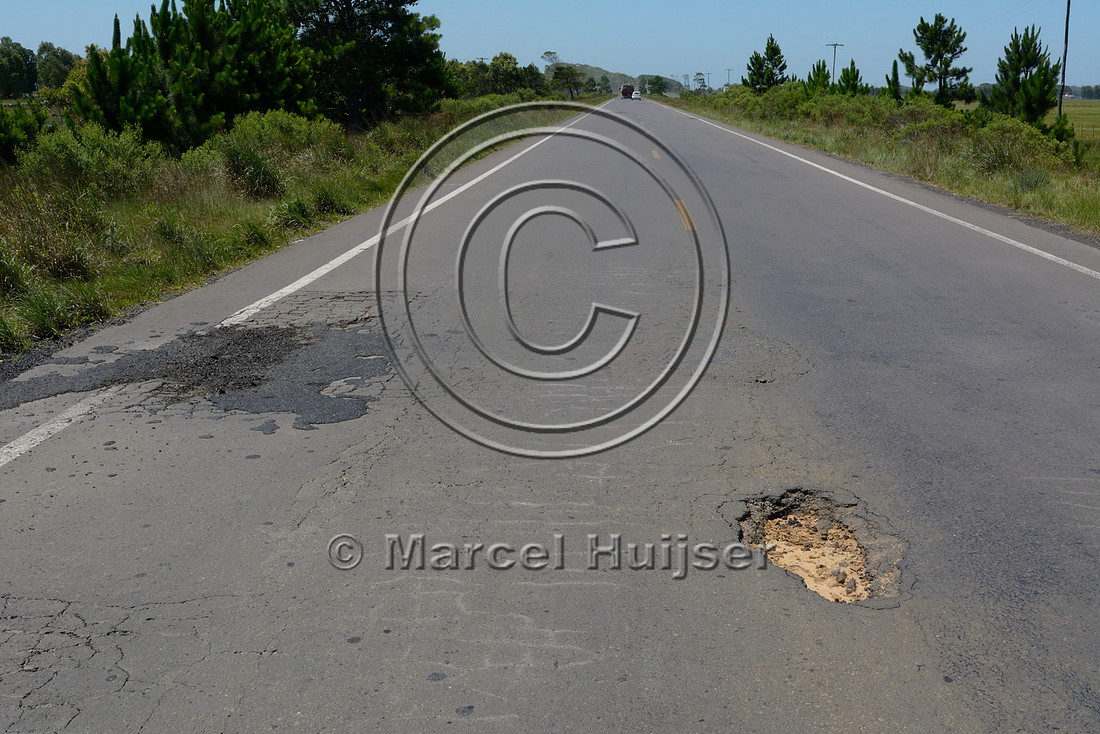
Road ecology blog: Potholes in the road, Rio Grande do Sul, Brazil
Road ecology blog: Potholes in the road, BR 101 Rodovia do Mercosul, Rio Grande do Sul, Brazil.
Click here for other images of roads and highways.
Click here for more images of erosion and erosion control measures.
Like Marcel Huijser Photography on Facebook
All content © 2015 Marcel Huijser
Inspecting dead marine wildlife on beach, Brazil
Inspecting dead marine wildlife on beach, Parque Nacional da Lagoa do Peixe, Rio Grande do Sul, Brazil.
Click here for more images of Parque Nacional da Lagoa do Peixe.
Some large format prints (limited edition) are now for sale at Freshwater Studio & Gallery in Missoula, Montana.
Like Marcel Huijser Photography on Facebook
All content © 2015 Marcel Huijser
Images below: Dead sea turtle is marked to avoid double counting, Parque Nacional da Lagoa do Peixe, Rio Grande do Sul, Brazil.
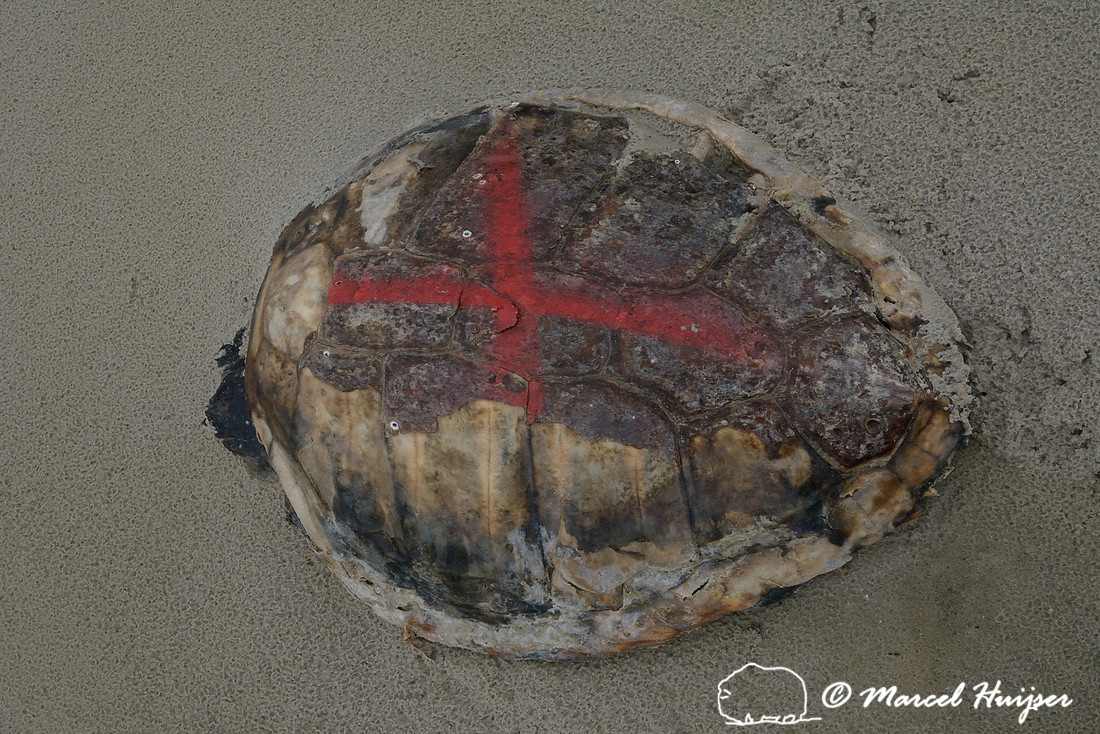
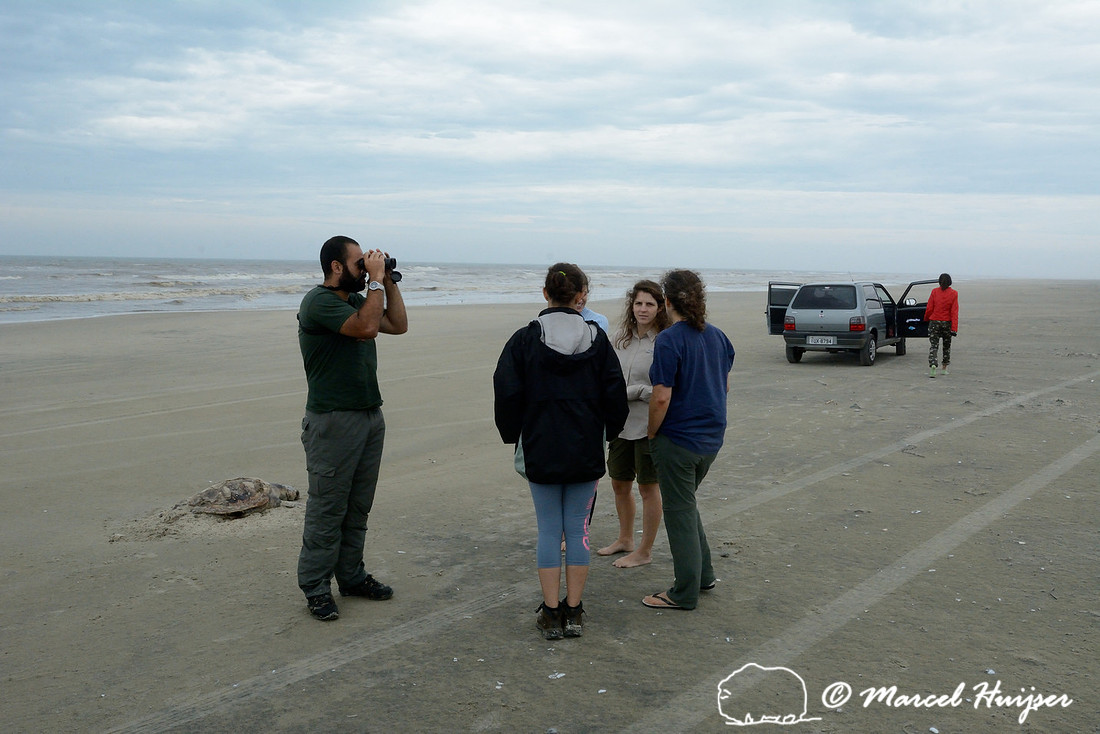
Image below: Inspecting a dead sea lion on beach, Parque Nacional da Lagoa do Peixe, Rio Grande do Sul, Brazil
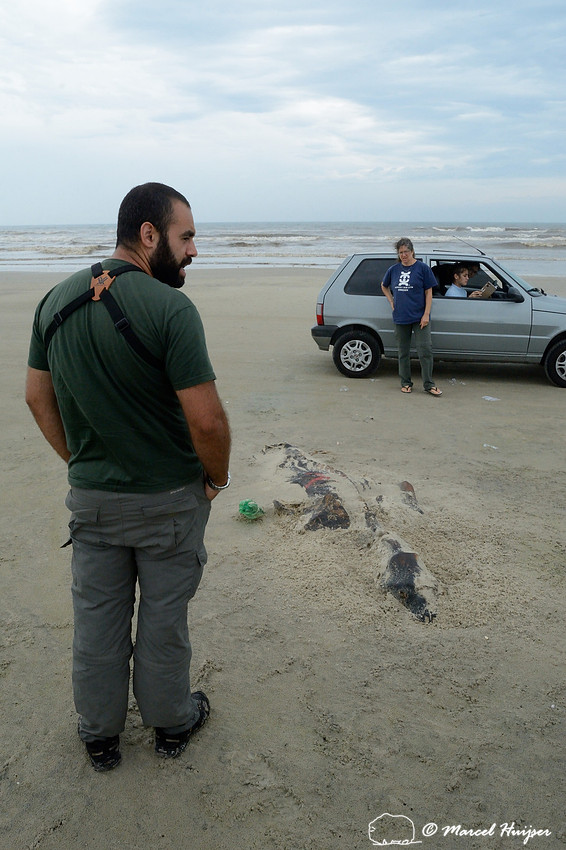
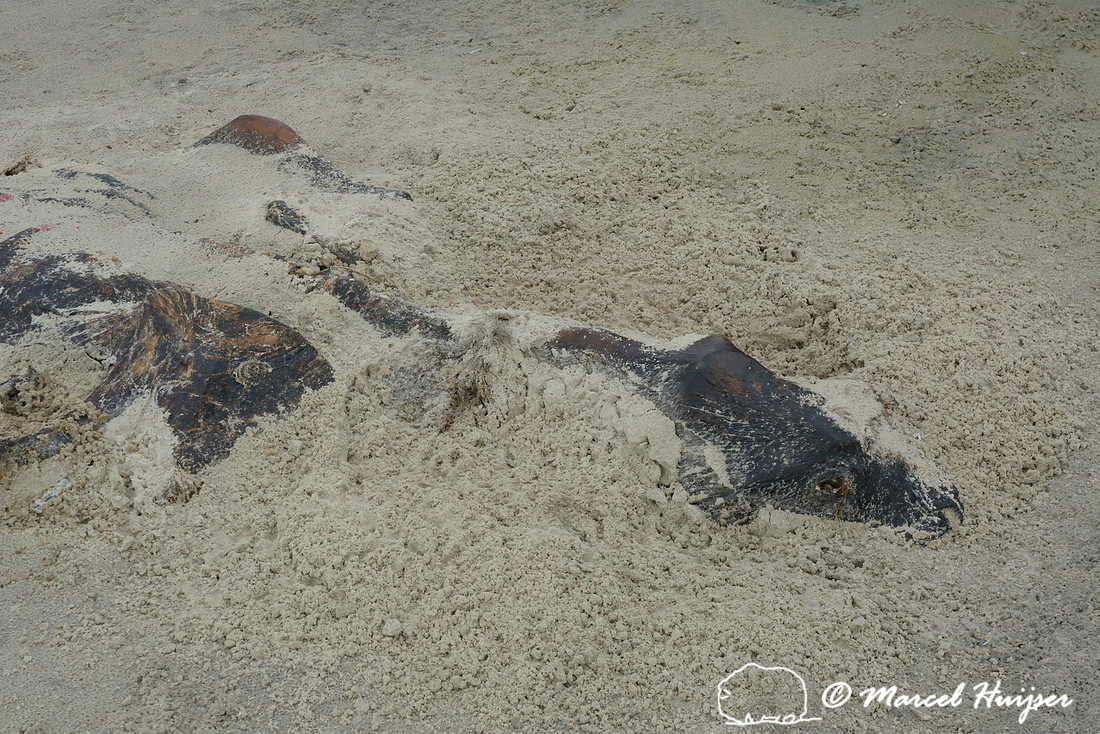
Image below: Dead dolphin, Parque Nacional da Lagoa do Peixe, Rio Grande do Sul, Brazil

Last rites
Last rites.
Diogenes Borges Machado identifies dead shorebird, Parque Nacional da Lagoa do Peixe, Rio Grande do Sul, Brazil.
Click here for more images of Parque Nacional da Lagoa do Peixe.
Some large format prints (limited edition) are now for sale at Freshwater Studio & Gallery in Missoula, Montana.
Like Marcel Huijser Photography on Facebook
All content © 2015 Marcel Huijser


Road ecology blog: Crab-eating fox roadkills, Rio Grande do Sul, Brazil
Road ecology blog: Crab-eating fox (Cerdocyon thous) roadkills, BR 101, south of Mostardas, Rio Grande do Sul, Brazil.
Click here for other images of animals that were killed by cars.
Click here for other images of animals alive on or near roads.
Some large format prints (limited edition) are now for sale at Freshwater Studio & Gallery in Missoula, Montana.
Like Marcel Huijser Photography on Facebook
All content © 2015 Marcel Huijser


Brazilian landscapes: Coastal dune forest, Rio Grande do Sul, Brazil
Brazilian landscapes: Coastal dune forest with cacti and beard mosses, near Mostardas, Rio Grande do Sul, Brazil.
Click here for more images of Parque Nacional da Lagoa do Peixe.
Some large format prints (limited edition) are now for sale at Freshwater Studio & Gallery in Missoula, Montana.
Like Marcel Huijser Photography on Facebook
All content © 2015 Marcel Huijser


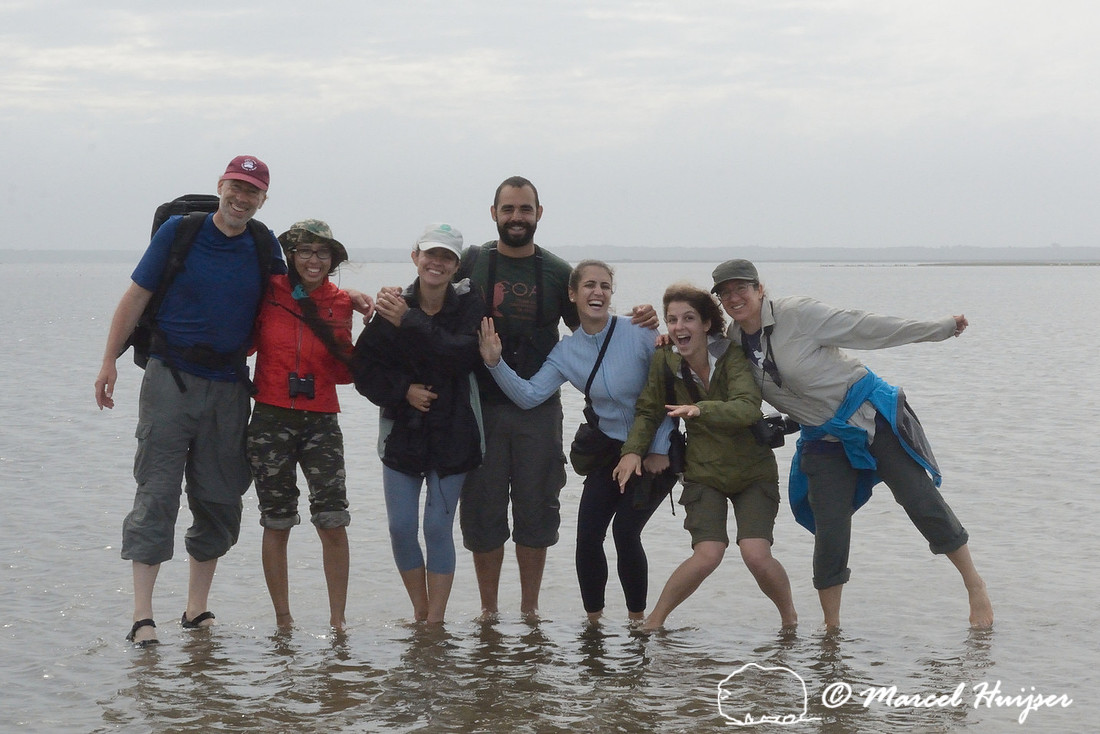
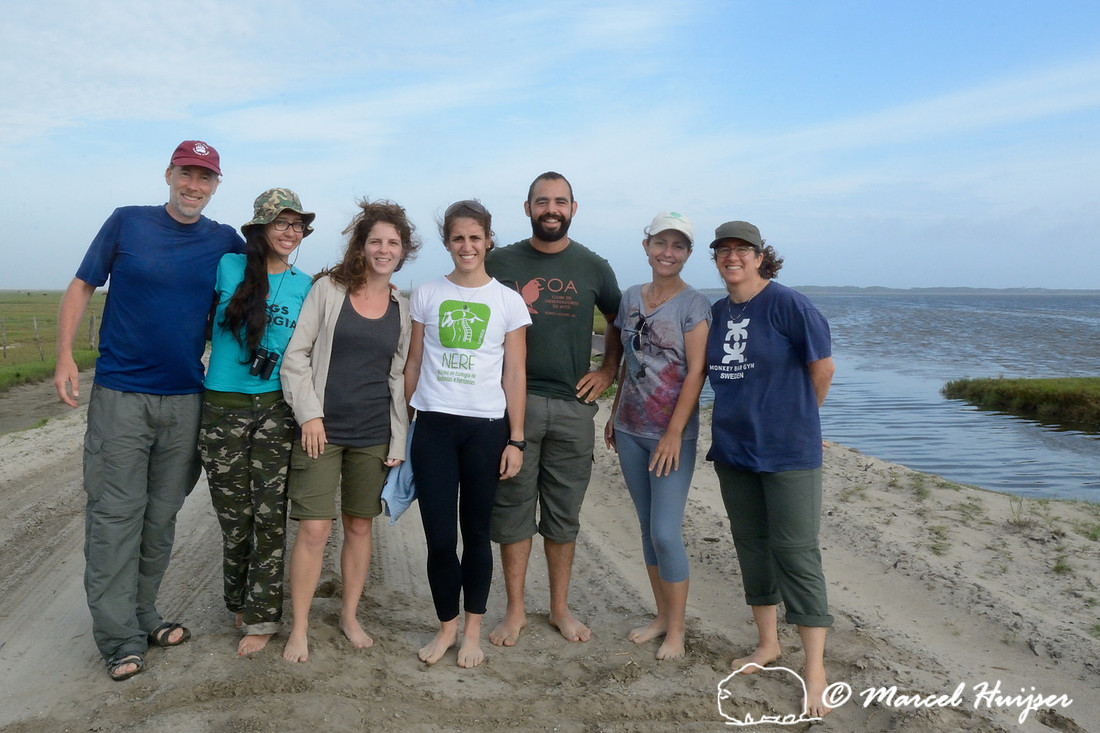
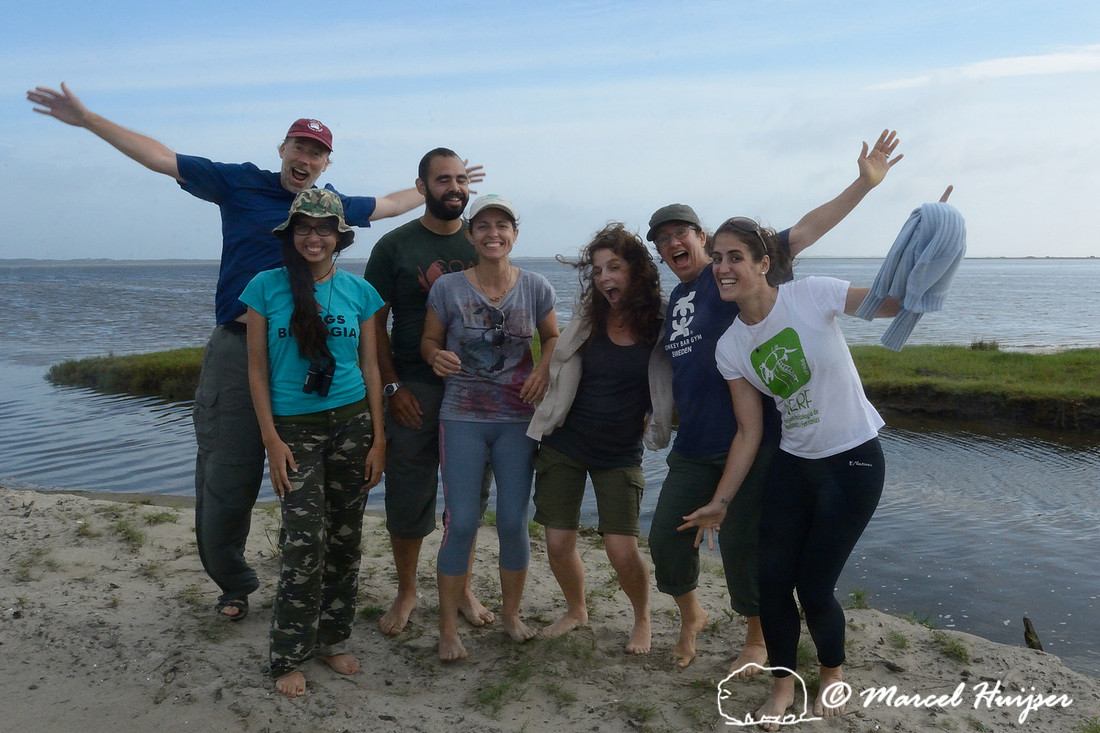
Researchers: NERF (UFRGS) excursion to Lagoa do Peixe, Rio Grande do Sul, Brazil
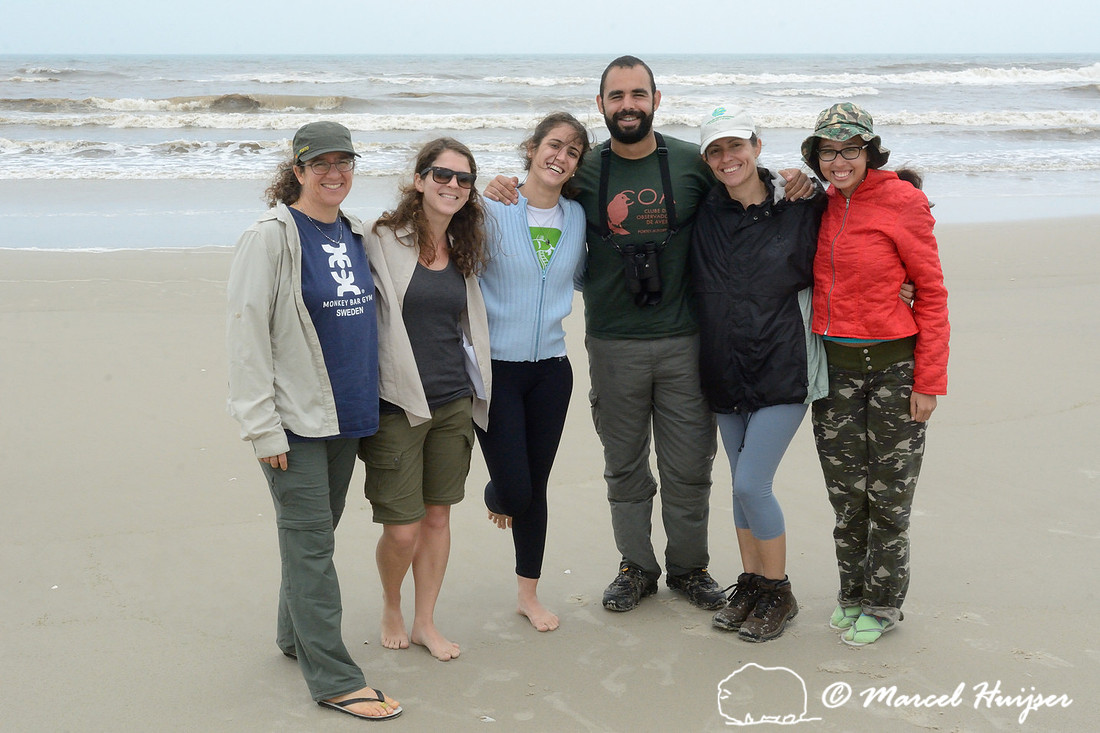
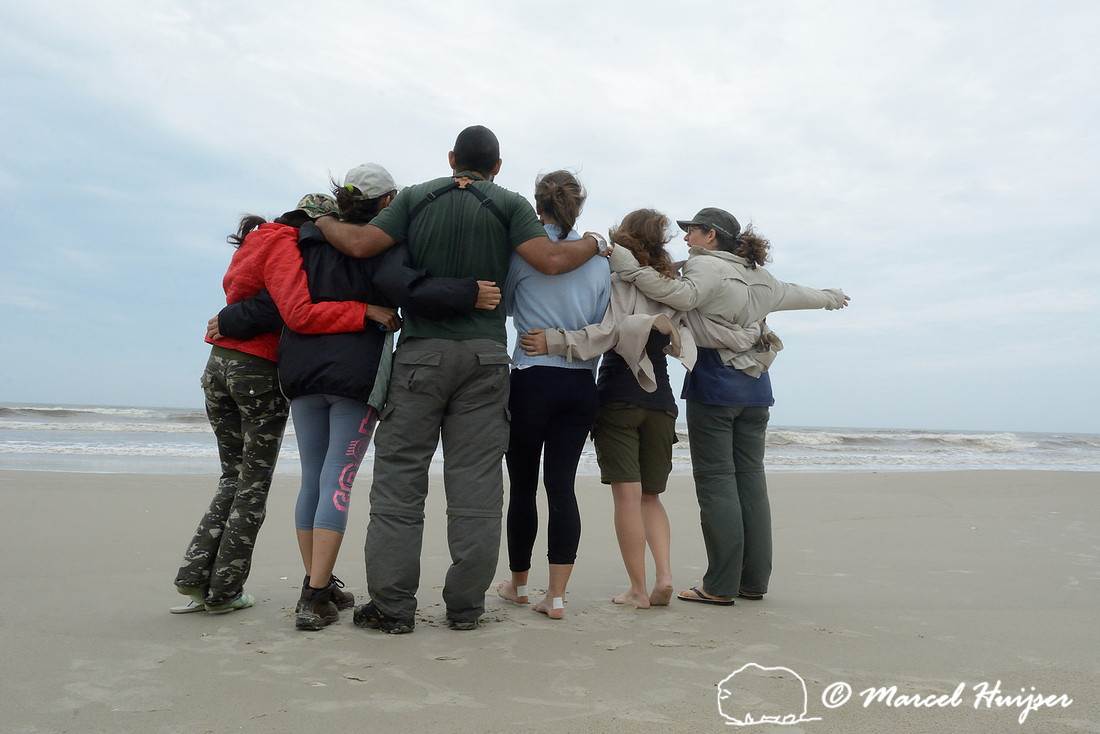
NERF research group excursion to Lagoa do Peixe, Rio Grande do Sul, Brazil
NERF (Núcleo de Ecologia de Rodovias e Ferrovias, Departamento de Ecologia, Universidade Federal do Rio Grande do Sul (UFRGS), Porto Alegre) excursion to Lagoa do Peixe, Rio Grande do Sul, Brazil. Image below: from left to right: Bethanie Walder, Fernanda Zimmermann Teixeira, Larissa Oliveira Gonçalves, Diogenes Borges Machado, Paula Pinheiro, Gabriela Schuck.
Brazilian wildlife: Dead sea turtle on beach, Rio Grande do Sul, Brazil
Brazilian wildlife: Dead sea turtle on beach, Parque Nacional da Lagoa do Peixe, Rio Grande do Sul, Brazil.
Click here for more images of Parque Nacional da Lagoa do Peixe.
Some large format prints (limited edition) are now for sale at Freshwater Studio & Gallery in Missoula, Montana.
Like Marcel Huijser Photography on Facebook
All content © 2015 Marcel Huijser
