
Marcel Huijser Photography Home
This is where I show the most recent images and talk about how they were made. The images typically relate to landscapes and wildlife, but I also blog about photos of highways and mitigation measures for wildlife or road ecology in general. Please contact me if you would like to use any of the images.
All content © Marcel Huijser
Video: Great gray owl (Strix nebulosa) listening for voles under the snow, Montana
Video: Great gray owl (Strix nebulosa) listening for voles under the snow, near Missoula, Montana

Click here to view more images of Great gray owls.
Like Marcel Huijser Photography on Facebook.
All content © 2019 Marcel Huijser
Great gray owl (Strix nebulosa) just caught a vole, near Missoula, Montana
Great gray owl (Strix nebulosa) just caught a vole, near Missoula, Montana

Click here to view more images of Great gray owls.
Like Marcel Huijser Photography on Facebook.
All content © 2019 Marcel Huijser
Great gray owl (Strix nebulosa) in flight, near Missoula, Montana
Great gray owl (Strix nebulosa), near Missoula, Montana
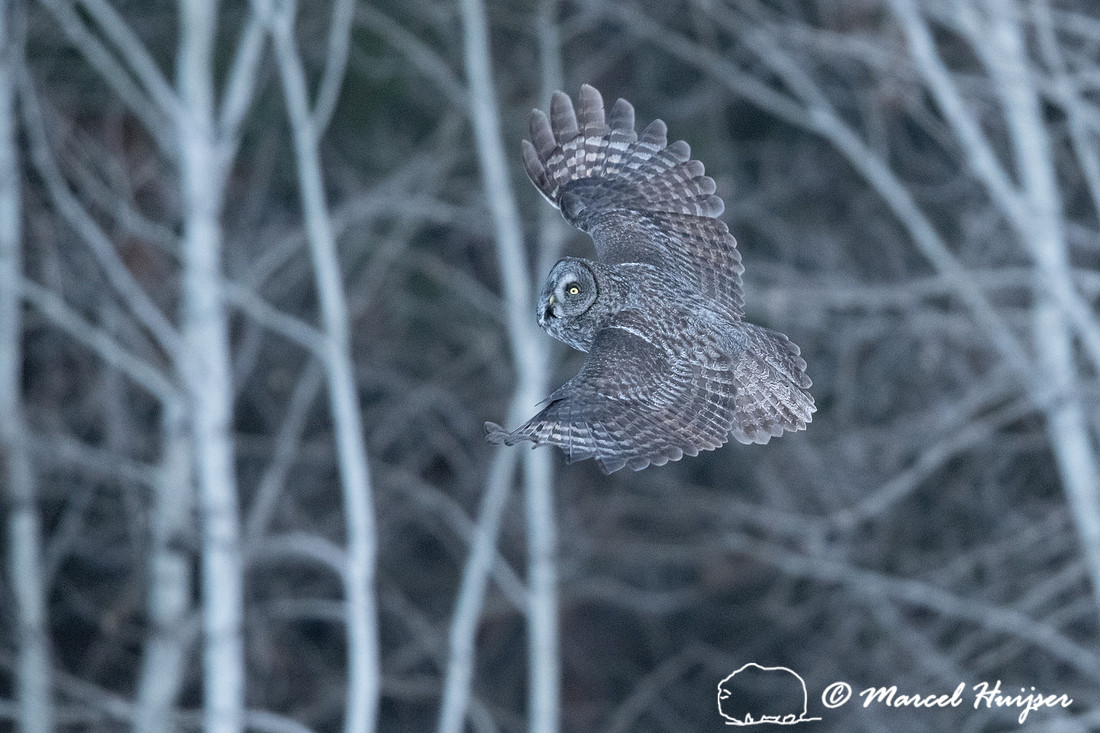
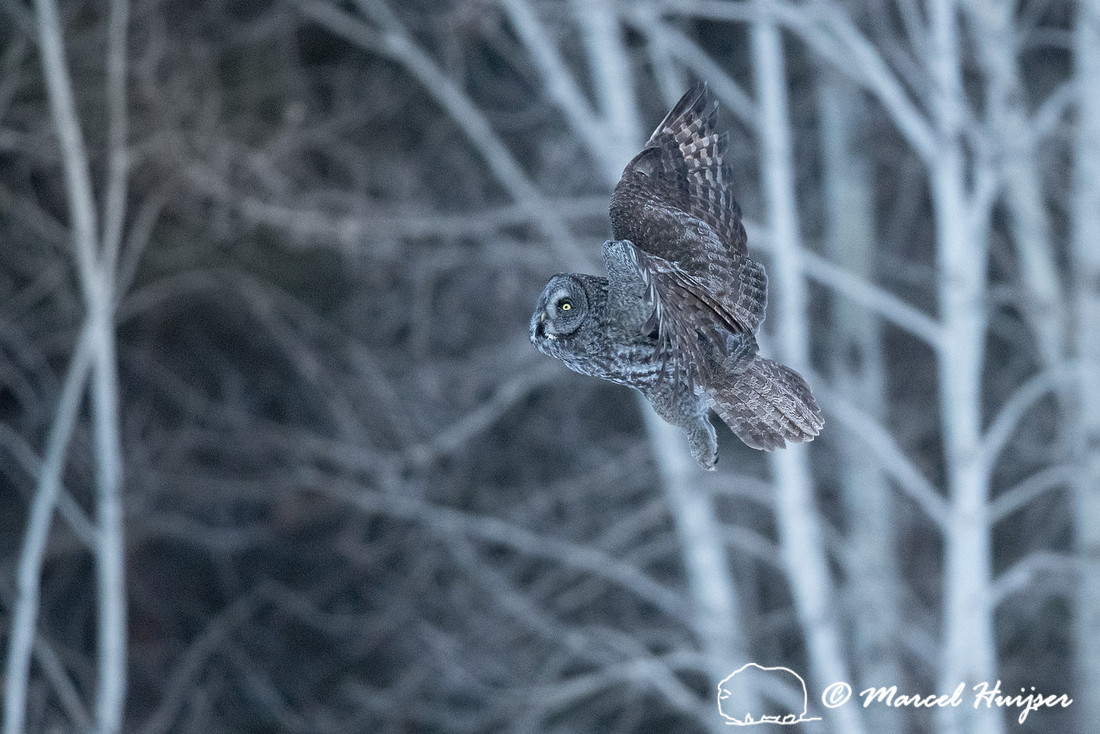
Click here to view more images of Great gray owls.
Like Marcel Huijser Photography on Facebook.
All content © 2019 Marcel Huijser
Road ecology blog: Fence separating wildlife from people on top of overpass
Road ecology blog: Fence, berm and shrubs separating wildlife from people on a hiking and biking trail on top of overpass across a railroad. There is a different fence for large mammals (e.g. roe deer (Capreolus capreolus), medium mammals (e.g. Eurasian badger (Meles meles), and small animal species, including amphibians, reptiles, and small mammal species keeping the animals off the railroad. This fence keeps wildlife from accessing a railroad (3 tracks) and guides them toward the wildlife overpass "Op Hees", Soest, The Netherlands
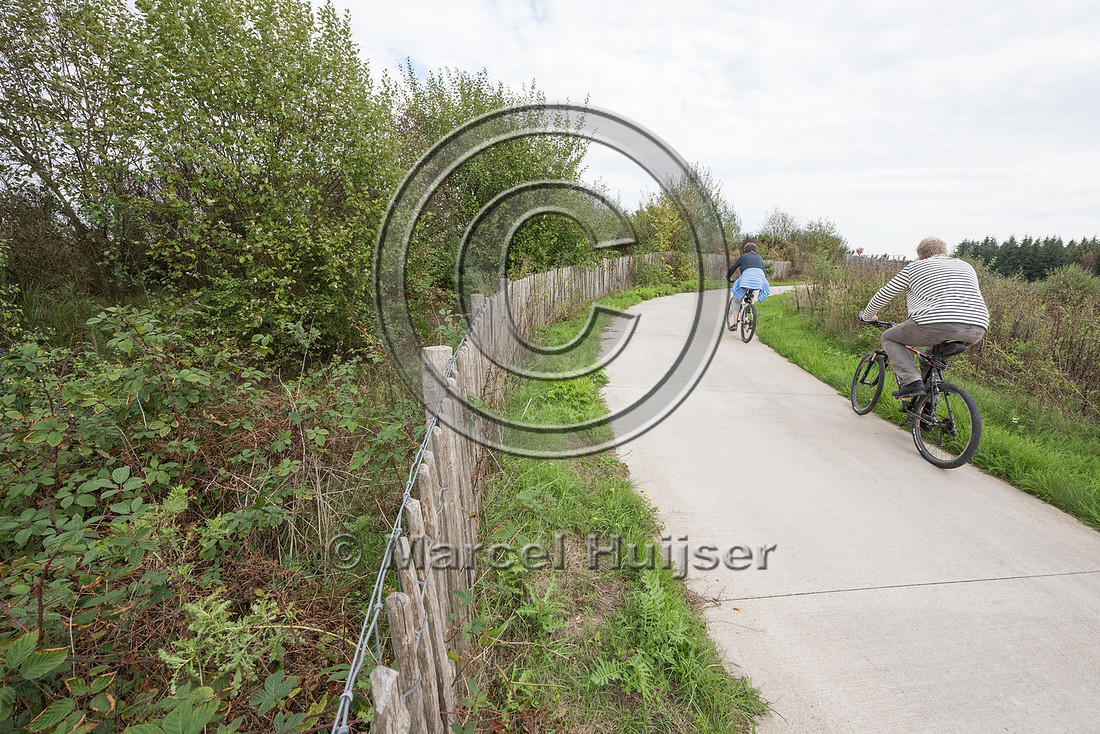
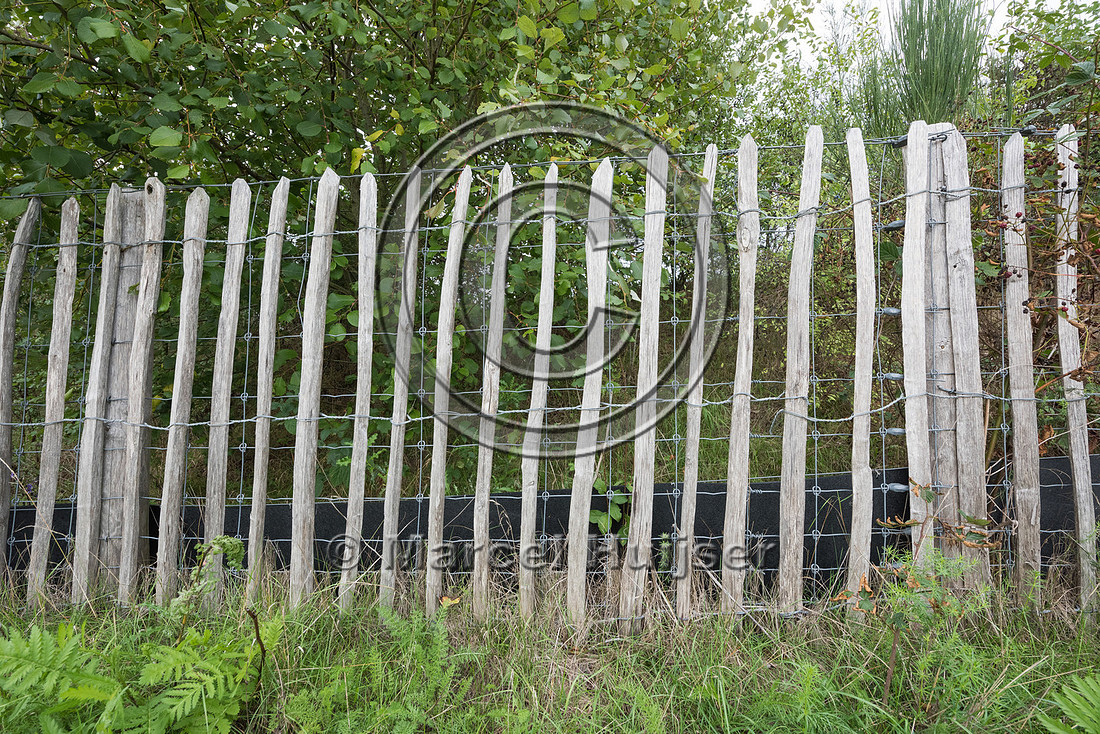
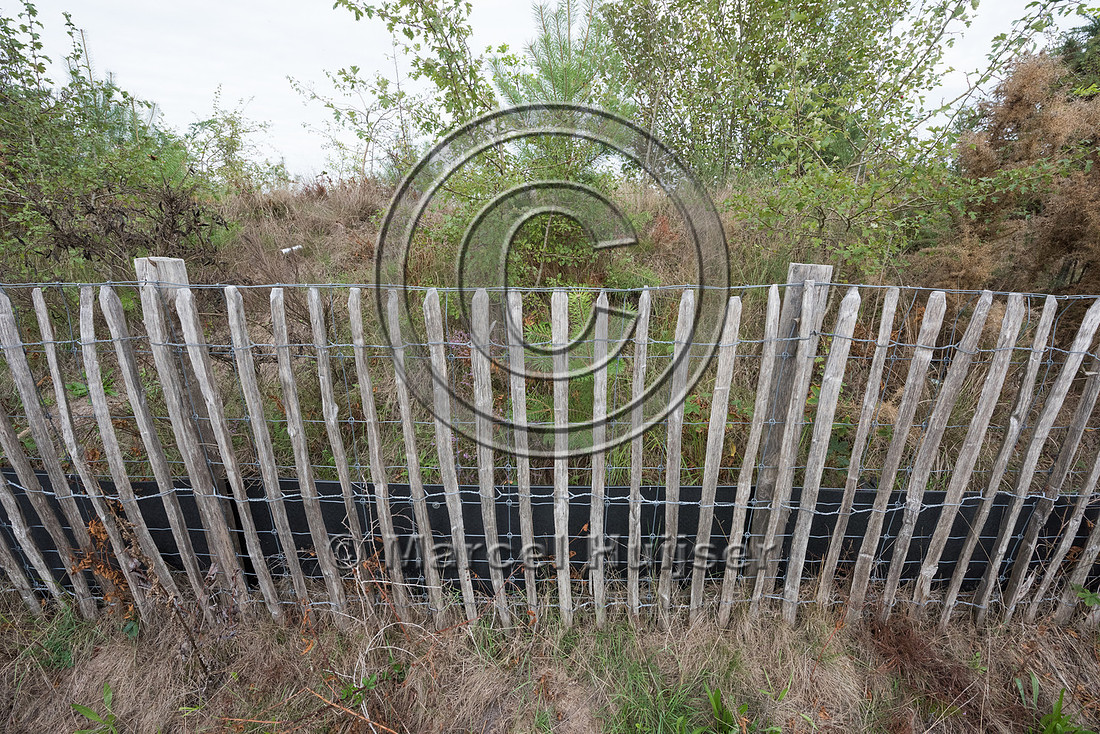
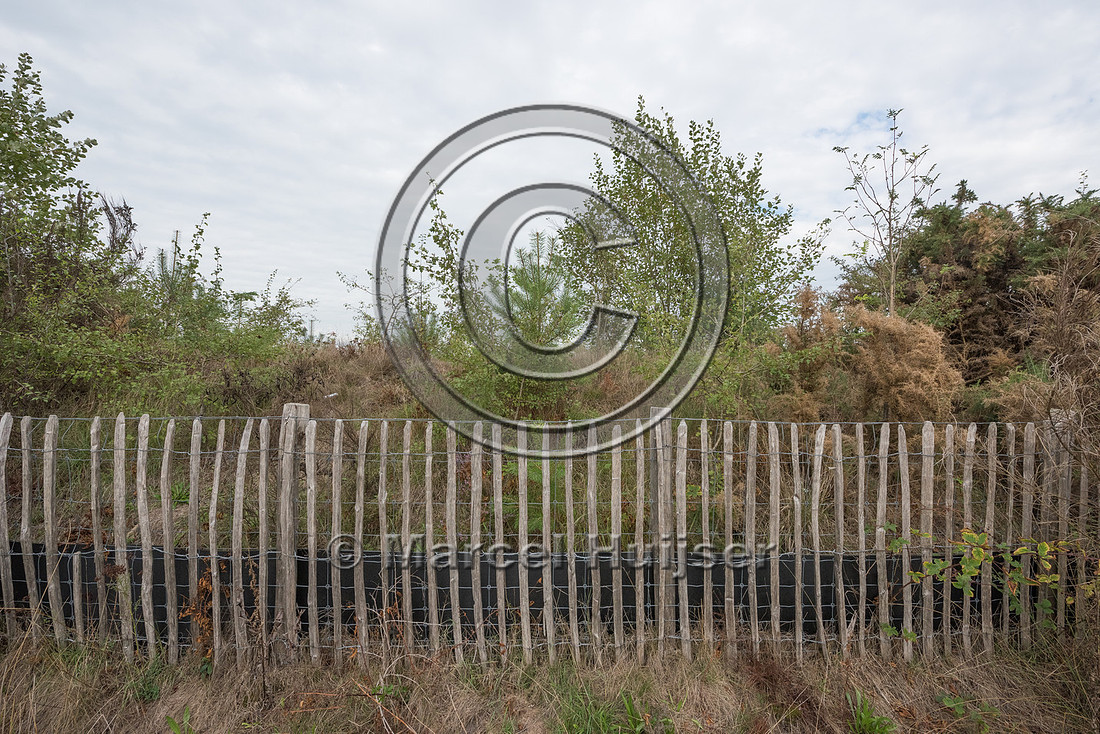
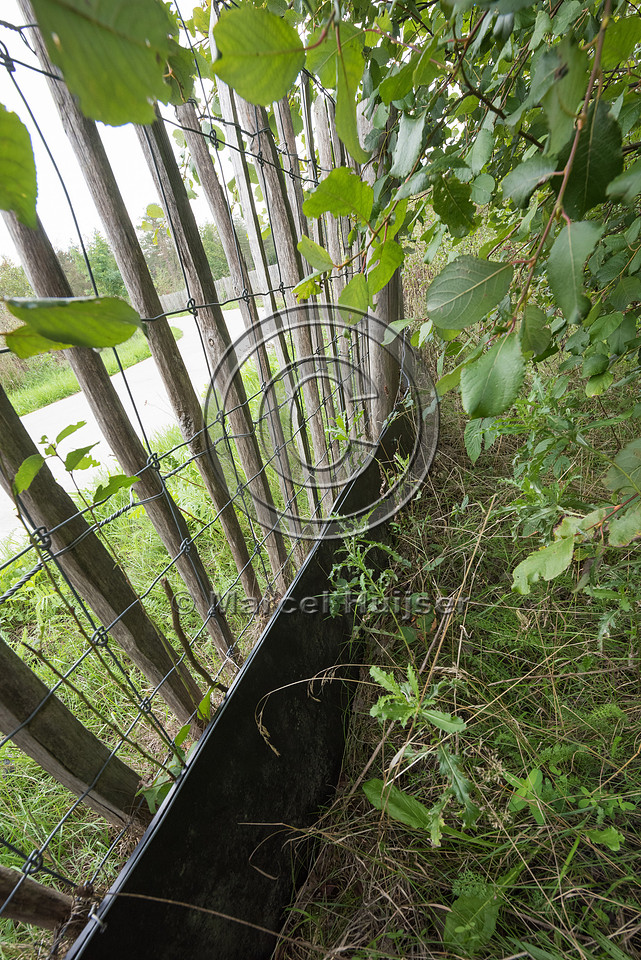
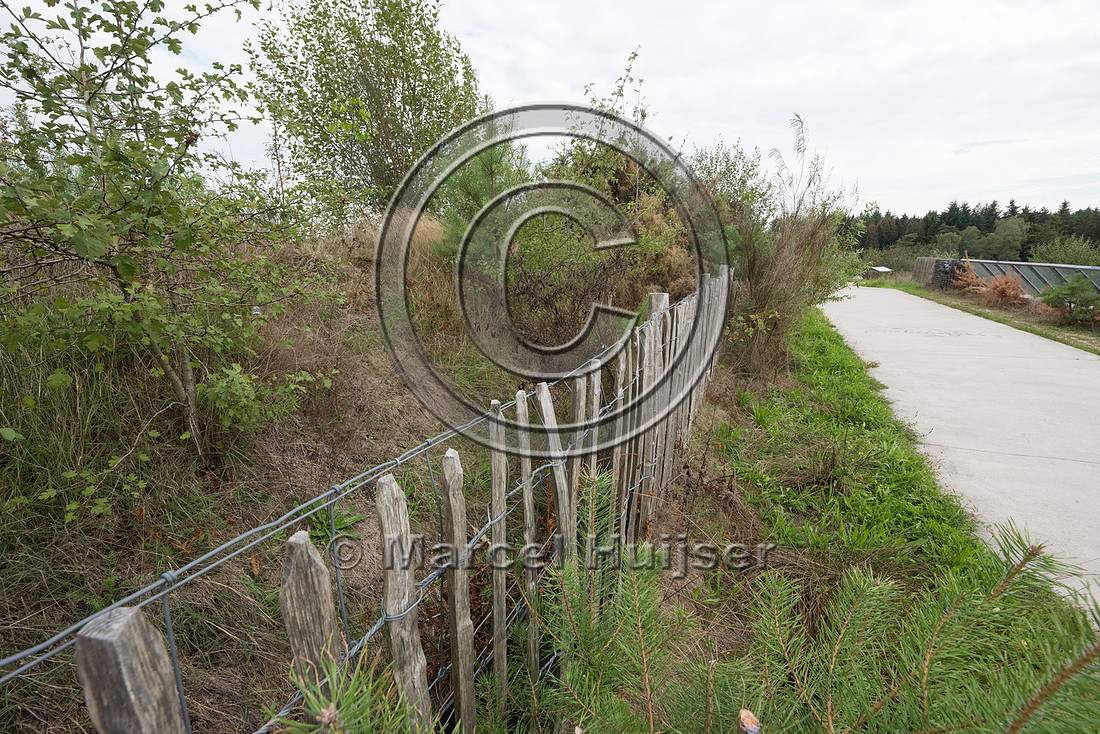
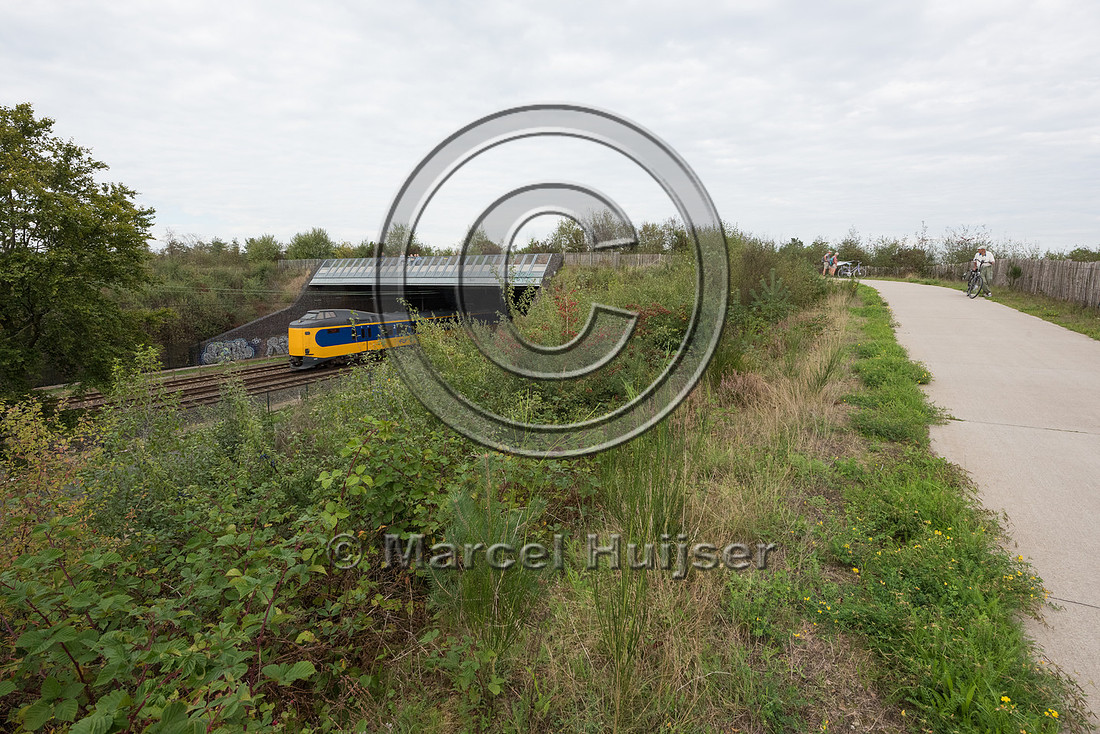
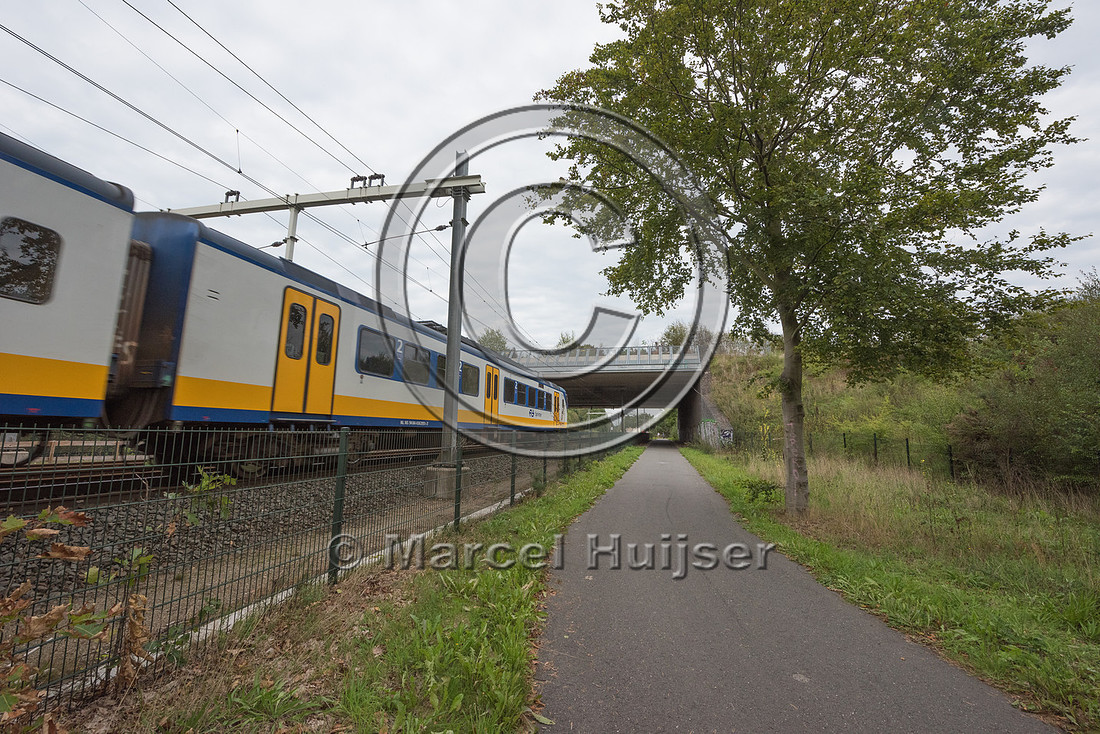
Road ecology blog: Wildlife overpass (Op Hees) across railroad tracks, The Netherlands
Road ecology blog: Wildlife overpass (Op Hees) across railroad tracks, Soest, The Netherlands.
This overpass is multi-functional: for wildlife and it has a trail for hiking and biking.
Road ecology blog: Wildlife warning sign for deer, Drenthe, The Netherlands
Road ecology blog: Wildlife warning sign for deer, Spieregerweg, near Spier, Drenthe, The Netherlands

Road ecology blog: Wildlife jump-out, near Spier, Drenthe, The Netherlands
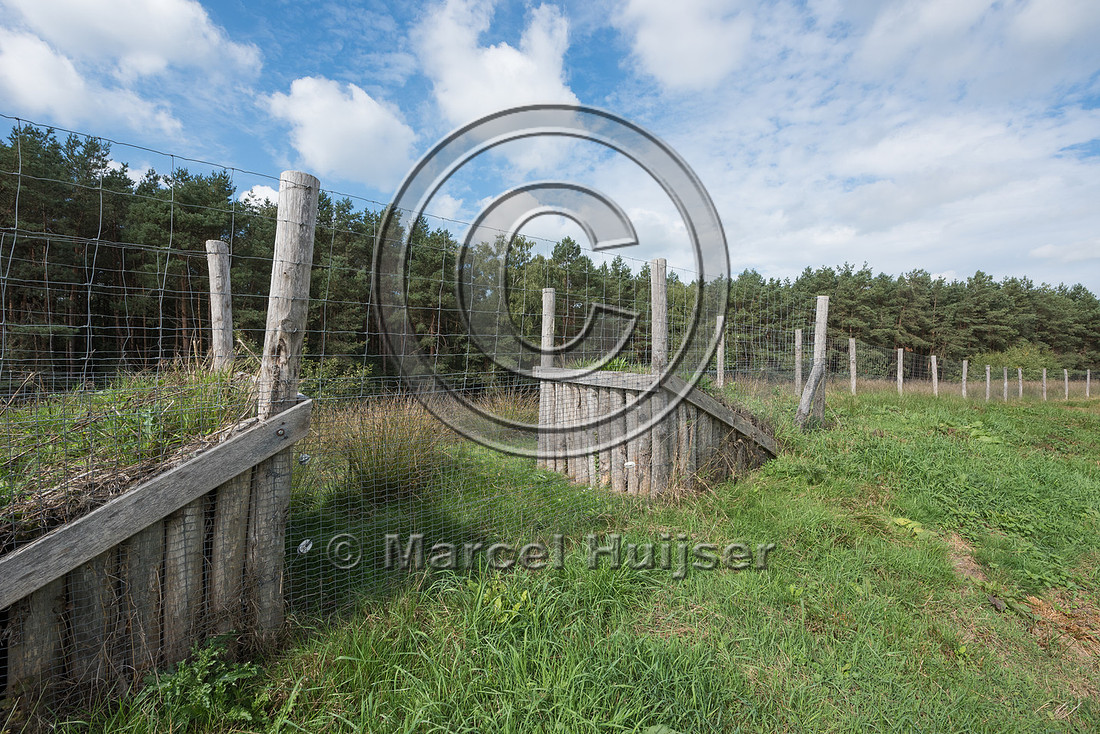
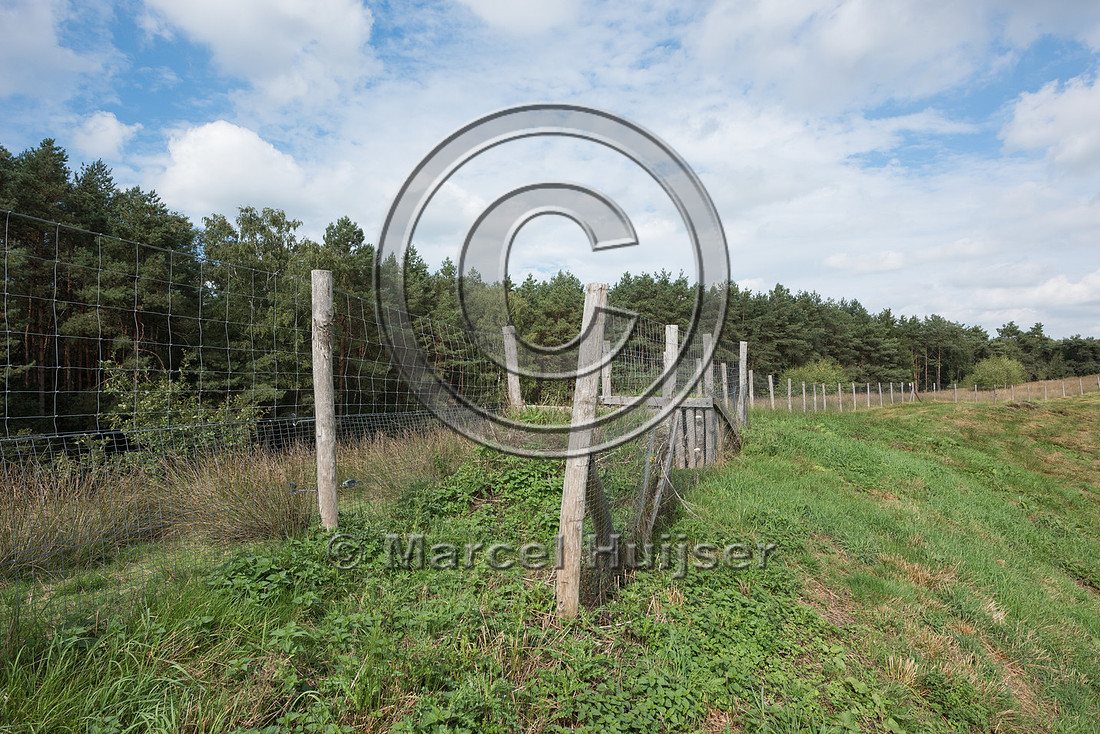
Road ecology blog: Wildlife fence and jump-out along A28 motorway, near Spier, Drenthe, The Netherlands. The fence is a barrier for medium and large mammal species. The electric fence is an additional barrier for livestock (sheep, cattle) that are used as a tool for nature management in the area.
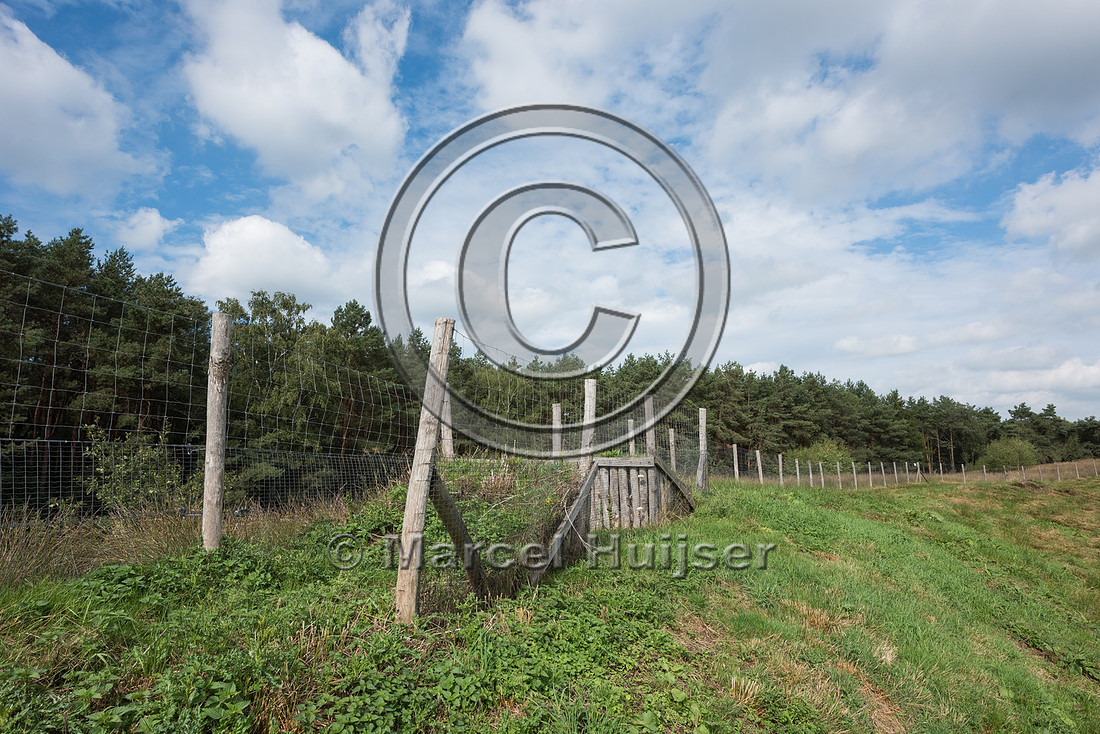
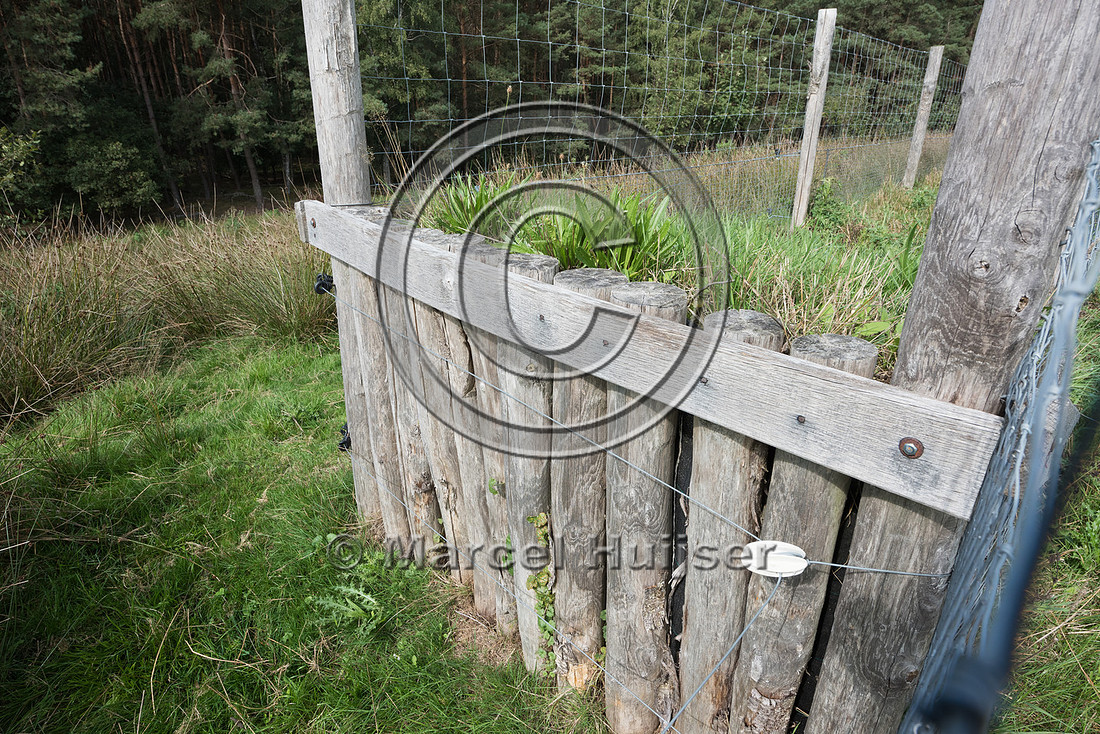
Wildlife fence along A28 motorway, near Spier, Drenthe, The Netherlands
Road ecology blog: Wildlife fence along A28 motorway, near Spier, Drenthe, The Netherlands. The fence is a barrier for medium and large mammal species. The electric fence is an additional barrier for livestock (sheep, cattle) that are used as a tool for nature management in the area.


Installation of air heater and coolant heater in camper van
The images below show the installation of an air heater and a coolant heater in our 1997 Ford E350 7.3 L diesel camper van.
Note: Thermoking did the installation.
1. Eberspächer (Espar) D2 air heater to heat the inside of the camper van when the engine is off. Installed Feb 2017.
2. Eberspächer S3 coolant heater to pre-warm the diesel engine in winter. Installed January 2019.
Image below: The diesel comes out of the front tank. The diameter is big enough for fuel to go to both the air heater and the coolant heater at the same time. Then there is a splitter; one line goes to fuel pump for the air heater, the other to the fuel pump for the coolant heater.

Image below: The air intake (black) and the exhaust (brass) enter and leave the cabin space through the floor.

Image below: The Espar D2 and the thermostat before the cabinetry went in.

Images below: Kitchen block has been installed. We used a Y splitter for the duct with hot air: 1 outlet for warm air behind driver's seat, the other facing the rear seats. Note the duct is protected with plywood inside the cabinets to prevent denting the duct.


Image below: The thermostat installed above the fridge. Note: there is a high elevation kit for the Espar D2 installed behind the face. This increases the air and oxygen flow at high elevation, contributing to a clean burn and reduced failure and maintenance.

Image below: The S3 coolant heater hoses tie into the hard lines under the driver's door. Note: the step in diameter of the hard line and the diameter of the inflow and outflow of the coolant heater was too big for 1 hose with 1 diameter. An intermediate diameter piece of pipe with hoses on both sides had to be used to have no coolant fluid leak (see image above).

Image below: The first installation (one step between diameter coolant heater and diameter hard lines van) failed; coolant leaked. We needed 2 steps to keep coolant from leaking.

Image below: The S3 coolant heater installed under the driver's door.

Image below: The control panel for the S3 coolant heater, installed on the kitchen block. Note that the programming is for the departure time, not the start time of the coolant heater.

Images below: Both the Espar D3 and S3 coolant heater have an Espar muffler installed.


Test: on a cold night (about 0 F (-18C)) we ran the Espar D2 air heater throughout the night, thermostat set at 50 F (10C). In the morning we programmed the S3 coolant to turn on for 90 minutes. Everything worked, there is enough 12 V in our house battery to power both units throughout a cold night. In addition, there was no problem with fuel flow going to both units at the same time. A large enough diameter line between the fuel tank and the splitter is critical through.
Advantages:
1. Espar D2 air heater: warm, operated through thermostat, can probably run the heater for a few weeks before running out of fuel.
2. S3 coolant heater: The engine starts even at extremely low temperatures, reduced wear and tear on the engine, no black smoke out of exhaust, engine less loud when you drive away. The alternative would be to use a generator and plug in our block heater. However, on most camp grounds in National Parks you cannot use generators at night or in early morning, plus... you would have to get out of bed to start it 1-2 hours before driving away. The noise of the S3 (with or without muffler) is way lower than a generator; it is not in the same league. It is probably not or barely audible to neighboring campers. Since we live in Montana, the coolant heater makes it possible to use our camper van in winter (especially Nov through Mar).
Safety: Always use a smoke alarm and carbon monoxide detector in the van.
Maintenance: before turning off the Espar D2, set it on its maximum capacity (e.g. thermostat at 93 F (34C)) for 10-15 minutes. This burns off soot and reduces failure and other maintenance issues. Have a professional check the water pump of the S3 coolant heater about once a year.
Note: mud and snow can stick (Image below shows mud and snow on propane tank). This can block the air intake of the Espar D2 and the S3 coolant heater. I am planning to plug the air intake hoses and remove the plug before use. This reduces failure and maintenance issues.

Celestine Pool, along Fountain Paint Pot trail in winter, Yellowstone National Park
Celestine Pool, along Fountain Paint Pot trail in winter, Yellowstone National Park, Wyoming, USA

Silex spring, along Fountain Paint Pot trail in winter, Yellowstone National Park
Silex spring, along Fountain Paint Pot trail in winter, Yellowstone National Park, Wyoming, USA

Snow and sulfur, Fountain Paint Pot trail in winter, Yellowstone National Park
Snow and sulfur, Fountain Paint Pot trail in winter, Yellowstone National Park, Wyoming, USA


Along Fountain Paint Pot trail in winter, Yellowstone National Park, Wyoming, USA
Along Fountain Paint Pot trail in winter, Yellowstone National Park, Wyoming, USA


Road ecology blog: Wildlife fence for large, medium mammals and amphians and reptiles
Road ecology blog: Wildlife fence for large mammals (e.g. roe deer (Capreolus capreolus), medium mammals (e.g. Eurasian badger (Meles meles), and small animal species, including amphibians, reptiles, and small mammal species. This fence keeps wildlife from acccesing a railroad (3 tracks) and guides them toward the wildlife overpass "Op Hees", Soest, The Netherlands

Fountain Flats in winter, Yellowstone National Park, Wyoming, USA
Fountain Flats in winter, Yellowstone National Park, Wyoming, USA
