Marcel Huijser Photography   Home

This is where I show the most recent images and talk about how they were made. The images typically relate to landscapes and wildlife, but I also blog about photos of highways and mitigation measures for wildlife or road ecology in general. Please contact me if you would like to use any of the images.

All content © Marcel Huijser                             

Road ecology blog: Wildlife overpass "Groene Woud"

January 22, 2019  •  Leave a Comment

Road ecology blog: Wildlife overpass "Groene Woud" across A2 motorway, The Netherlands. The structure is used by red deer (Cervus elaphus) but the great crested newt (Triturus cristatus) was also one of the target species for the overpass. Ponds on either side, and shallow pools on top of the structure (a pump pumped water from one of the pools to the top of the overpass) were provided to create a wet zone on one side of the overpass. Berms with root wads and shrubs provide cover on either side and also reduce visual and noise disturbance.

Wildlife overpass "Groene Woud" across A2 motorway, The NetherlaWildlife overpass "Groene Woud" across A2 motorway, The NetherlaWildlife overpass "Groene Woud" across A2 motorway, The Netherlands. The structure is used by red deer (Cervus eleaphus) but the great crested newt (Triturus cristatus) was also one of the target species for the overpass. Ponds on either side, and shallow pools on top of the structure (a pump pumped water from one of the pools to the top of the overpass) were provided to create a wet zone on one side of the overpass. Berms with rootwads and shrubs provide cover on either side and also reduce visual and noise disturbance.

Image below: A great crested newt (Triturus cristatus). Each individual has a unique pattern on its belly that can be used to identify individual animals in capture-mark-recapture experiments.

Northern crested newt (also known as great crested newt or wartyNorthern crested newt (also known as great crested newt or wartyNorthern crested newt (also known as great crested newt or warty newt) (Triturus cristatus), The Netherlands. Each individual has a unique pattern on their belly that can be used to distinguish between different individuals


Image below: The wet zone on the overpass is protected from cattle (used as a tool in nature management in the area) with a livestock fence. Note the small dams just above the center of the image that result in small pools during wetter times of the year. One of the berms is on the left side.

Wildlife overpass "Groene Woud" across A2 motorway, The NetherlaWildlife overpass "Groene Woud" across A2 motorway, The NetherlaWildlife overpass "Groene Woud" across A2 motorway, The Netherlands. The structure is used by red deer (Cervus eleaphus) but the great crested newt (Triturus cristatus) was also one of the target species for the overpass. Ponds on either side, and shallow pools on top of the structure (a pump pumped water from one of the pools to the top of the overpass) were provided to create a wet zone on one side of the overpass. Berms with rootwads and shrubs provide cover on either side and also reduce visual and noise disturbance.

Wildlife overpass "Groene Woud" across A2 motorway, The NetherlaWildlife overpass "Groene Woud" across A2 motorway, The NetherlaWildlife overpass "Groene Woud" across A2 motorway, The Netherlands. The structure is used by red deer (Cervus eleaphus) but the great crested newt (Triturus cristatus) was also one of the target species for the overpass. Ponds on either side, and shallow pools on top of the structure (a pump pumped water from one of the pools to the top of the overpass) were provided to create a wet zone on one side of the overpass. Berms with rootwads and shrubs provide cover on either side and also reduce visual and noise disturbance.

Image below: Detail of the berm in the dry zone. It consists of soil, root wads, shrubs (including thorny species such as bramble (Rubus spp.).

Wildlife overpass "Groene Woud" across A2 motorway, The NetherlaWildlife overpass "Groene Woud" across A2 motorway, The NetherlaWildlife overpass "Groene Woud" across A2 motorway, The Netherlands. The structure is used by red deer (Cervus eleaphus) but the great crested newt (Triturus cristatus) was also one of the target species for the overpass. Ponds on either side, and shallow pools on top of the structure (a pump pumped water from one of the pools to the top of the overpass) were provided to create a wet zone on one side of the overpass. Berms with rootwads and shrubs provide cover on either side and also reduce visual and noise disturbance. Wildlife overpass "Groene Woud" across A2 motorway, The NetherlaWildlife overpass "Groene Woud" across A2 motorway, The NetherlaWildlife overpass "Groene Woud" across A2 motorway, The Netherlands. The structure is used by red deer (Cervus eleaphus) but the great crested newt (Triturus cristatus) was also one of the target species for the overpass. Ponds on either side, and shallow pools on top of the structure (a pump pumped water from one of the pools to the top of the overpass) were provided to create a wet zone on one side of the overpass. Berms with rootwads and shrubs provide cover on either side and also reduce visual and noise disturbance.


Click here for more images of wildlife overpass "Groene Woud".

Click here for images of wildlife fencing.

Click here for images of multifunctional underpasses.

Click here for images of wildlife underpasses.

For other images of wildlife overpasses (wildlife only) click here.

For images of multifunctional wildlife overpasses (wildlife, water, humans, non-motorized vehicles, motorized vehicles) click here.

For images of landscape bridges, road tunnels or very wide overpasses over longer road sections click here.

Like Marcel Huijser Photography on Facebook

All content © 2019 Marcel Huijser


Road ecology blog: Pathway for large mammals in an underpass designed for water

January 21, 2019  •  Leave a Comment

Road ecology blog: Pathway for large mammals in an underpass (bridge) primarily designed for water (stream), US Hwy 93 S, Bitterroot Valley, Montana, USA. Note that the concrete path was easily undercut during high water.

Pathway for large mammals in an underpass (bridge) primarily desPathway for large mammals in an underpass (bridge) primarily desPathway for large mammals in an underpass (bridge) primarily designed for water (stream), US Hwy 93 S, Bitterroot Valley, Montana, USA Pathway for large mammals in an underpass (bridge) primarily desPathway for large mammals in an underpass (bridge) primarily desPathway for large mammals in an underpass (bridge) primarily designed for water (stream), US Hwy 93 S, Bitterroot Valley, Montana, USA Pathway for large mammals in an underpass (bridge) primarily desPathway for large mammals in an underpass (bridge) primarily desPathway for large mammals in an underpass (bridge) primarily designed for water (stream), US Hwy 93 S, Bitterroot Valley, Montana, USA Pathway for large mammals in an underpass (bridge) primarily desPathway for large mammals in an underpass (bridge) primarily desPathway for large mammals in an underpass (bridge) primarily designed for water (stream), US Hwy 93 S, Bitterroot Valley, Montana, USA Pathway for large mammals in an underpass (bridge) primarily desPathway for large mammals in an underpass (bridge) primarily desPathway for large mammals in an underpass (bridge) primarily designed for water (stream), US Hwy 93 S, Bitterroot Valley, Montana, USA

Click here for images of wildlife fencing.

Click here for images of multifunctional underpasses.

Click here for images of wildlife underpasses.

Like Marcel Huijser Photography on Facebook

All content © 2019 Marcel Huijser


Road ecology blog: Night time closure, Shore of Virginia National Wildlife Refuge

January 18, 2019  •  Leave a Comment

Road ecology blog: Gate at Eastern Shore of Virginia National Wildlife Refuge, Virginia, USA. Night time closure

Gate at Eastern Shore of Virginia National Wildlife Refuge, VirgGate at Eastern Shore of Virginia National Wildlife Refuge, VirgGate at Eastern Shore of Virginia National Wildlife Refuge, Virginia, USA. Night time closure

Click here for more images of roads through and around Chincoteague National Wildlife Refuge.

Click here to view other images of night time road closures.

Click here to view images of seasonal road closures.

Like Marcel Huijser Photography on Facebook

All content © 2019 Marcel Huijser


Road ecology blog: Night time closure and separating motorized and non-motorized use

January 17, 2019  •  2 Comments

Road ecology blog: Night time closure and separating motorized and non-motorized use. Gate at wildlife loop, Chincoteague National Wildlife Refuge, Virginia, USA. Hiking and bicycling before 3 pm, motor vehicles permitted after 3 pm.

Gate at wildlife loop, Chincoteague National Wildlife Refuge, ViGate at wildlife loop, Chincoteague National Wildlife Refuge, ViGate at wildlife loop, Chincoteague National Wildlife Refuge, Virginia, USA. Hiking and bicycling before 3 pm, motorvehicles permitted after 3 pm. Gate at wildlife loop, Chincoteague National Wildlife Refuge, ViGate at wildlife loop, Chincoteague National Wildlife Refuge, ViGate at wildlife loop, Chincoteague National Wildlife Refuge, Virginia, USA. Hiking and bicycling before 3 pm, motorvehicles permitted after 3 pm. Gate at wildlife loop, Chincoteague National Wildlife Refuge, ViGate at wildlife loop, Chincoteague National Wildlife Refuge, ViGate at wildlife loop, Chincoteague National Wildlife Refuge, Virginia, USA. Hiking and bicycling before 3 pm, motorvehicles permitted after 3 pm.

Click here for more images of roads through and around Chincoteague National Wildlife Refuge.

Click here to view other images of night time road closures.

Click here to view images of seasonal road closures.

Like Marcel Huijser Photography on Facebook

All content © 2019 Marcel Huijser


Road ecology blog: Route cut for new beach access road, Chincoteague

January 16, 2019  •  Leave a Comment

Road ecology blog: Route for new beach access road cut through maritime forest, Chincoteague National Wildlife Refuge, Virginia, USA

Route for new beach access road through maritime forest,  ChincoRoute for new beach access road through maritime forest, ChincoRoute for new beach access road through maritime forest, Chincoteague National Wildlife Refuge, Virginia, USA Route for new beach access road through maritime forest and theRoute for new beach access road through maritime forest and theRoute for new beach access road through maritime forest and the old unpaved management road, Chincoteague National Wildlife Refuge, Virginia, USA

Click here for more images of roads through and around Chincoteague National Wildlife Refuge.


Like Marcel Huijser Photography on Facebook


All content © 2019 Marcel Huijser


Road ecology blog: Bridge and causeway through Chicoteague Bay, Virginia, USA

January 15, 2019  •  Leave a Comment

Road ecology blog: Bridge and causeway through Chicoteague Bay, Chincoteague Island, Virginia, USA. The salt marshes are important habitat for the Northern diamondback terrapin (Malaclemys terrapin terrapin).
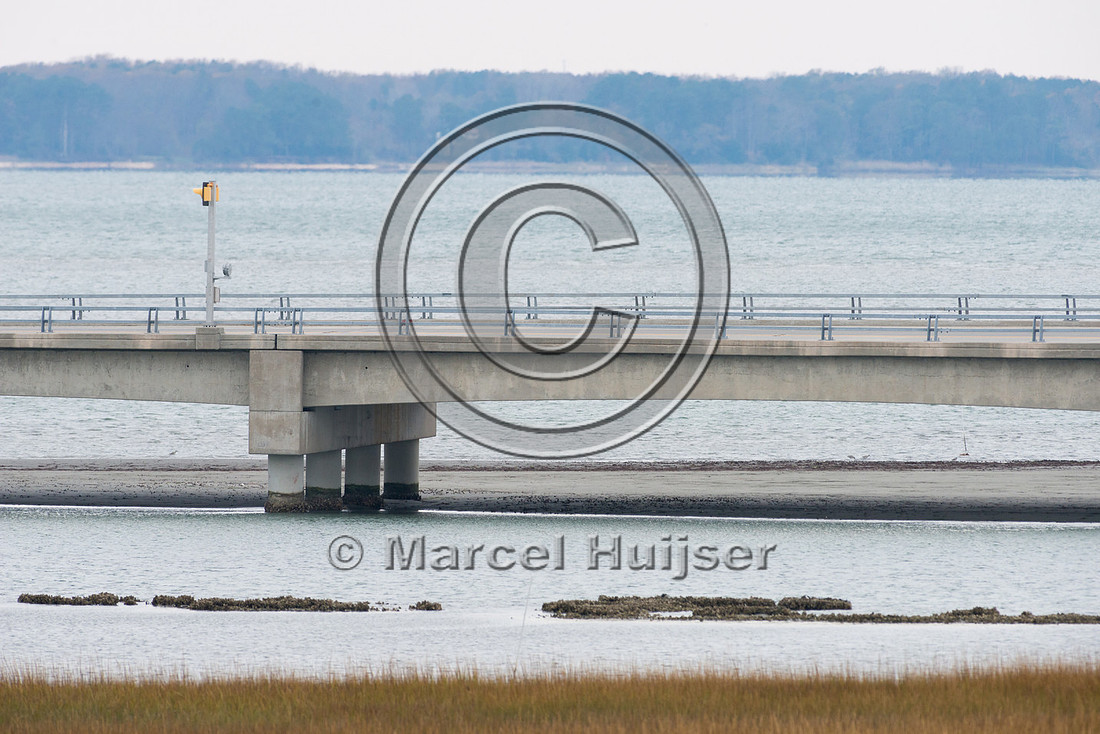
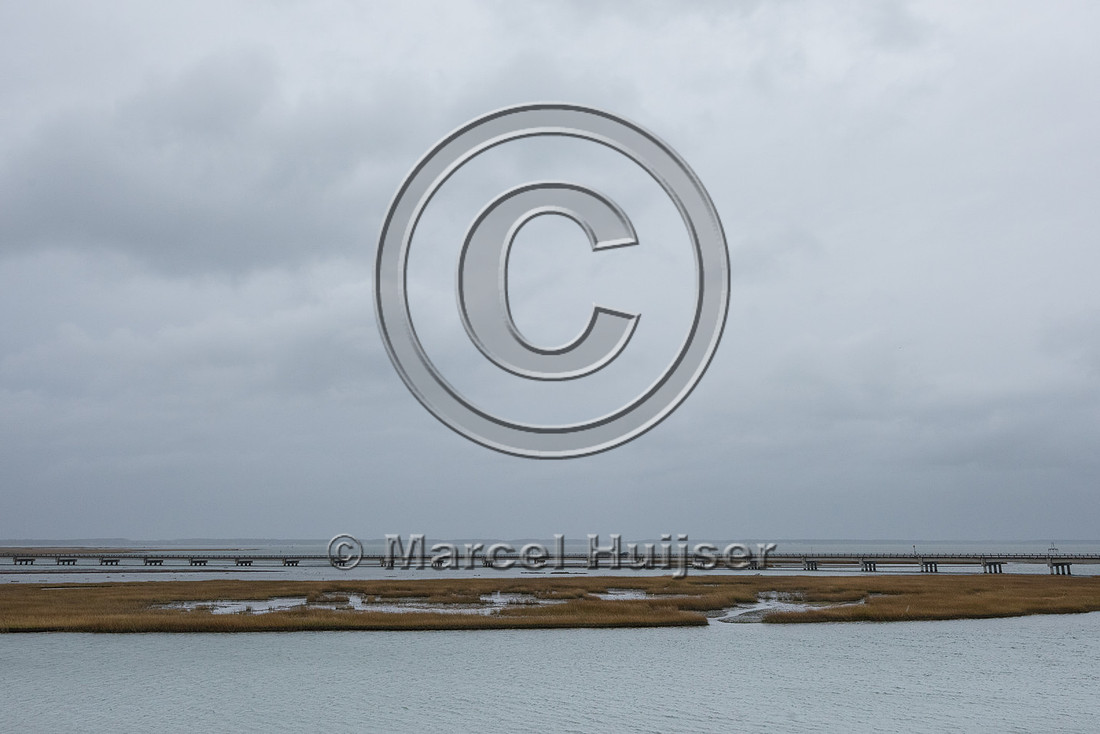
Bridge and causeway through Chicoteague Bay, Chincoteague IslandBridge and causeway through Chicoteague Bay, Chincoteague IslandBridge and causeway through Chicoteague Bay, Chincoteague Island, Virginia, USA Bridge and causeway through Chicoteague Bay, Chincoteague IslandBridge and causeway through Chicoteague Bay, Chincoteague IslandBridge and causeway through Chicoteague Bay, Chincoteague Island, Virginia, USA

Click here for more images of roads through and around Chincoteague Island, Virginia, USA

Click here for images of wildlife fencing.

Click here for images of multifunctional underpasses.

Click here for images of wildlife underpasses.

Like Marcel Huijser Photography on Facebook

All content © 2019 Marcel Huijser


Road ecology blog: Concrete barrier wall, Fisherman Island National Wildlife Refuge

January 14, 2019  •  Leave a Comment

Road ecology blog: Concrete barrier wall along a section of Hwy 13, Fisherman Island National Wildlife Refuge, Virginia. While not build to be a barrier for Northern diamondback terrapins (Malaclemys terrapin terrapin), it can serve as a barrier.

Concrete barrier wall along Hwy 13, Fisherman Island National WiConcrete barrier wall along Hwy 13, Fisherman Island National WiConcrete barrier wall along Hwy 13, Fisherman Island National Wildlife Refuge, Virginia. While not build to be a barrier for Northern diamondback terrapins (Malaclemys terrapin terrapin), it can serve as a barrier

Click here for images of wildlife fencing.

Click here for images of multifunctional underpasses.

Click here for images of wildlife underpasses.

Like Marcel Huijser Photography on Facebook

All content © 2019 Marcel Huijser


Road ecology blog: Vegetation maintenance adjacent to turtle barrier

January 13, 2019  •  Leave a Comment

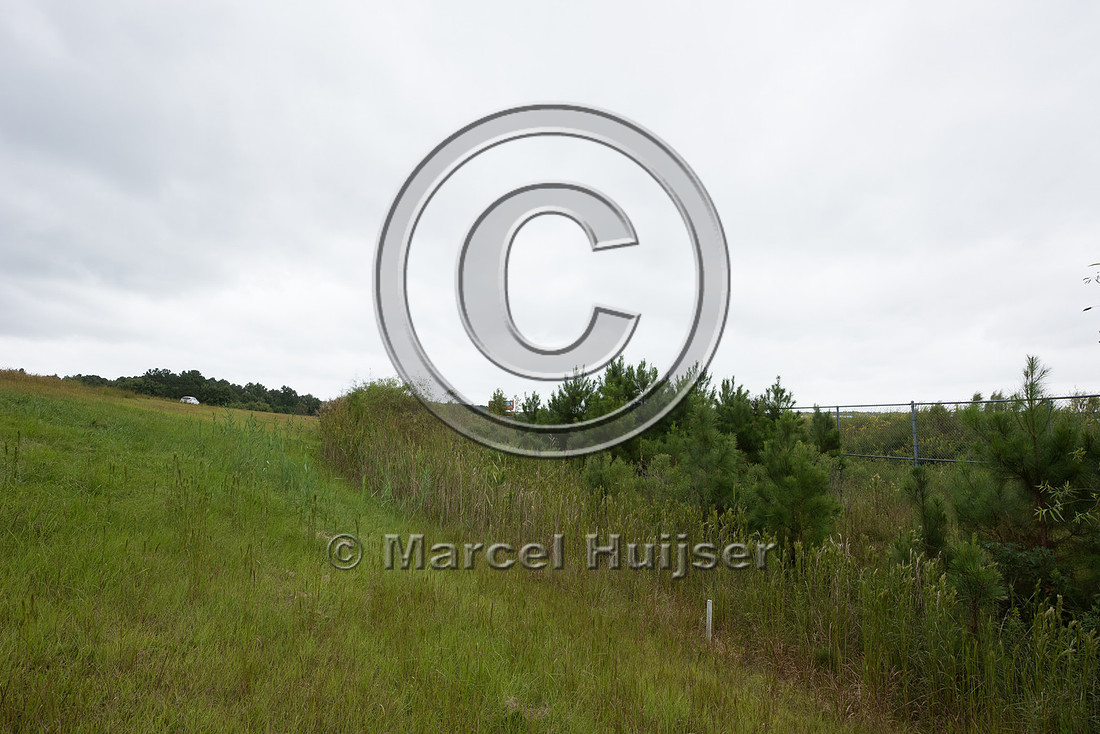
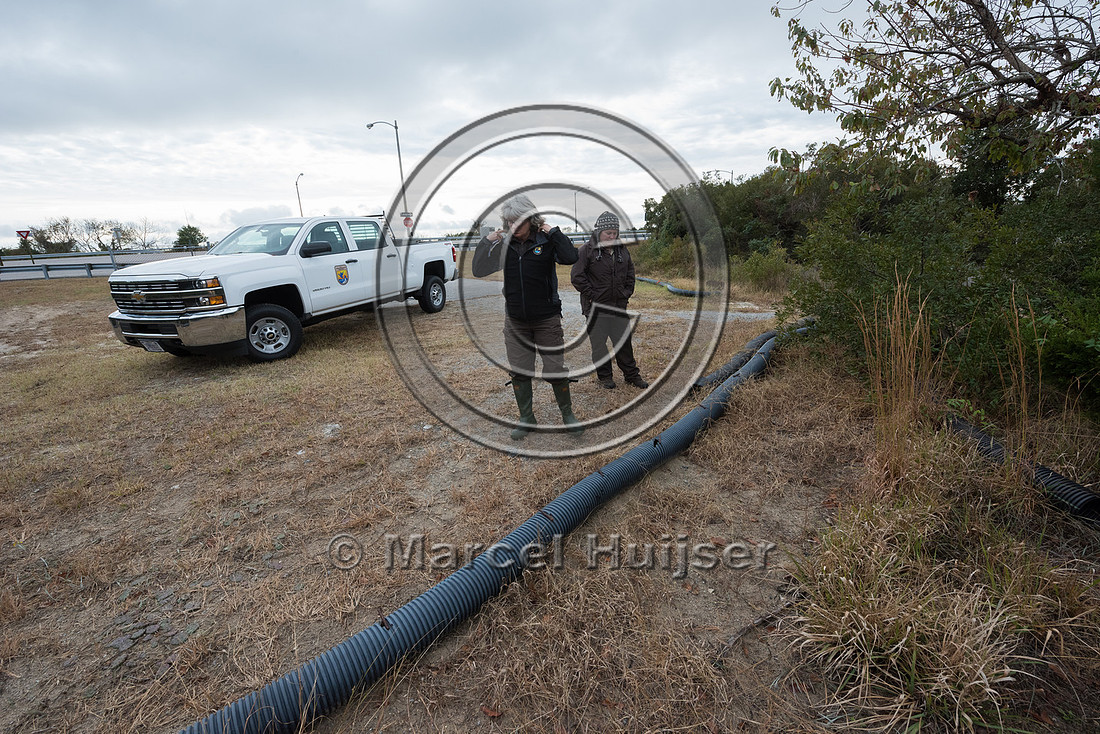
Road ecology blog: Pamela Denmon (USFWS) demonstrates where the plastic corrugated pipe should be located with short vegetation on both sides. The pipe is designed as a barrier to keep Northern diamondback terrapins (Malaclemys terrapin terrapin) off the highway, Fisherman Island National Wildlife Refuge, Virginia. Shrubs, trees, or tall grasses and herbs adjacent to the tube allow terrapins to climb the barrier. In addition, if the barrier is not snug to the ground, terrapins can crawl under the barrier and access the highway.

Pamela Denmon demonstrates where the plastic corrugated pipe shoPamela Denmon demonstrates where the plastic corrugated pipe shoPamela Denmon demonstrates where the plastic corrugated pipe should be located with short vegetation on both sides. The pipe is designed as a barrier to keep Northern diamondback terrapins (Malaclemys terrapin terrapin) off the highway, Fisherman Island National Wildlife Refuge, Virginia

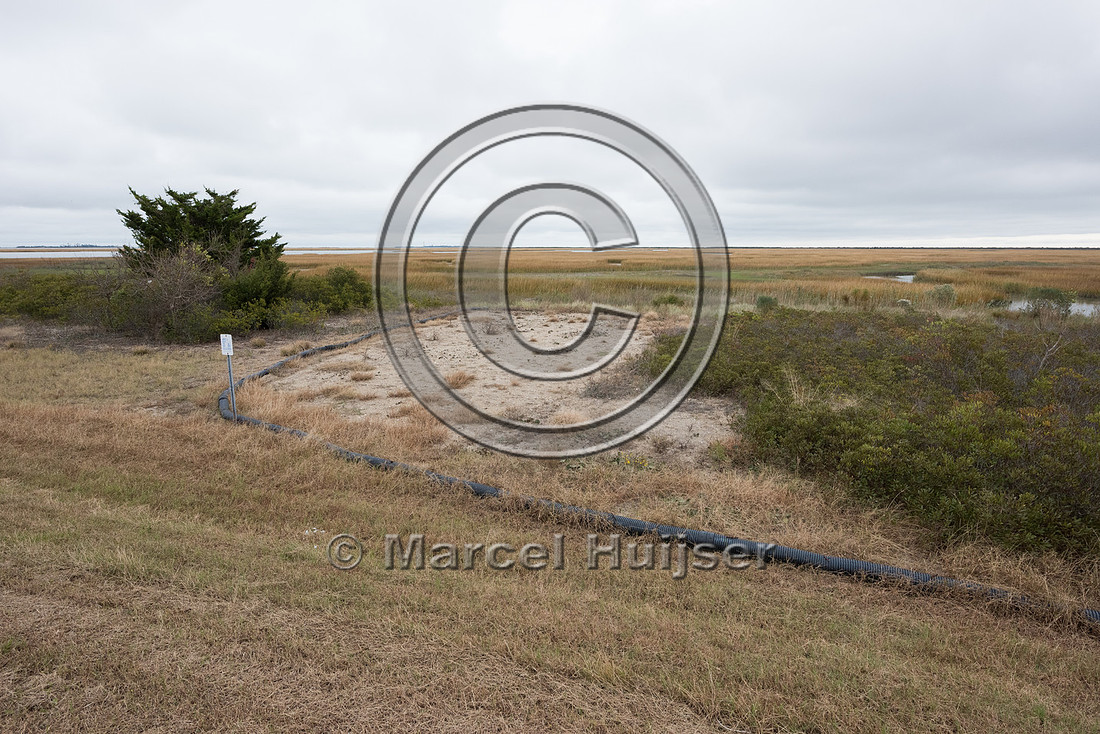
Plastic corrugated pipe designed as a barrier to keep Northern dPlastic corrugated pipe designed as a barrier to keep Northern dPlastic corrugated pipe (6 inches diameter) staked in ground with rebar, Fisherman Island National Wildlife Refuge, Virginia. The pipe is designed as a barrier to keep Northern diamondback terrapins (Malaclemys terrapin terrapin) turtles off the highway. Note that the corrugated pipe should NOT be adjacent to the shrubs. Tall vegetation can allow turtles to climb over the barrier. The vegetation should be short on both sides of the barrier. Plastic corrugated pipe designed as a barrier to keep Northern dPlastic corrugated pipe designed as a barrier to keep Northern dPlastic corrugated pipe (6 inches diameter) staked in ground with rebar, Fisherman Island National Wildlife Refuge, Virginia. The pipe is designed as a barrier to keep Northern diamondback terrapins (Malaclemys terrapin terrapin) turtles off the highway. Note that the corrugated pipe should NOT be adjacent to the shrubs. Tall vegetation can allow turtles to climb over the barrier. The vegetation should be short on both sides of the barrier. Plastic corrugated pipe designed as a barrier to keep Northern dPlastic corrugated pipe designed as a barrier to keep Northern dPlastic corrugated pipe (6 inches diameter) staked in ground with rebar, Fisherman Island National Wildlife Refuge, Virginia. The pipe is designed as a barrier to keep Northern diamondback terrapins (Malaclemys terrapin terrapin) turtles off the highway. Plastic corrugated pipe designed as a barrier to keep Northern dPlastic corrugated pipe designed as a barrier to keep Northern dPlastic corrugated pipe designed as a barrier to keep Northern diamondback terrapins (Malaclemys terrapin terrapin) off the highway, Fisherman Island National Wildlife Refuge, Virginia. Note that the vegetation show be shorth on both sides of the barrier. Otherwise the turtles can climb over the pipe.

Click here for images of wildlife fencing.

Click here for images of multifunctional underpasses.

Click here for images of wildlife underpasses.

Like Marcel Huijser Photography on Facebook

All content © 2019 Marcel Huijser


Road ecology blog: Plastic corrugated pipe for diamondback terrapins damaged by mowing

January 12, 2019  •  Leave a Comment

Road ecology blog: Plastic corrugated pipe designed as a barrier to keep Northern diamondback terrapins (Malaclemys terrapin terrapin) off the highway does not stand up to mowing practices, Fisherman Island National Wildlife Refuge, Virginia
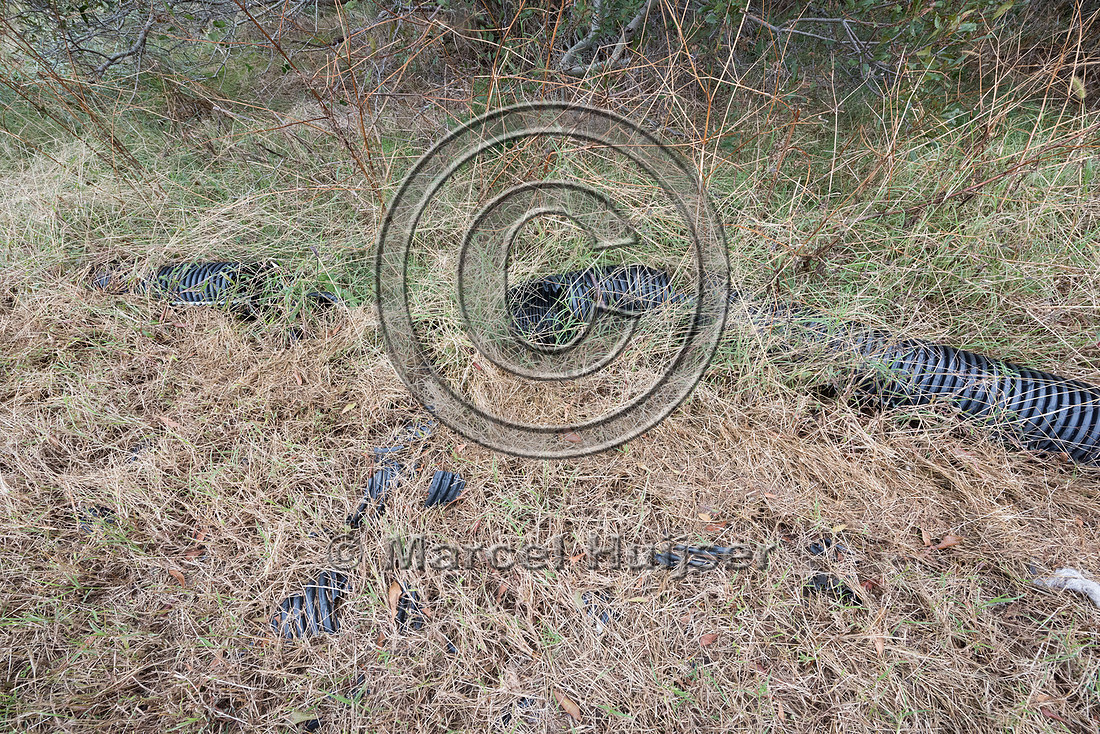
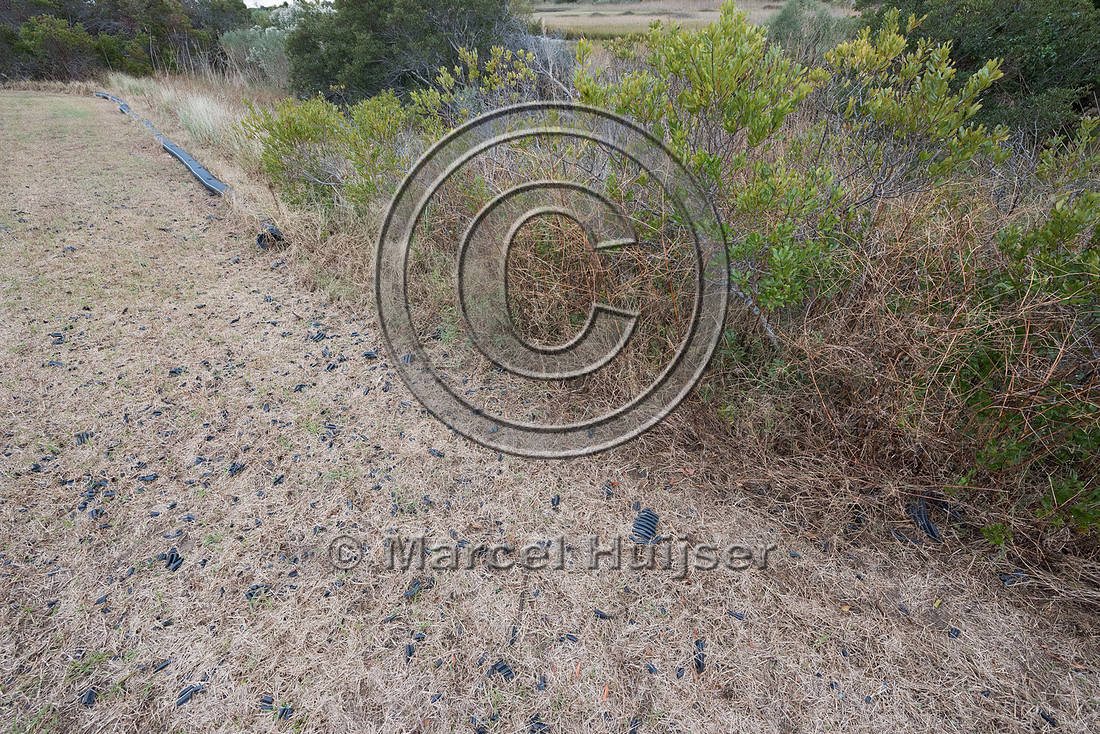
Plastic corrugated pipe designed as a barrier to keep Northern dPlastic corrugated pipe designed as a barrier to keep Northern dPlastic corrugated pipe designed as a barrier to keep Northern diamondback terrapins (Malaclemys terrapin terrapin) off the highway does not stand up to mowing practices, Fisherman Island National Wildlife Refuge, Virginia Plastic corrugated pipe designed as a barrier to keep Northern dPlastic corrugated pipe designed as a barrier to keep Northern dPlastic corrugated pipe designed as a barrier to keep Northern diamondback terrapins (Malaclemys terrapin terrapin) off the highway does not stand up to mowing practices, Fisherman Island National Wildlife Refuge, Virginia
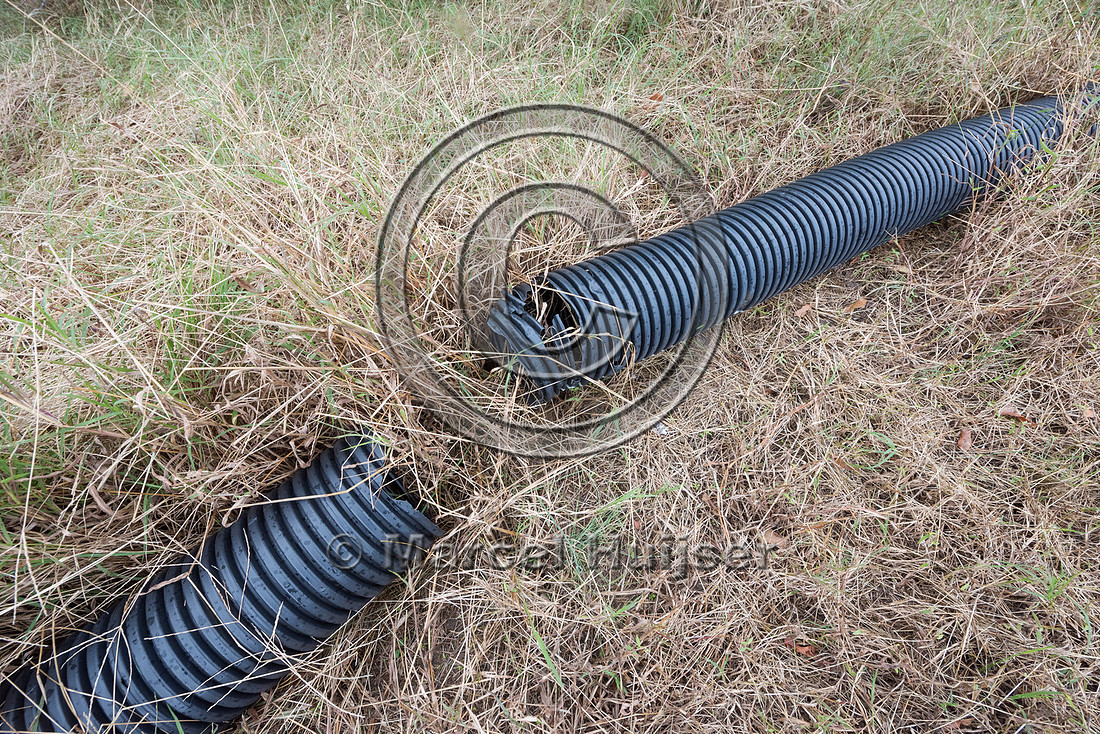
Plastic corrugated pipe designed as a barrier to keep Northern dPlastic corrugated pipe designed as a barrier to keep Northern dPlastic corrugated pipe designed as a barrier to keep Northern diamondback terrapins (Malaclemys terrapin terrapin) off the highway does not stand up to mowing practices, Fisherman Island National Wildlife Refuge, Virginia


Click here for images of wildlife fencing.

Click here for images of multifunctional underpasses.

Click here for images of wildlife underpasses.

Like Marcel Huijser Photography on Facebook

All content © 2019 Marcel Huijser


Road ecology blog: Barrier for diamondback terrapin (turtles), Fisherman Island, Virginia

January 11, 2019  •  Leave a Comment

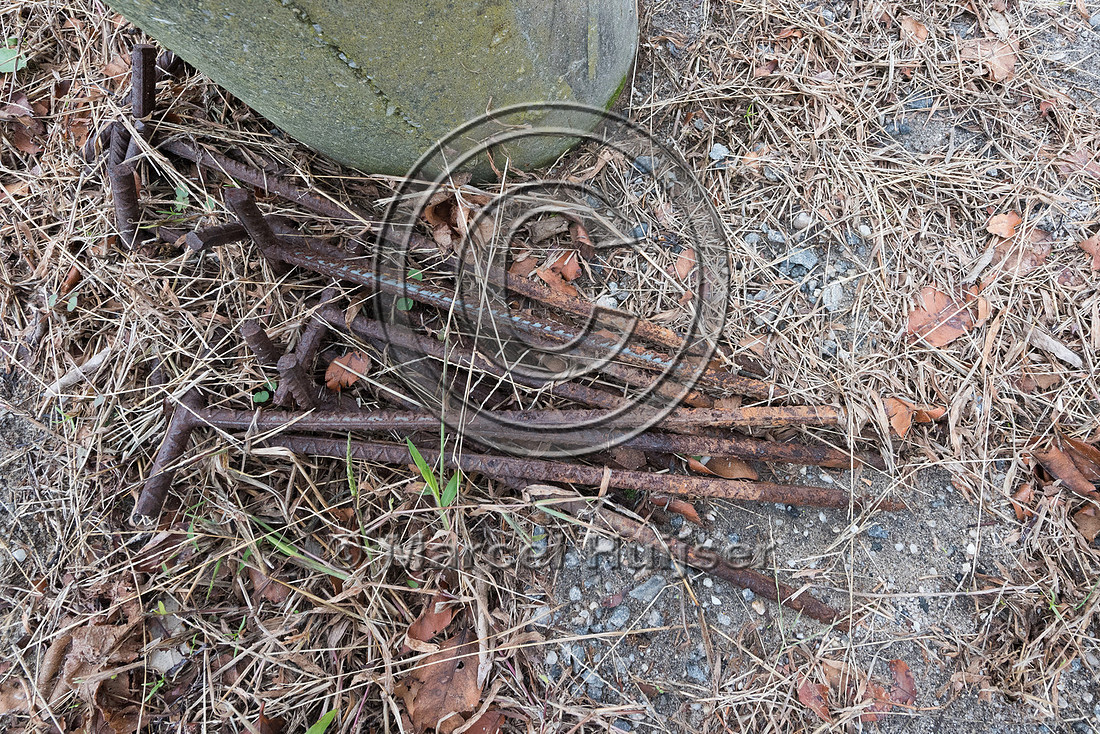
Road ecology blog: Plastic corrugated pipe (6 inches diameter) staked in ground with rebar, Fisherman Island National Wildlife Refuge, Virginia. The pipe is designed as a barrier to keep Northern diamondback terrapins (Malaclemys terrapin terrapin) turtles off the highway. The plastic tubing was staked into the ground with rebar. Small scale trials with captive animals showed the barrier to be effective. However, a large scale field application did not measurably reduce turtle roadkill, probably because of implementation and maintenance problems which I will discuss in the coming blog posts.
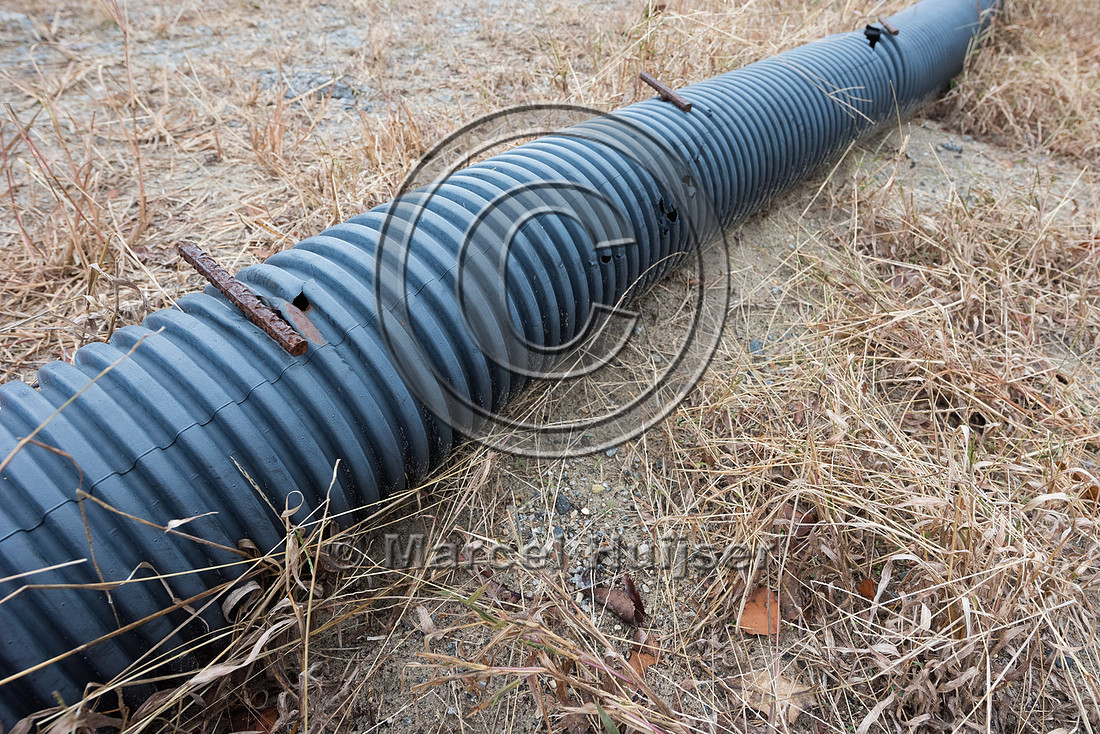
Plastic corrugated pipe designed as a barrier to keep Northern dPlastic corrugated pipe designed as a barrier to keep Northern dPlastic corrugated pipe (6 inches diameter) staked in ground with rebar, Fisherman Island National Wildlife Refuge, Virginia. The pipe is designed as a barrier to keep Northern diamondback terrapins (Malaclemys terrapin terrapin) turtles off the highway. Plastic corrugated pipe designed as a barrier to keep Northern dPlastic corrugated pipe designed as a barrier to keep Northern dPlastic corrugated pipe (6 inches diameter) staked in ground with rebar, Fisherman Island National Wildlife Refuge, Virginia. The pipe is designed as a barrier to keep Northern diamondback terrapins (Malaclemys terrapin terrapin) turtles off the highway. Rebar used to stake plastic corrugated pipe, Fisherman Island NaRebar used to stake plastic corrugated pipe, Fisherman Island NaRebar used to stake plastic corrugated pipe, Fisherman Island National Wildlife Refuge, Virginia. The pipe is designed as a barrier to keep Northern diamondback terrapins (Malaclemys terrapin terrapin) off the highway. Plastic corrugated pipe designed as a barrier to keep Northern dPlastic corrugated pipe designed as a barrier to keep Northern dPlastic corrugated pipe (6 inches diameter) staked in ground with rebar, Fisherman Island National Wildlife Refuge, Virginia. The pipe is designed as a barrier to keep Northern diamondback terrapins (Malaclemys terrapin terrapin) turtles off the highway. Note that this is the end of the barrier as it angles away from the highway Plastic corrugated pipe designed as a barrier to keep Northern dPlastic corrugated pipe designed as a barrier to keep Northern dPlastic corrugated pipe (6 inches diameter) staked in ground with rebar, Fisherman Island National Wildlife Refuge, Virginia. The pipe is designed as a barrier to keep Northern diamondback terrapins (Malaclemys terrapin terrapin) turtles off the highway.


Click here for images of wildlife fencing.

Click here for images of multifunctional underpasses.

Click here for images of wildlife underpasses.

Like Marcel Huijser Photography on Facebook

All content © 2019 Marcel Huijser


Road ecology blog: Arboreal crossing, Carlos Botelho State Park, São Paulo, Brazil

January 10, 2019  •  Leave a Comment

Road ecology blog: Arboreal crossing for primates and other tree dwelling species, Carlos Botelho State Park, São Paulo, Brazil
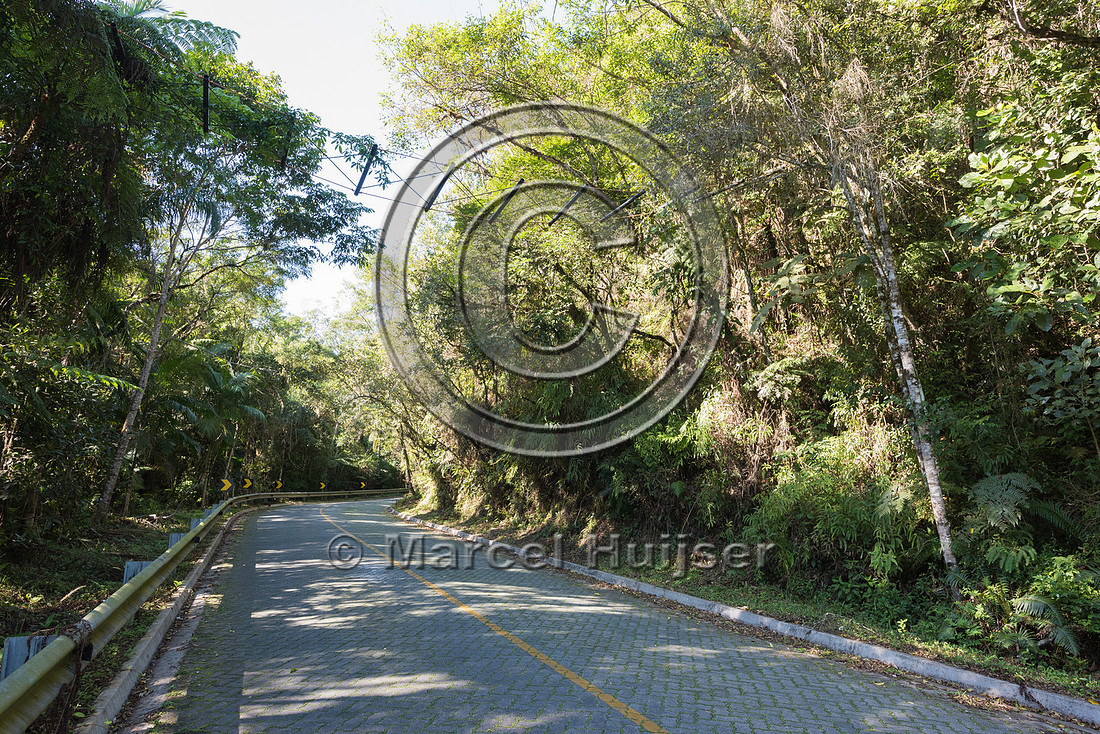
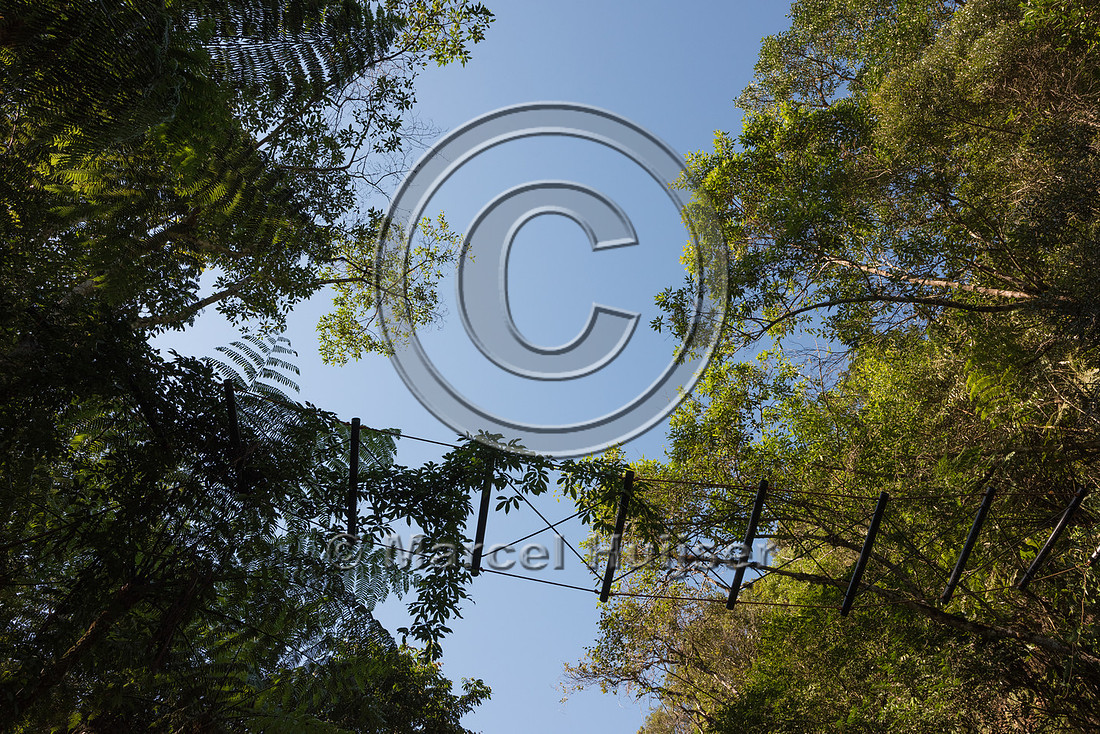
Arboreal crossing for primates and other tree dwelling species,Arboreal crossing for primates and other tree dwelling species,Arboreal crossing for primates and other tree dwelling species, Carlos Botelho State Park, São Paulo, Brazil

Arboreal crossing for primates and other tree dwelling species,Arboreal crossing for primates and other tree dwelling species,Arboreal crossing for primates and other tree dwelling species, Carlos Botelho State Park, São Paulo, Brazil

Click here for more images of canopy crossings for arboreal mammals.

Like Marcel Huijser Photography on Facebook

All content © 2019 Marcel Huijser


Road ecology blog: Cable barrier, US Hwy 64, near Roper, North Carolina, USA

January 09, 2019  •  Leave a Comment

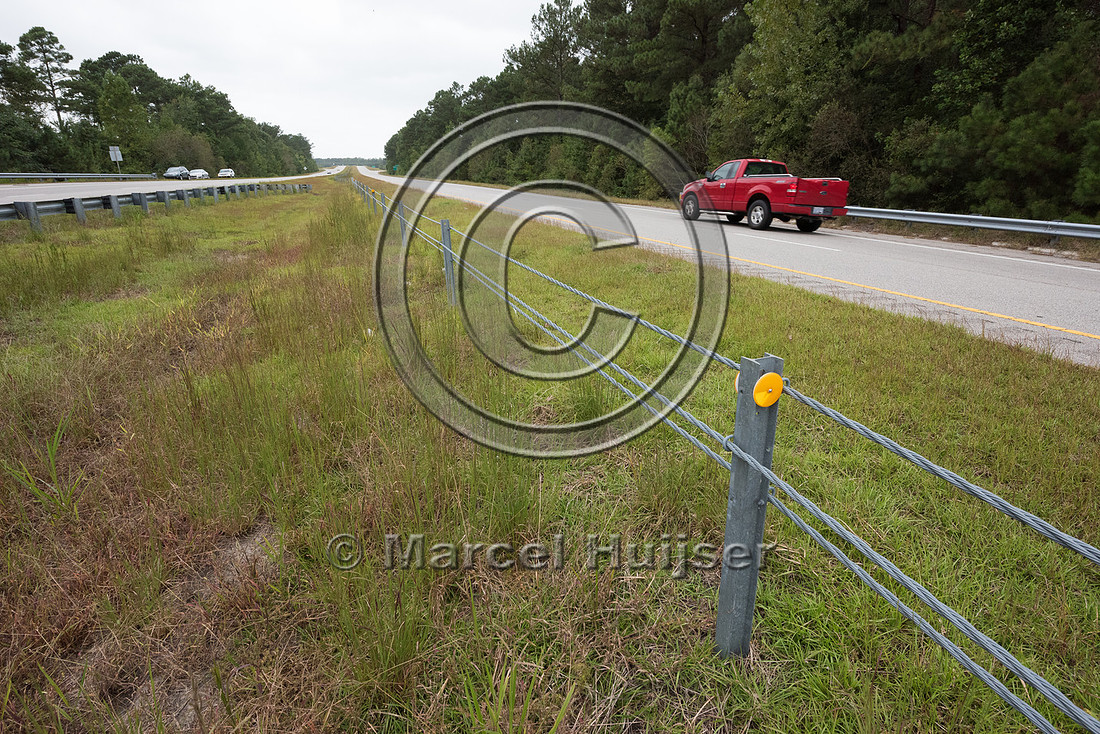
Road ecology blog: Cable barrier, US Hwy 64, near Roper, North Carolina, USA

Cable barrier, US Hwy 64, near Roper, North Carolina, USACable barrier, US Hwy 64, near Roper, North Carolina, USACable barrier, US Hwy 64, near Roper, North Carolina, USA Cable barrier, US Hwy 64, near Roper, North Carolina, USACable barrier, US Hwy 64, near Roper, North Carolina, USACable barrier, US Hwy 64, near Roper, North Carolina, USA Cable barrier, US Hwy 64, near Roper, North Carolina, USACable barrier, US Hwy 64, near Roper, North Carolina, USACable barrier, US Hwy 64, near Roper, North Carolina, USA


Road ecology blog: Gap and wildlife trail under wildlife fence for black bear

January 08, 2019  •  Leave a Comment

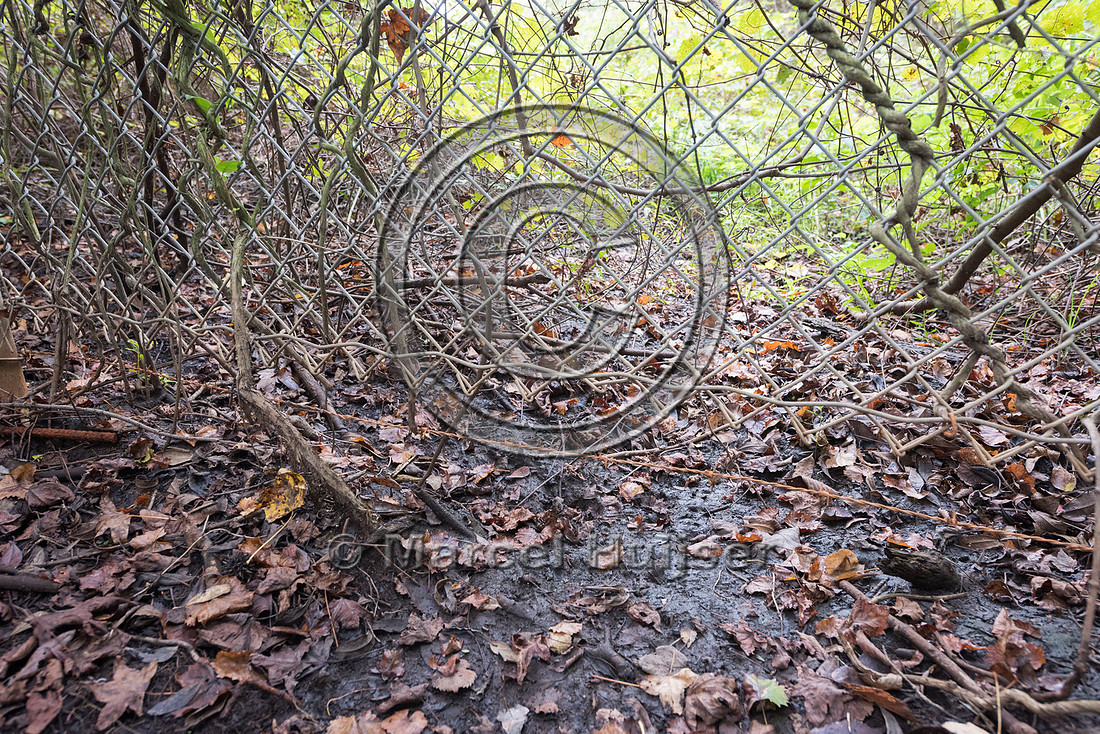
Road ecology blog: Gap and wildlife trail under wildlife fence for black bear (Ursus americanus), 3 m high (10 ft), US Hwy 64, near Roper, North Carolina, USA

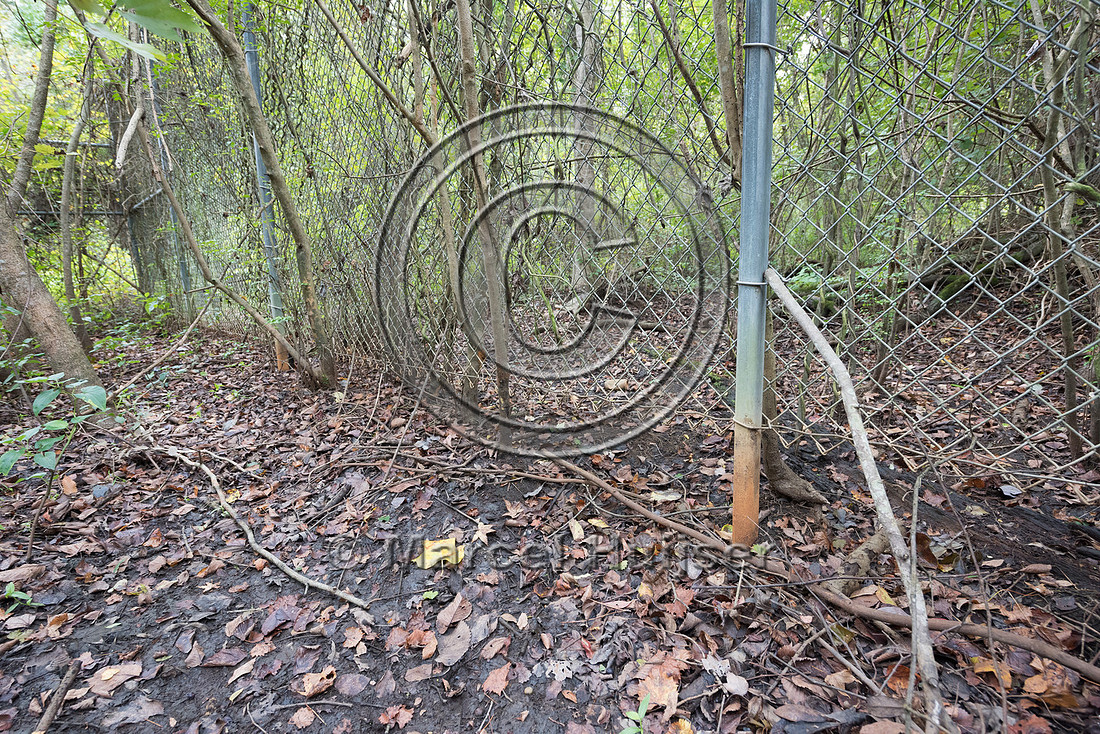
Gap and wildlife trail under wildlife fence for black bear (UrsuGap and wildlife trail under wildlife fence for black bear (UrsuGap and wildlife trail under wildlife fence for black bear (Ursus americanus), 3 m high (10 ft), US Hwy 64, near Roper, North Carolina, USA Gap and wildlife trail under wildlife fence for black bear (UrsuGap and wildlife trail under wildlife fence for black bear (UrsuGap and wildlife trail under wildlife fence for black bear (Ursus americanus), 3 m high (10 ft), US Hwy 64, near Roper, North Carolina, USA Wildlife fence for black bear (Ursus americanus), 3 m high (10 fWildlife fence for black bear (Ursus americanus), 3 m high (10 fWildlife fence for black bear (Ursus americanus), 3 m high (10 ft), reduces hight to 8 ft where the fence approaches a wildlife underpass US Hwy 64, near Roper, North Carolina, USA. Note: the 10 ft high fence has reduced height under the crossing structure (about 8 ft). Gap and wildlife trail under wildlife fence for black bear (UrsuGap and wildlife trail under wildlife fence for black bear (UrsuGap and wildlife trail under wildlife fence for black bear (Ursus americanus), 3 m high (10 ft), US Hwy 64, near Roper, North Carolina, USA
Click here for images of wildlife fencing.

Click here for images of multifunctional underpasses.

Click here for images of wildlife underpasses.

Like Marcel Huijser Photography on Facebook

All content © 2019 Marcel Huijser


Road ecology blog: Wildlife fence for black bear reduces height at a wildlife underpass

January 07, 2019  •  Leave a Comment

Road ecology blog: Wildlife fence for black bear (Ursus americanus), 3 m high (10 ft), reduces height to 8 ft where the fence approaches a wildlife underpass US Hwy 64, near Roper, North Carolina, USA. Note: the 10 ft high fence has reduced height under the crossing structure (about 8 ft). Note that it would have been best to keep the 3 m height until the actual concrete structure.

Wildlife fence for black bear (Ursus americanus), 3 m high (10 fWildlife fence for black bear (Ursus americanus), 3 m high (10 fWildlife fence for black bear (Ursus americanus), 3 m high (10 ft), reduces hight to 8 ft where the fence approaches a wildlife underpass US Hwy 64, near Roper, North Carolina, USA. Note: the 10 ft high fence has reduced height under the crossing structure (about 8 ft). Wildlife underpass and fence for black bear (Ursus americanus),Wildlife underpass and fence for black bear (Ursus americanus),Wildlife underpass and fence for black bear (Ursus americanus), 3 m high (10 ft), US Hwy 64, near Roper, North Carolina, USA Wildlife underpass and fence for black bear (Ursus americanus),Wildlife underpass and fence for black bear (Ursus americanus),Wildlife underpass and fence for black bear (Ursus americanus), 3 m high (10 ft), US Hwy 64, near Roper, North Carolina, USA

Click here for images of wildlife fencing.

Click here for images of multifunctional underpasses.

Click here for images of wildlife underpasses.

Like Marcel Huijser Photography on Facebook

All content © 2019 Marcel Huijser


Road ecology blog: Vegetation growing through wildlife fence, North Carolina

January 06, 2019  •  Leave a Comment

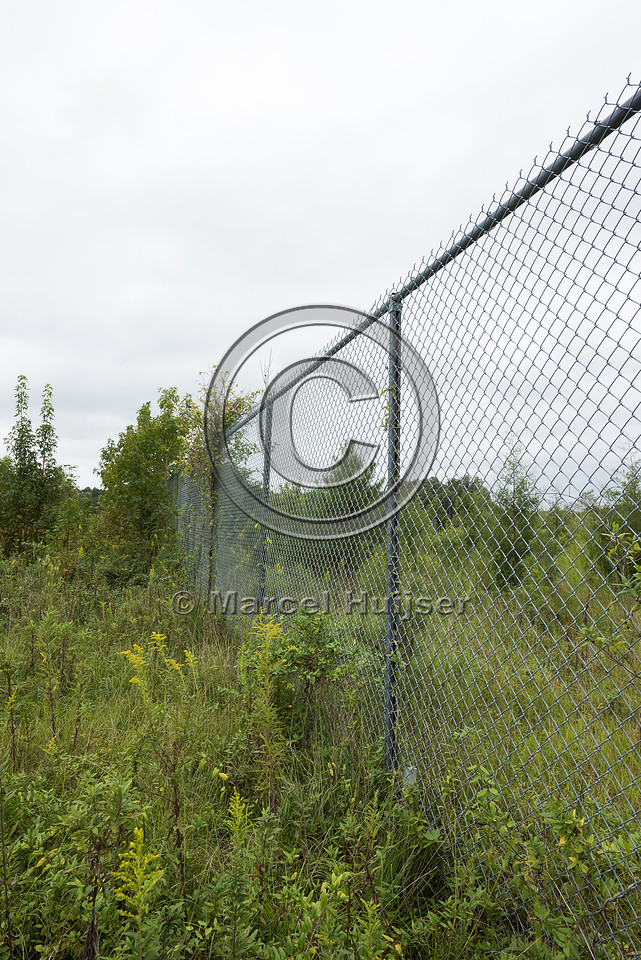
Road ecology blog: Vegetation growing through wildlife fence for black bear (Ursus americanus), 3 m high (10 ft), US Hwy 64, near Roper, North Carolina, USA. This makes the fence less visible and reduced the impacts on landscape aesthetics. On the other hand, it may allow animals to climb the fence using the vegetation, and it makes it more difficult to observe problems with the fence and maintain the integrity of the fence.
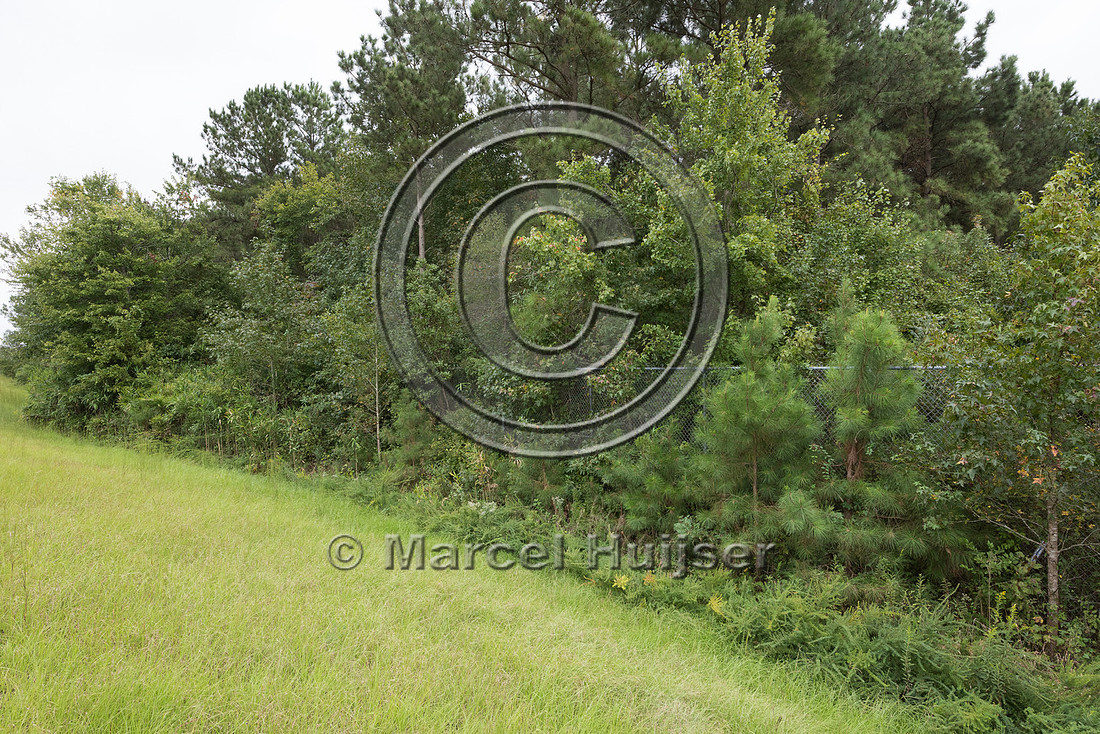
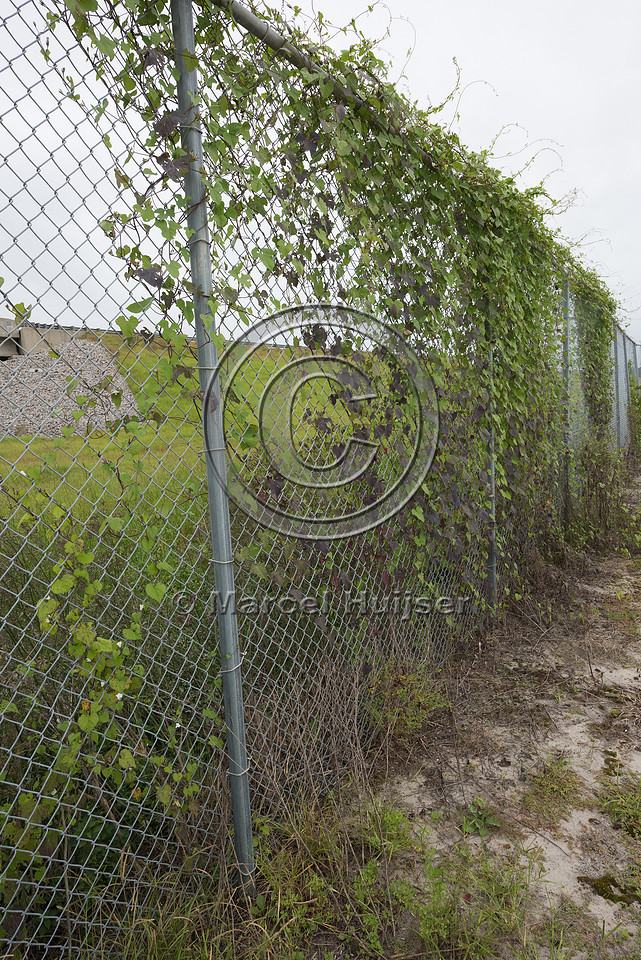
Vegetation growing through wildlife fence for black bear (UrsusVegetation growing through wildlife fence for black bear (UrsusVegetation growing through wildlife fence for black bear (Ursus americanus), 3 m high (10 ft), US Hwy 64, near Roper, North Carolina, USA

Wildlife fence for black bear (Ursus americanus), 3 m high (10 fWildlife fence for black bear (Ursus americanus), 3 m high (10 fWildlife fence for black bear (Ursus americanus), 3 m high (10 ft), US Hwy 64, near Roper, North Carolina, USA

Wildlife fence for black bear (Ursus americanus), 3 m high (10 fWildlife fence for black bear (Ursus americanus), 3 m high (10 fWildlife fence for black bear (Ursus americanus), 3 m high (10 ft), US Hwy 64, near Roper, North Carolina, USA Wildlife fence for black bear (Ursus americanus), 3 m high (10 fWildlife fence for black bear (Ursus americanus), 3 m high (10 fWildlife fence for black bear (Ursus americanus), 3 m high (10 ft), US Hwy 64, near Roper, North Carolina, USA

Click here for images of wildlife fencing.

Click here for images of multifunctional underpasses.

Click here for images of wildlife underpasses.

Like Marcel Huijser Photography on Facebook

All content © 2019 Marcel Huijser


Archive
January February (6) March April May June July August September October November December
January February March April (9) May (1) June July August September October November December
January February March April May June July August September October November December
January February March (3) April (1) May June July August September October November December
January February March April May June July August September October November December